Why Does Your Dog Suddenly Sneeze While Playing?
- Quick Tags: dog body language communication, dog play sneezing, canine calming signals, interactive dog toys
- Editor: Chloe Jones
- Updated: May,17,2026
- Views: 205.6k

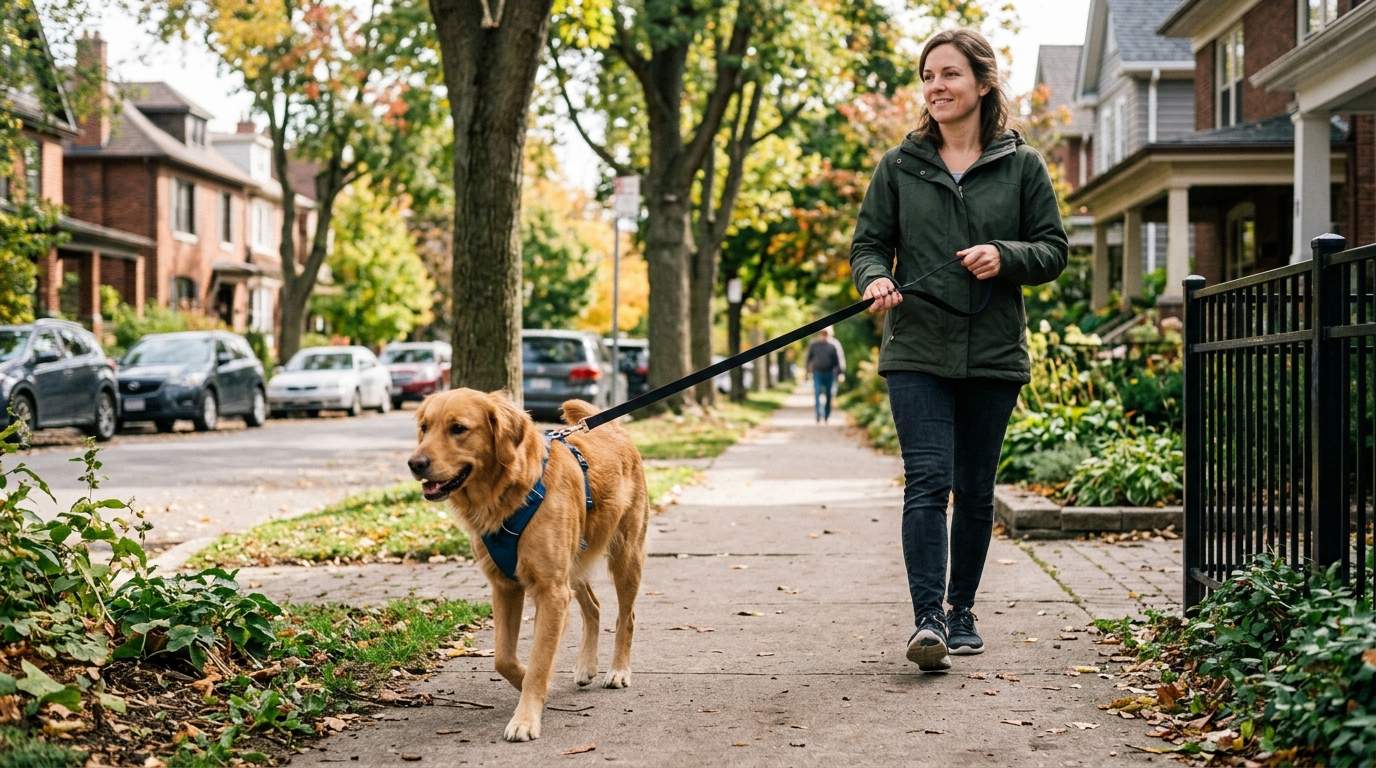
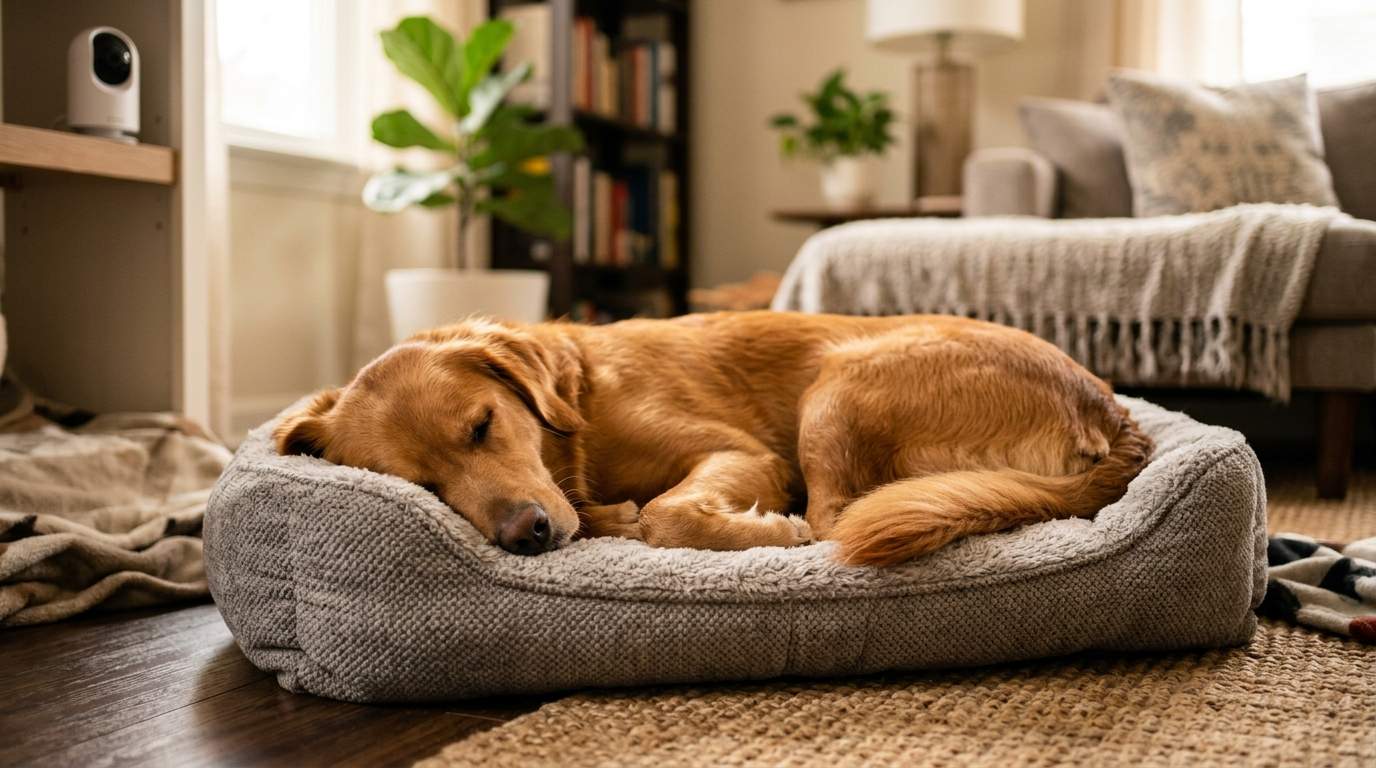
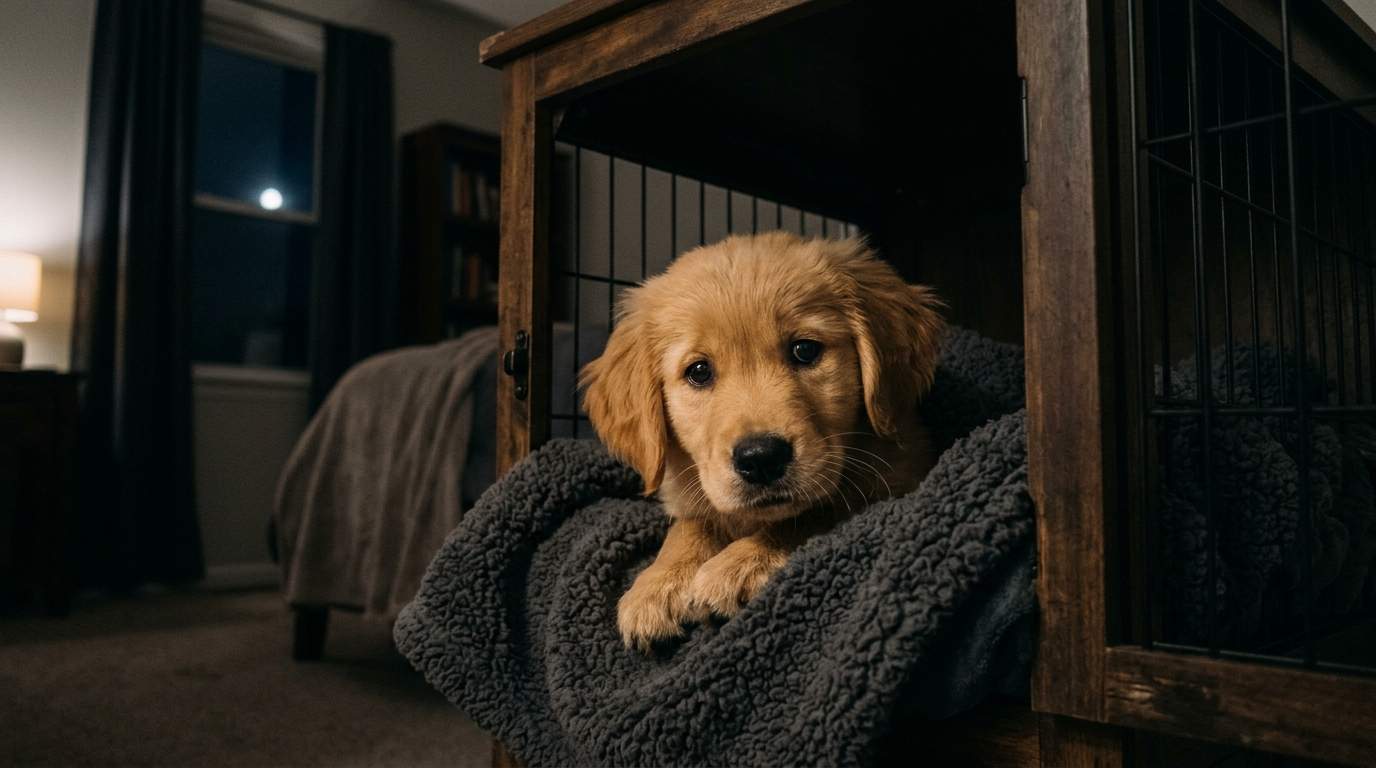
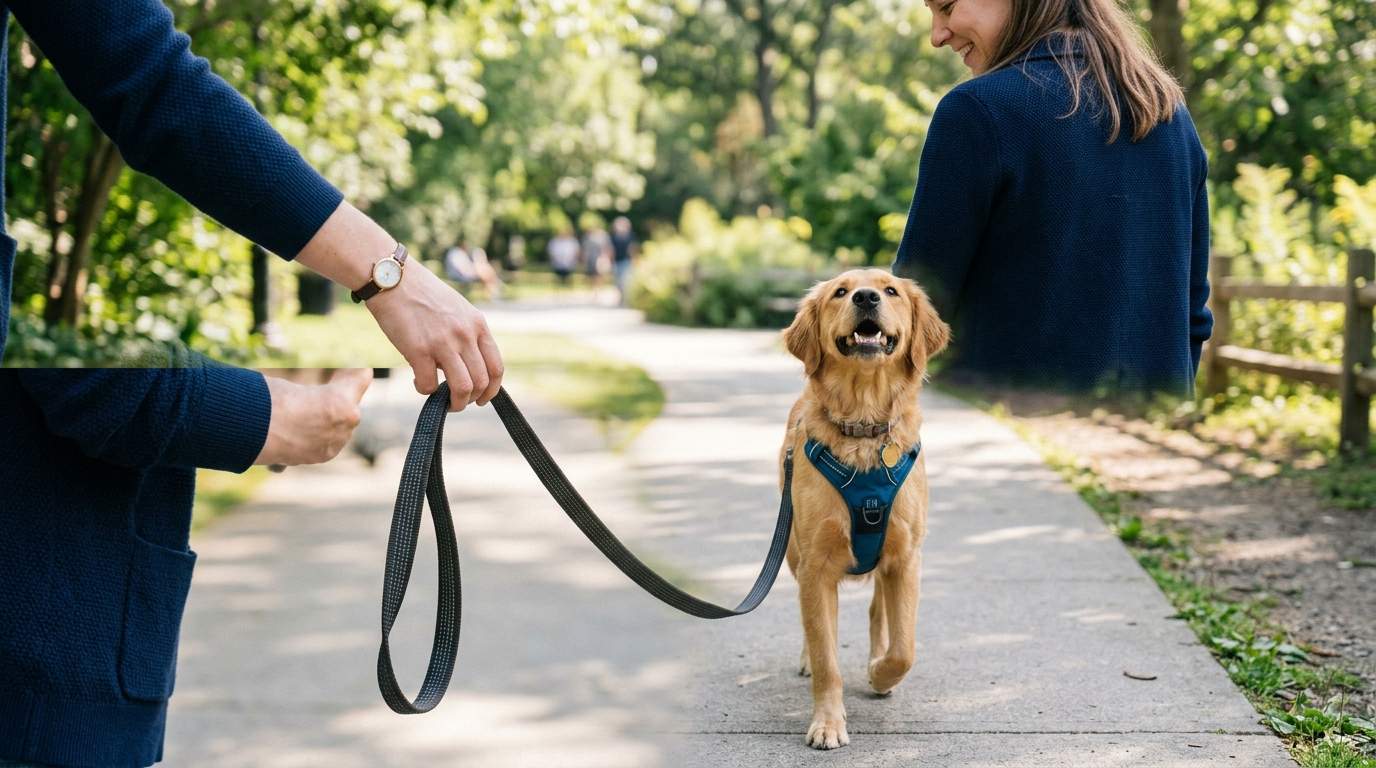
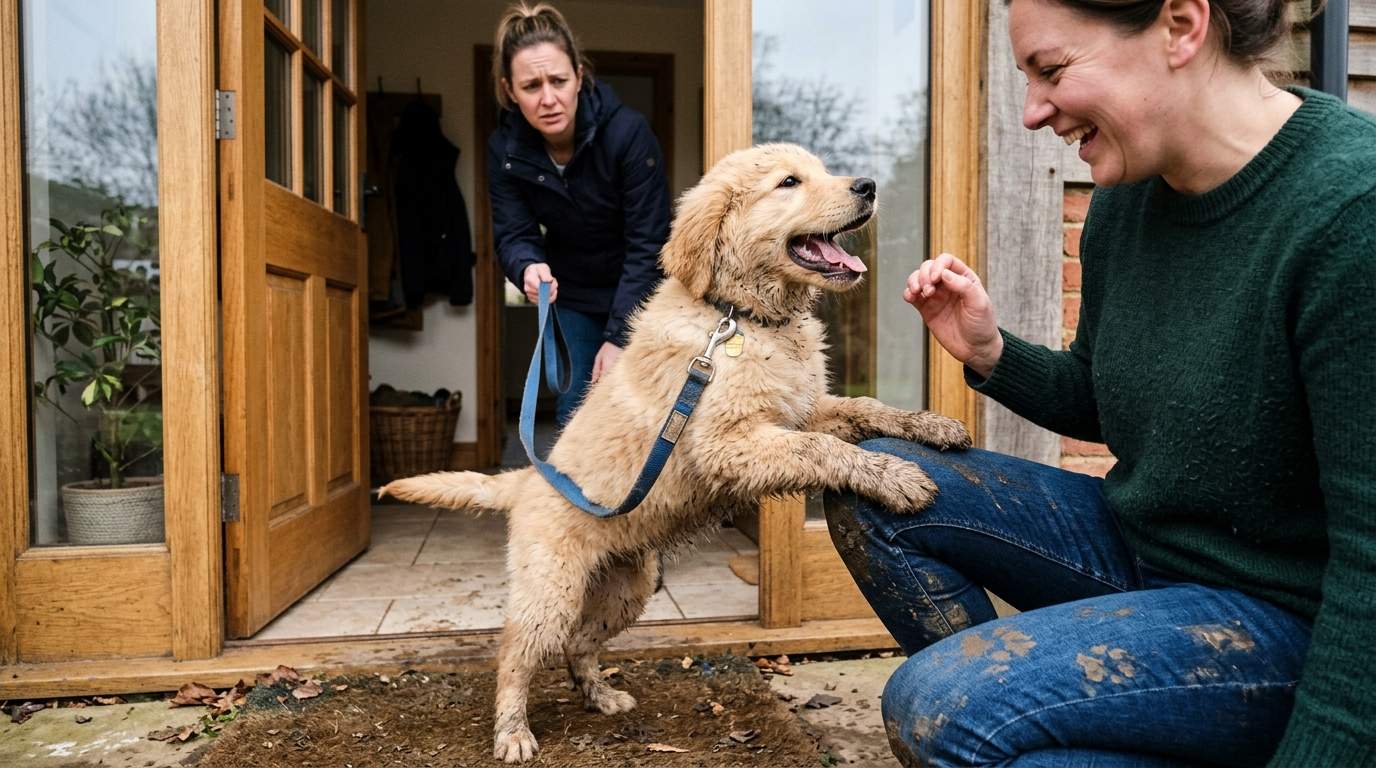
You are in the middle of a spirited game of tug-of-war in the living room. Your dog’s ears are forward, their tail is a blurred helicopter of joy, and the energy is high. Suddenly, they let out a sharp, dramatic sneeze—or perhaps two or three in a row. They aren't sick, they don't have a cold, and there isn't a speck of dust in sight. This "play sneeze" is a fascinating micro-behavior that acts as one of the most important social safety valves in the canine world.
E.g. :Unblinking Gaze on Camera: Is it Loneliness or Misunderstood Calm?
For many owners, this sudden nasal burst is confusing. We often pause, wondering if our furry friend has developed a sudden allergy to their favorite toy. But in the intricate dance of dog communication, that sneeze is actually a vital message sent from their brain to yours (and to any other dogs nearby). It is a silent dialogue that keeps the peace when things get rowdy.
In the wild and in our homes, play often mimics hunting or fighting. Dogs growl, they show teeth, and they pounce. To an outsider, it can look intense. This is where the play sneeze comes in. It is a "metasign"—a signal about a signal.
When a dog sneezes during an energetic bout of wrestling, they are effectively saying, "Everything we are doing right now is just for fun! I’m not actually angry, and I’m not going to hurt you." It is a rhythmic pause that prevents a high-arousal game from escalating into a real conflict. Understanding this allows us to stop worrying about their health and start appreciating their emotional intelligence.
A common misconception among pet parents is that a dog who growls or lunges during play is "aggressive." We often see owners scolding their dogs for making noise during a game. However, a dog who sneezes while growling is displaying excellent social skills.
They are consciously using a calming signal to reassure their partner. Instead of suppressing these vocalizations, we should look for the sneeze. If the sneezing is present, the "intent" is soft. By acknowledging these micro-movements, we learn to trust our dogs’ ability to regulate their own emotions, which reduces our own "owner anxiety" during trips to the dog park.
It is important to note the physical context of the sneeze. A "communication sneeze" is usually short, dry, and occurs specifically during high-energy moments.
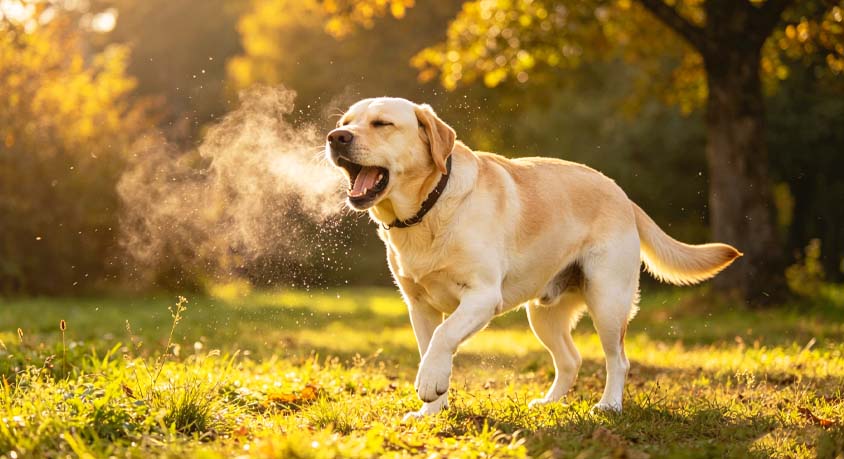
When a dog's excitement levels peak, their nose actually becomes physically congested with increased blood flow. The sneeze is a way to literally "clear their head." It is a physical manifestation of a mental reset. If the sneezing becomes constant and the dog cannot settle, it may be a sign that the play has become too overstimulating and a short "decompression break" is needed.
Healthy play is a skill that can be coached. Using the right interactive dog toys can help a dog learn how to toggle their arousal levels. Tug toys and flirt poles are excellent for this.
By initiating a game and then asking for a "drop it" or a "settle," you are teaching your dog how to navigate the space between high-excitement and calm. When they offer a play sneeze during these sessions, they are showing you that they are engaged and listening to the social contract of the game.
If you notice your dog sneezing frequently during play, take it as a compliment. It means they are highly invested in the interaction and are working hard to ensure you feel safe.
To encourage this type of healthy communication, try engaging with your dog at their level. When we stand over our pets, it can feel intimidating. By sitting on the floor during a play session with a plush squeaker or a rope tug, we lower the "threat" level and invite them to use their full range of calming signals, including the play sneeze.
The danger in play usually occurs when the communication stops. If the sneezing, tail-wagging, and "play-bowing" cease and are replaced by a stiff, silent posture, the game has shifted. By learning the "language of the nose," you become a more proactive guardian, able to step in only when truly necessary.
The next time your dog "blesses" you with a mid-play sneeze, smile. It is a tiny, wet reminder of how hard they work to understand us and be understood. They are navigating a human world with a lupine heart, using every tool at their disposal to keep the relationship harmonious.
Our role is not to be the "boss," but to be the partner who listens. When we recognize these subtle physiological cues, we move beyond simple ownership and into a space of genuine, reciprocal friendship. Your dog isn't just playing; they are speaking. And now, you finally know what they are saying.