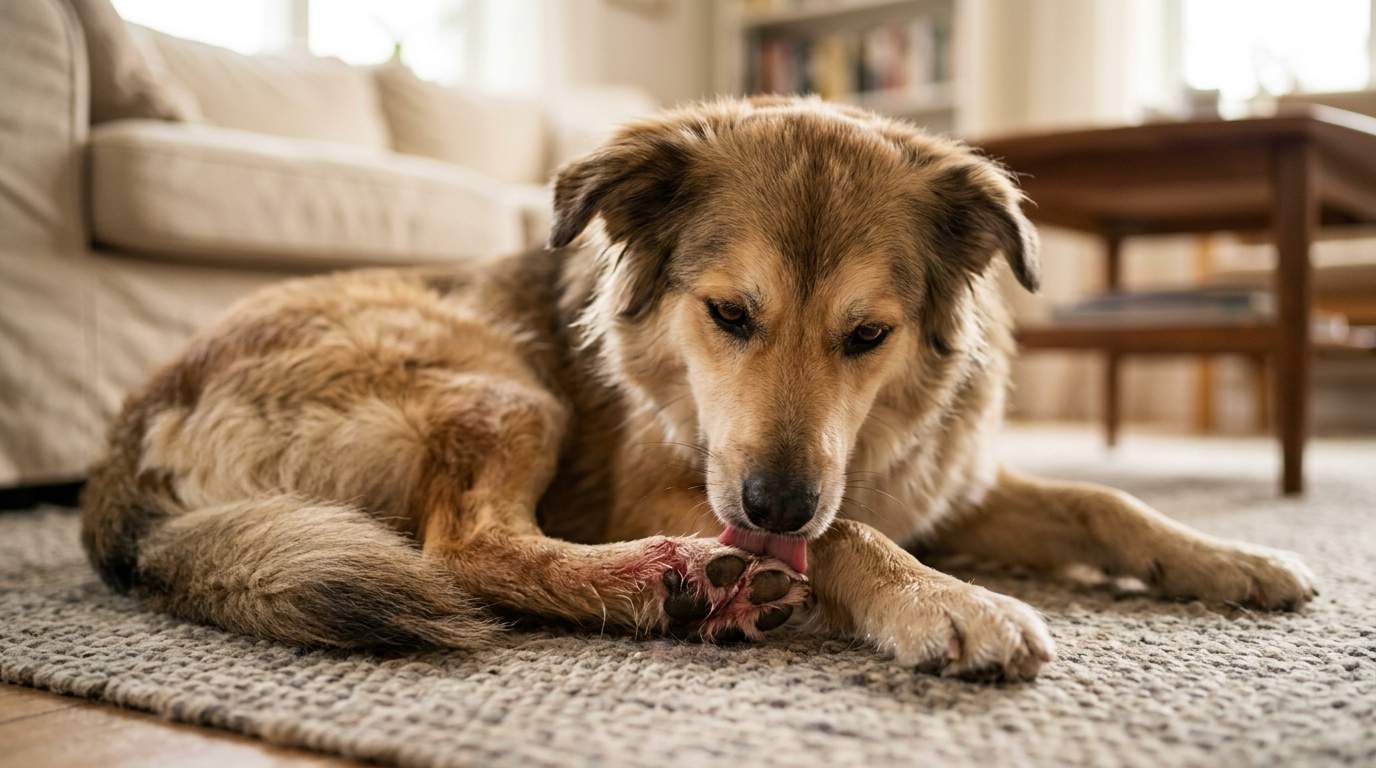
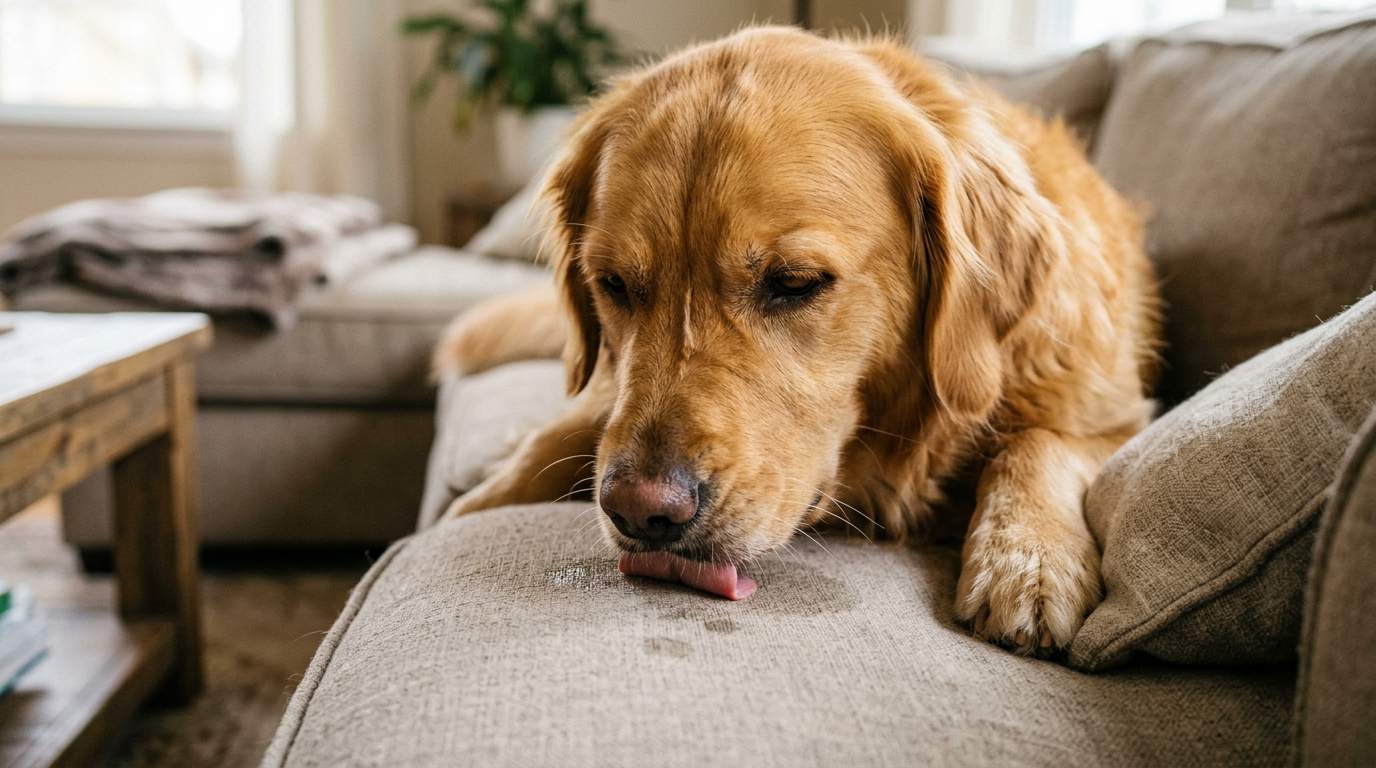
You have been diligent. Every morning, you hide the glucosamine chew in your old dog’s breakfast. You read the reviews. Five stars. “Miracle for my senior lab.” But your dog, Charlie, still takes three minutes to stand up. He still limps after a short walk.
E.g. :The Midnight Stare: Why Your Senior Dog Suddenly Forgets the Way Home
You feel confused. Is the supplement fake? Is your dog just too far gone?
That daily glucosamine is not useless. But it is only one note in a symphony of pain relief. And the missing instrument might be the only one Charlie needs.
The cartilage builder that is not a painkiller
Glucosamine helps repair cartilage. Slowly. Over months. It does nothing for inflammation. Nothing for existing pain. Taking glucosamine for arthritis is like patching a roof while the house is on fire. You need the fire truck first.
One of my clients, Nina, gave her 12-year-old pit mix, Otis, glucosamine for eight months. No improvement. She almost gave up. We added a veterinary-approved anti-inflammatory (carprofen) for two weeks. Otis started running in the yard again. The glucosamine was not failing. It was never designed to do the job Nina asked of it.
The three-layer pain plan
Supplements support long-term joint health. Pain medication addresses current inflammation. Weight loss reduces mechanical stress. Most owners only do the first. Then they blame the supplement when the dog still hurts.
Why “natural” is not the same as “effective”
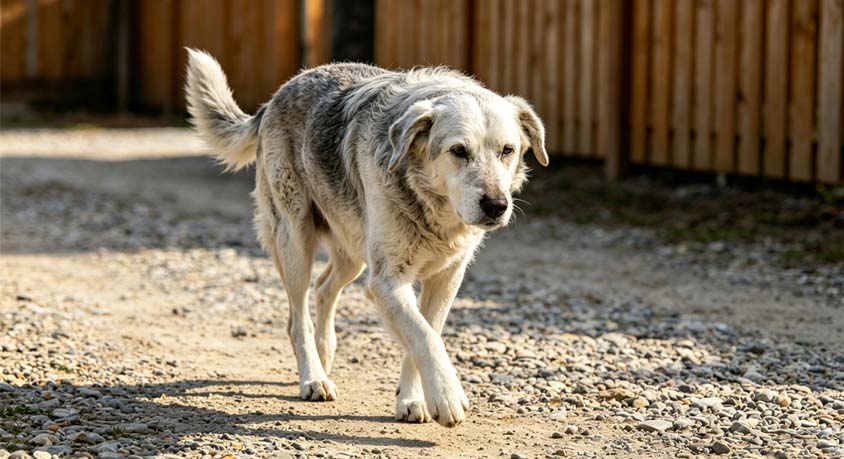
The pet industry sells you fear of pharmaceuticals. “Chemicals bad. Natural good.” But a dog who cannot walk without whimpering does not care about the ingredient list. He cares about getting off the floor.
Non-steroidal anti-inflammatories (NSAIDs) like carprofen or meloxicam are the gold standard for arthritic pain. They work within hours. They cost less than most premium supplements. Yes, they require bloodwork to monitor kidney and liver function. That bloodwork costs $150 twice a year. A dog who cannot walk costs you sleepless nights, escalating vet bills, and an early goodbye.
The supplement that actually helps
Omega-3 fatty acids (fish oil) have stronger evidence for arthritis than glucosamine. They reduce inflammation systemically. Add a high-quality omega-3 oil to Charlie’s bowl. Studies show measurable improvement in 6 weeks. Glucosamine? The data is mixed. It helps some dogs. It does nothing for many others.
The free treatment that works better than any pill
Weight loss. One pound lost on a 20-pound dog reduces joint load by four pounds. On a 60-pound dog, losing 5% of body weight (three pounds) improves lameness scores more than adding a second pain medication.
Nina weighed Otis. He was 8 pounds overweight. She cut his food by 15% and replaced kibble with green beans for bulk. Otis lost 6 pounds in four months. His limp disappeared. He still takes glucosamine. He still gets fish oil. But the weight loss did what no pill could.
The ramp that saves hips
A $40 ramp for the couch or car eliminates the jarring jump that inflames arthritic joints. Use it every time. Consistency matters. Charlie will not use it the first week. Teach him with hot dogs. After two weeks, he will wait at the ramp.
The financial argument for real pain relief
Glucosamine chews cost $30-60 per month. A year of ineffective treatment is $360-720. A vet visit, bloodwork, and a month of NSAIDs costs roughly $200. If it works, you have spent less money and given your dog actual relief. If it does not work, you have ruled out the most effective option and can move to physical therapy or acupuncture.
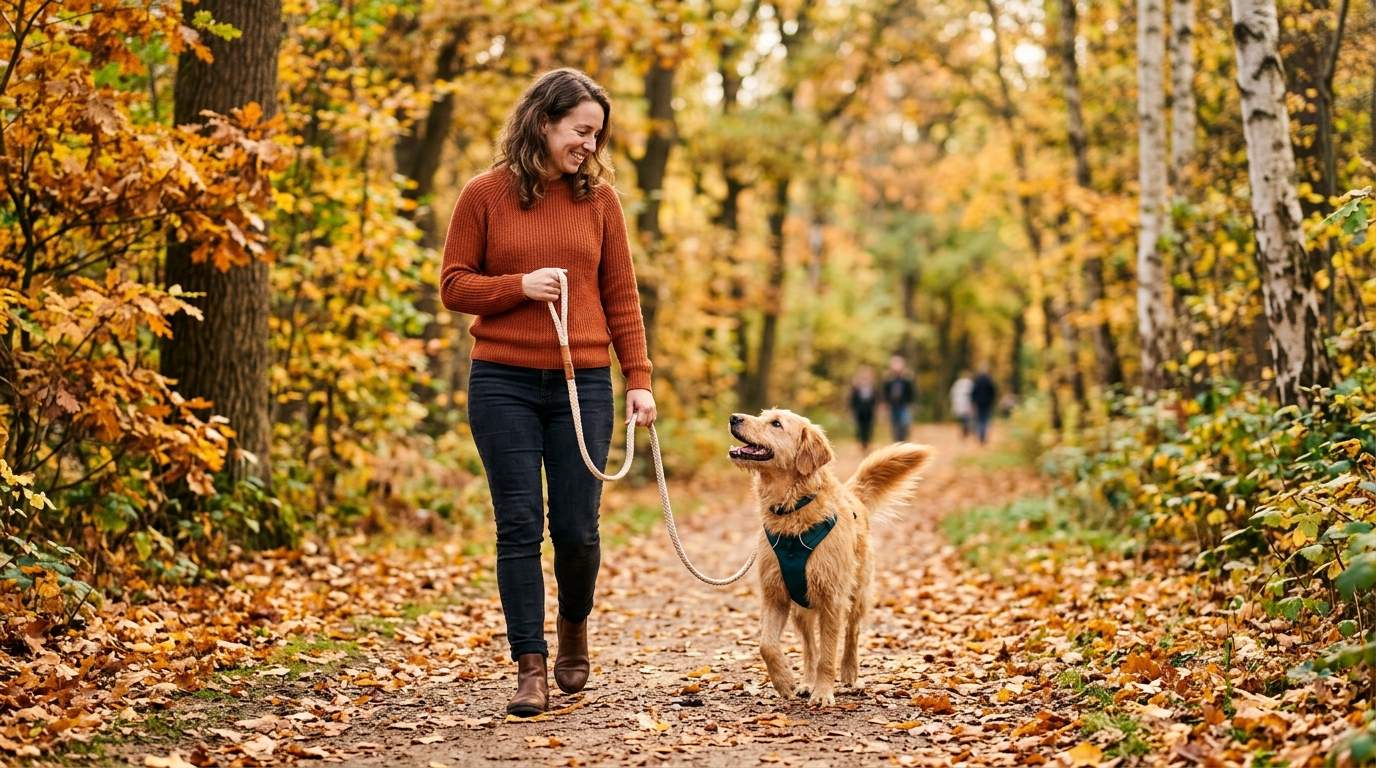
Nina now spends $25/month on generic carprofen, $15 on fish oil, and $20 on glucosamine (because Otis likes the taste). She stopped buying expensive “joint support” treats. Otis walks two miles a day at age 13. He still has arthritis. He is not cured. But he is comfortable.
Your dog’s limp is not a supplement failure. It is a message that you need more tools in your toolbox. Call your vet. Ask about an NSAID trial. Weigh your dog. Buy the ramp. The glucosamine can stay – but only as the supporting actor, not the lead.