Your sugar glider barks at 3 AM like a tiny dog. That is not a happy pet.
- Quick Tags: sugar glider barking, nocturnal pet sounds, exotic pet stress, bonding pouch
- Editor: Chloe Jones
- Updated: May,31,2026
- Views: 237.1k








You wake to a sound like a miniature dog. Bark, bark, bark. Your sugar glider, Pip, is hanging upside down in his cage, making that sharp repetitive call. You smile. He is just being chatty. That is what the online forums said.
E.g. :Why Does Your Cat Suddenly Stop Purring Mid-Pet?
That bark is not a conversation. It is a distress signal. And ignoring it is costing you a healthy glider.
Sugar gliders in the wild live in groups of 5-12. They communicate with barks to locate each other when separated. A lone glider barking at 3 AM is not happy. He is calling for his missing colony. In your home, you are the colony. And you are sleeping in another room.
One of my clients, Maya, had a single glider named Yoshi who barked for hours every night. She thought it was normal. Yoshi stopped eating. A vet visit showed stress-induced weight loss. We added a bonding pouch that Maya wore under her shirt for 4 hours daily. Yoshi learned her scent. The barking dropped by 80% within two weeks. He was not being noisy. He was being lonely.
Gliders are not meant to live alone. A pair costs twice the food but half the stress. The barking that keeps you awake is the same barking that raises his cortisol. One emergency vet visit for a stressed glider costs $300. A second glider costs $200. The ROI on a companion is immediate.
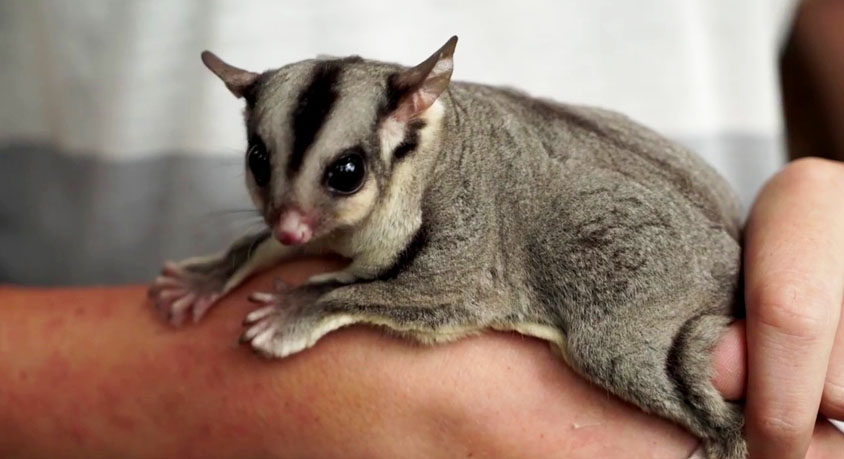
Sugar gliders come from Indonesian rainforests. Their bodies stop functioning below 70°F. A cold glider becomes anxious, then lethargic, then sick. Nighttime temperature drops are the hidden cause of many “unexplained” barks.
A low-watt heat pad placed under half the cage (never inside) keeps your glider warm without burning. Set it to turn on at 10 PM and off at 6 AM. Maya added this for Yoshi. His barking shifted from panicked to occasional soft chirps. The heat cost $0.10 per night. The peace was priceless.
A glider with no enrichment will bark from frustration. They need climbing branches, foraging opportunities, and a running wheel (solid surface, no wire). A wheel costs $30. A year of sleepless nights costs your mental health.
An insect feeder with a timer releases mealworms at random intervals during the night. Your glider stops barking and starts hunting. This mimics natural behavior and lowers stress hormones. Pair it with a bonding pouch worn during your evening TV time. Your scent becomes safety.
Sudden, intense barking in a previously quiet glider can mean pain. Dental abscesses are common in sugar gliders fed too much fruit. Hind leg paralysis from calcium deficiency causes distress calls. Both require an exotic vet – exam starts at $100, treatment often $300-800.
Maya now checks Yoshi’s teeth weekly. She feeds a balanced diet of protein (insects, eggs) and limited fruit. Yoshi sleeps in his bonding pouch next to her bed. He still makes soft chirps at dawn – the sound of a glider greeting his colony. No more 3 AM barking. No more stress weight loss.
Your sugar glider’s tiny bark is not a quirk. It is a voice from a social animal living against his biology. Add a companion. Add heat. Add a pouch. The silence that follows is not emptiness. It is finally enough.