Why your guinea pig freezes when you pick it up
- Quick Tags: guinea pig care, small pet behavioral signs, pet anxiety relief, guinea pig health
- Editor: Editorial Team
- Updated: Jun,03,2026
- Views: 318.2k



Every time you reach into the cage to pick up your guinea pig, it freezes completely—body stiff, eyes wide, and not moving a muscle, even when you gently hold it. You’ve thought it’s just shy or used to being handled, but this sudden stillness is your guinea pig’s way of telling you how it feels.
E.g. :The goldfish gasping at the surface: a hungry mouth or a burning gill?
We often assume guinea pigs freeze because they’re calm, but is that the case? Could this frozen state be a sign of fear or stress that we’re misinterpreting?
Guinea pigs are prey animals, and their instinct when facing potential danger is to freeze—this helps them blend into their surroundings to avoid predators. When you pick them up, even if you mean no harm, their natural instinct kicks in, and freezing becomes their defense mechanism.
This behavior is not calmness; it’s fear. Ignoring this signal can make your guinea pig more anxious over time, leading to other issues like loss of appetite or hiding away from you.
If your guinea pig freezes and its ears are flattened against its head, or it breathes rapidly, it’s definitely scared. A calm guinea pig will have relaxed ears, slow breathing, and may even nudge your hand gently. Freezing with a stiff body is always a sign of discomfort.
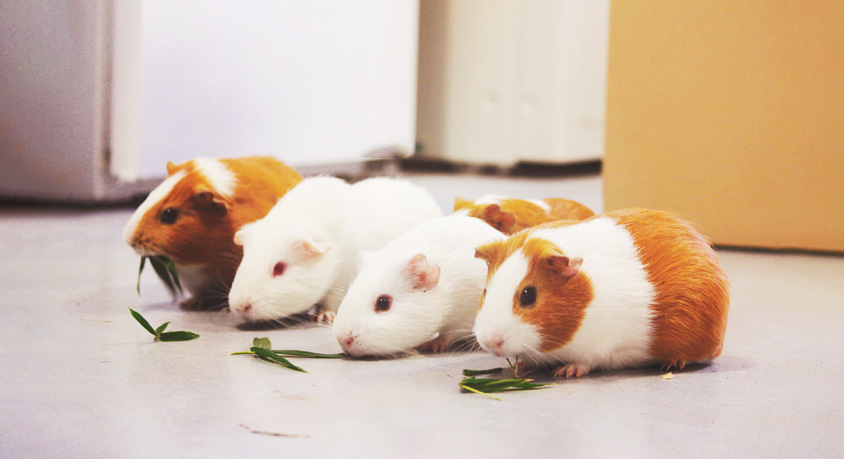
Guinea pigs with a shy personality or those who haven’t been handled much since they were young are more likely to freeze. Changes in their environment, like a new cage or loud noises, can also make them more skittish and prone to freezing when picked up.
To help your guinea pig stop freezing, start by building trust slowly. Don’t rush to pick them up—spend time sitting near their cage, talking to them softly, and offering small treats. This helps them associate you with safety and comfort.
When you do pick them up, use both hands to support their body (never pick them up by their ears or legs). Hold them close to your chest, as the warmth and steady heartbeat can calm them down. Keep handling sessions short at first, gradually increasing the time as they get more comfortable.
Relieving your guinea pig’s anxiety is key to reducing freezing behavior. Provide a cozy hideout in their cage where they can retreat when they feel scared—this gives them a sense of security. Keep their cage in a quiet area away from loud noises and sudden movements.
Stick to a consistent daily routine for feeding and handling. Guinea pigs thrive on predictability, and a regular schedule helps them feel safe. Avoid sudden changes to their cage or diet, as this can trigger stress.
Guinea pigs are gentle and sensitive, and they communicate through subtle behaviors. Freezing is just one of the ways they tell us they’re scared. Learning to recognize these signs—like flattened ears, rapid breathing, or freezing—helps you understand their needs better.
By taking the time to build trust and create a safe environment, you can help your guinea pig feel more comfortable. Over time, they’ll stop freezing when you pick them up and may even come to you for affection. After all, our small pets deserve to feel safe and loved in their homes.