The probiotic powder in the bowl – not all bacteria are your dog's friends.
- Quick Tags: dog probiotics, gut health dogs, probiotic strains, dog digestive issues
- Editor: Chloe Jones
- Updated: May,30,2026
- Views: 220k



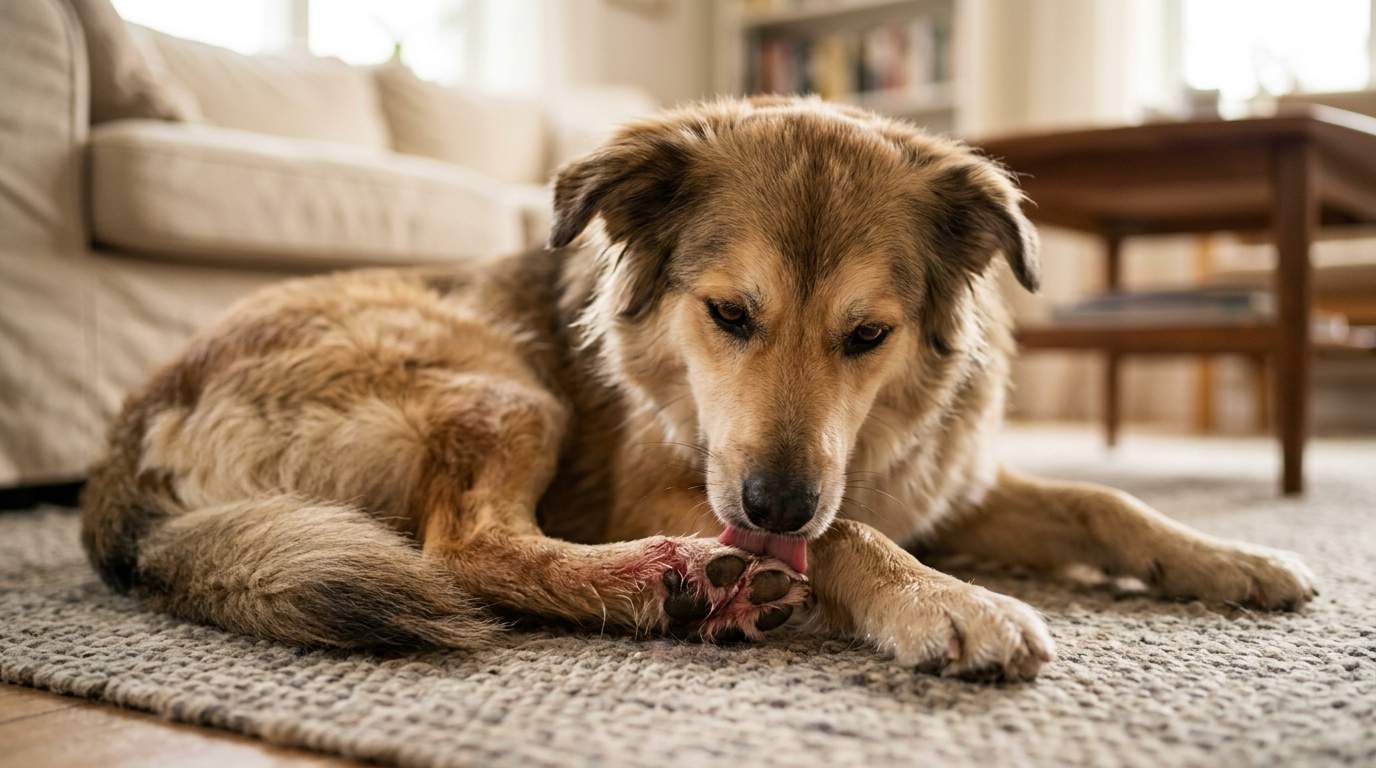

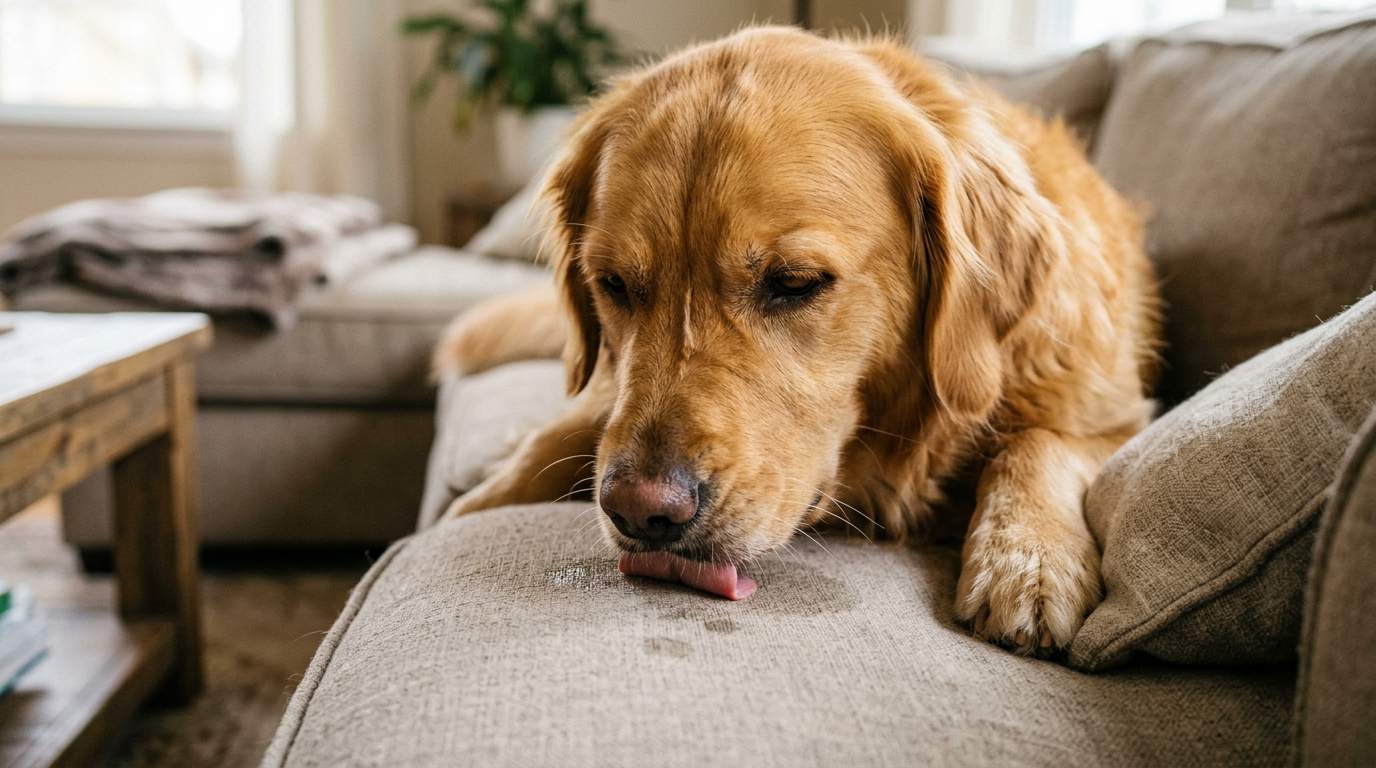
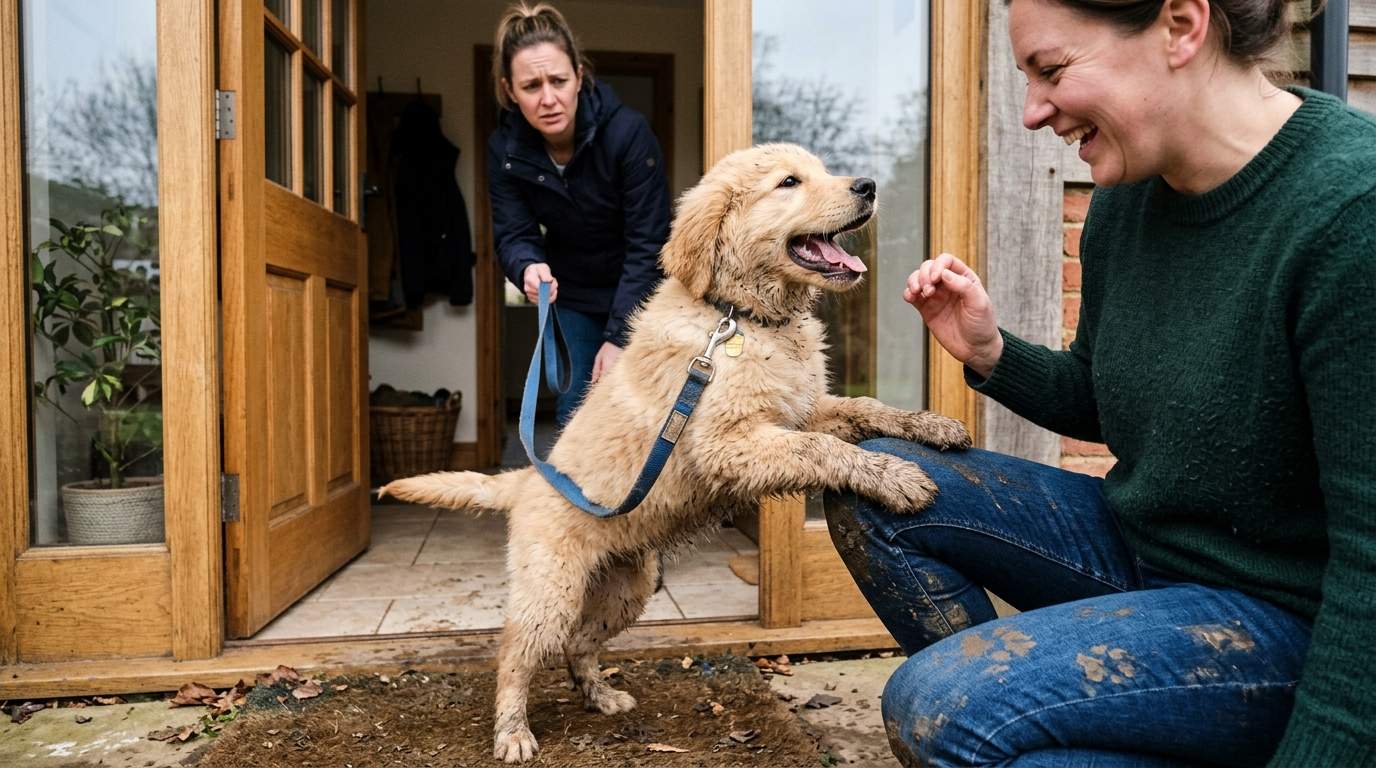
The vet recommended probiotics for the loose stools. A trip to the pet store, a $45 bottle of powder. A sprinkle on breakfast each morning. Two weeks later, the diarrhea is worse. The dog is gassy. There is rumbling from his belly.
E.g. :Why Your Senior Dog Stares at the Wall and the Gentle Art of Navigating the Sunset Years
The powder was supposed to help. Instead, everything fell apart.
Not all probiotics are created equal. And for some dogs, the wrong strain does more harm than a week of garbage scraps.
Probiotics are living bacteria. Different strains do different jobs. Lactobacillus acidophilus helps with general digestion. Bifidobacterium longum reduces inflammation. But Enterococcus faecium – common in cheap powders – can actually cause loose stools in sensitive dogs.
One client, Mara, had a two-year-old schnauzer, Pip. Chronic soft serve poops. She tried three different probiotic powders. Each made Pip gassy and uncomfortable. We stopped all probiotics. Added a spoon of plain kefir (a natural source of multiple strains) and prebiotic fiber (inulin from pumpkin). Within five days, Pip produced firm stools for the first time in months. The problem was not probiotics. The problem was the wrong probiotics.
Look for products that list specific strain names with their codes (Lactobacillus acidophilus D2-112, not just “probiotic blend”). Avoid products that do not guarantee colony-forming units (CFUs) at the time of expiration, not just at manufacture. A $20 bottle with 10 billion CFUs of the right strain beats a $50 bottle with 100 billion of mystery bacteria.

A healthy dog with normal stools does not need a daily probiotic. His gut already has a balanced microbiome. Adding extra bacteria can tip that balance toward dysbiosis – too much of one strain, crowding out others. The result: loose stools, gas, or constipation.
Probiotics are medicine. They should be used for specific problems: after antibiotics, during stress-induced diarrhea, or for diagnosed dysbiosis. They are not a daily vitamin.
After a course of antibiotics, the gut is wiped clean. A 7-14 day course of a targeted probiotic (Saccharomyces boulardii, a yeast-based probiotic) helps repopulate. But giving probiotics during antibiotics? The antibiotics kill the probiotics. Wait until the last pill is swallowed, then start the probiotic.
Mara learned that Pip’s loose stools were from a chicken intolerance, not a lack of bacteria. Removing chicken from his diet fixed the problem. The probiotics were treating a symptom, not the cause.
Most high-quality probiotics require refrigeration. The shelf-stable powders on pet store shelves? They contain hardier bacteria, but hardier does not mean better. Those strains are often less effective for dogs with actual digestive disease. If a probiotic does not need a fridge, ask what bacteria it uses. If the answer is “proprietary blend,” walk away.
Fermented foods are safer and cheaper than powders. A teaspoon of plain kefir (no sugar, no fruit) for a medium dog. A tablespoon of plain yogurt for a large dog. A spoonful of sauerkraut juice (no garlic, no salt) for a dog with chronic inflammation. These contain live bacteria plus enzymes and organic acids that powders lack.
Red flags to stop immediately: worsening diarrhea after three days, vomiting, blood in stool, or a bloated hard belly. These can indicate that the probiotic is colonizing where it should not – rare but serious. Immunocompromised dogs (cancer, kidney failure, old age on steroids) should never get live probiotics without vet supervision.
A fecal microbiome test ($200-300) tells exactly which bacteria are missing and which are overgrown. No more guessing. The test results recommend specific strains. One client spent $600 on probiotic powders over a year. The test cost $250. The recommended probiotic cost $30 and fixed the dog’s colitis in two weeks. The test paid for itself.
Mara now keeps Pip on a chicken-free diet with a weekly spoon of kefir. No probiotic powder. No gas. No soft poops. The $45 bottle sits expired in her cabinet – a reminder that more bacteria is not always better.
That sprinkle on the bowl is not a harmless addition. It is a medical decision. Choose the right strain, store it cold, or skip it entirely. A healthy gut does not need a powder. It needs the right food, the right test, and sometimes – nothing at all.