Why your senior dog licks paws nonstop
- Quick Tags: senior dog care, dog paw care, pet skin health, dog anxiety relief
- Editor: Editorial Team
- Updated: Jun,01,2026
- Views: 238.6k

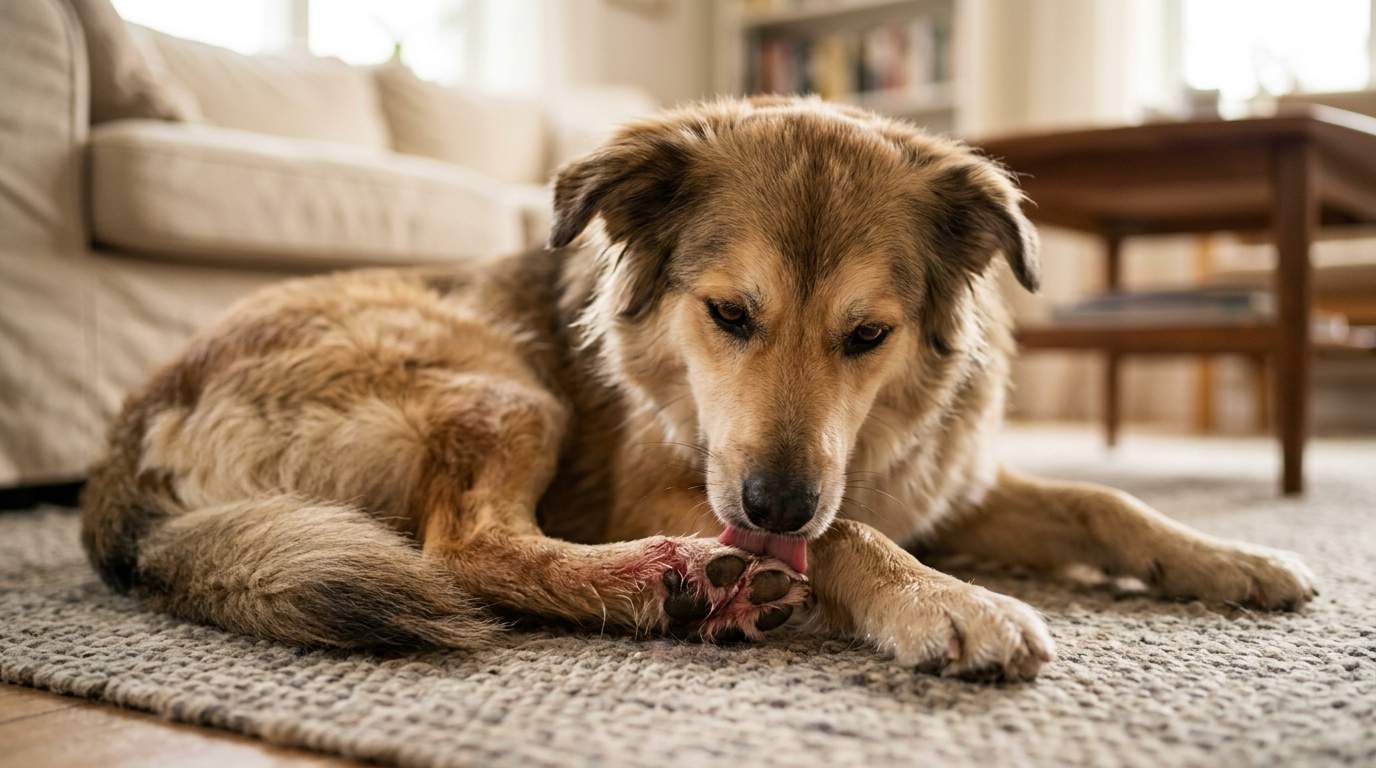
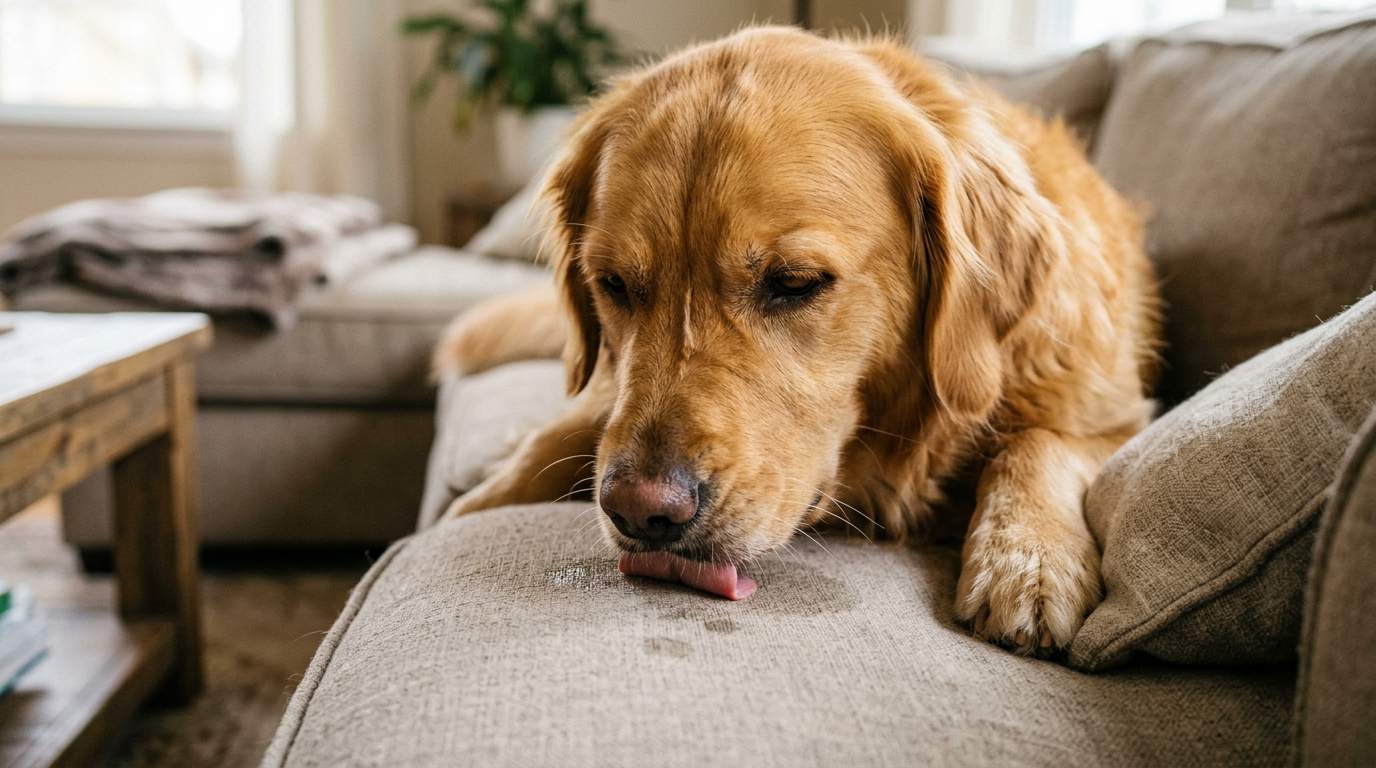
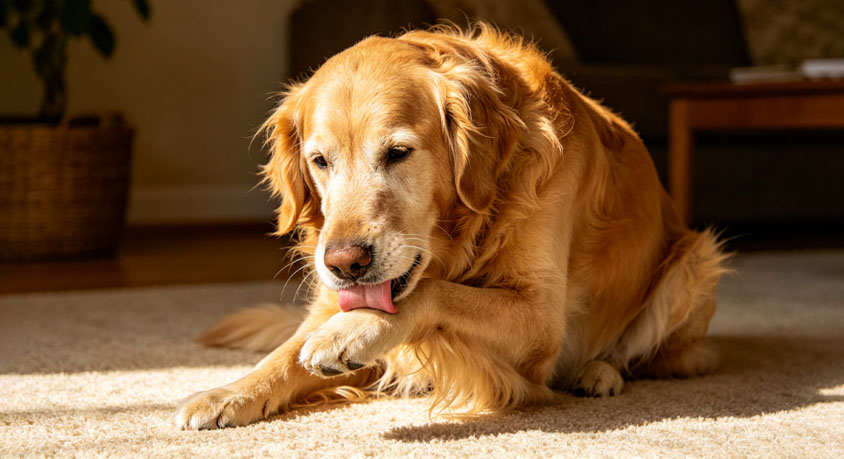
Every evening, you find your senior dog curled up by the sofa, licking its front paws repeatedly—so hard that the fur becomes wet and matted, and it even flinches when you try to touch them. You’ve checked for thorns or cuts, found nothing, and dismissed it as a harmless habit. But this endless paw-licking is more than just a quirk; it’s a cry for help from your aging companion.
E.g. :That nose glued to the sidewalk isn't defiance. So what is it?
We always think paw-licking in dogs is just cleaning or boredom, but is that true? Could this repeated action be a sign of hidden pain or anxiety in senior dogs that we’re missing?
For senior dogs (usually 7 years old and above), paw-licking is rarely random. As their bodies age, their skin becomes drier, joints ache, and emotions grow more fragile—all of which can trigger this compulsive behavior. Unlike young dogs, senior dogs’ paw-licking often carries hidden physical or mental distress.
Ignoring this behavior can lead to more serious issues: the constant licking may irritate the skin, cause inflammation, or even lead to hair loss. It’s a silent signal that your senior dog is struggling, and it needs your attention.
Dry skin is the most common reason—senior dogs’ sebaceous glands decline, making their paw pads and fur dry and itchy. Arthritis or joint pain can also cause them to lick their paws, as the action may temporarily relieve discomfort. Sometimes, food allergies or environmental irritants (like cold floors) can also trigger itching.
Senior dogs are prone to anxiety due to cognitive decline or changes in their routine. Paw-licking becomes a coping mechanism, helping them soothe themselves when they feel confused or stressed. This is especially common if there’s a new pet, a move, or a change in the owner’s schedule.
Taking care of your senior dog’s paws is key to stopping compulsive licking. Start by checking their paw pads daily for cracks, cuts, or foreign objects. Use a gentle paw balm to keep the pads moisturized—avoid products with harsh chemicals that may irritate their skin.
In cold or hot weather, use soft dog socks to protect their paws from extreme temperatures. Regular grooming can also help: trim the fur between their toes to prevent dirt and moisture from building up, which can cause itching.
Senior dogs’ skin needs extra care to stay healthy. Choose a mild, hypoallergenic shampoo for bathing, and avoid bathing them too frequently—this can strip their skin of natural oils. Adding omega-3 fatty acids to their diet can also improve skin and coat health, reducing dryness and itching.
If you notice redness, swelling, or a bad odor from their paws, consult a vet promptly. These may be signs of a skin infection that requires medical treatment.
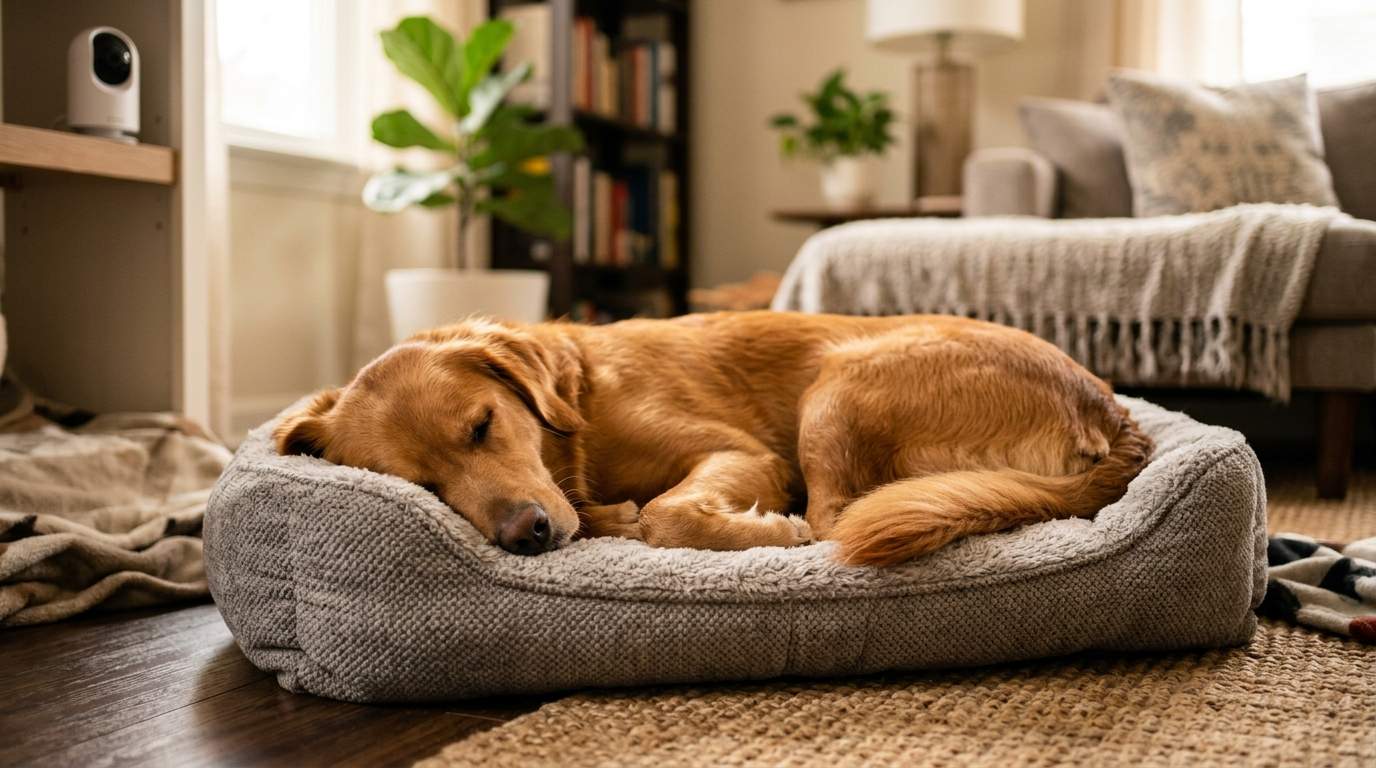
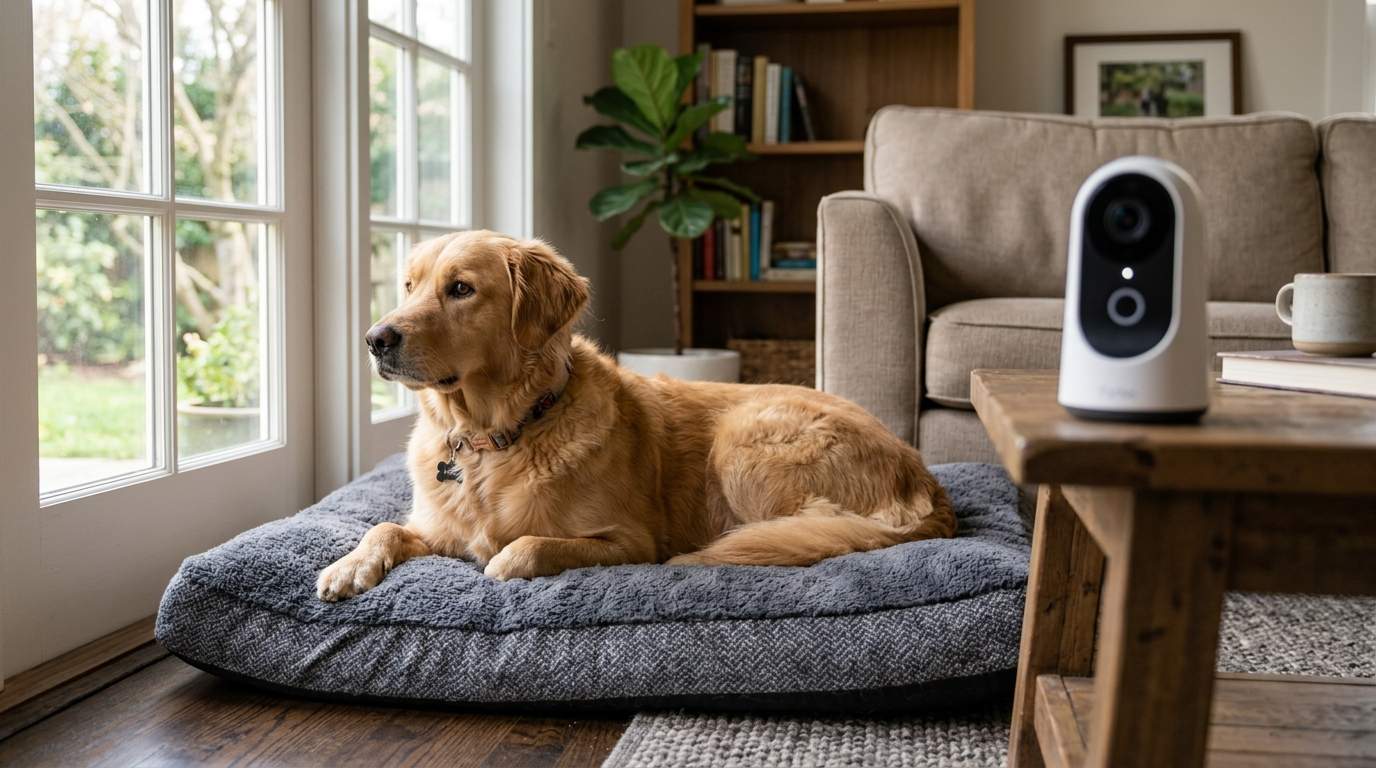
Relieving your senior dog’s anxiety can help reduce compulsive paw-licking. Stick to a consistent daily routine—predictability makes them feel safe. Provide a warm, comfortable bed in a quiet corner where they can rest undisturbed.
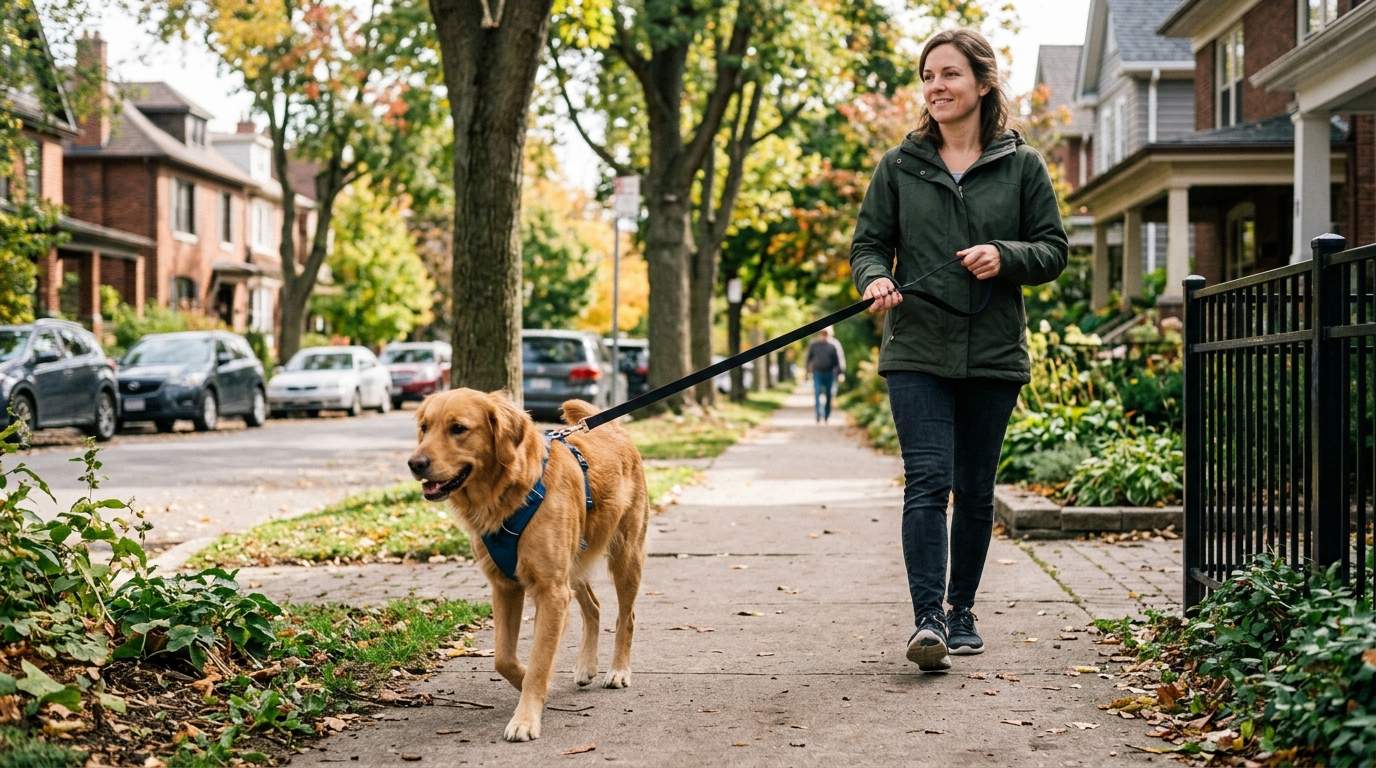
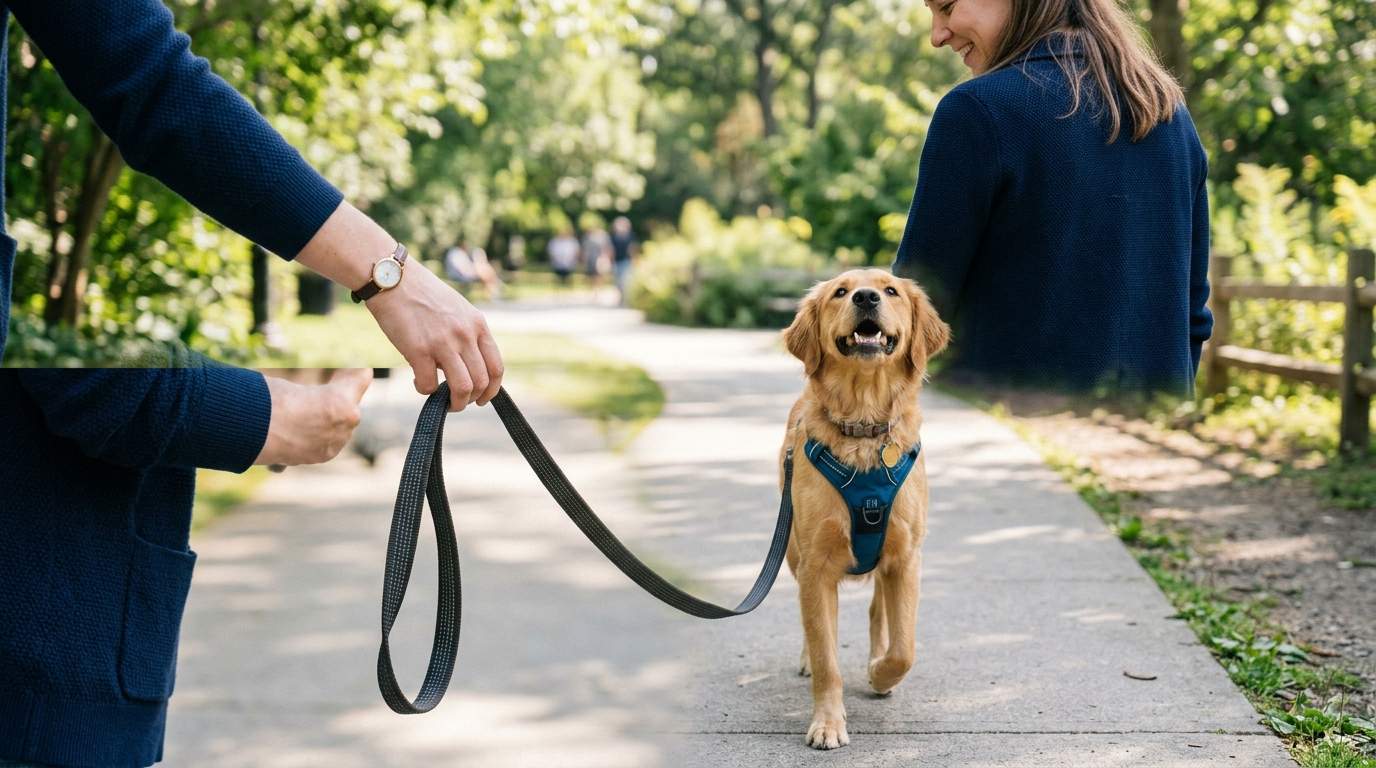
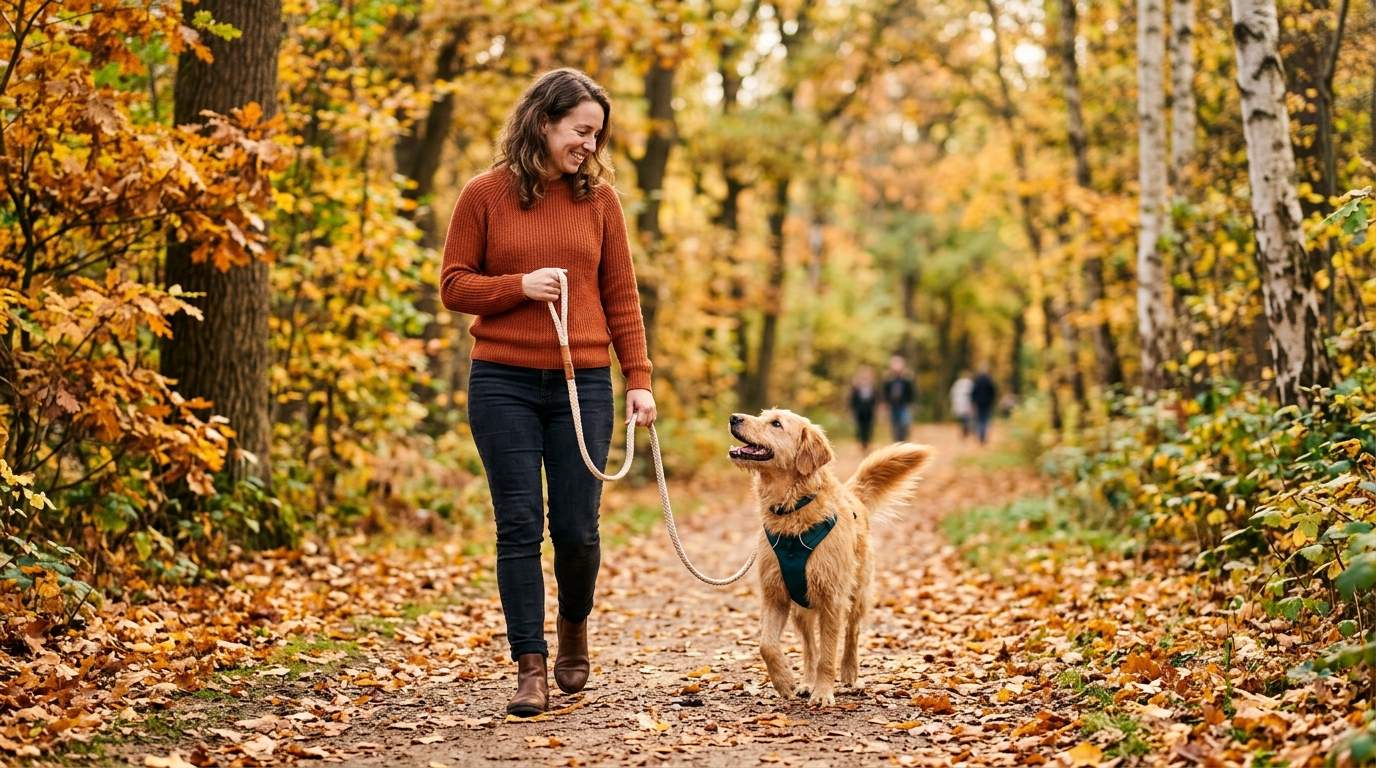
Gentle daily walks (adjusted for their energy level) and short play sessions can also help ease anxiety. Avoid sudden changes to their environment, and give them plenty of affection to reassure them they’re loved.
As our dogs age, their bodies and minds change, and their behaviors become more meaningful. What we see as a "harmless habit" may be their way of telling us they’re in pain or distress. Senior dog care isn’t just about feeding and shelter—it’s about noticing these small signals and responding with kindness.
Your senior dog has been by your side for years, offering unconditional love. Now, it’s your turn to understand their silent cries and give them the comfort and care they deserve.