The shelter adoption fee is $50. Your first year will be $2,500.
- Quick Tags: pet adoption costs, first year dog expenses, emergency vet fund, budgeting for pets
- Editor: Chloe Jones
- Updated: Jun,04,2026
- Views: 337.5k

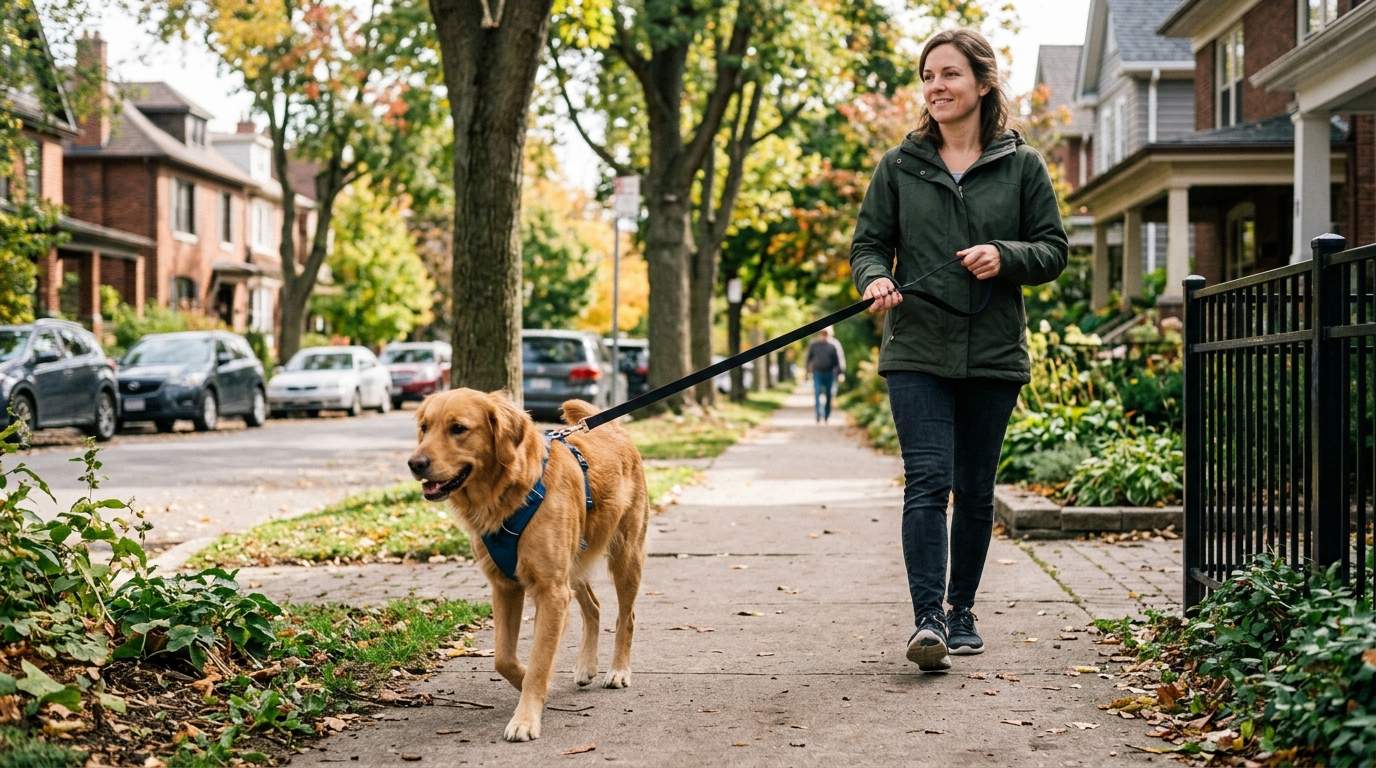
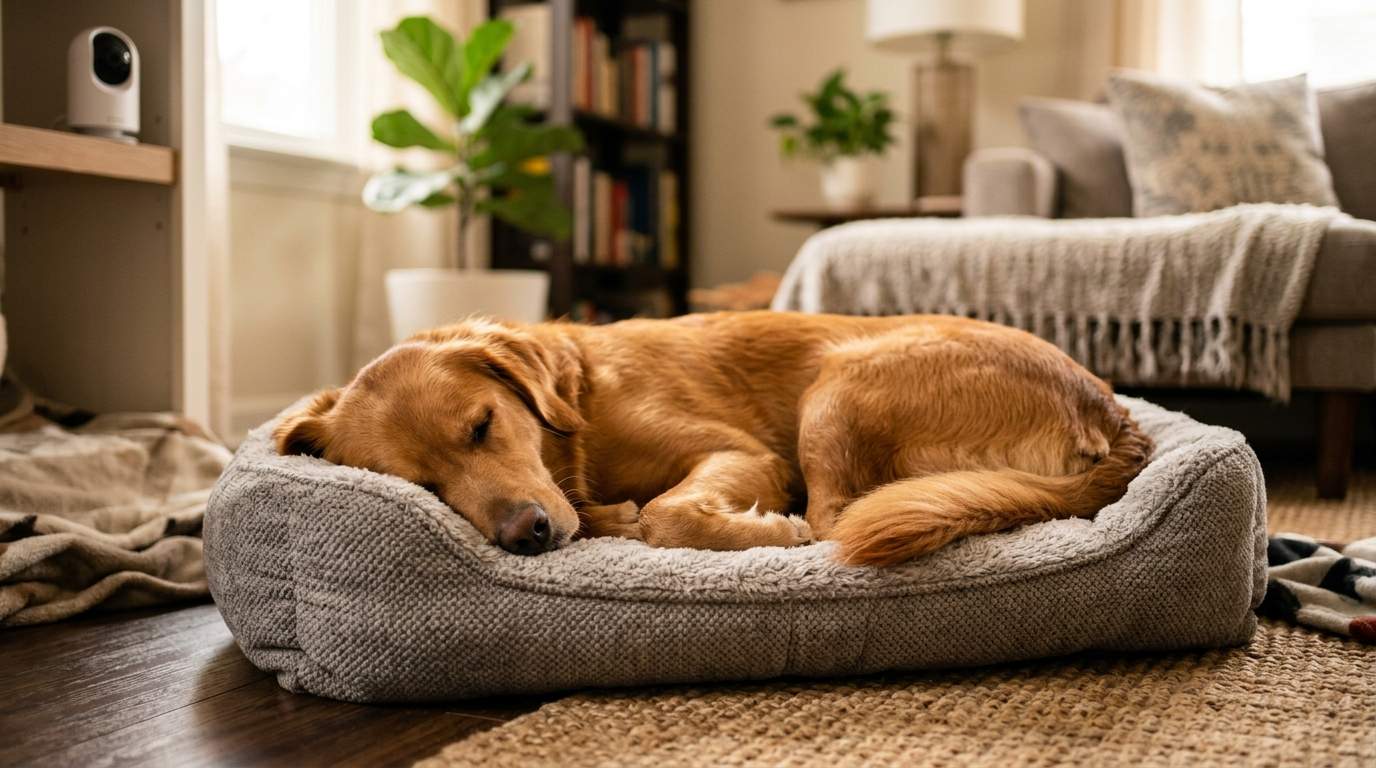
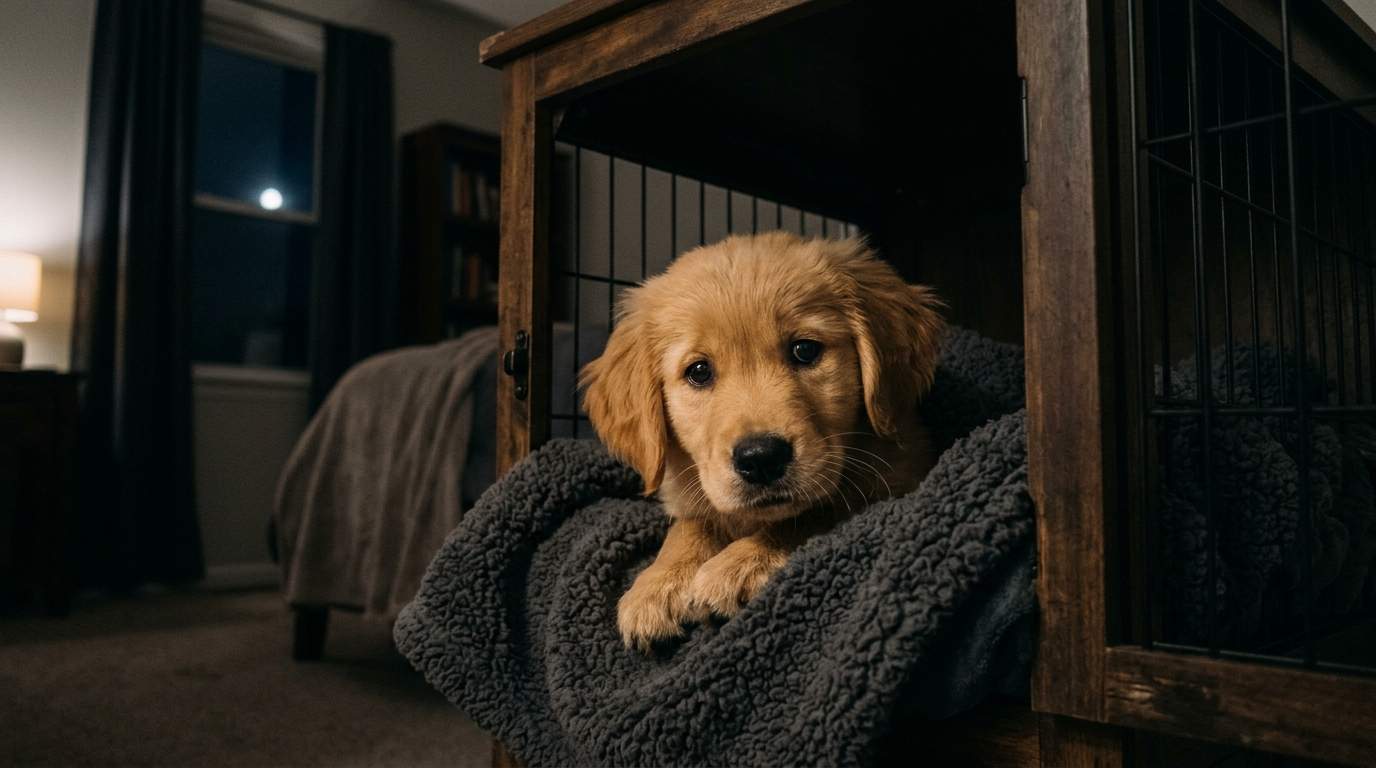
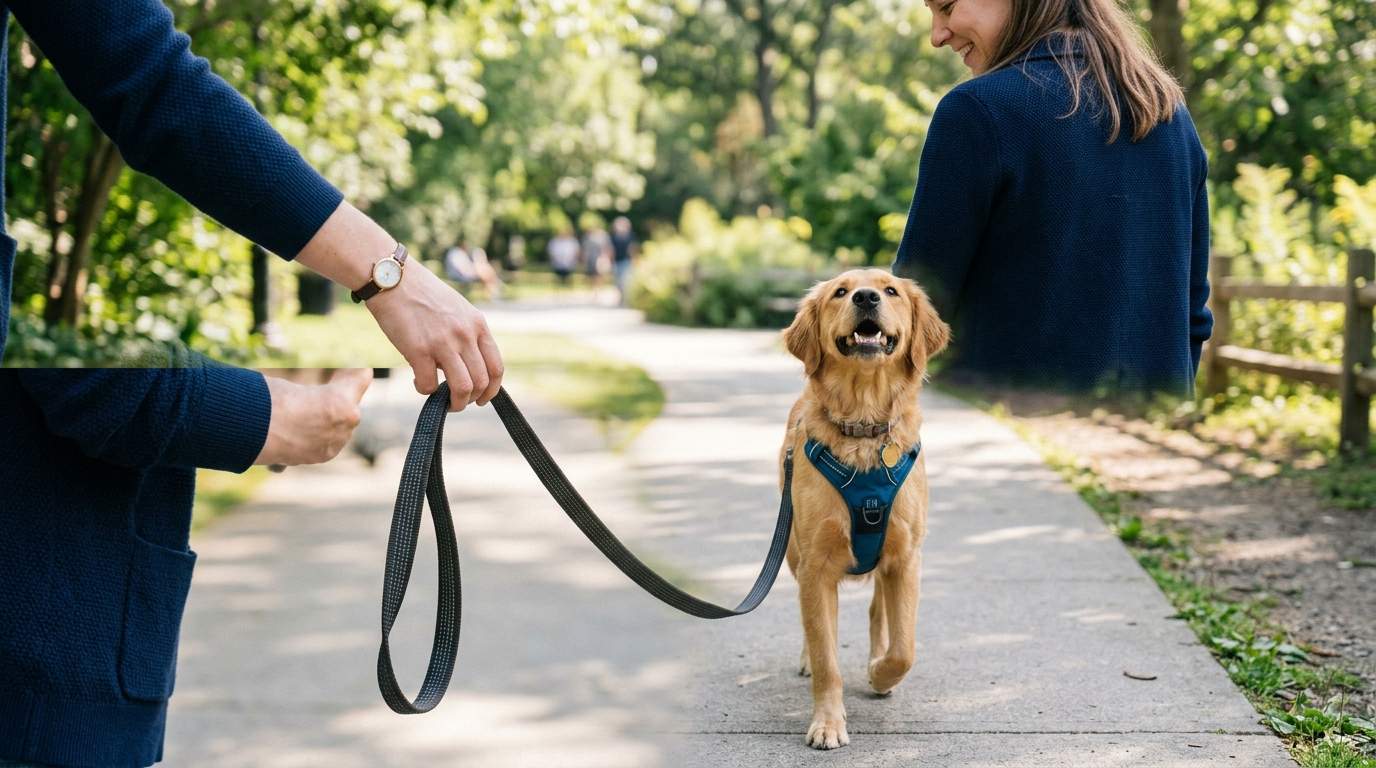
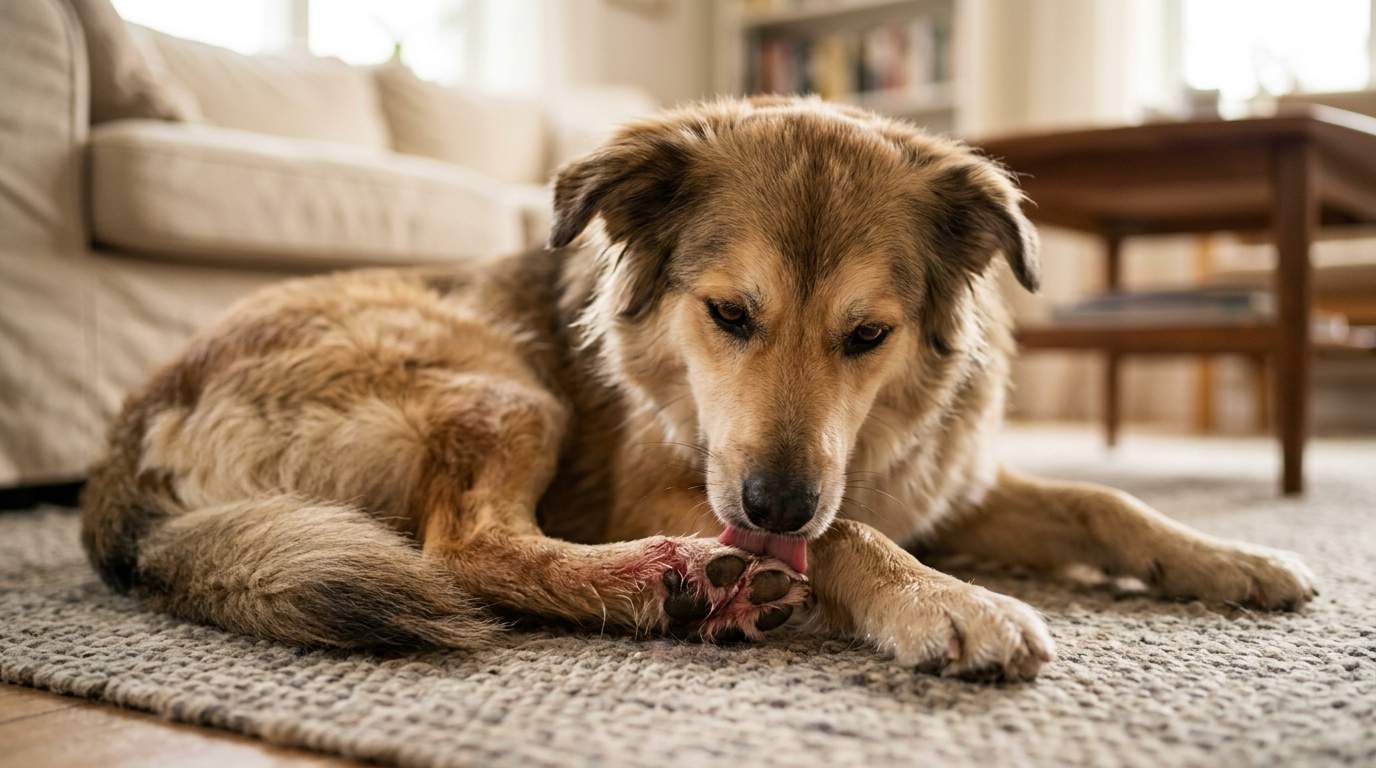
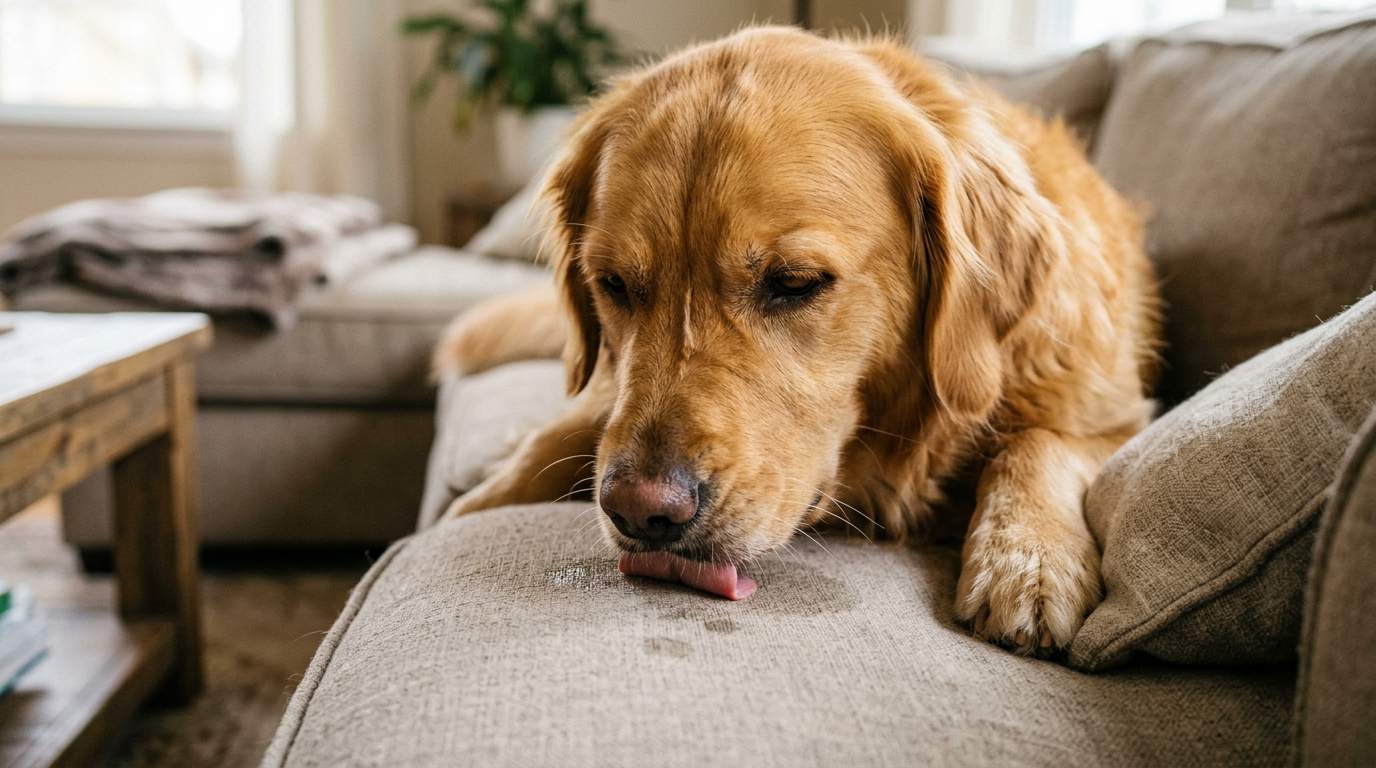
You fall in love with a scruffy face at the shelter. The fee is $50. You pay it, sign the papers, and drive home with your new best friend. You think: what a bargain.
E.g. :The Fox That Climbs Trees
That $50 is not the price. It is the down payment. And no one tells you the full cost until the invoices start arriving.
The adoption fee covers the spay/neuter and first vaccines. It does not cover the second round of boosters ($80), the microchip registration ($25), the flea and tick prevention for the first year ($200), or the heartworm test and monthly prevention ($150). That is $455 before your dog sleeps through a single night.
Then come the supplies. A crate ($60), bed ($40), leash and collar ($30), food and water bowls ($15), poop bags ($10), chew toys ($25), and a starter bag of quality food ($50). Total so far: $685. You have not had the dog for one full month.
One of my clients, Lena, adopted a 2-year-old mixed breed named Otis. She saved $500 for “startup costs.” By week three, she had spent $740 and still needed a vet visit for Otis’s ear infection ($180). Lena cried in my office. She was not irresponsible. She was just given a fantasy instead of a budget.
The average first-year cost for a medium dog in the US ranges from $1,500 to $3,000. For large breeds, closer to $3,500. For puppies with extra vaccines and destruction of household items, $4,000 is common. The $50 adoption fee is roughly 1% of the first-year truth.
A blocked intestine from eating a sock: $3,000 to $7,000. A broken leg from a bad jump: $2,000 to $4,000. A sudden case of bloat in a deep-chested dog: $5,000 to $8,000. These are not “what if” scenarios. They are “when” scenarios for enough dogs that every owner should plan for them.
Pet insurance at $30-50/month costs $360-600 per year. One emergency surgery paid at 90% reimbursement saves you $5,000. That is a risk hedge with a 10x potential return. Skip the insurance? Then build a separate savings account with $2,000 minimum before adopting. Do not rely on credit cards with 25% interest. That is how a $500 emergency becomes a $1,200 debt.
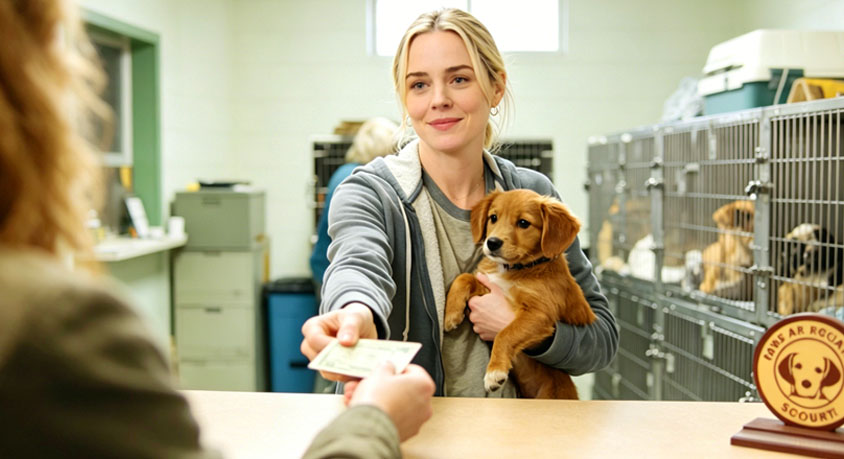
Lena ended up spending $2,800 on Otis in his first year – ear infections, a tooth extraction, and a reaction to a vaccine. She loves him completely. But she wishes someone had handed her a spreadsheet at the shelter.
Flea and tick prevention is not optional in most climates. One infestation costs $500 for home treatment. A heartworm diagnosis costs $1,000+ to treat. Dental cleanings for small breeds start at $600 annually after age 3.
Going away for a week? Boarding runs $40-60 per night. A pet sitter $25-40 per visit. If you travel twice a year, budget $500 minimum. This is never mentioned in adoption brochures.
Before you sign, run these numbers. Multiply your expected monthly cost by 12. Add $2,000 for emergencies. If that number scares you, adopt an adult cat instead of a puppy. Cats cost roughly half what dogs cost in the first year. Or look into pet insurance before you leave the shelter – many offer immediate coverage with no waiting period for accidents.
Do not adopt until you have one full month of take-home pay saved separately. That cushion is not for the dog. It is for your peace of mind. Because when the $300 vet bill arrives on a Tuesday and your rent is due Friday, the dog should never be the reason you choose between food and medicine.
Lena now budgets monthly for Otis: $50 for food, $20 for treats and toys, $15 for flea/tick, $40 for insurance. She set up an automatic transfer of $50/month into an “Otis emergency fund.” After two years, she has $1,200 saved. When Otis needed $900 for a foreign body removal, she paid the deductible without blinking.
That $50 shelter fee was the smallest check she ever wrote. The real investment was the spreadsheet she built after. Your future dog deserves that spreadsheet. And your future self deserves to sleep without counting vet bills instead of sheep.