That nose glued to the sidewalk isn't defiance. So what is it?
- Quick Tags: dog sniffing behavior, mental enrichment for dogs, leash walking tips, dog anxiety signs
- Editor: Chloe Jones
- Updated: May,15,2026
- Views: 406.4k

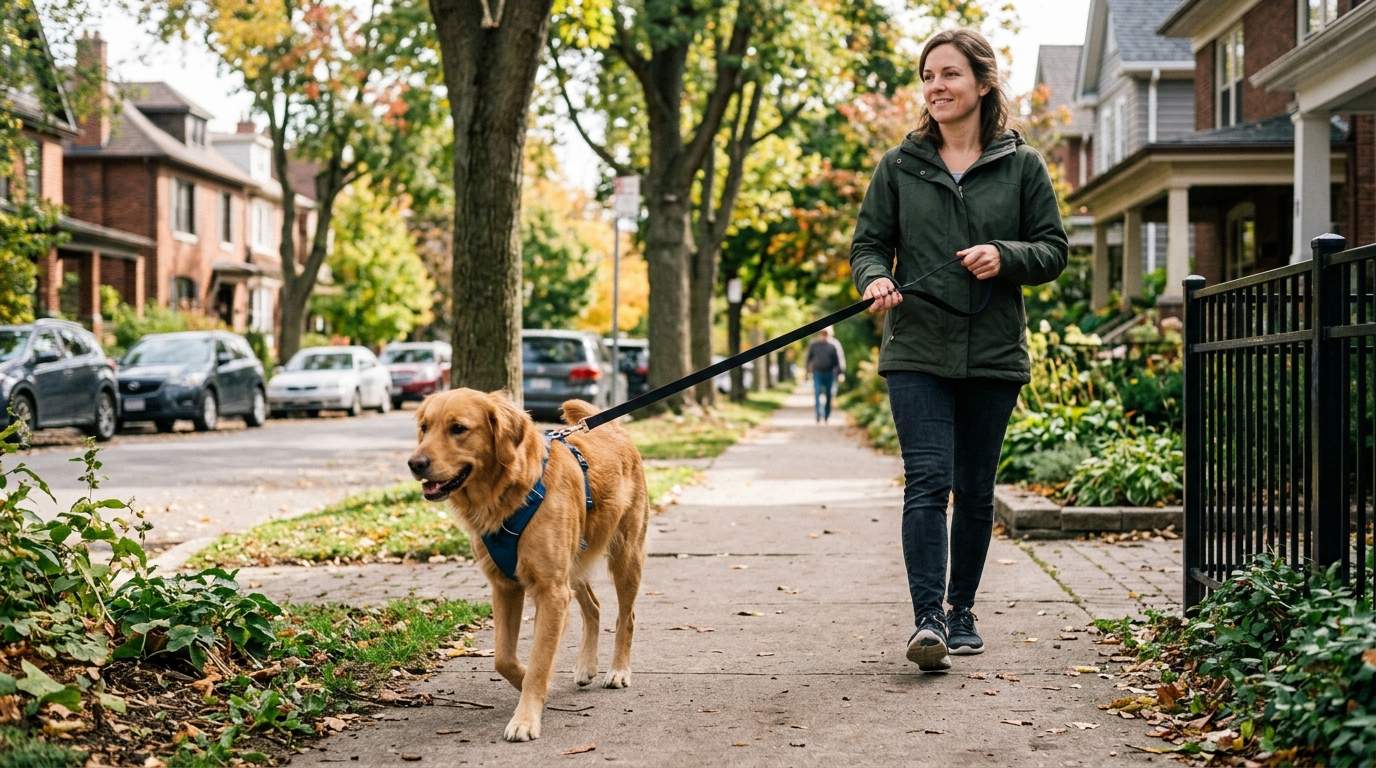
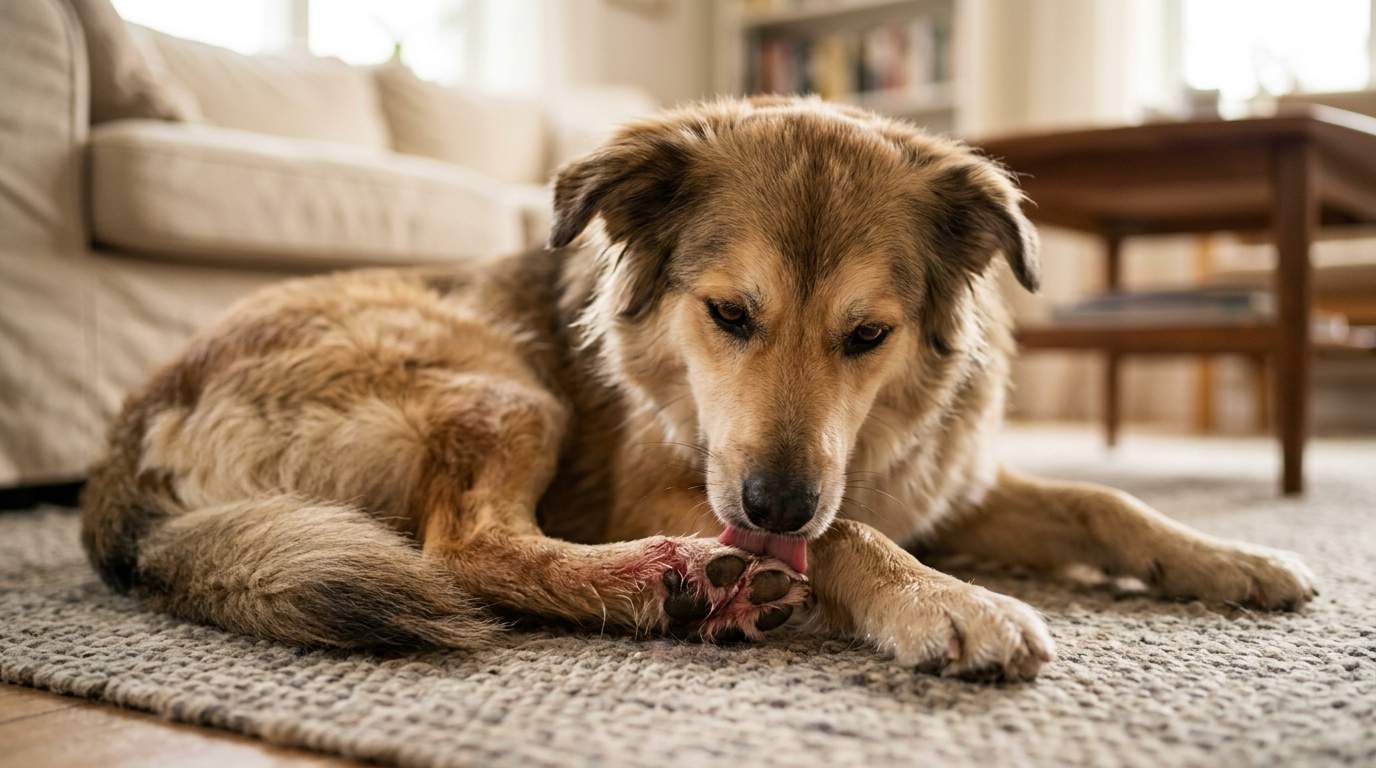
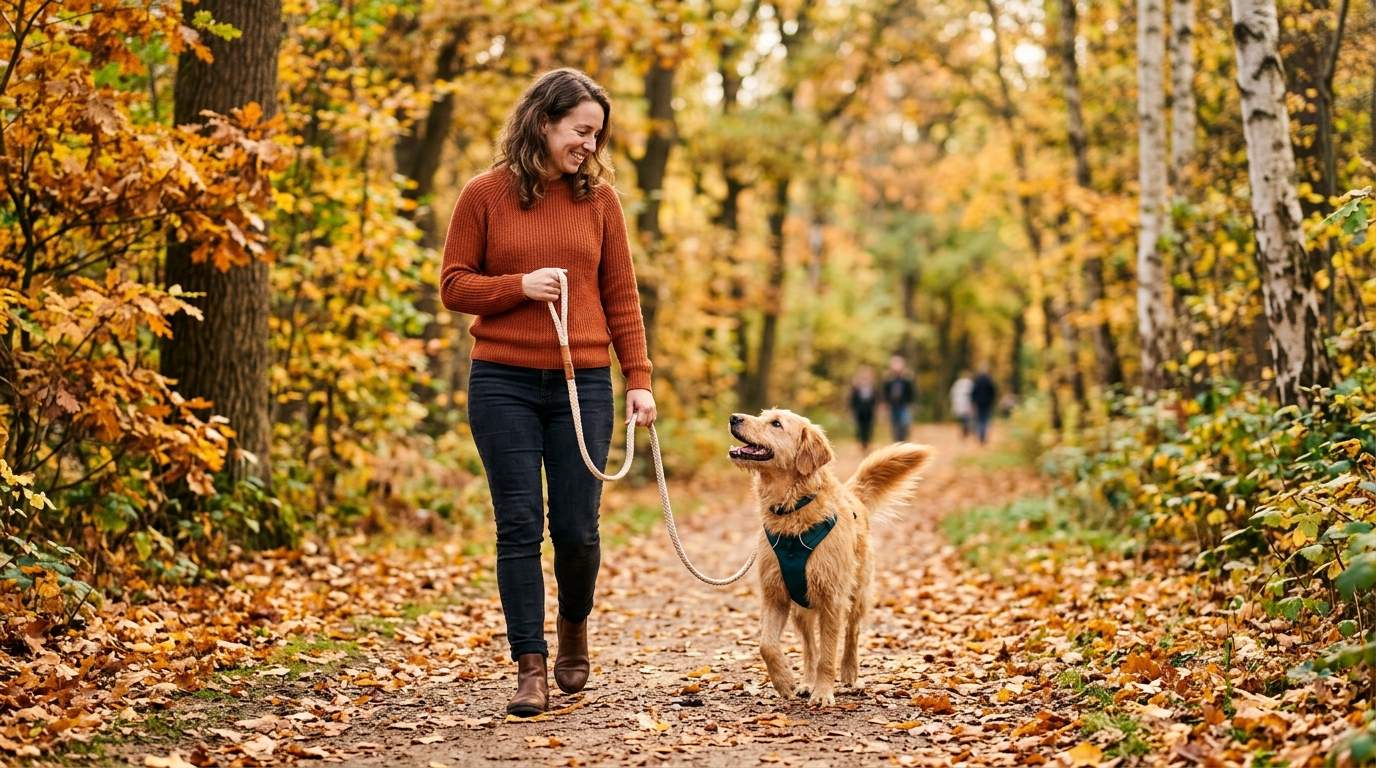
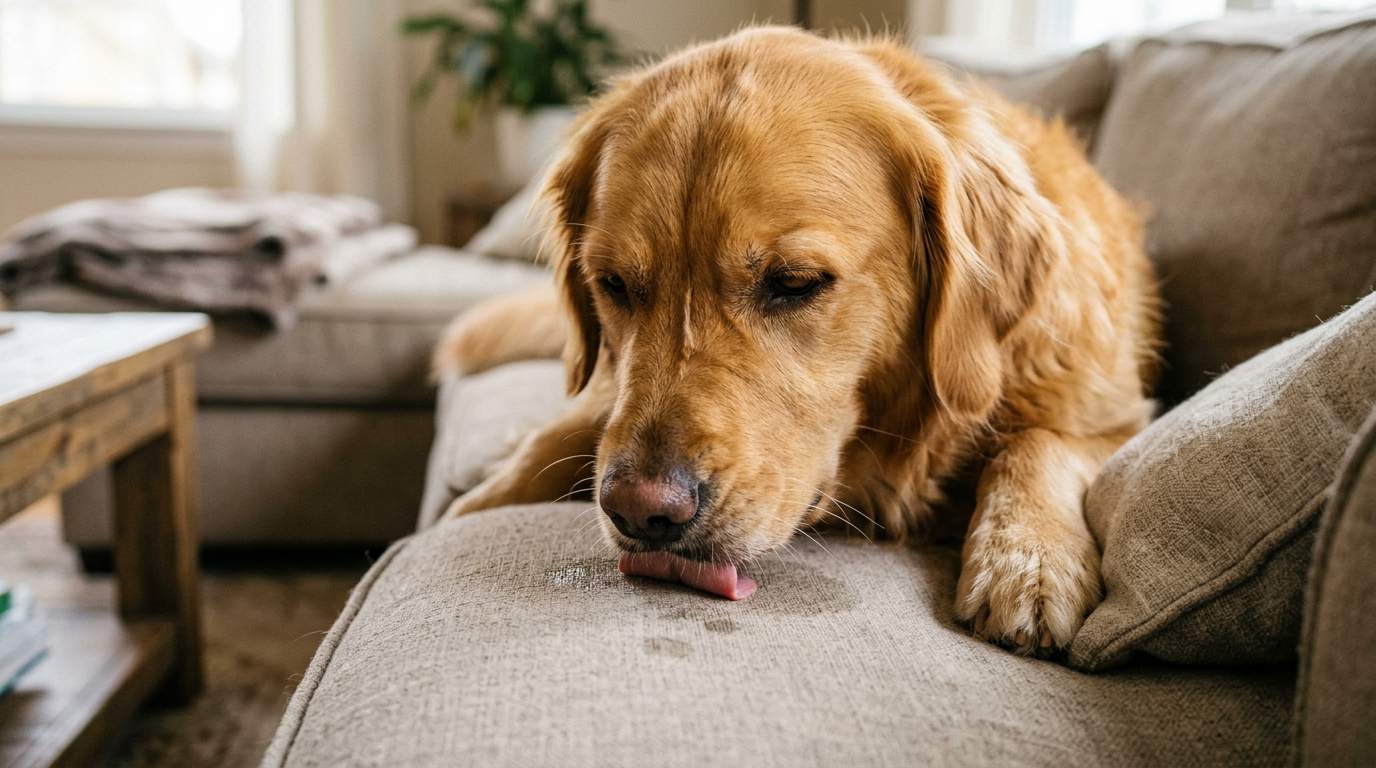
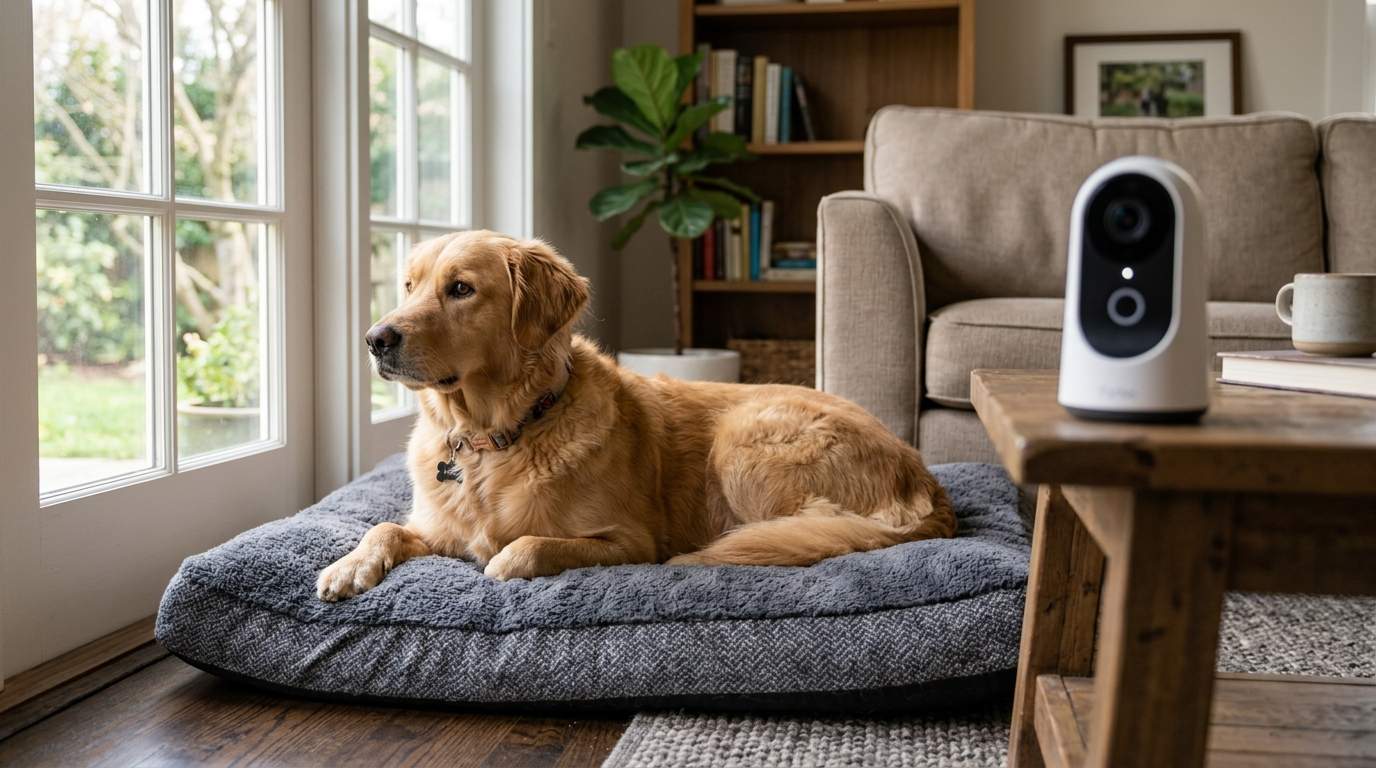
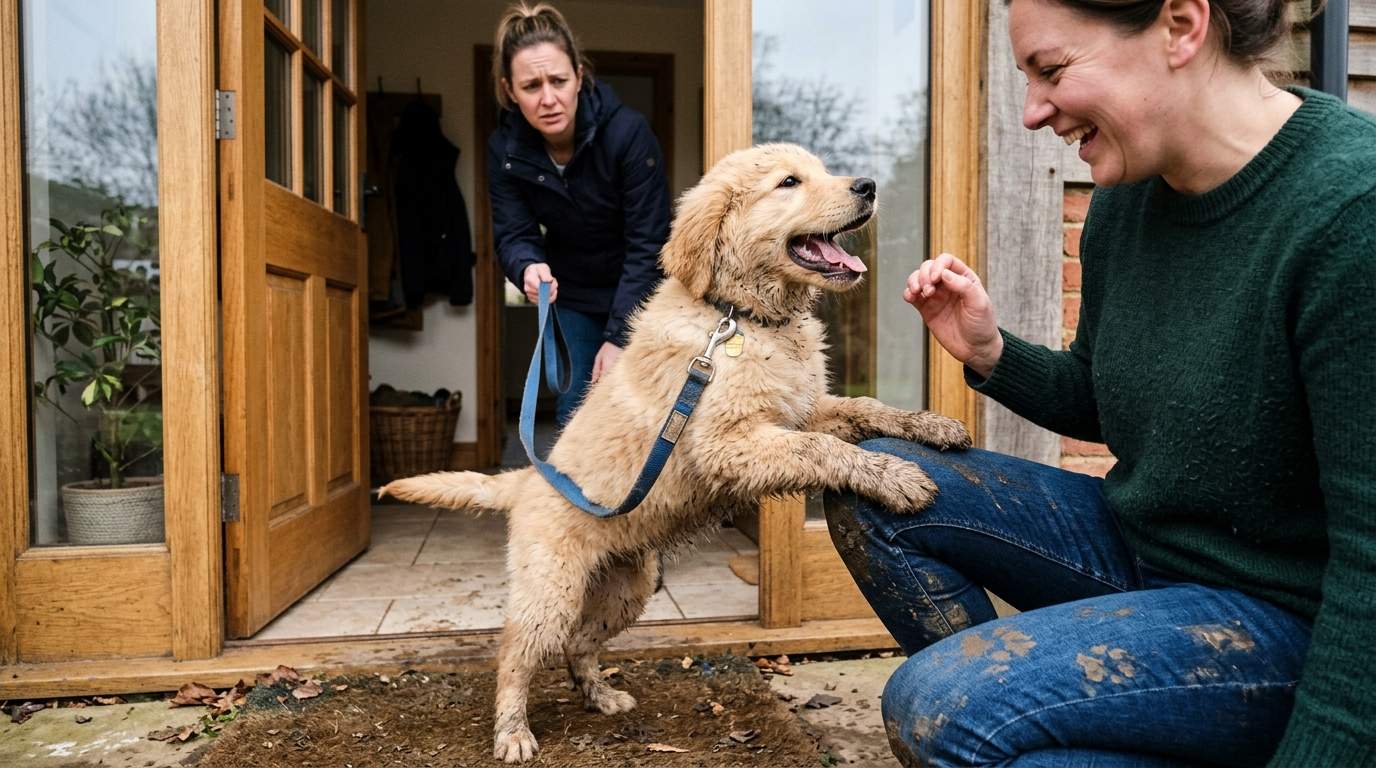
You grab the leash, and your dog’s tail wags wildly. Finally, a walk. But three steps out the door, her nose hits the pavement. And stays there. She sniffs a dried leaf, a rusty grate, a spot you see nothing on. You tug gently. She doesn’t budge. You tug again. She looks up briefly, then goes right back to sniffing.
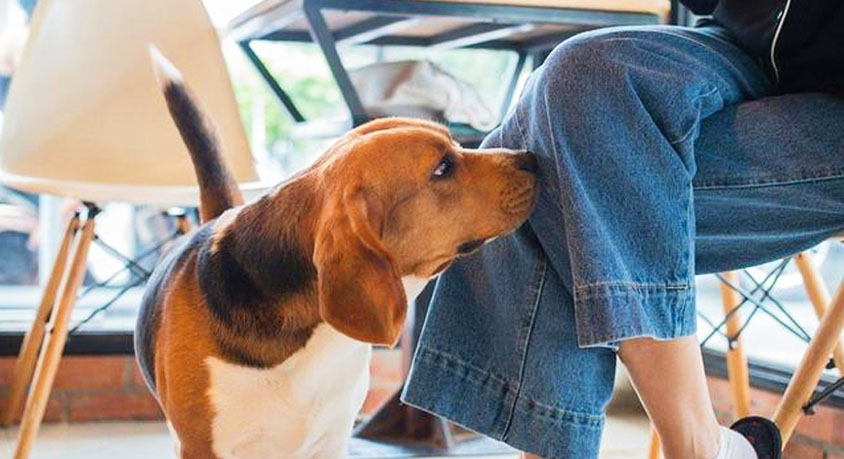
E.g. :The wet snout that roots your floor: hunger or a foraging cry?
You feel impatient. Is she ignoring you? Being stubborn?
That nose glued to the sidewalk isn’t defiance. It is your dog reading the morning news, checking neighborhood alerts, and calming her own nervous system. Let me show you what she’s really doing – and why pulling her away might be stealing something vital.
You imagined a brisk, straight-line walk. Maybe some cardio for both of you. Your dog imagined a scrolling newspaper of scents: who walked here, what they ate, if that squirrel is still angry. These two visions clash every single day in millions of homes.
The truth is uncomfortable for many owners: a “perfect loose-leash walk” with no sniffing is actually an unfulfilling walk for your dog. Dogs experience the world primarily through their noses. Their olfactory cortex is 40 times larger than ours. Forcing them to ignore that is like forcing you to walk through a museum blindfolded.
Here is a fact that challenges everything: sniffing lowers a dog’s heart rate. Studies show that allowing a dog to sniff freely during walks reduces cortisol (stress hormone) significantly. The “pull and go” walk you think is efficient may actually be elevating your dog’s anxiety. That tug on the leash? It feels like punishment for doing something natural.
One of my clients, David, had a two-year-old lab mix, Kona. Kona would plant her feet and refuse to move past a certain bush every single morning. David yanked, coaxed, even tried treats. Nothing worked. He thought Kona was being dominant or lazy.
We spent one session just standing by that bush. I asked David to count how long Kona sniffed. Forty-seven seconds. Then she lifted her head, sighed, and walked calmly beside him for the rest of the route. She wasn’t being stubborn. She was reading critical information – and once she finished that chapter, she was ready to move on.
Dog trainers now use the term “sniffari” – a walk where sniffing is the goal, not the obstacle. A fifteen-minute sniffari can be more tiring and satisfying for a high-energy dog than a one-hour forced march. Mental enrichment for dogs burns more calories than physical exercise alone because it requires intense focus.
Every sniff serves a purpose. Decoding dog body language on walks starts with watching the nose.
You don’t have to let your dog sniff every single atom. And you don’t have to turn walks into frustrating tugs-of-war. There is a middle path.
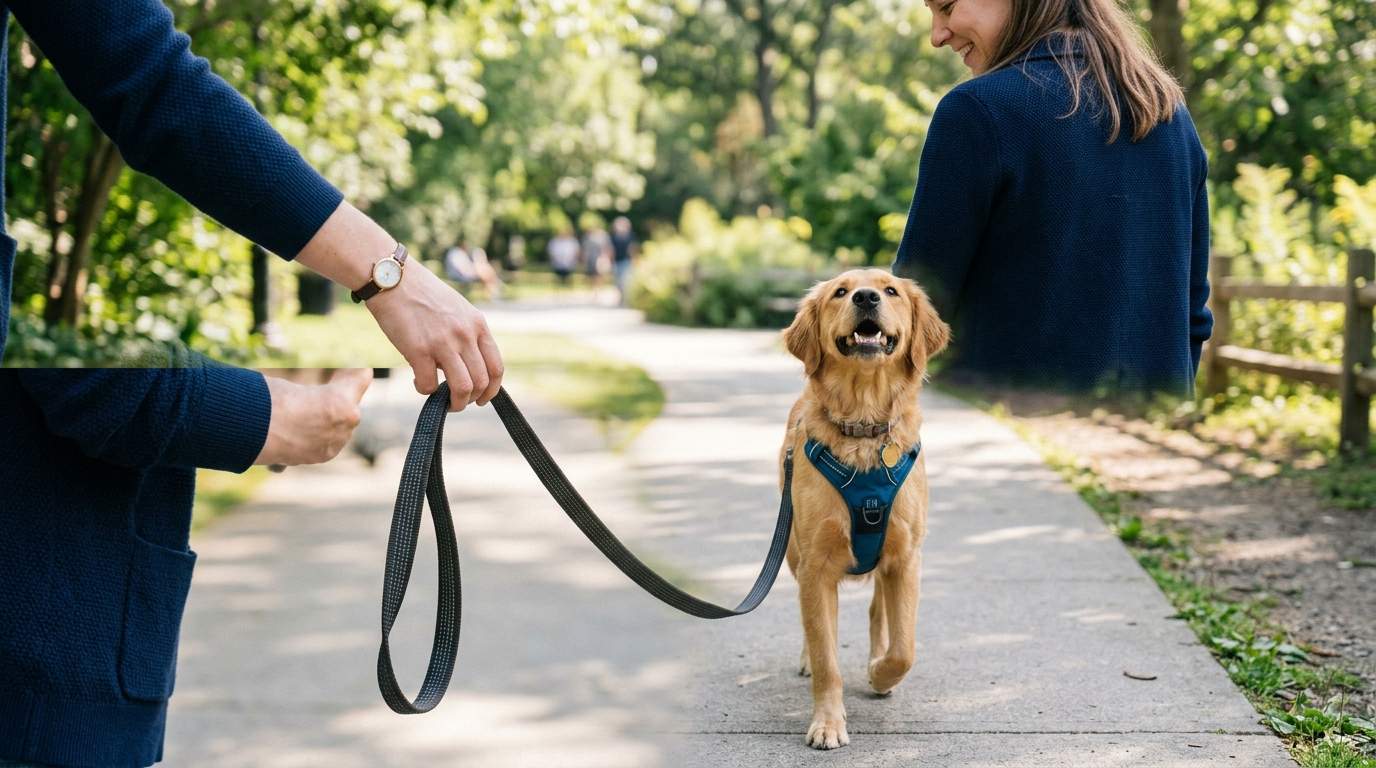
Let your dog choose the direction and sniff for the first 70% of the walk. She explores, reads her messages, empties her mental inbox. Then use a happy, neutral cue like “let’s go” and gently guide her into a heel position for the remaining 30%. Over time, she learns that sniffing time is guaranteed, so she doesn’t have to fight for it.
A long line leash (10-15 feet) in a quiet park or field allows safe sniffing while you stay comfortable. At home, a snuffle mat mimics the same foraging satisfaction before a walk – it scratches the sniffing itch so she’s slightly less intense on pavement. A lick mat after the walk seals the calming experience because licking also lowers heart rate.
Most sniffing is healthy. But sudden changes matter. If your dog starts obsessively sniffing one area for minutes without moving, or sniffs compulsively even indoors in empty rooms, consider underlying anxiety or even a medical issue like a seizure disorder. Rare, but worth a vet chat.
Healthy sniffing has a beginning, middle, and end. Unhealthy fixation is repetitive, unresponsive to your voice, and happens in barren environments. Trust your gut. You know your dog best.
David now starts every walk with Kona at the “sniff bush.” He drinks his coffee while she reads her messages. She finishes in under a minute. Then she looks up at him with soft eyes and walks beautifully by his side. He told me, “I was fighting her for forty seconds of peace every day. Now I just give her those seconds. And she gives me the rest.”
Your dog’s nose on the sidewalk is not an act of war. It is an act of wonder. Give her the space to read her world, and she will walk through yours with far more trust.