Why Your Senior Dog Stares at the Wall and the Gentle Art of Navigating the Sunset Years
- Quick Tags: Senior dog care, canine cognitive dysfunction, elderly pet health, aging dog behavior
- Editor: Chloe Jones
- Updated: Apr,21,2026
- Views: 205k

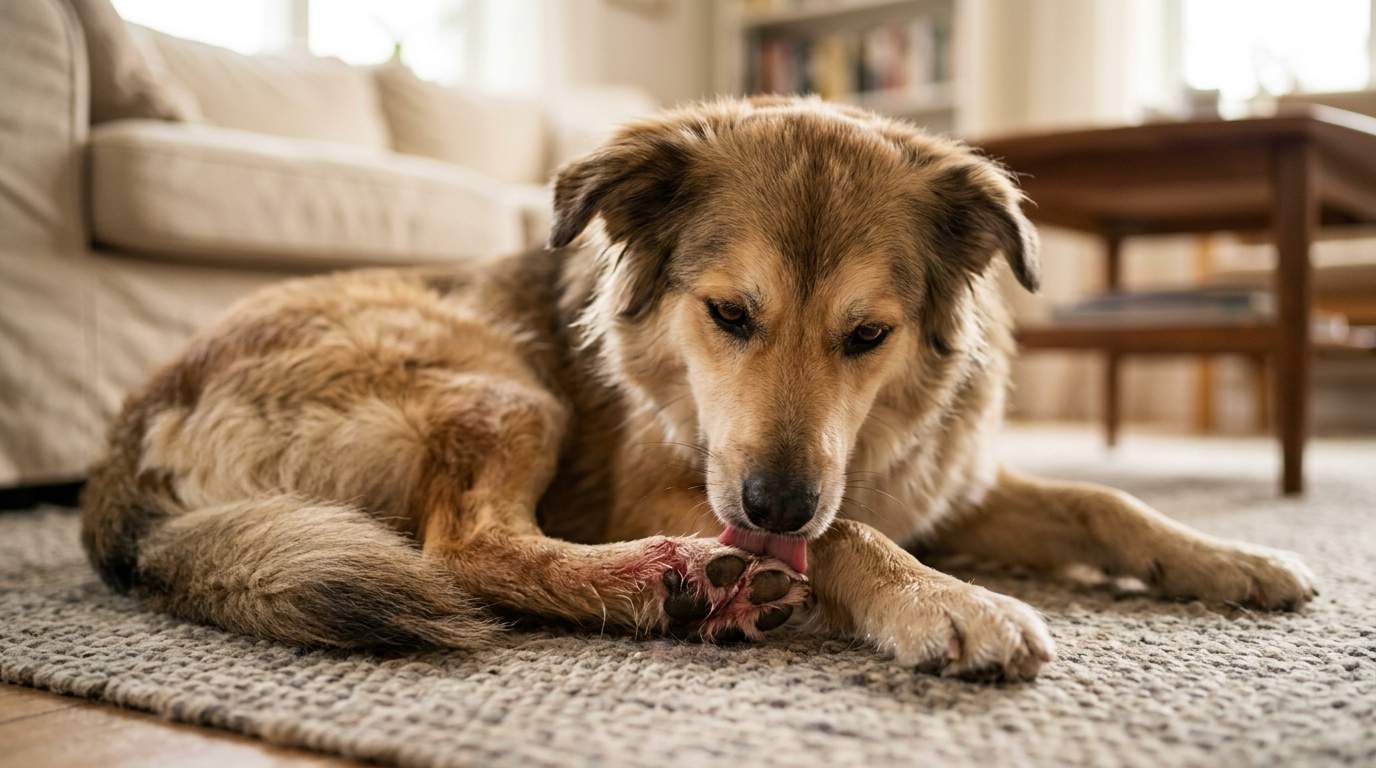
The house is quiet, the evening sun is dipping below the horizon, and you find your old friend standing in the hallway, motionless, staring intently at a blank patch of drywall. You call their name, but the tail that used to drum against the floor at the slightest whisper remains still. In that moment, a wave of quiet heartbreak hits you. Is it just "old age," or are you losing the soul behind those cloudy eyes? As someone who has spent years sitting on kitchen floors with aging dogs across three continents, I want to tell you: that blank stare isn’t an ending. It is a new, albeit quieter, chapter of your conversation together.
E.g. :Why Your Cat Meows at a Half-Full Bowl
When we talk about senior dog care, we often focus on physical slowing down—the graying muzzle or the stiff joints. However, the most profound changes often happen within the mind. Canine Cognitive Dysfunction (CCD) is frequently dismissed as "just getting old," but recognizing it early can transform your dog's quality of life. You might notice your dog getting "stuck" in corners, or perhaps they’ve started pacing restlessly at 3:00 AM. These aren't signs of stubbornness or a sudden loss of training; they are physical manifestations of a brain that is simply processing the world through a fading lens. By shifting our perspective from frustration to observation, we can provide the specialized elderly pet health support they truly need.
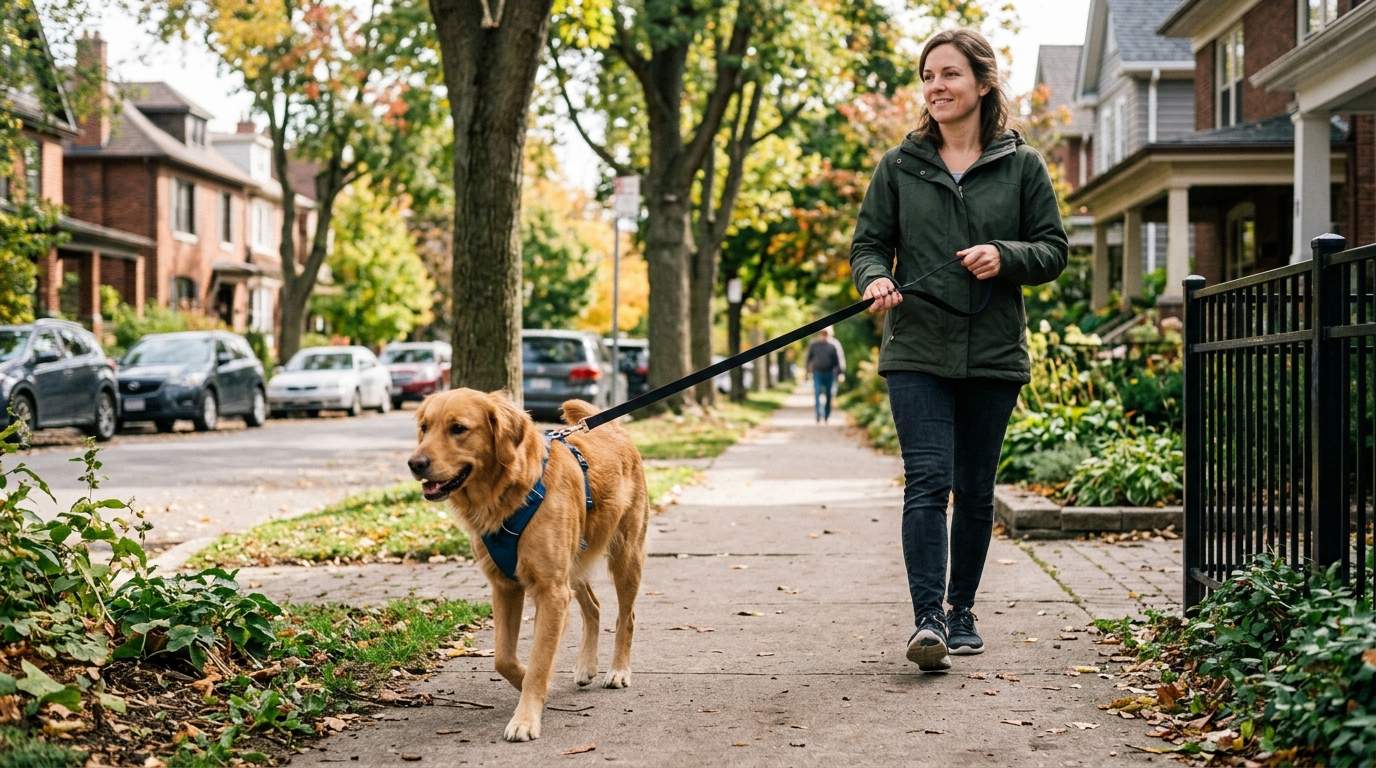
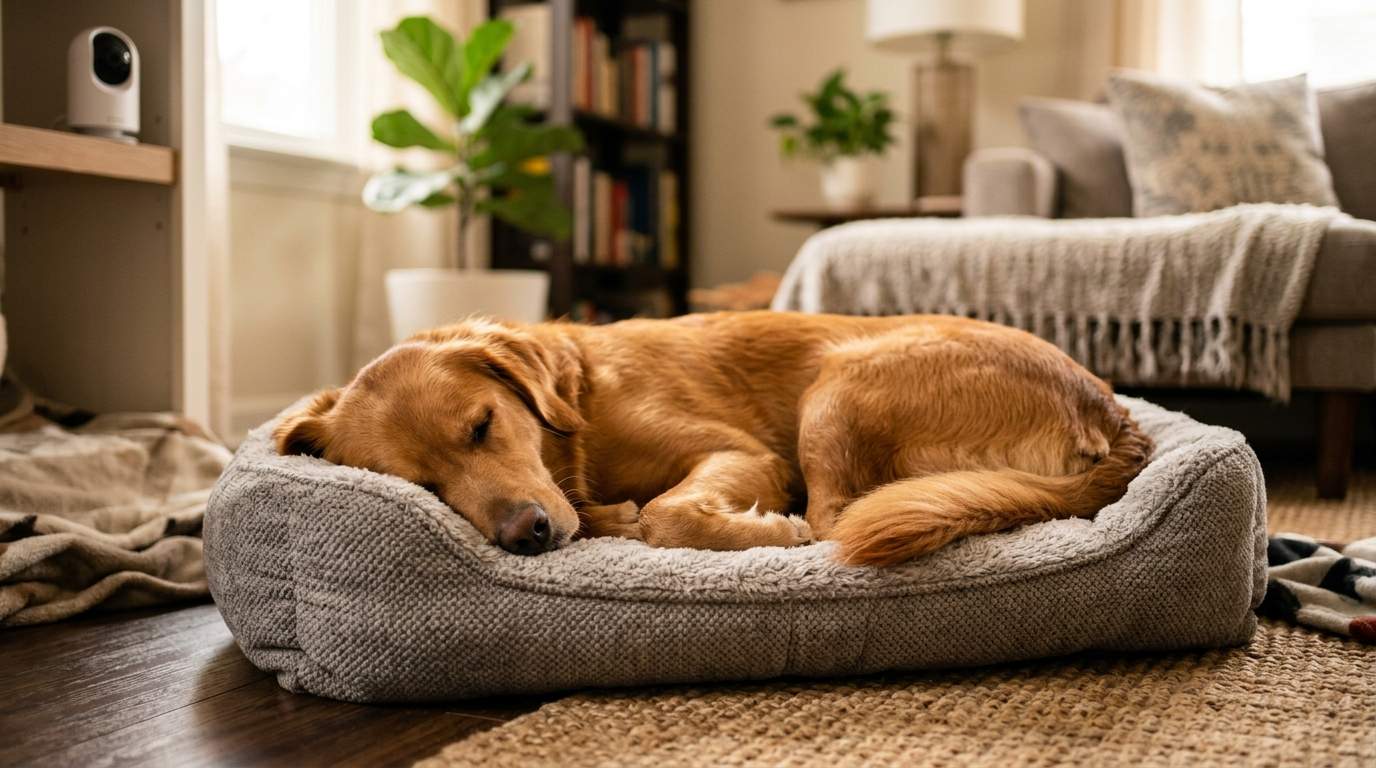
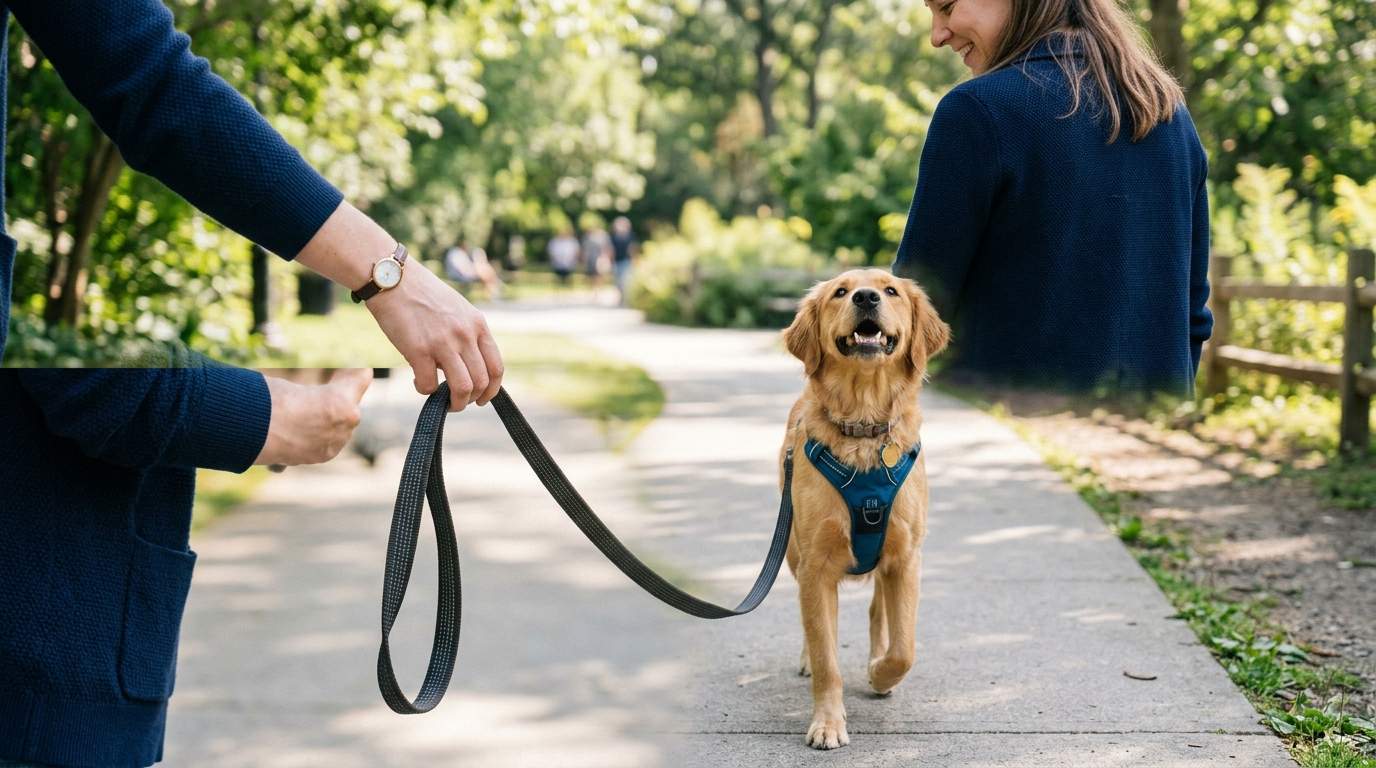
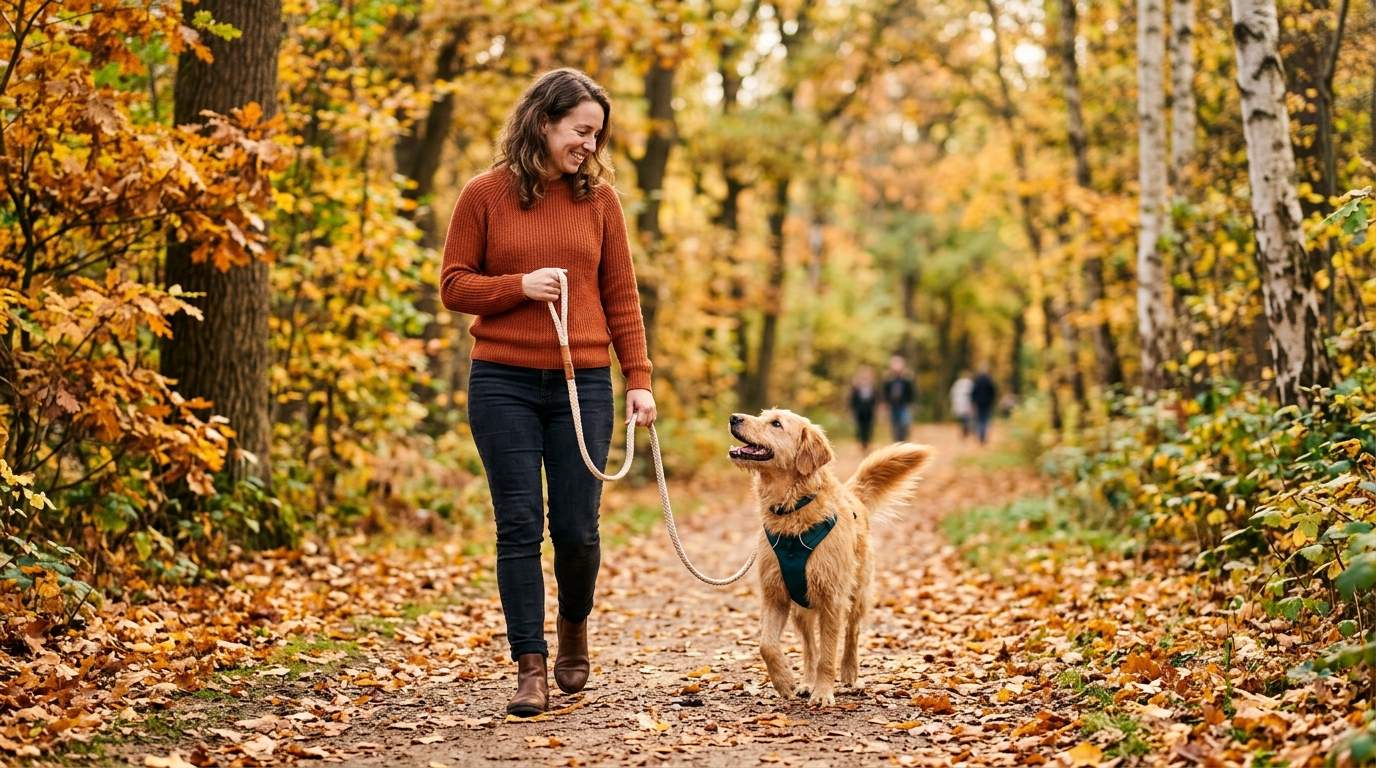
Many loving owners believe that once a dog hits their double-digit years, they should spend their days exclusively on a plush bed. However, "retirement" shouldn't mean inactivity. While we must protect their joints, a lack of mental stimulation can actually accelerate cognitive decline. Think of your dog’s brain like a muscle. If we stop challenging it, the neural pathways become dusty. Instead of five-mile hikes, we switch to "sniffaris"—short, slow walks where the goal isn't distance, but the rich sensory data found in a single blade of grass.
We often assume play is for the young, but for a senior dog, play is a vital form of cognitive therapy. Transitioning from high-impact fetch to scent-based games allows your dog to feel successful without physical strain. Hiding small, high-value treats around the living room encourages them to use their most powerful sense, keeping their mind sharp and their spirit engaged even when their legs are weary.
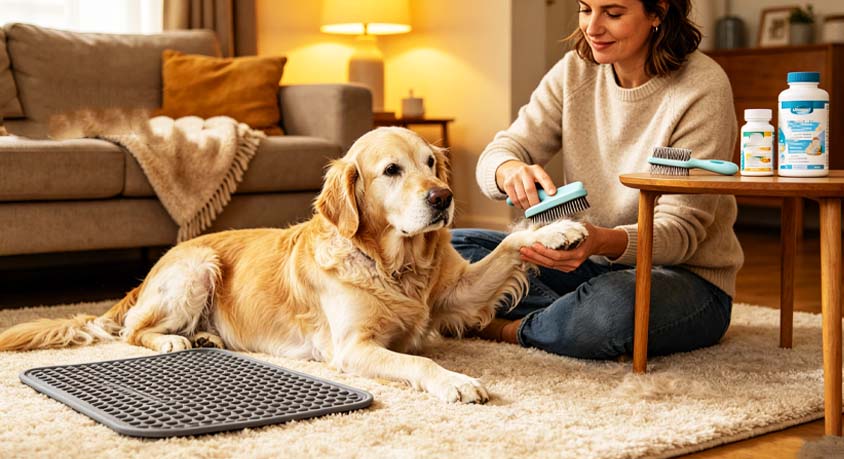
A home that felt safe for a decade can suddenly become a maze of obstacles for a senior dog. When their vision blurs or their spatial awareness falters, your furniture layout becomes their map. One of the kindest things you can do for aging dog behavior is to stop rearranging your living room. Consistency is a form of love. If your dog is slipping on hardwood floors, it isn't just a physical risk; it’s a psychological one that creates a "fear of falling," leading to increased anxiety and withdrawal.
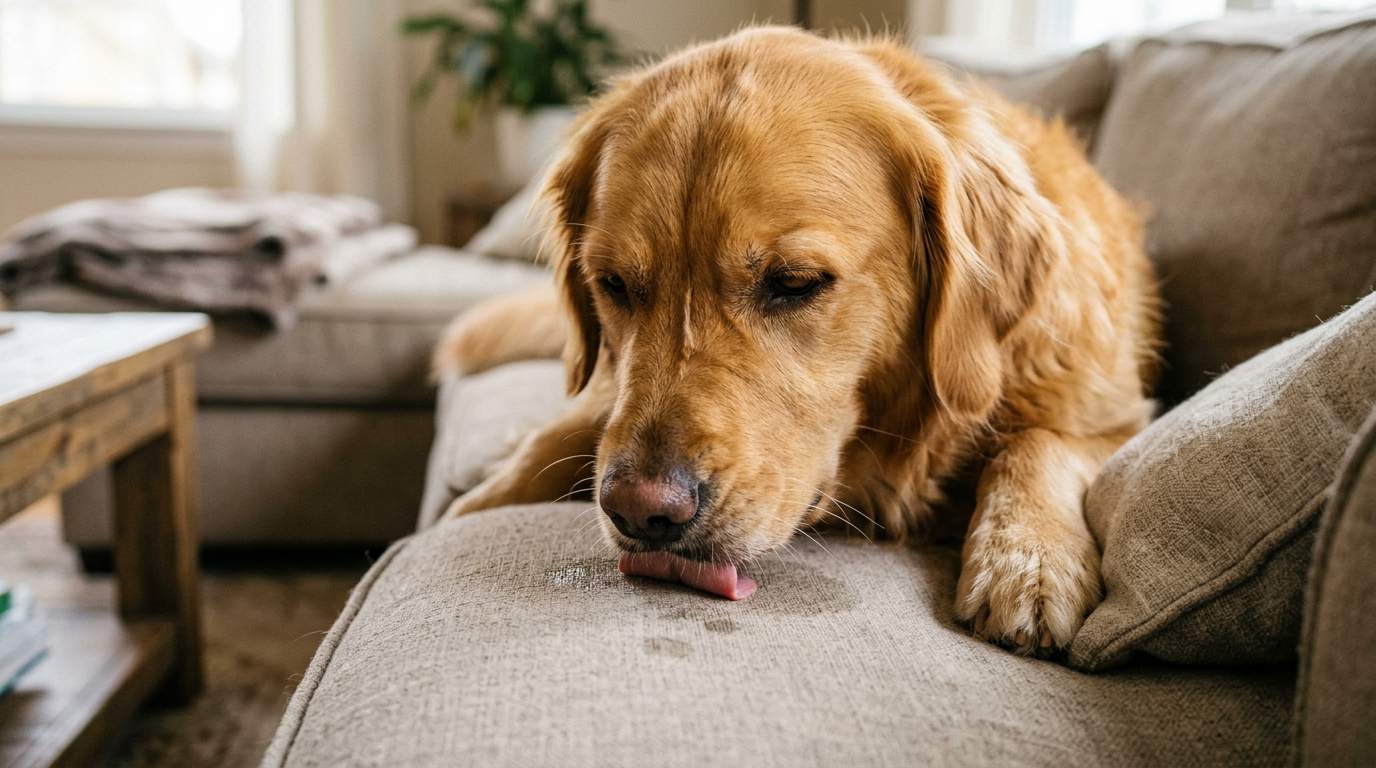
It is deeply distressing when a dog who has been perfectly house-trained for twelve years suddenly has an accident on the rug. The look of shame in their eyes often mirrors the guilt in yours. But here is a professional secret: they aren't "forgetting" their manners; often, they are losing the ability to signal their needs in time, or the signal from the brain to the bladder is simply delayed. Scolding an elderly dog for an accident is like scolding the wind for blowing. Instead, we adapt. We increase the frequency of potty breaks and use positive reinforcement—yes, even for the "basics"—to remind them they are still "good" dogs.
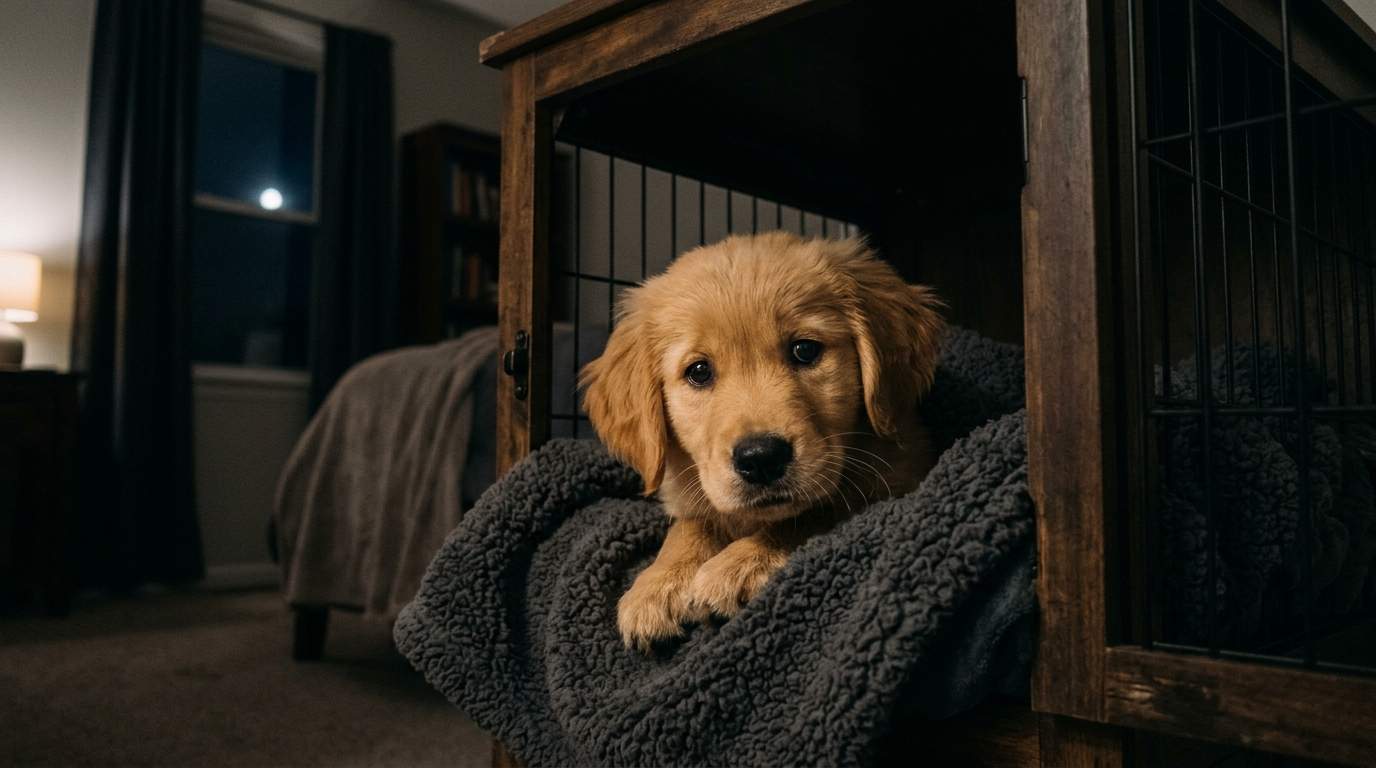
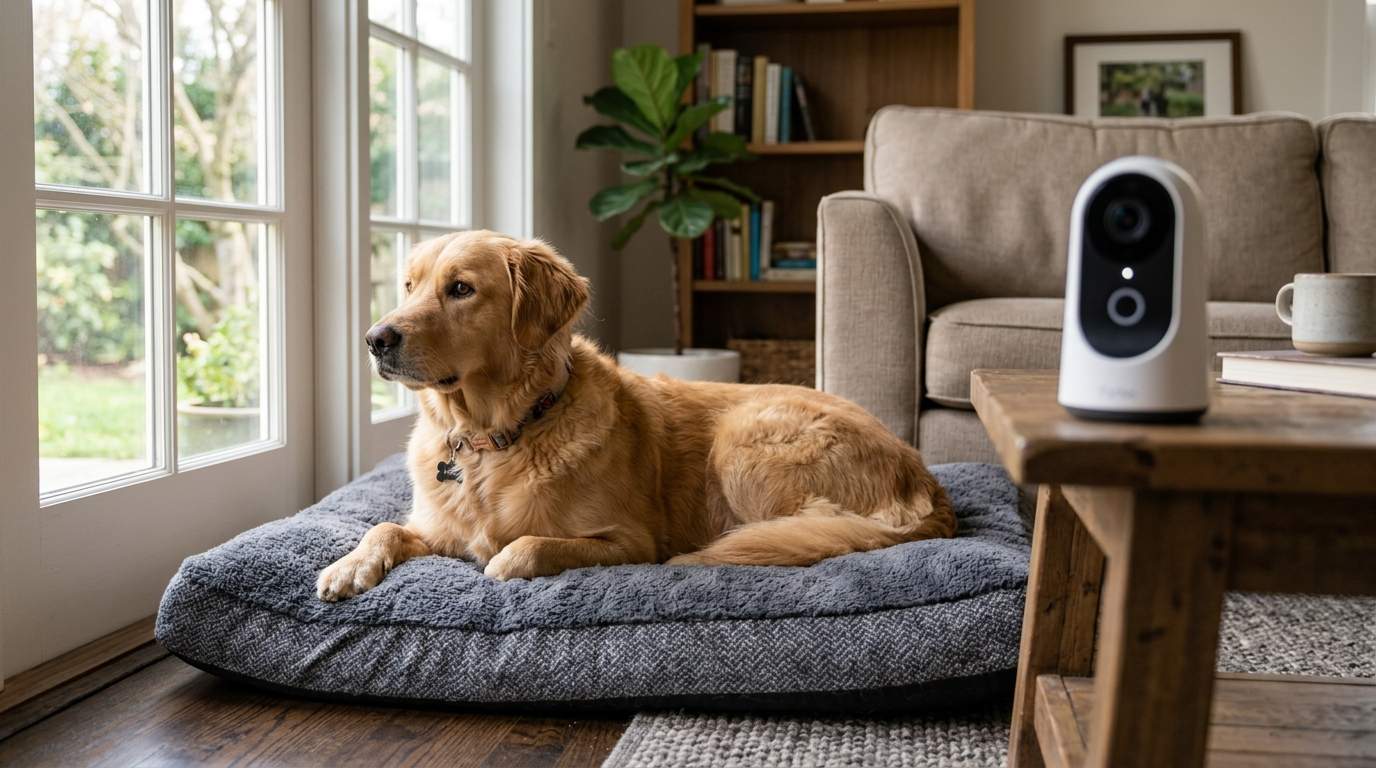
Many owners report a "sundowning" effect where their senior dog becomes agitated as darkness falls. This can stem from a mix of failing vision and a heightened need for proximity. Your dog might follow you from room to room more urgently than they did as a puppy. This "velcro" behavior is their way of seeking an anchor in an increasingly confusing world. Providing a warm, dedicated space near your bed can alleviate the nighttime anxiety that often accompanies canine cognitive dysfunction.
Caring for a senior dog is a lesson in presence. It teaches us to slow down, to breathe through the moments of confusion, and to find joy in a slow-wagging tail. Your dog doesn't need you to be a perfect medical provider; they need you to be their safe harbor. When you look at your elderly pet, don't just see the limitations. See the years of loyalty, the shared secrets, and the quiet wisdom of a life well-lived. By focusing on proactive senior dog care—from nutritional adjustments to environmental safety—you aren't just extending their life; you are honoring the beautiful, silver-streaked legacy of your friendship.