You return home after a long day, dropping your keys with a weary sigh, expecting the cinematic greeting of a companion desperate for your touch. Instead, your cat sits five feet away, stares at you with unblinking eyes, and then slowly—almost deliberately—turns their back to groom a stray paw. That hollow feeling in your chest? It’s a "micro-pain" felt by cat guardians worldwide. You wonder if they even missed you, or if the bond you’ve nurtured is entirely one-sided. As someone who has studied feline nuances from the bustling flats of Tokyo to the quiet villas of France, I’m here to tell you that this "cold shoulder" is actually a profound testament to your cat’s trust. They aren't ignoring you; they are practicing a sophisticated form of emotional regulation.
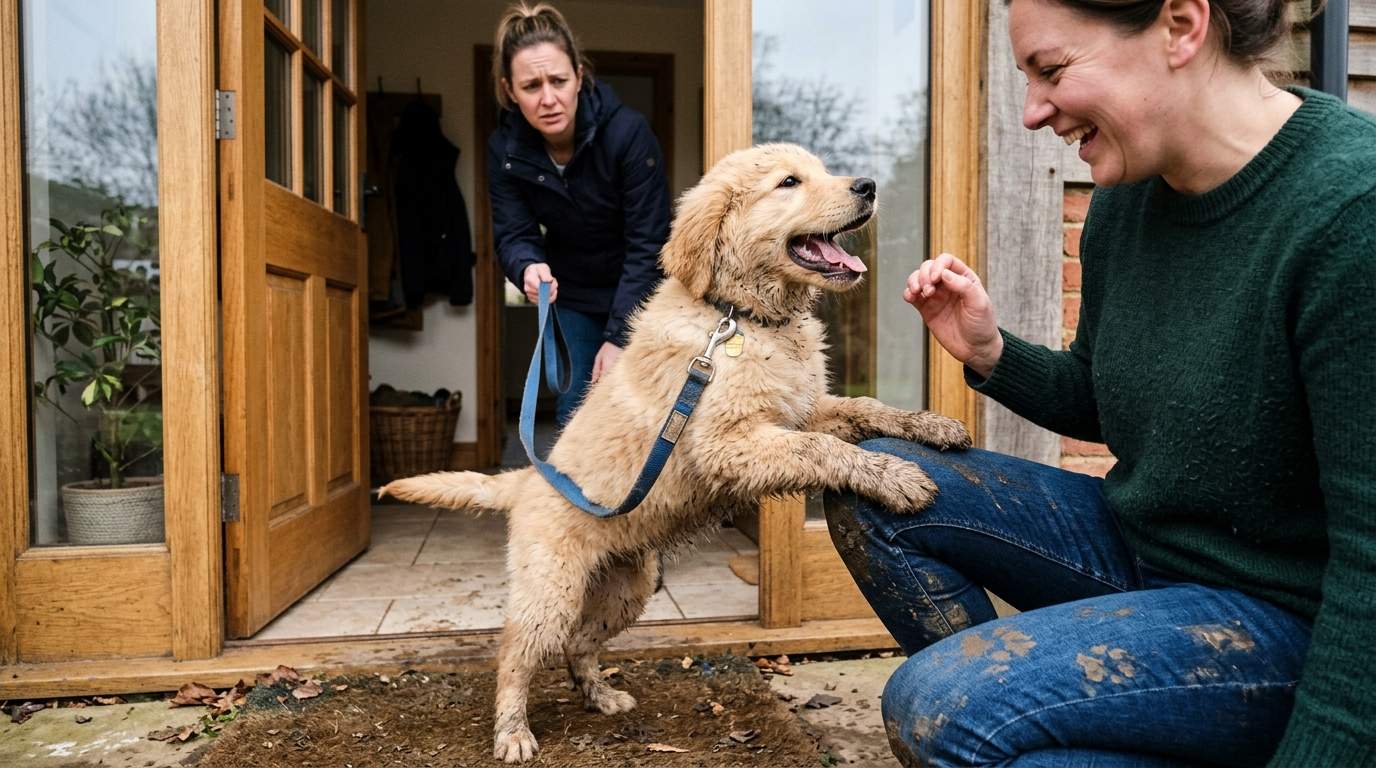
E.g. :Muddy Paws Ignore Yelps, Puppy Bounds at Guests: Outgrow or Worsen?
Decoding the Mystery of the Feline Cold Shoulder After a Long Absence
In the world of cat behavior modification, we often see owners distressed by what they perceive as feline spite. However, cats don't do "spite." When your cat turns away after you’ve been gone, they are often processing the sensory overload of your return—the smells of the outside world, the loud noise of the door, and your own high-energy longing for affection. By turning their back, they are signaling that they feel safe enough in your presence to be vulnerable. Understanding these subtle cat communication signs shifts the narrative from "my cat is aloof" to "my cat is comfortable."
Challenging the Myth That Indoor Cats Don't Experience Separation Anxiety
A common misconception in pet parenting is that cats are solitary creatures who thrive on solitude. This couldn't be further from the truth. While they don't howl like dogs, feline separation anxiety often manifests in quiet, destructive ways: over-grooming a specific patch of fur or "protest" urination on the owner's side of the bed. These aren't acts of rebellion; they are desperate attempts to merge their scent with yours to feel secure. Recognizing these signs is the first step toward a more empathetic home environment.
Why Your Arrival Routine Might Be Triggering Your Cat’s Stress
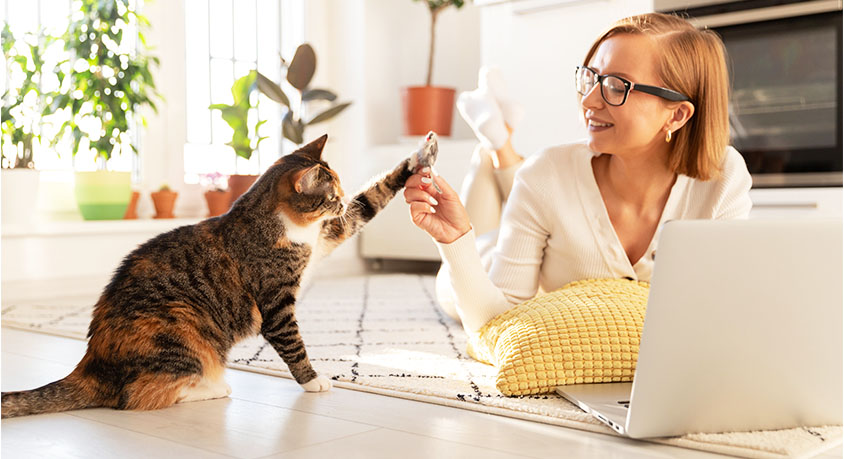
We often make the mistake of making our "hellos" and "goodbyes" too intense. If you shower your cat with frantic affection the moment you walk in, you create a spike in their cortisol levels. To help with cat behavior modification, try a "low-key" entry. Ignore them for the first five minutes while you put away your bags. This allows the energy in the room to stabilize, making the eventual interaction much more meaningful for a sensitive feline soul.
The four walls of an apartment can become a sensory desert for a predator. True indoor cat enrichment isn't just about buying more toys; it’s about verticality and "the hunt." A cat who lives only on the floor is a cat who feels small. By adding a multi-level cat tree or wall-mounted shelves, you expand their kingdom. When a cat looks down on their environment, their confidence soars, reducing territorial aggression and anxiety-driven behaviors.
The Science of Scent and How It Dictates Your Cat's Emotional Mapping
Your cat navigates the world through a complex olfactory map. When you leave, that map loses its "anchor." Utilizing a pheromone calming diffuser can provide a continuous "safety signal" in your absence. Furthermore, leaving a recently worn t-shirt in their favorite sleeping spot isn't just sentimental—it’s a clinical tool for reducing stress. Your scent acts as a biological security blanket, keeping their nervous system regulated until you return.
Why Interactive Play Is Non-Negotiable for Feline Mental Health
We often assume cats are "lazy" because they sleep 16 hours a day. In reality, many are simply bored. Traditional toys that sit motionless on the floor are "dead prey" to a cat. To truly engage their brain, use wand toys to mimic the erratic movement of a bird or mouse. This "stalk-pounce-kill-eat" cycle releases dopamine, fulfilling a biological hardwiring that no amount of kibble can satisfy.
Bridging the Gap Between Human Expectation and Feline Reality
Living with a cat is a lesson in consent and quiet observation. They don't give us the easy, wagging-tail validation of a dog, but that makes their affection all the more precious. When your cat finally decides to hop onto your lap and let out that rhythmic purr, it’s not just a habit—it’s a choice. By respecting their need for space and providing a rich, stimulating environment, you aren't just a "cat owner"; you become a partner in their mysterious, beautiful world. Lean into the silence, and you’ll find it’s filled with love.