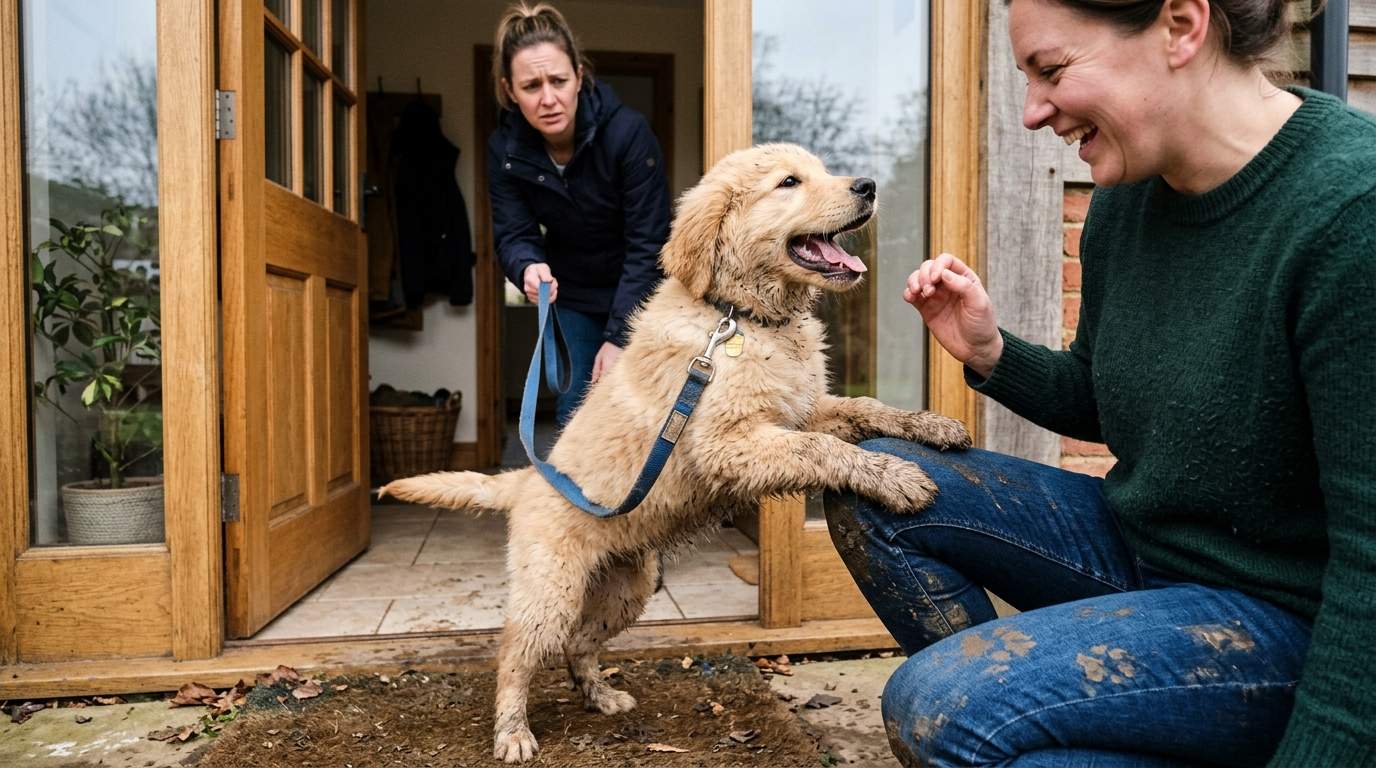
Your dog eats grass every morning then throws up. Stop calling it a cleanse.
- Quick Tags: dog eating grass, dog vomiting causes, pica in dogs, gastrointestinal issues in dogs
- Editor: Editorial Team
- Updated: Jun,09,2026
- Views: 228.4k







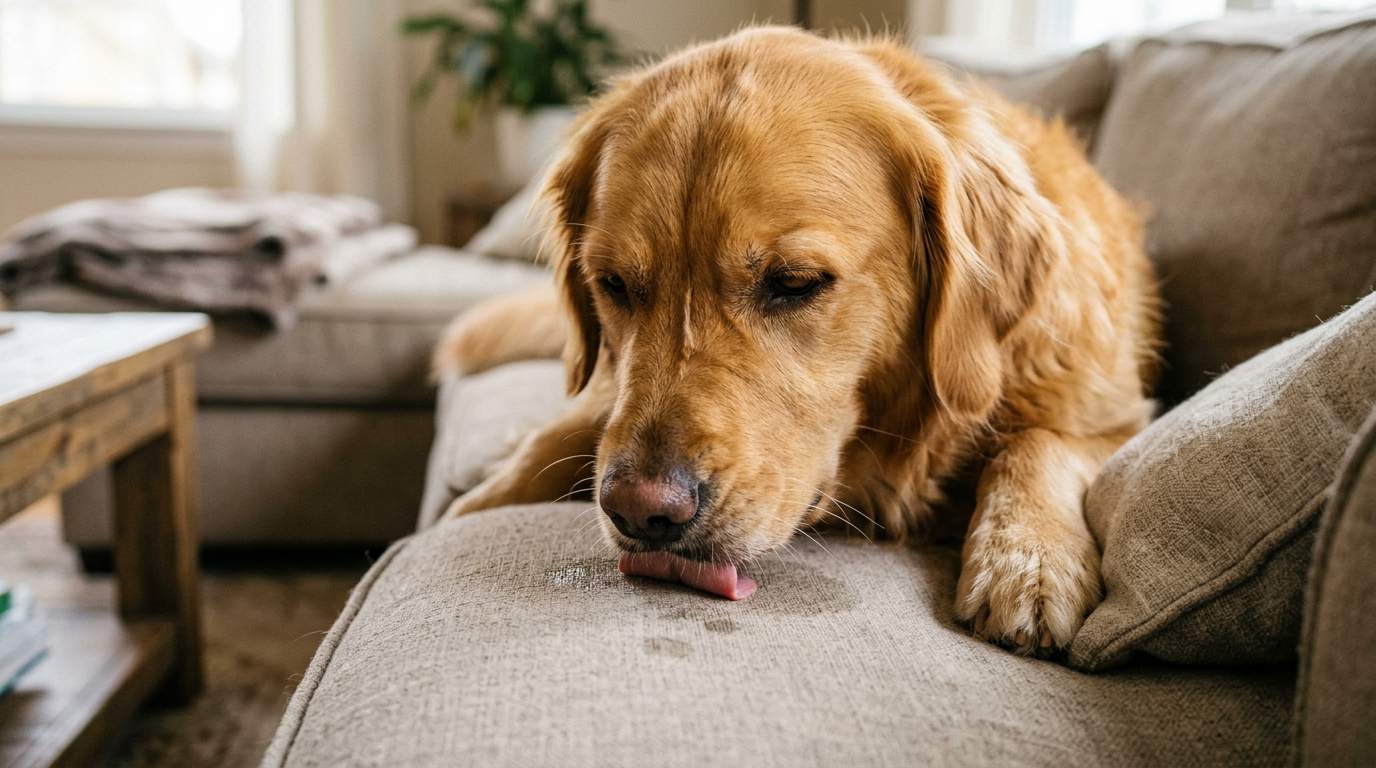

You let your dog out into the yard. He heads straight for the lawn. Chomp, chomp, swallow. Five minutes later, he vomits yellow bile and grass onto your kitchen floor. You pat his back and think: he knows what his body needs. A natural cleanse.
E.g. :A cat purring on the vet's table – not contentment but a cry for help.
That belief is costing you money and masking real problems.
Dogs eat grass for many reasons. A true “cleanse” is not one of them. Grass has no nutritional value for canines. Most grass-eating episodes end without vomiting. When vomiting happens regularly, something else is going on.
The most common hidden cause: chronic acid reflux or bilious vomiting syndrome. Your dog’s stomach is empty and irritated. He eats grass because the texture triggers the gag reflex, and vomiting relieves the acid buildup. The grass is not the cure. It is the symptom of a stomach that hurts on an empty schedule.
One of my clients, Maya, had a lab mix, Gus, who vomited grass every single morning like clockwork. She thought it was normal. We shifted Gus’s dinner later – 9 PM instead of 6 PM – and added a small bedtime snack (a tablespoon of pumpkin). The morning vomiting stopped within three days. Gus was not cleansing. He was hungry and acidic.
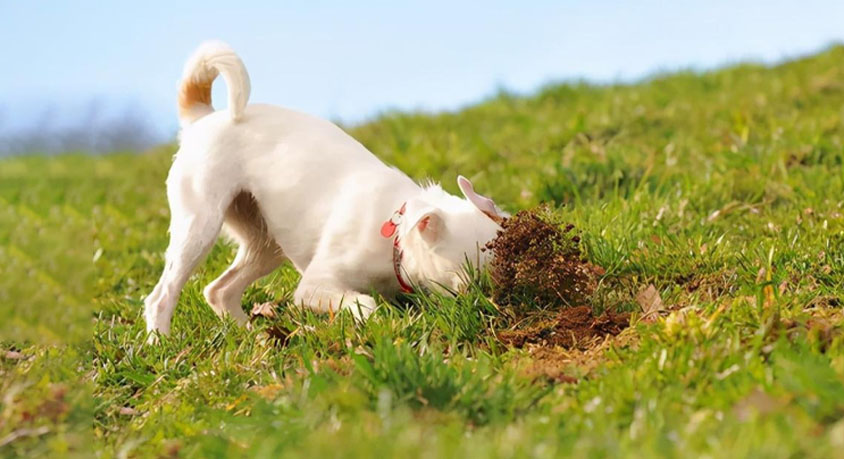
Survivorship bias: you remember the dogs who ate grass and lived to 15. You forget the dogs who ate grass because they had undiagnosed inflammatory bowel disease or pancreatic insufficiency. Those dogs died younger, and no one connected the grass.
A 2021 study found that dogs who frequently eat grass and vomit are more likely to have underlying gastrointestinal disease than dogs who do not. The grass is not the problem. It is the canary.
If your dog eats grass and vomits more than twice a week, try a highly digestible diet (low-fat, single protein) and a digestive enzyme supplement for two weeks. If the behavior stops, you had a malabsorption issue. If it continues, your vet needs to run bloodwork and a GI panel. The cost of the bloodwork ($200-400) is cheaper than years of chronic inflammation and emergency blockage surgery from eating something worse than grass.
A dog with undiagnosed exocrine pancreatic insufficiency (EPI) eats grass, vomits, loses weight slowly. Owners often wait months before testing. By then, the dog has lost 20% of body weight. Treatment (enzymes with every meal) costs about $60/month for life. It works beautifully. But those months of waiting cost you wasted food, ruined carpets, and a dog who suffered silently.
Compare that to a one-time blood test. The ROI on diagnosis is measured in years of comfortable, vomit-free mornings. That is a return no investment advisor can promise.
For dogs who eat grass without vomiting (just grazing), they may be seeking fiber or moisture. Add a fiber supplement (psyllium husk) to meals and provide a slow feeder bowl to extend eating time. Many grass-eaters stop completely within a week. If they do not, check for anemia – pica (eating non-food items) is a classic sign of iron deficiency in dogs.
Lawn chemicals, fertilized grass, or toxic plants mixed in (lilies, azaleas) turn a harmless behavior into a poisoning risk. If your dog eats grass and then develops tremors, drooling, or bloody diarrhea, that is an emergency. The treatment cost for herbicide poisoning can exceed $2,000. Prevention is free: a leash walk away from treated lawns.
Maya now watches Gus sniff the grass but not eat it. His morning routine includes a late-night snack and an elevated slow feeder. He has not vomited in eight months. She told me, “I spent two years cleaning up grass puke thinking it was natural. It was just a hungry stomach I never thought to feed later.”
Your dog’s grass-eating and vomiting is not a detox. It is a digestive diary written in bile and blades. Read it. Adjust the dinner time. Run the blood test. A stomach that keeps its food is worth more than any lawn.