When hermit crab drags a painted shell: a home or a poisoned prison?
- Quick Tags: hermit crab shell change, painted shell danger, pet hermit crab care, crab stress signs
- Editor: Chloe Jones
- Updated: Jun,11,2026
- Views: 253.2k



You buy a bright painted shell for your hermit crab, Noodle. He moves in immediately. “He loves it,” you smile.
E.g. :Why Your Dog Still Pulls: Is the Leash Itself Teaching Tugging?
Two months later, Noodle stops eating. He digs constantly. He leaves his shell, walks naked, then crawls back in. That colorful home now looks like a cage he cannot escape.
Hermit crabs breathe through modified gills. Painted shells trap moisture and release toxic fumes from paint chemicals. Crabs wear them because no natural shell is available. They do not choose color. They choose survival.
One client’s hermit crab wore a painted shell for six months. He stopped moving. After switching to a natural turbo shell, the crab walked and ate within a day.
Not every painted shell causes instant illness. These signs mean swap now.
Noodle digs holes repeatedly but never settles. He is searching for humidity. Painted shells dry out faster. Increase tank humidity to 80% and offer natural shells.
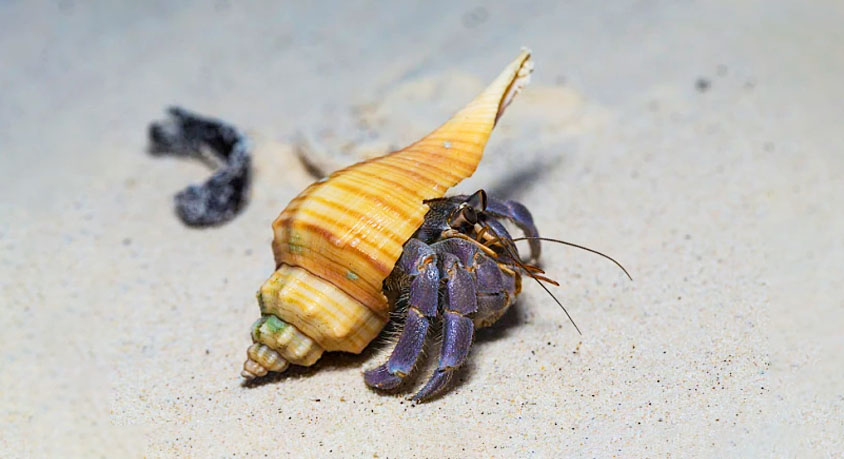
Noodle chews paint chips or his own shell opening. He is desperate for calcium and trying to remove the coating. Provide cuttlebone and immediately swap the shell.
You find Noodle naked in the tank. He left his shell to dry out or escape fumes. A naked crab is an emergency. Rinse a natural shell with dechlorinated water and guide him back gently.
A healthy crab changes shells occasionally to size up. A stressed crab changes shells constantly or refuses any shell.
Offer three natural shells slightly larger and smaller than Noodle’s current one. If he tries them all but returns to the painted one, he has no better option. Remove the painted shell entirely overnight.
You cannot force a crab to change shells. You create conditions where change feels safe.
Place a plastic box with damp sphagnum moss and five natural shells inside the tank. High humidity loosens the crab’s abdomen from the old shell. Many crabs swap within 48 hours.
Sprinkle calcium powder on food for a week. A crab with strong exoskeleton feels confident enough to risk a shell change.
Some crabs refuse all shells because of medical issues.
Noodle lies limp outside any shell. He may have gill damage from long-term paint exposure. A vet can assess.
Noodle dropped a claw or leg. He cannot grip a new shell. Isolate him in shallow water and offer small, lightweight shells only.
I worked with a hermit crab named Mango who wore a neon green shell for two years. His owner did not know better. After adding five natural shells, Mango swapped within three days. His activity doubled.
“I thought bright meant happy,” the owner said. “He was just surviving.”
Tonight, when your hermit crab hides in his painted shell, do not admire the color. Tap the shell. If no leg comes out, the paint has already won. Offer a natural one. That dull brown spiral is not boring. It is breathable. And breathable is the only beauty a crab ever needed.