When your rabbit grinds its teeth: pure bliss or a silent scream?
- Quick Tags: rabbit teeth grinding, rabbit pain signs, lagomorph health, subtle illness symptoms
- Editor: Chloe Jones
- Updated: Apr,25,2026
- Views: 256.3k





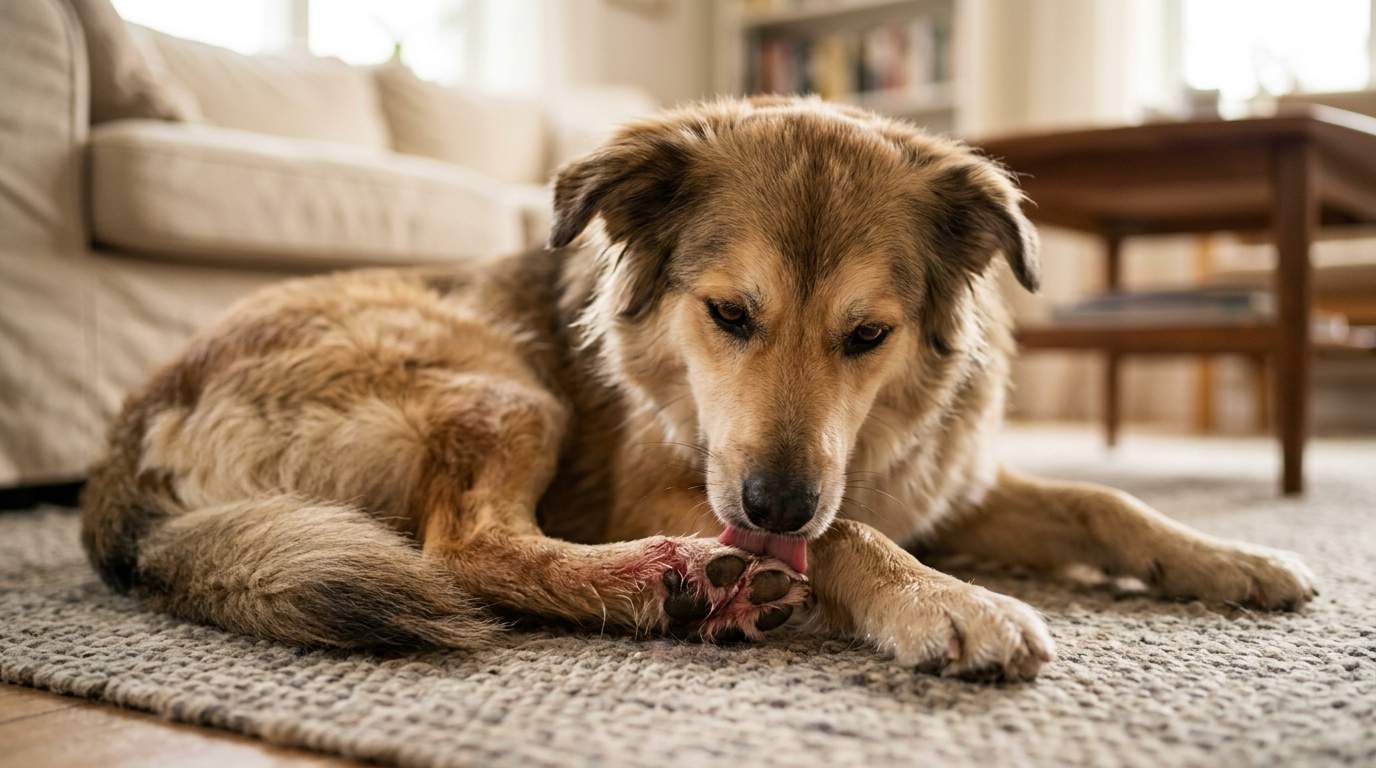

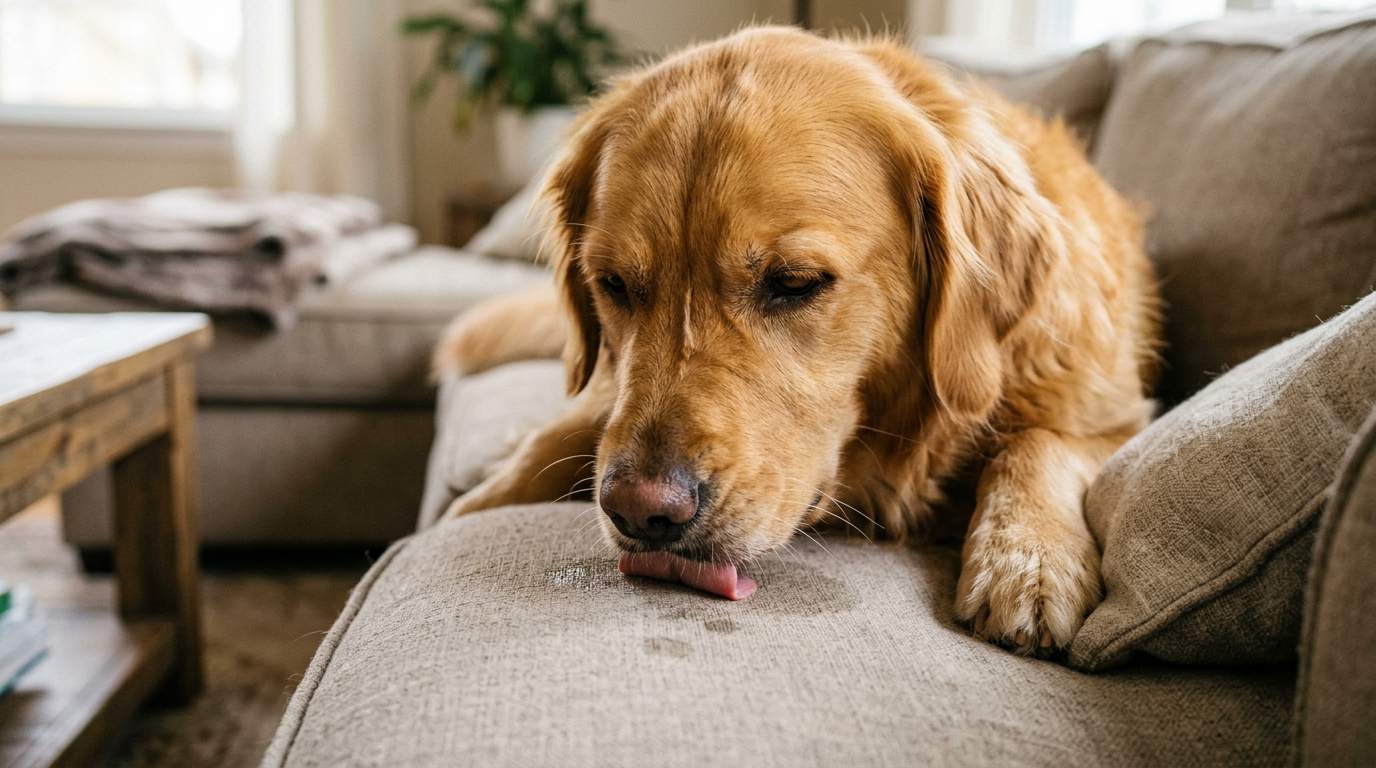

You’re sitting on the floor, gently stroking your rabbit, Mochi. Her eyes are half-closed. Her body feels soft and relaxed. Then you hear it – a quiet, rhythmic grinding sound. Like tiny stones rubbing together. “Aww,” you smile, “she’s purring. She’s so happy.”
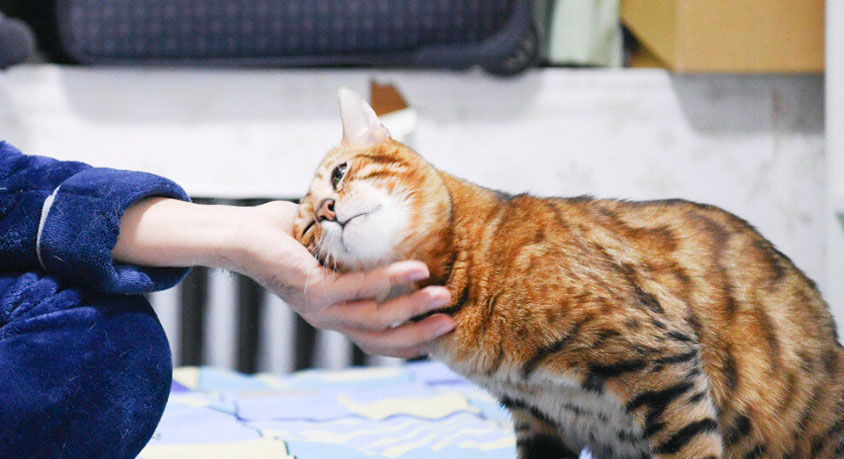
E.g. :A cat purring on the vet's table – not contentment but a cry for help.
You feel warm and reassured.
But the next morning, Mochi refuses her breakfast. She sits hunched in the corner, ears flat, eyes dull. And you suddenly remember that grinding sound. Was that happiness? Or was she trying to tell me something else?
Here is the truth that rabbit owners rarely learn in time: that gentle tooth grinding can be either a cat’s purr or a human’s groan. And misreading it is one of the most common reasons rabbits arrive at the emergency clinic too late.
Rabbits have open-rooted teeth that grow constantly. Grinding wears them down. But context changes everything.
When a rabbit is deeply content – being petted, lying sprawled out, eyes slowly closing – she may produce a very soft, intermittent grinding sound. It is quiet, almost like a whisper. This is genuine pleasure. It often comes with a relaxed, pancaked body and ears resting gently backward.
Painful grinding is different. It is louder, more insistent, and constant. The rabbit’s body is tense – hunched, unwilling to move, ears pinned tight to the back or held in a stiff “V.” This grinding means one thing: severe discomfort. Common causes include dental disease (spurs cutting the tongue), gastrointestinal stasis (bloating and gas pain), or bladder stones.
One of my clients heard her bunny grinding loudly at 2 AM. She thought it was “happy purring” and went back to sleep. By morning, the rabbit was in shock from a twisted gut. He survived, but only after emergency surgery and a $3,000 bill.
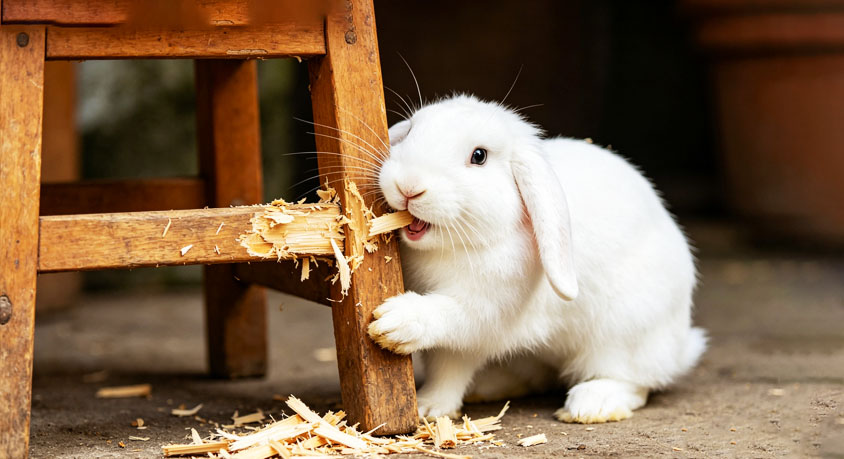
Like parrots, rabbits are prey animals. A rabbit in the wild that shows pain becomes a target. So they learn to mask suffering until they are critically ill. By the time a rabbit stops eating completely, she has often been in pain for 12–24 hours.
Whenever you hear grinding, look at your rabbit’s body. Ask yourself:
A happy rabbit will usually stay still or lean into your hand. A pained rabbit will often shift her weight, grind louder, or press her belly to the floor.
You hear loud, fast grinding. Your rabbit is hunched. She hasn’t touched her hay in hours. Do not wait until morning.
First, offer fresh hay and a small amount of water with a drop of apple juice (to encourage drinking). Second, gently feel her belly – if it feels hard or distended like a drum, do not massage. Massaging a gas-filled gut can rupture it. Instead, keep her warm with a fleece hideaway and call an exotic vet immediately.
“My rabbit has been grinding her teeth loudly for X hours. She is hunched, not eating, and her belly feels [soft/hard]. I suspect GI stasis or dental pain.” Never say “she seems fine except for the grinding.” The grinding is the symptom.
Most painful grinding comes from preventable issues. Two simple routines save lives.
Hay (timothy, orchard, or meadow) grinds down molars naturally. A rabbit who eats mostly pellets or veggies will develop sharp dental spurs. Those spurs cut the tongue and cheeks – and cause that loud, painful grinding. Hay should be 80% of her diet.
GI stasis is the number one killer of pet rabbits. Check your rabbit’s fecal pellets every morning. They should be round, dry, and uniform. Small, misshapen, or stringy pellets are an early warning – often days before grinding starts. If you see abnormal poop, reduce treats, encourage movement, and call your vet.
That grinding sound is not a mystery. It is a sentence. The only question is whether it reads “I am content” or “I am hurting.” And the answer is never in the sound alone – it is in the posture, the poop, the hay pile, and the eyes.
Next time Mochi grinds her teeth, don’t just smile. Watch her body. Feel her belly. Count her poops. And if that grinding feels too loud, too constant, or just… wrong – let it be the reason you call the vet.
Because a rabbit’s purr and a rabbit’s scream can sound almost identical. The difference is measured in the seconds you choose to look closer.