When your dog plants his feet and refuses to move – don't call it stubborn.
- Quick Tags: dog refusing to walk, leash pulling solutions, dog pain signals, fear in dogs
- Editor: Chloe Jones
- Updated: May,05,2026
- Views: 211.6k

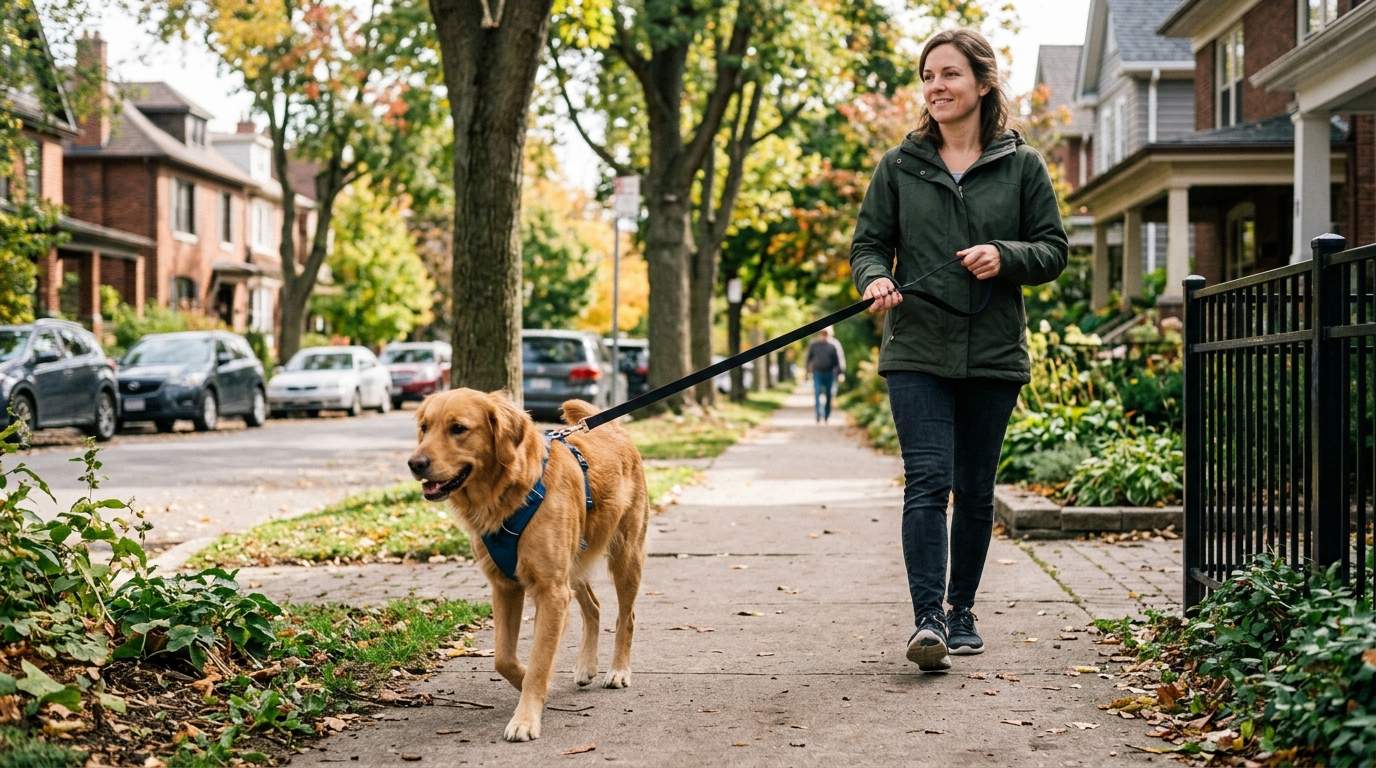

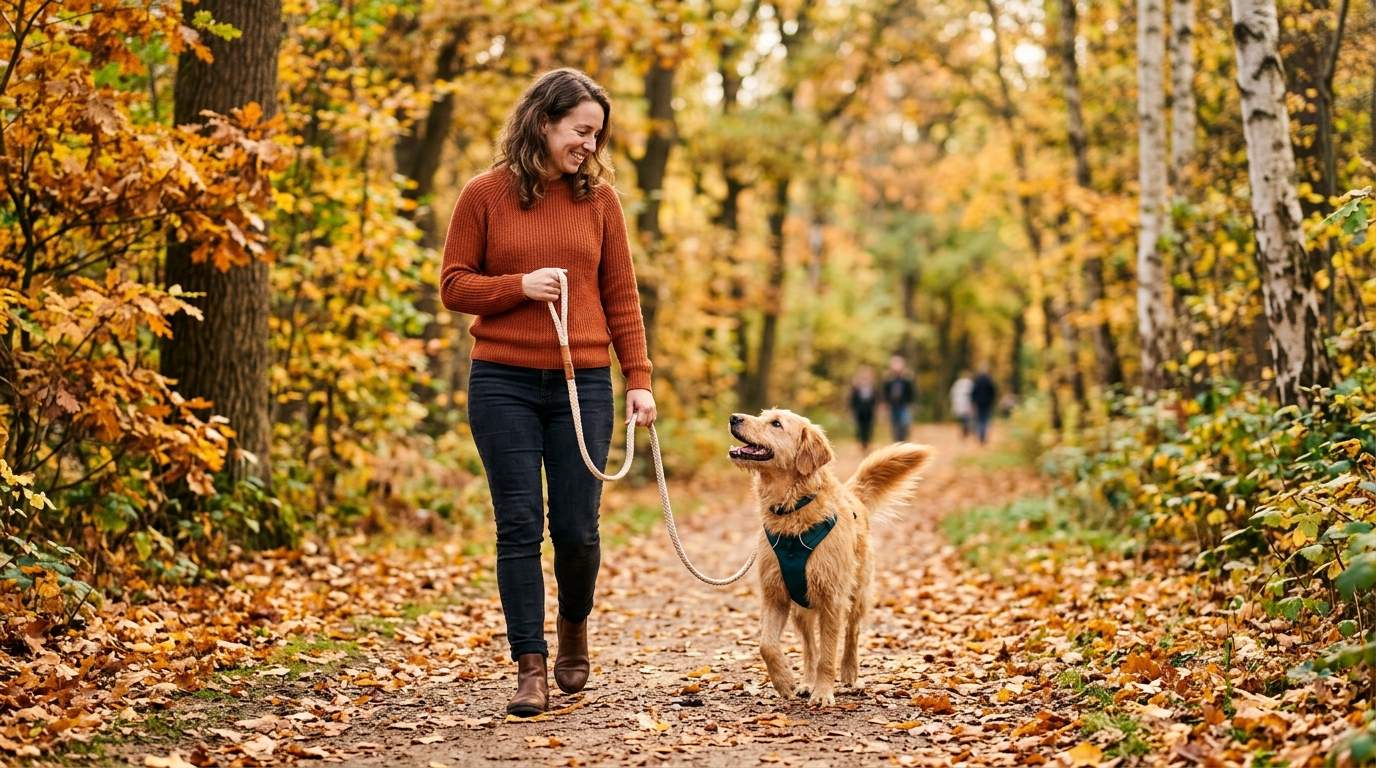
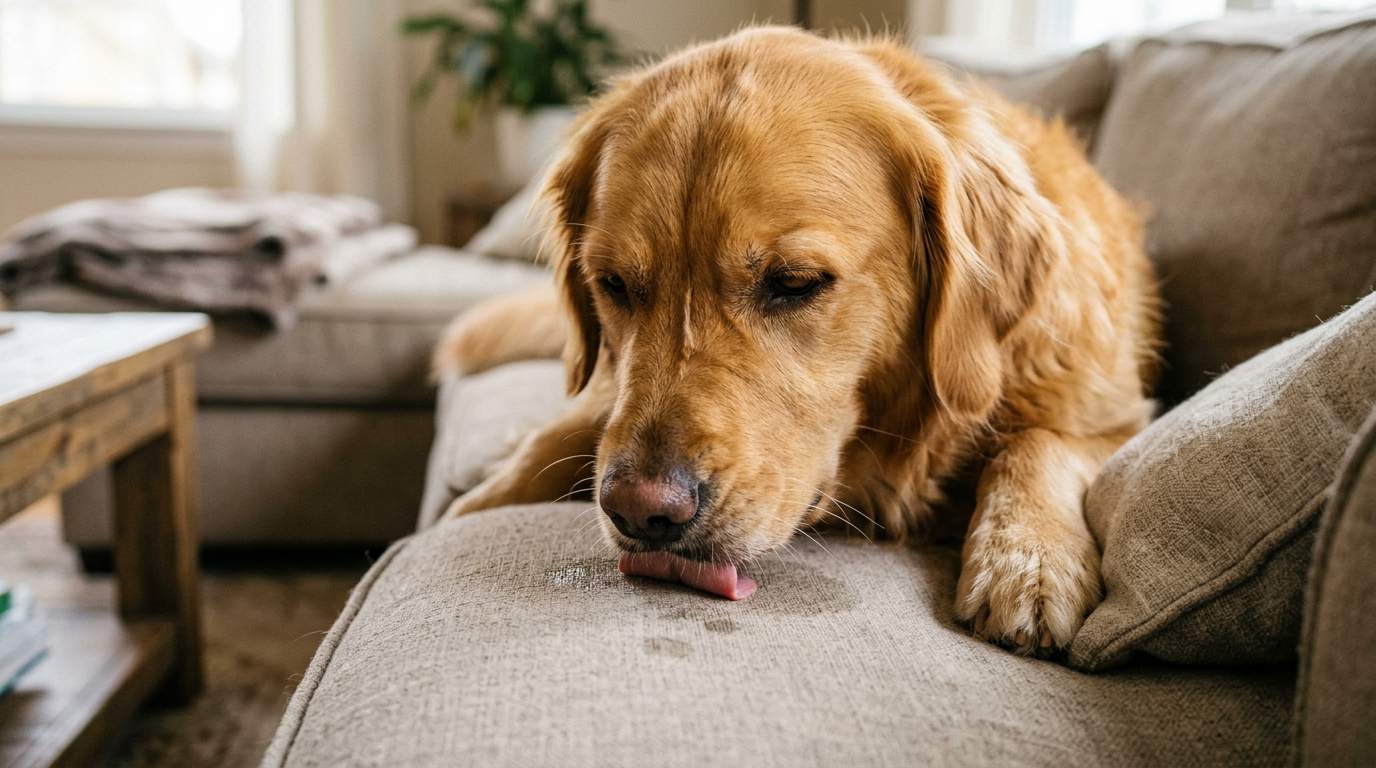

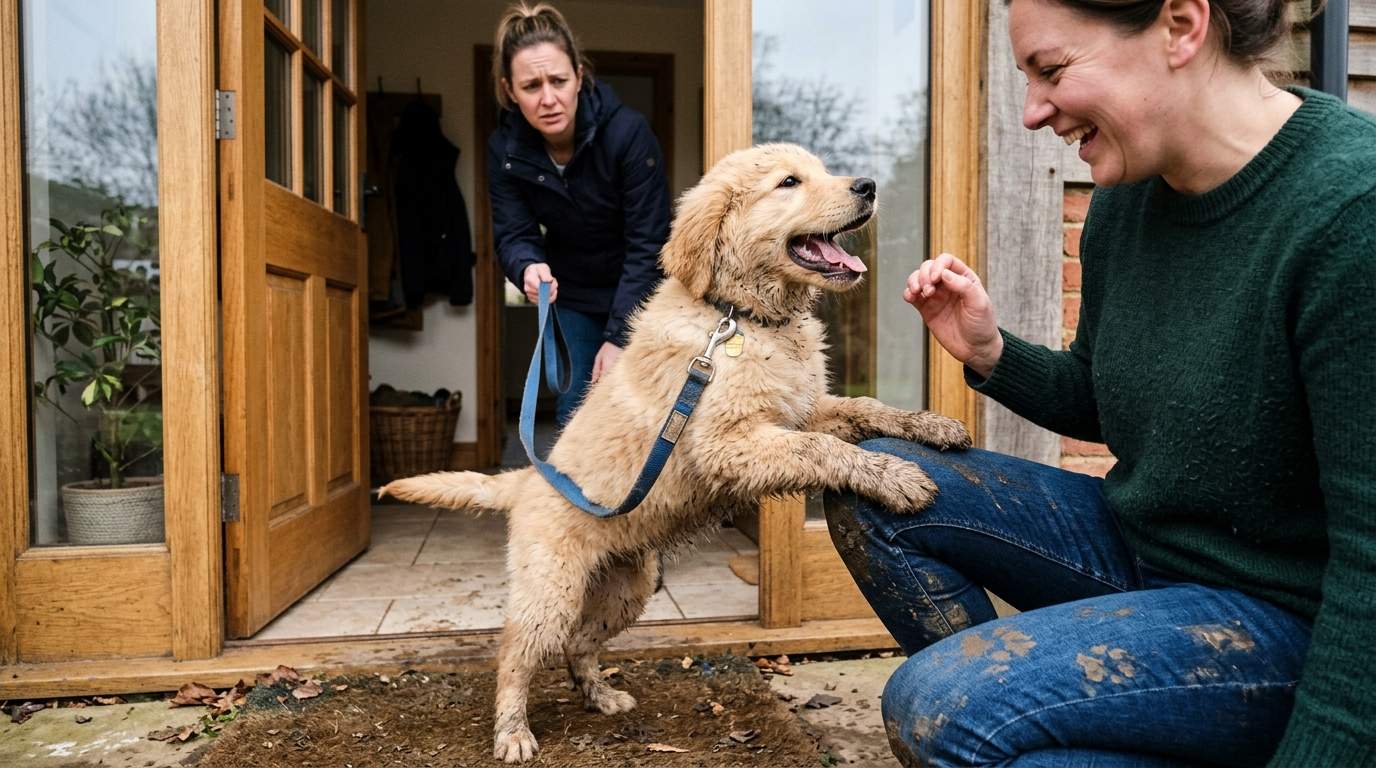
You are halfway around the block. Your dog stops. His feet are glued to the sidewalk. You tug gently. Nothing. You call his name in a cheerful voice. He looks at you, then looks away. You pull harder. He sits down.
E.g. :Your Senior Cat Wails at 3 AM – That’s Not Dementia, It’s Probably Pain or High Blood Pressure
You feel embarrassed. Everyone is watching. Is he being defiant? Testing who is boss?
That planted-foot protest is not stubbornness. It is one of the most misunderstood signals in dog behavior. And punishing it will only make your walks shorter and your bond weaker.
We have been told that dogs refuse to walk because they are “dominant” or “spoiled.” This is outdated and harmful. Dogs do not spend their free time plotting against you. They spend it trying to avoid discomfort or fear.
When your dog stops moving, he is usually saying one of four things. None of them are “I want to annoy you.”
Dragging a reluctant dog increases his stress. If he is scared, pulling confirms that the scary thing is truly dangerous – because you are rushing away from it. If he is in pain, pulling makes the pain worse. Either way, he learns that stopping is ineffective, so he may escalate to lunging, barking, or shutting down completely.
One of my clients, Anita, had a two-year-old rescue mutt, Gus. Gus would cross the street just fine, then plant his body halfway down the block. Anita dragged him every day. Gus started trembling before walks. We finally realized: a loose drain grate on that specific corner made a clanking sound when he stepped on it. One time it scared him. Now he refuses because he remembers. Anita bought high-value training treats (freeze-dried liver) and spent three days counter-conditioning from across the street. Within a week, Gus walked past the grate without stopping.
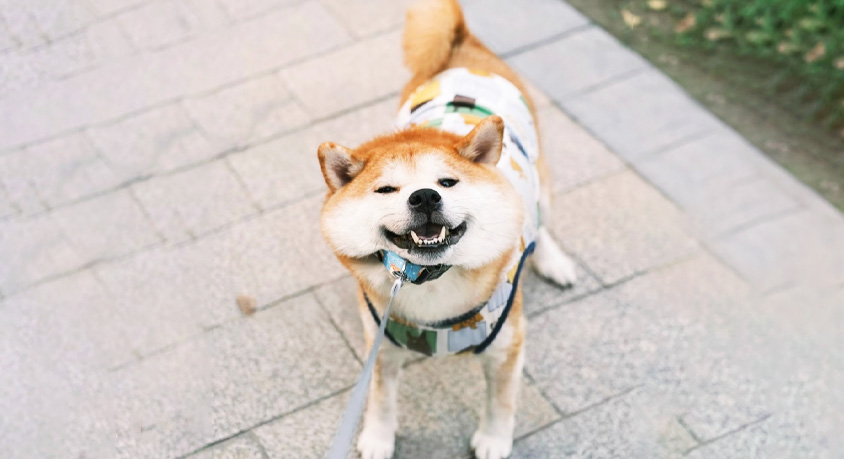
Never drag. Turn around and walk three steps back. If your dog follows, reward heavily. Then approach the “scary spot” again from a different angle or with a rapid treat scatter on the ground. You are changing his emotion, not forcing his feet.
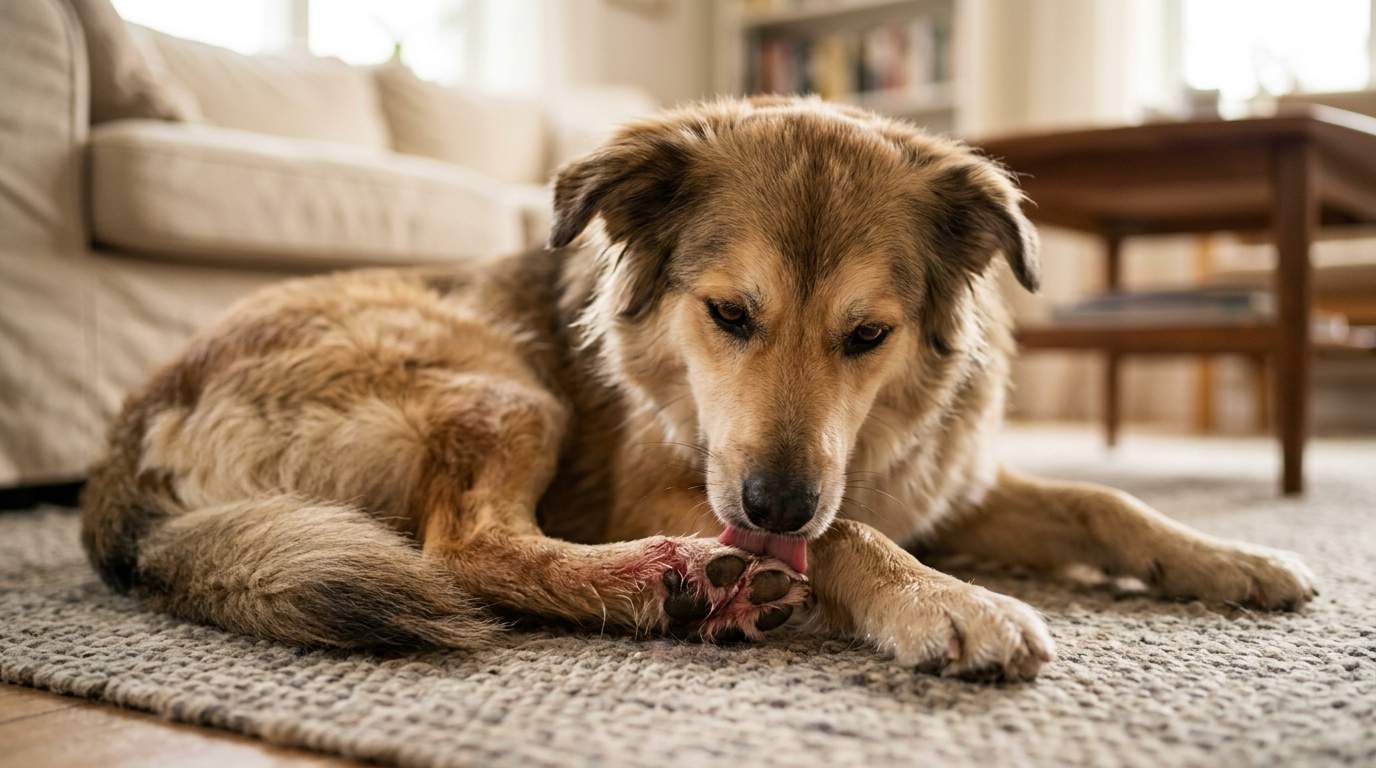
Many dogs hide lameness so well that the first sign is simply “does not want to go further.” This is especially common in older dogs with arthritis, but young dogs can have hidden pain too – a cracked tooth, a thorn embedded between toes, even back pain from jumping off the couch.
When your dog refuses to walk, gently feel each paw and leg. Look for swelling, heat, or a spot that makes him flinch. Then offer a treat. A dog in mild pain will usually still eat. A dog in severe pain will refuse food. If he eats but still won’t walk, call your vet. Non-steroidal anti-inflammatories can work wonders – but never give human medication.
A fearful dog does not always cower or tuck his tail. Sometimes he just stops. His body goes rigid. His ears may be back or forward. His mouth might be closed tight. This is called “freezing.” It is the canine version of “if I don’t move, the danger won’t see me.”
Do not coo or pull. Stand still. Drop a handful of high-value treats on the ground right next to his nose. Let him eat without moving his feet. Then wait. After 30 seconds, take one slow step back toward home. If he follows, you have your answer. He needed an exit strategy.
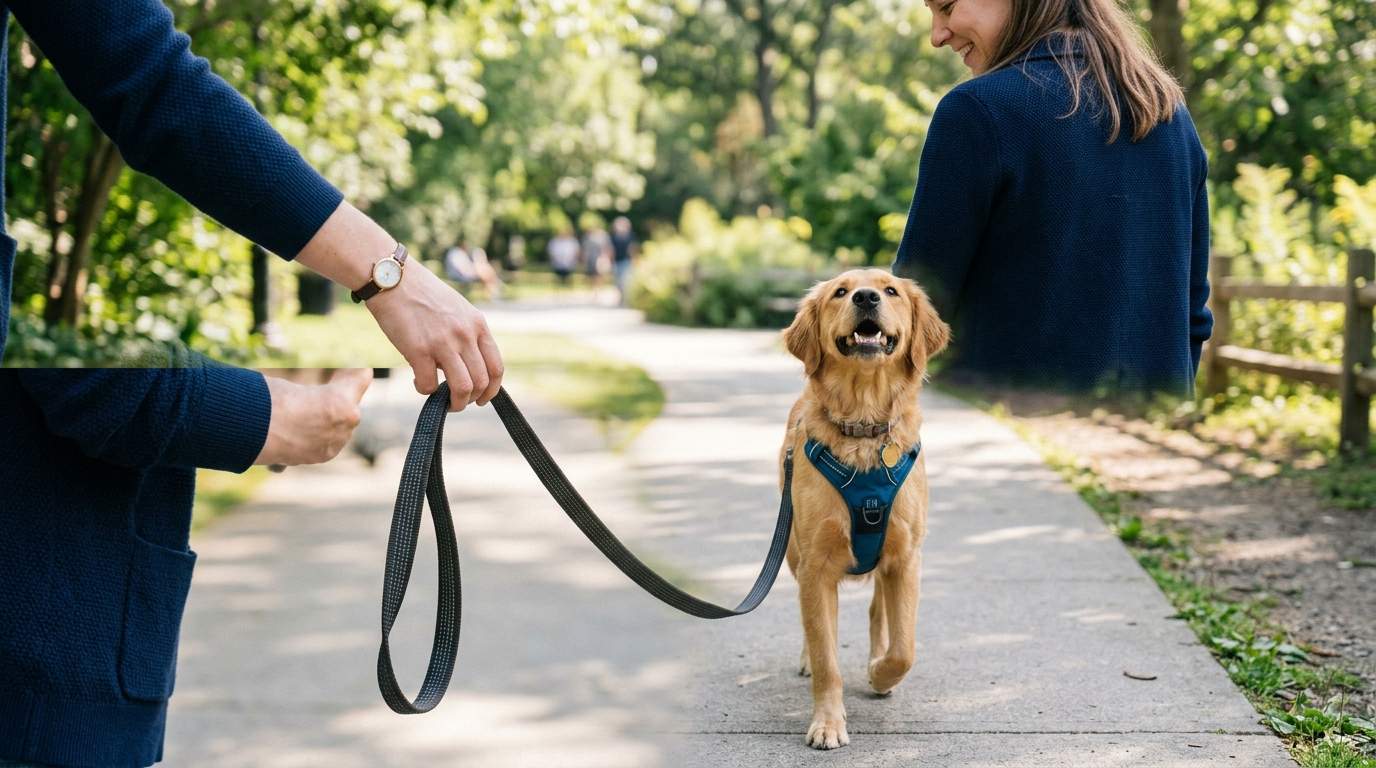
A no-pull harness with a front clip (chest attachment) gives you mechanical advantage without pain. When a dog plants his feet, you can gently turn his whole body sideways, which breaks the fixation loop. Pair it with a calming spray (adaptil or lavender) on his bandana before walks. These are not magic. But they remove the “tug-of-war” feeling for both of you.
Some walks are losses. That is fine. If your dog refuses to move after two minutes of gentle encouragement, turn around and go home. Try again in an hour. Forcing a full walk teaches him that walks are unpredictable and scary. Short, successful loops build confidence.
Anita and Gus now walk past the drain grate together. She still carries liver treats. He still hesitates for one second. Then he looks at her, takes a treat, and walks on. It is not perfection. It is trust.
Your dog’s planted feet are not a rebellion. They are a message you almost missed. Stop pulling. Start listening. The walk will find itself.