When Your Senior Dog Ignores You, It Might Not Be “Dementia”
- Quick Tags: senior dog behavior, cognitive dysfunction vs pain, dog arthritis signs, caring for aging pets
- Editor: Ben Carter
- Updated: Jun,13,2026
- Views: 430.5k

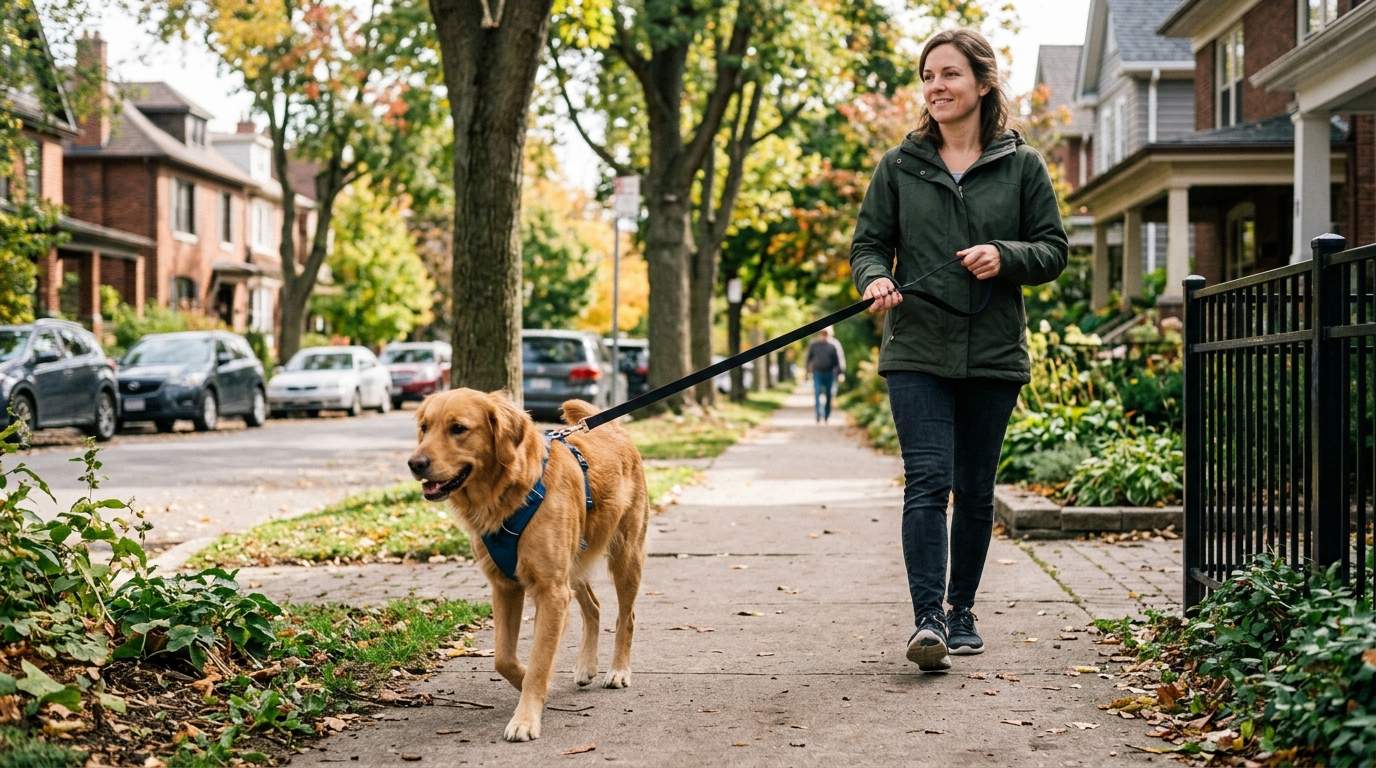
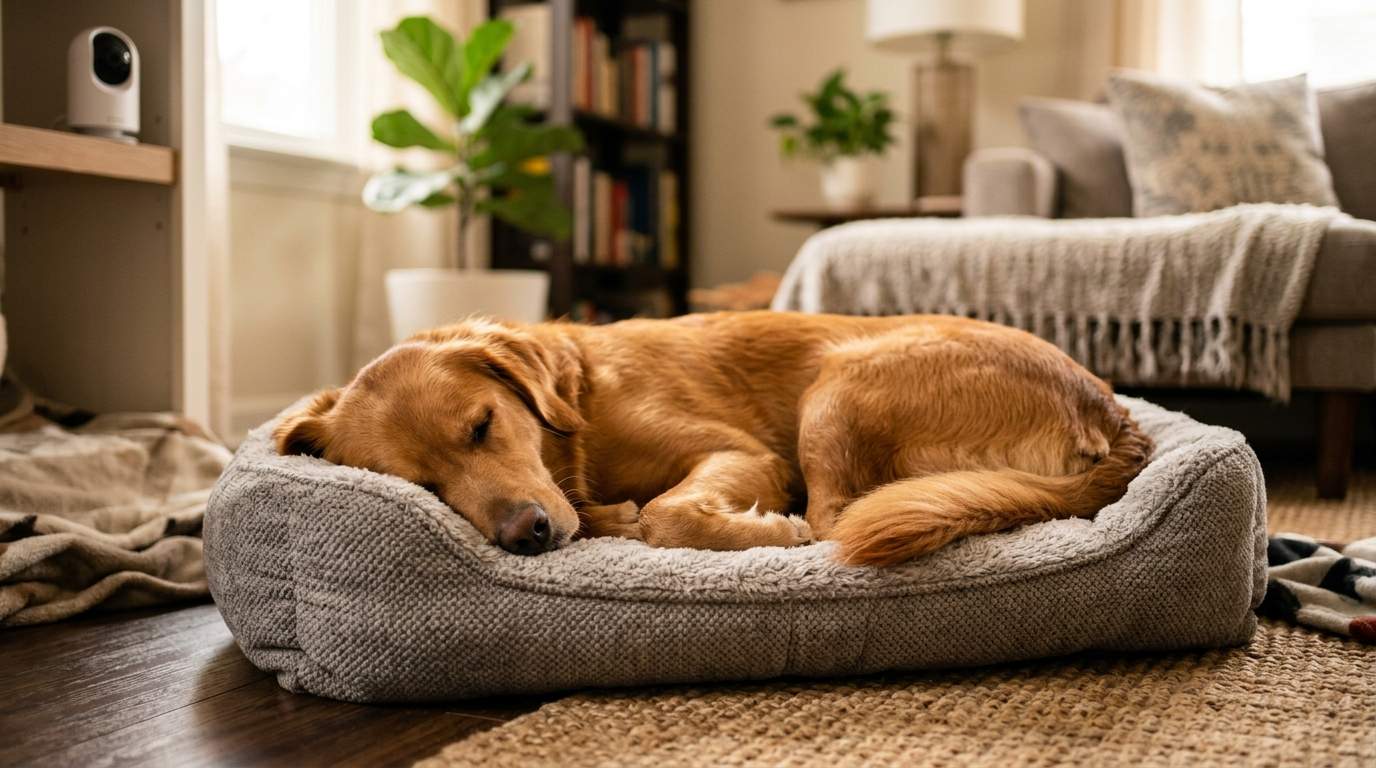
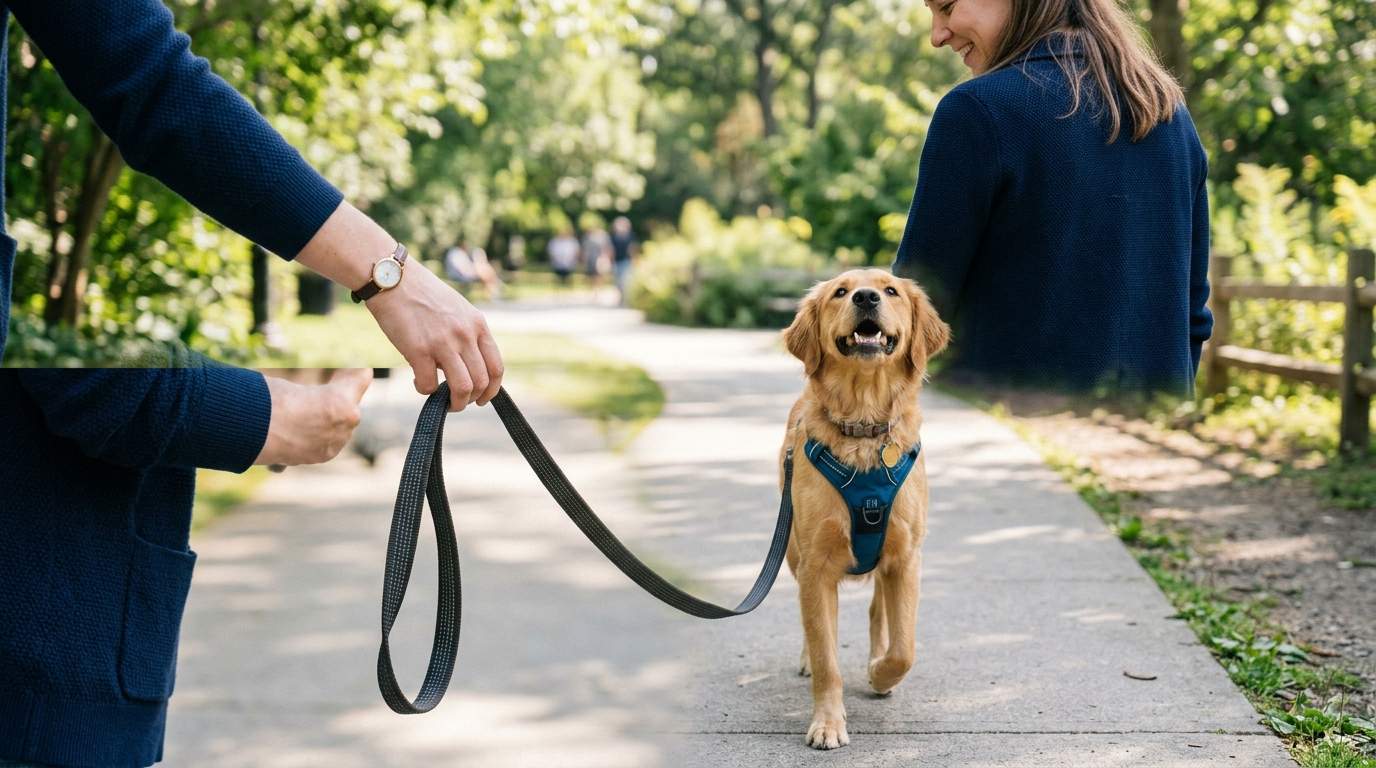
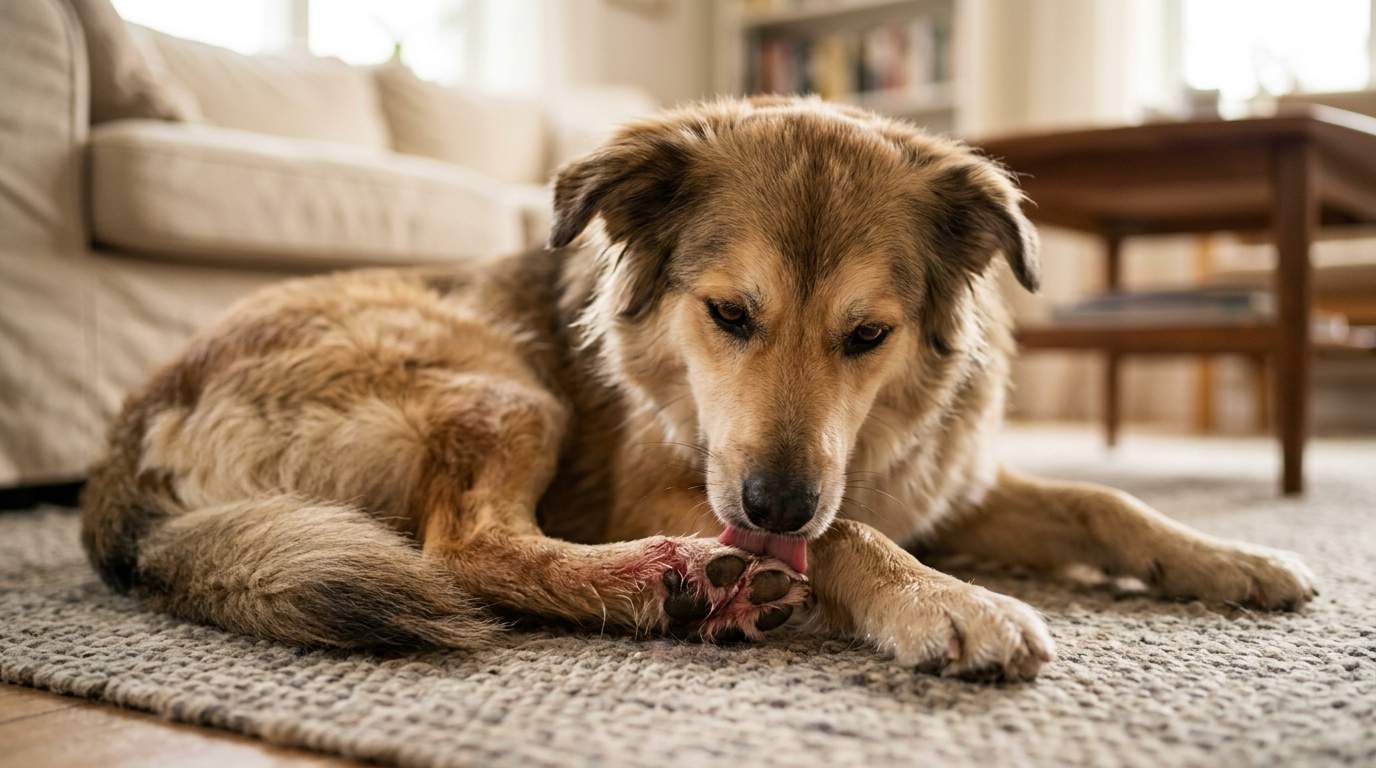
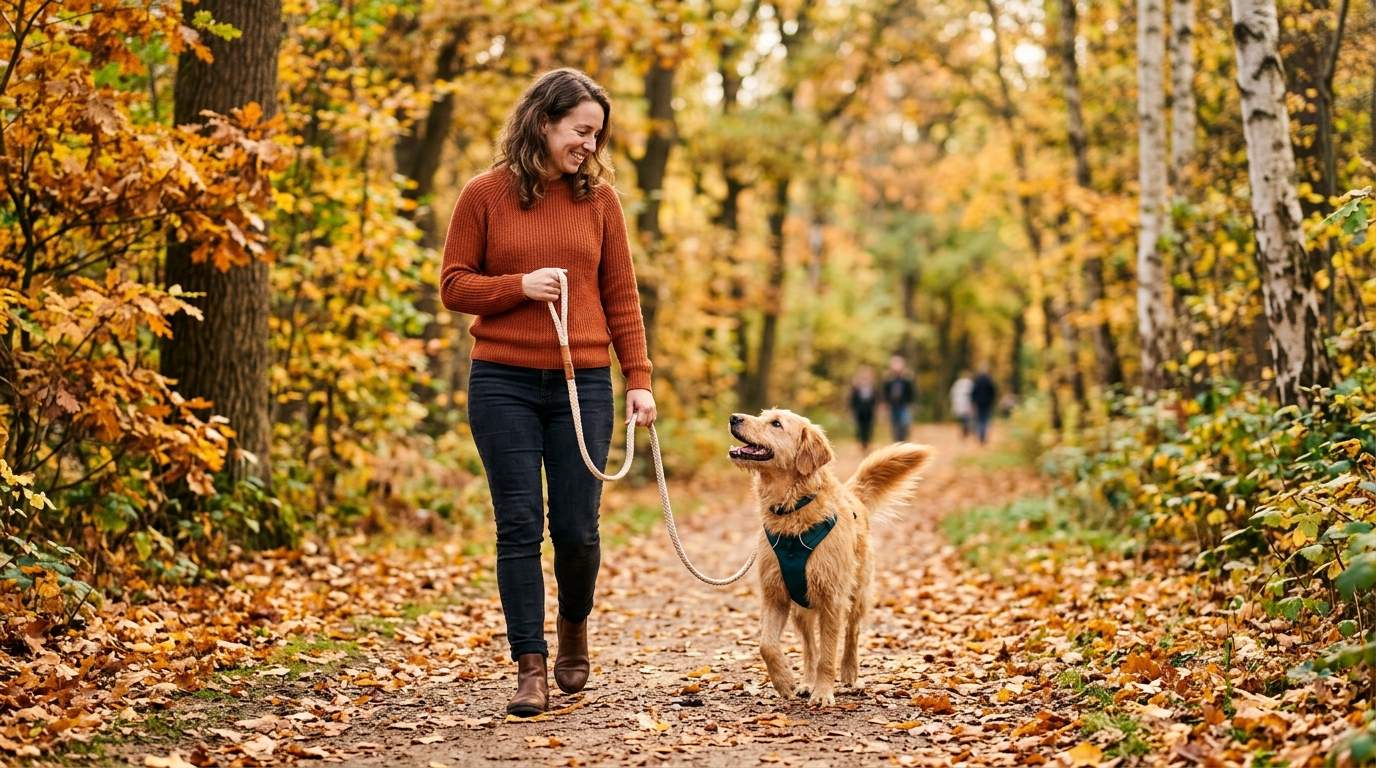
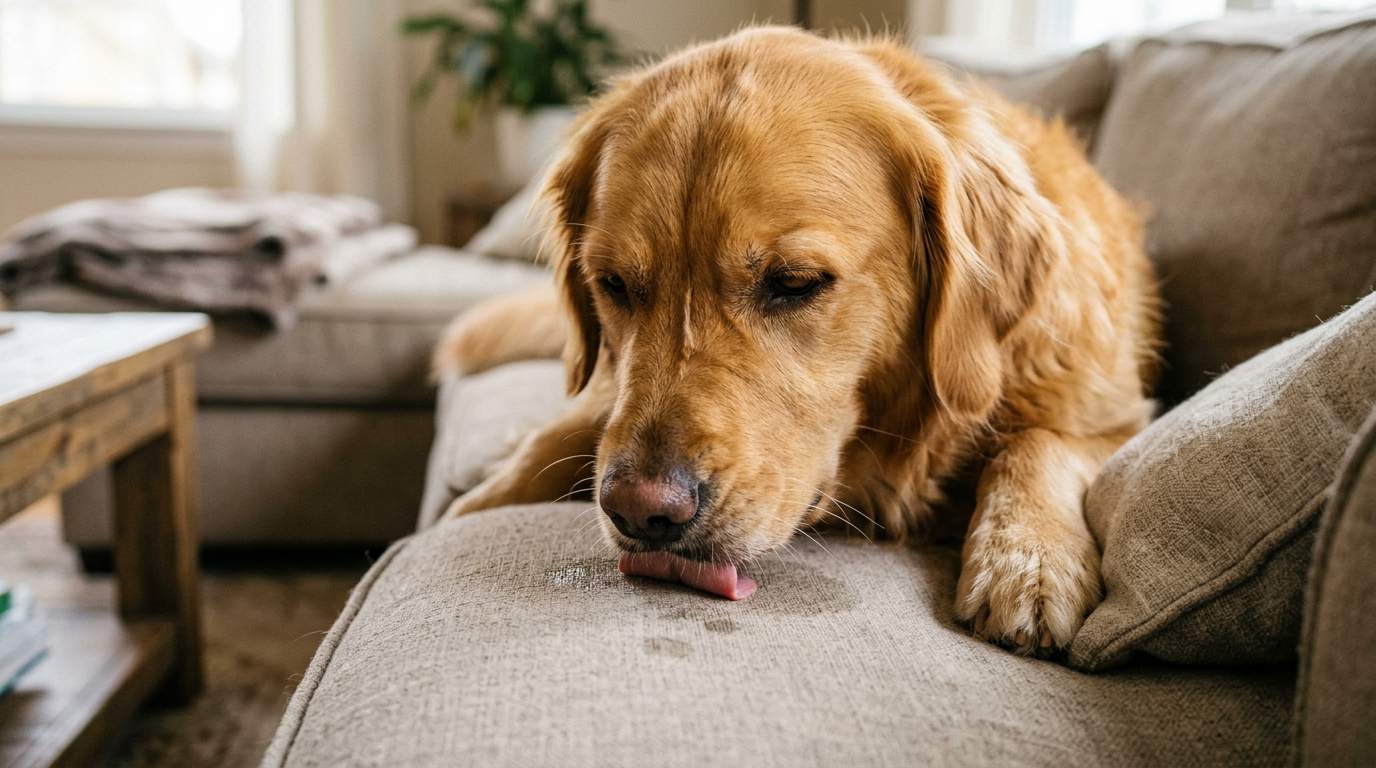
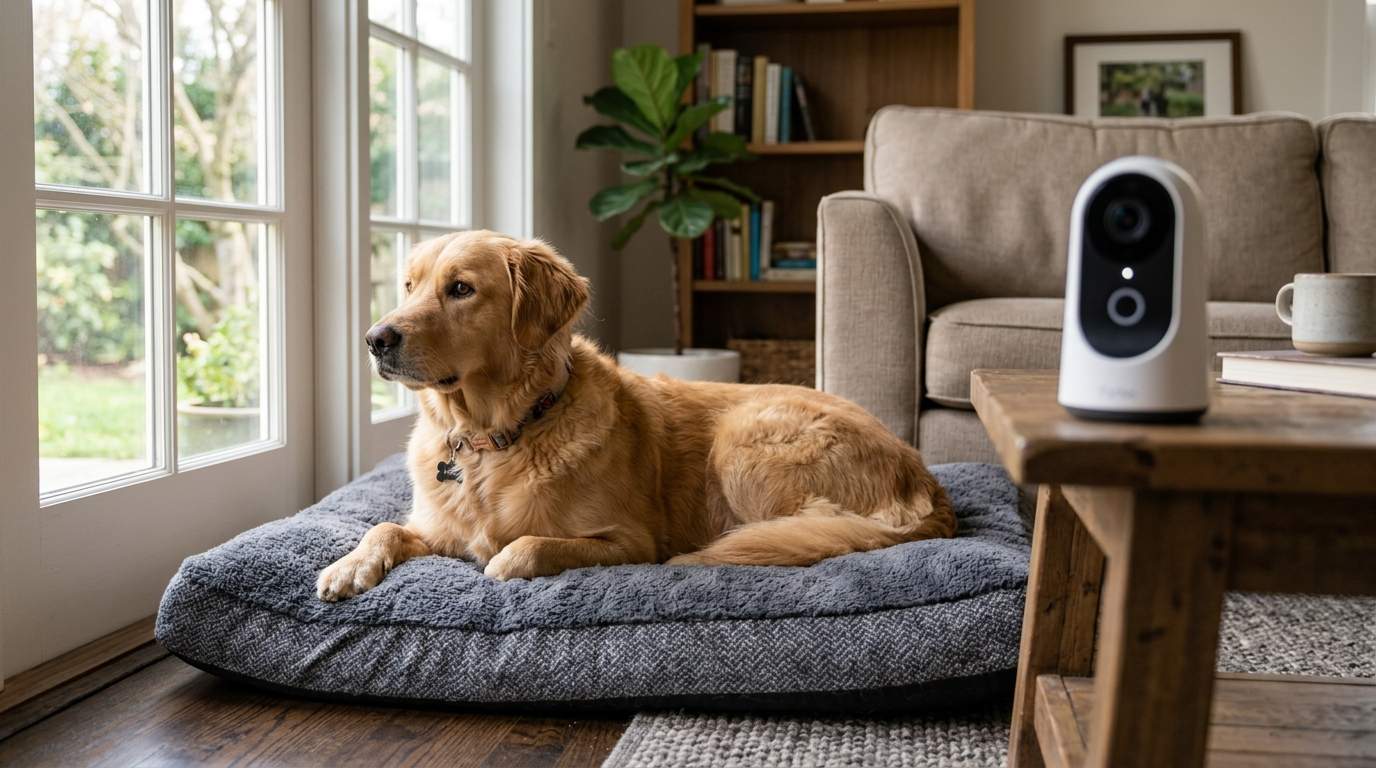
You call your old dog’s name. He lifts his head, looks at you, then looks away. Your heart sinks. Is he losing his mind? Or just stubborn?
E.g. :Why Everyone Is Obsessed With Backyard Ducks Right Now
Here’s what I’ve learned as a behavior consultant: many “behavioral” changes in senior dogs are actually physical pain or sensory loss. And the good news? You can help – without guilt.
Take Benny, a 14-year-old Labrador. His family feared canine cognitive dysfunction. He stood facing walls and had accidents.
But I noticed a tiny flinch in his hip when he stood up. Arthritis. The wall? He was leaning on it for support. The accidents? Walking to the yard hurt too much.
Challenge the conventional wisdom: Before assuming dementia, rule out chronic pain. Over 80% of senior dogs have arthritis, yet most owners miss the subtle signs – slowing down, avoiding jumps, or “ignoring” your call.
Get up and walk test: If your dog takes more than 3 seconds to stand, think pain first.
Night pacing: Often arthritic pain, not “sundowning.” Try joint supplements for two weeks – if pacing halves, you’ve found the cause.
Finding a puddle by the door? Dogs cannot feel spite. Senior “accidents” come from: arthritis (painful squatting), kidney disease (more thirst), or slippery floors (panic before reaching the door).
Use washable pee pads without scolding. Place them near bed and door. Reward any use with a soft “good boy.” One client said: “It’s just a cane for his bladder.” That shift from shame to tool changes everything.
Watch your old dog on hardwood – do his back legs splay? That micro-stress creates anxiety that looks like “reluctance to move.” Put non-slip rugs on every path: bed to water bowl to door. Within days, you’ll see a taller tail.
Arthritic dogs hate bending. A raised feeder (elbow height) and a foam ramp for the couch can bring back cuddling – because they weren’t rejecting love, they were rejecting pain.
True signs: staring at walls, getting trapped behind furniture, waking at 3 AM barking at nothing. Even then, it’s not your fault.
What helps:
Same feeding/walking times every day.
Nightlights (senior dogs lose night vision).
Easy puzzle feeders – success releases dopamine.
One 17-year-old poodle no longer recognized her owner’s face, but she knew the smell of his hand and the sound of his humming. Love doesn’t need perfect recognition.
Stop the guilt. You are doing more than most by simply noticing.
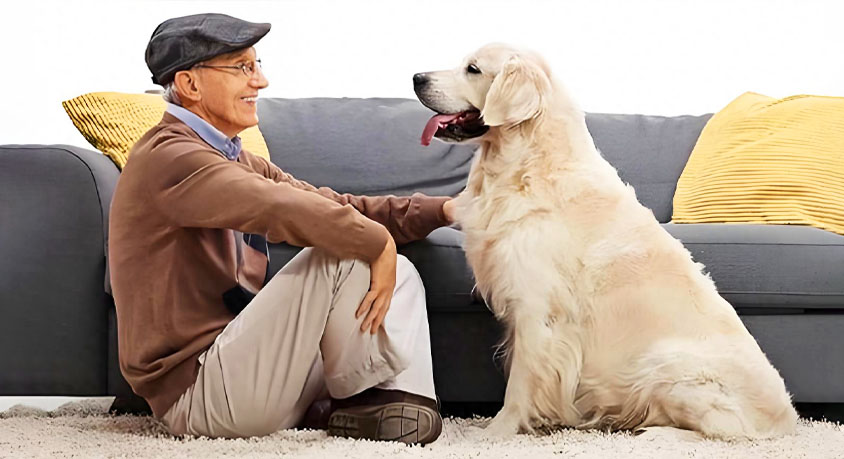
Tomorrow, put down one rug. Watch his hips. Give him five extra minutes to decide if he wants to go out. Then kneel down to his level and let him feel your warm hand.
The measure of a life together isn’t how fast he used to run to you. It’s how safe he feels, even when running hurts.
You’ve got this. And he’s so lucky to have you.