Your pet camera says she’s calm. Your cat’s frozen stare says otherwise.
- Quick Tags: pet camera anxiety, cat separation stress, smart pet monitor, feline isolation distress
- Editor: Chloe Jones
- Updated: May,10,2026
- Views: 280.5k

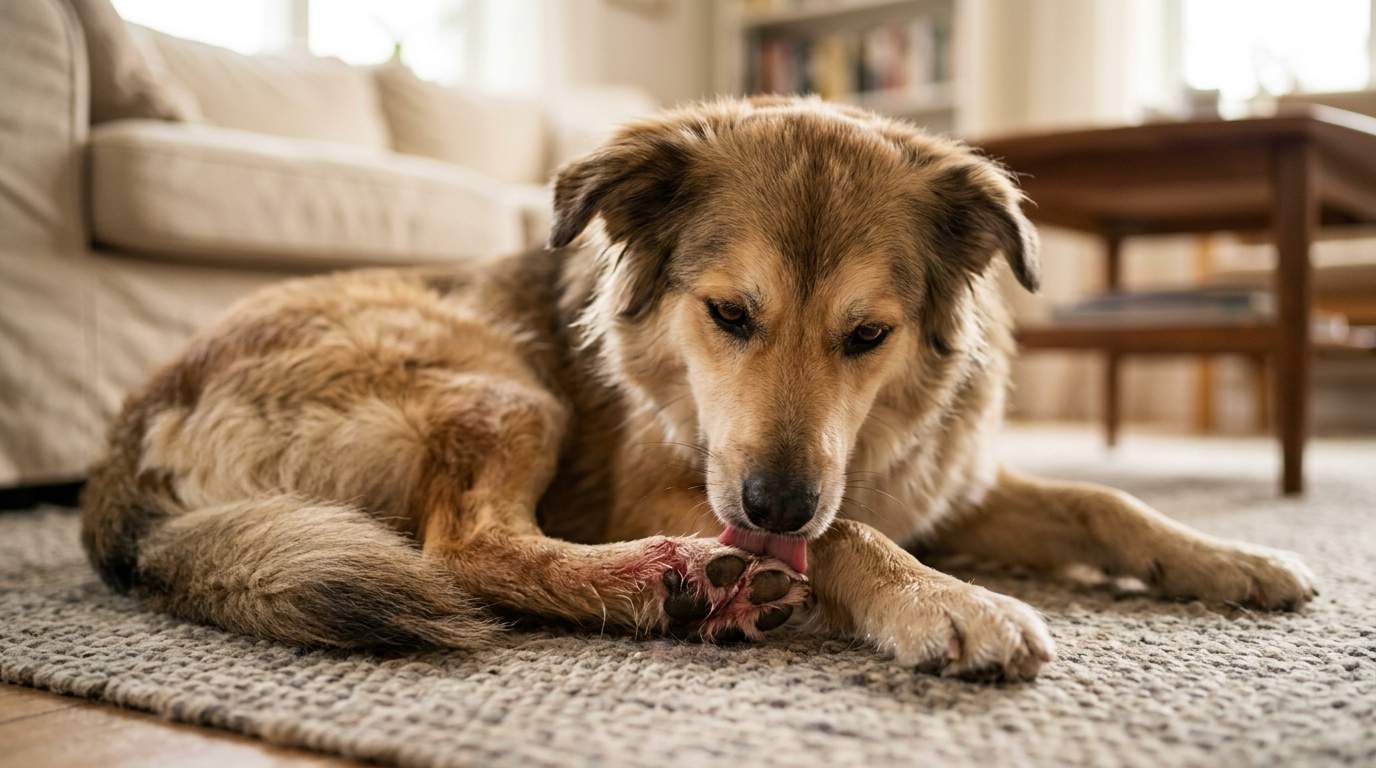
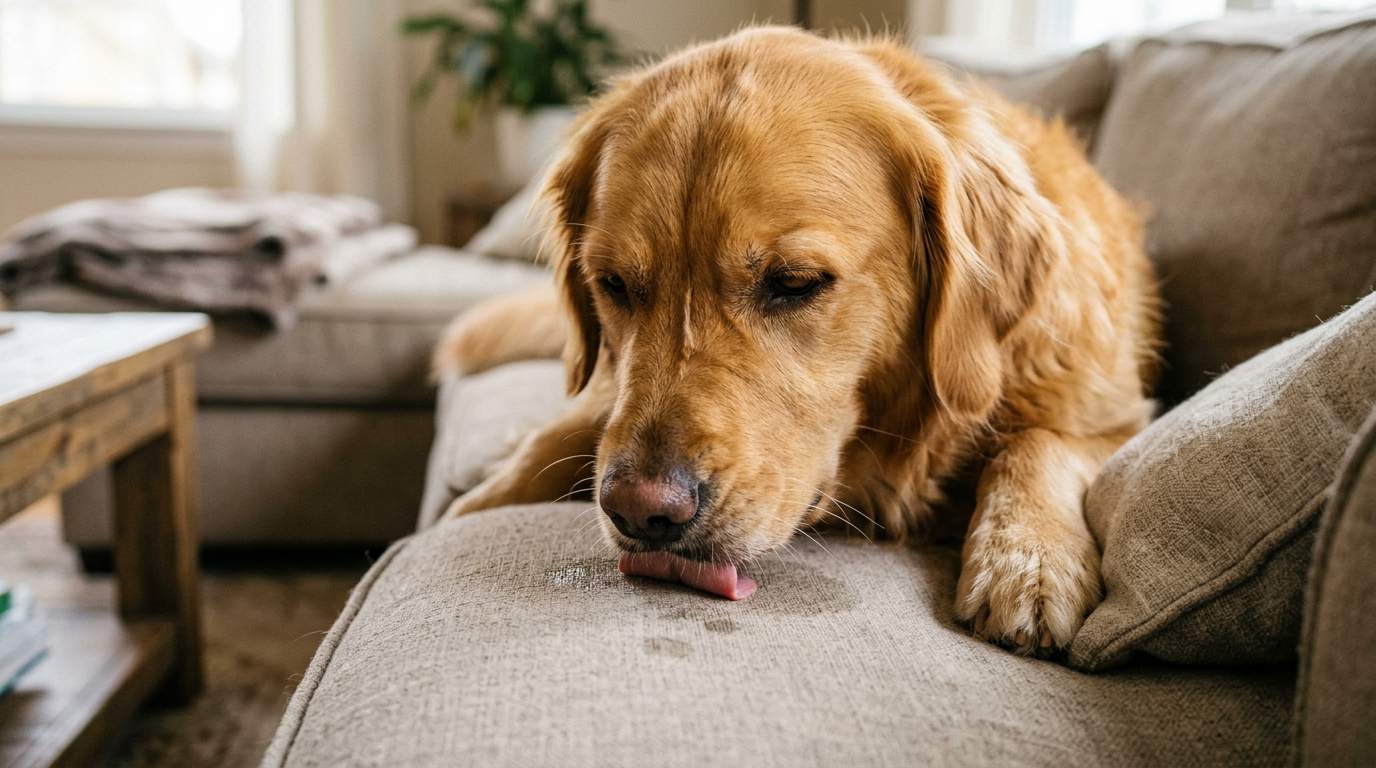
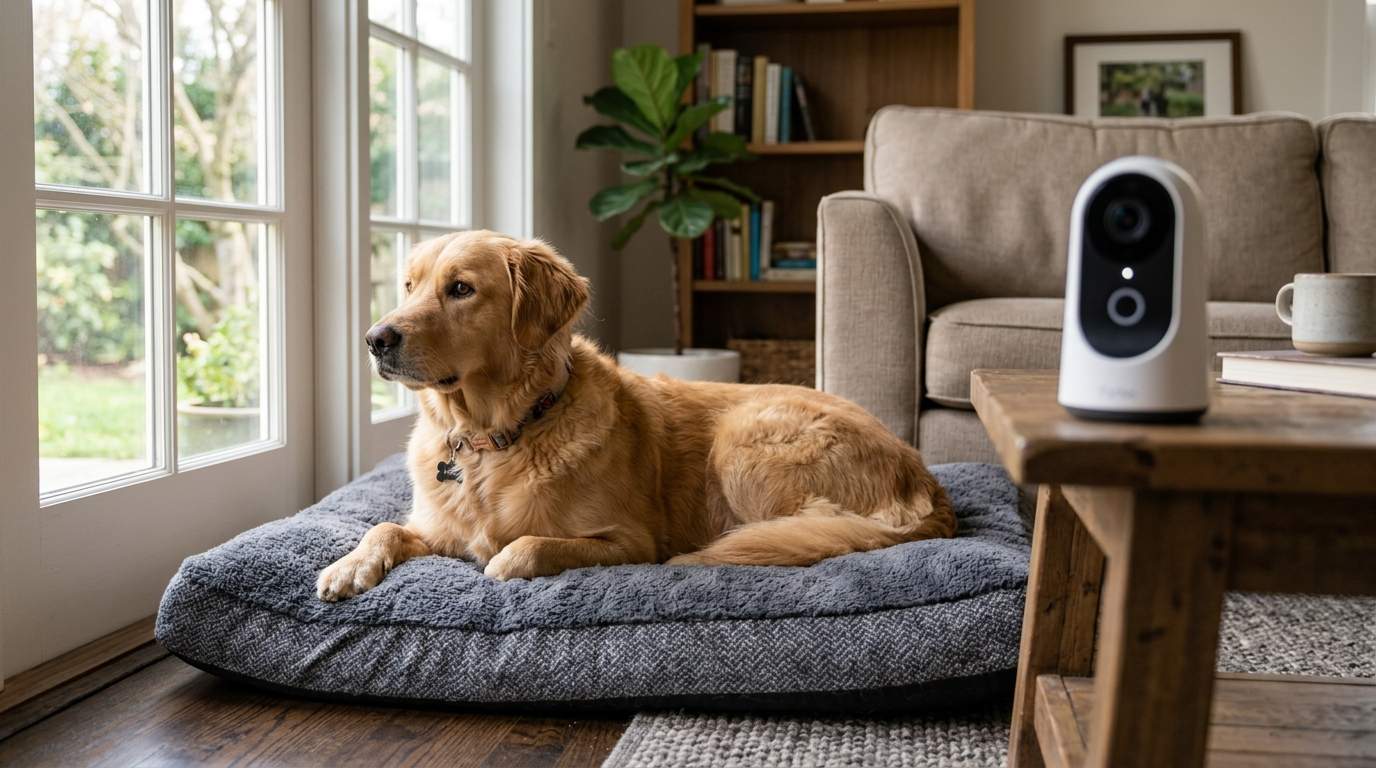
You are at your desk, missing your cat. You open the pet camera app. There she is – sitting on the sofa, perfectly still, staring straight into the lens. You talk to her through the speaker. Her ears twitch. She doesn’t move. You feel loved. She’s waiting for you.
E.g. :Senior Dog's Tail Hangs Limp at Pack Approach—Pain or Preference?
Or so you think.
That frozen stare is not longing. It is one of the quietest signs of feline separation stress. And most smart pet monitors accidentally celebrate it.
Pet cameras sell us a dream: connection across distance. But cats did not evolve to understand invisible voices coming from a plastic box. When you speak through the camera, your cat hears your voice without your smell, your warmth, or your physical presence. That mismatch is deeply confusing.
What you see as calm stillness is often hypervigilance. Your cat is frozen because she is trying to locate a threat. She cannot see you, but she hears you. Her brain goes into “wait and assess” mode. That is not relaxation. That is low-grade anxiety.
Some smart monitors track activity levels and sleep. A cat who lies still for hours looks “calm” on a chart. But stillness without softening (closed eyes, slow blinking, loose body posture) is not calm. It is a holding pattern. Learn to read your cat’s face, not just her step count.
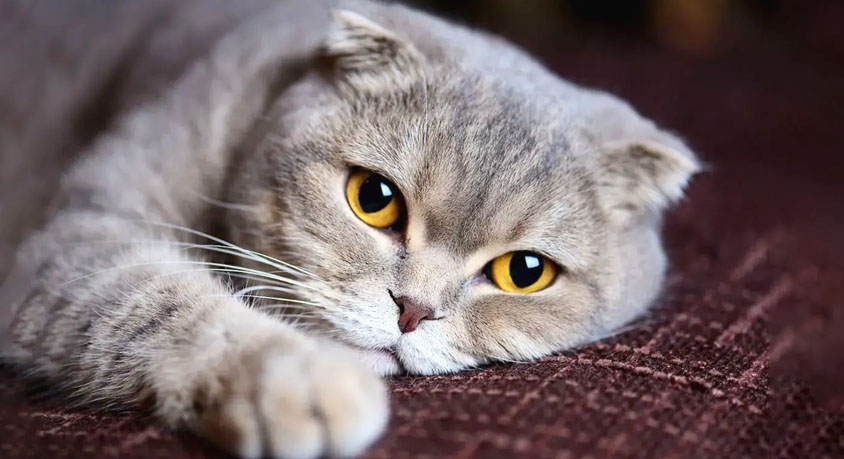
I worked with a client named Mira. Her cat, Olive, would sit on the same chair and stare at the camera every single workday. Mira felt guilty but also warmed by the “devotion.” Then Mira took a week off. Olive hid under the bed for three days. The staring had been a stress response, not an attachment ritual.
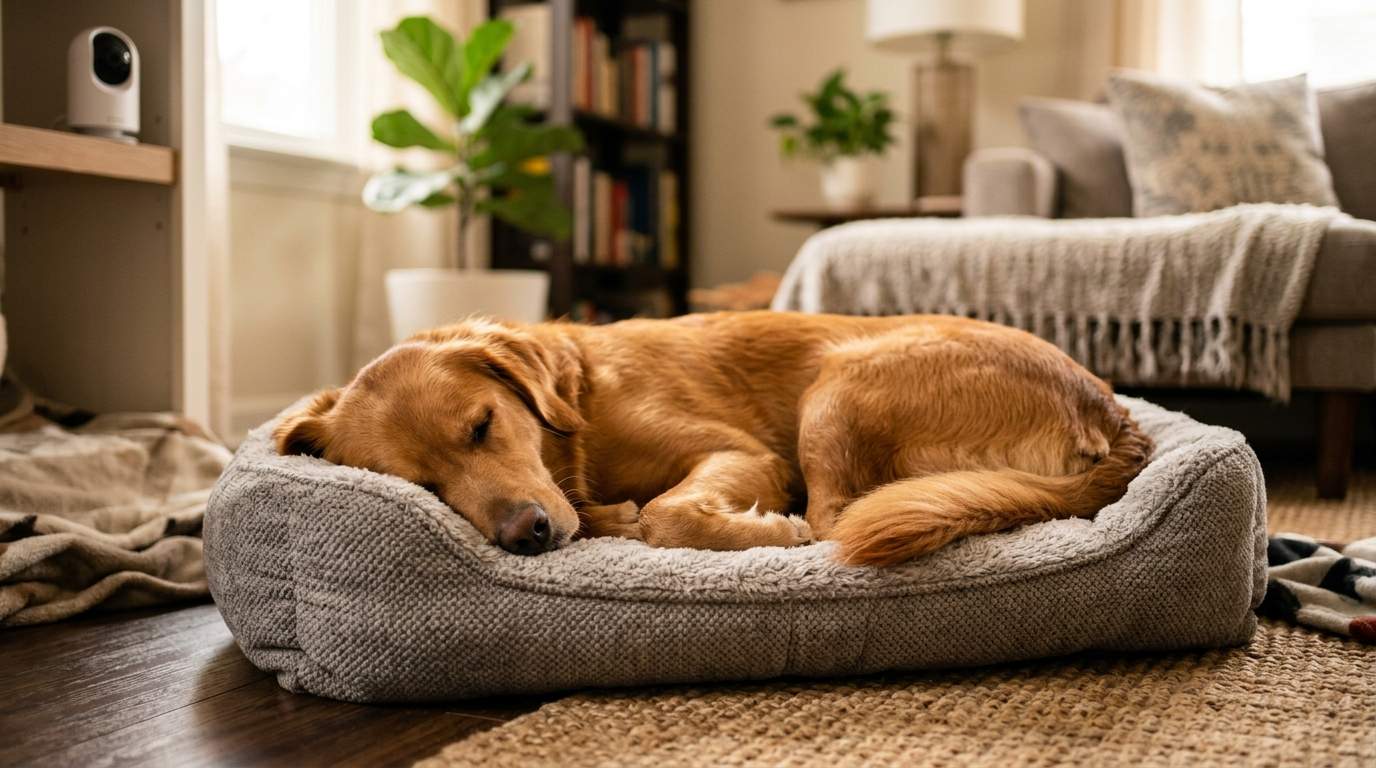
We made two changes. First, Mira stopped using the two-way audio entirely. Second, she added a puzzle feeder that dropped treats at random times – no voice, just reward. Within two weeks, Olive started napping in curled positions (true relaxation) instead of frozen sitting.
Watching your cat quietly is fine. She doesn’t know she’s being watched. But the moment you speak, you create a ghost. A ghost that sounds like you but isn’t you. For an already anxious cat, that ghost is more unsettling than comforting.
You don’t need to throw away your pet camera. You just need to use it differently.
Watch the video. Never use the talk button unless there is an emergency. Silence keeps the camera neutral. Your cat will relax faster without ghost voices.
A puzzle feeder on a timer gives your cat a predictable, positive event. Food appears. No scary voice. A calming diffuser lowers baseline cortisol. An interactive laser toy on a random timer gives an outlet for hunting energy.
Some cats progress from frozen staring to destructive scratching or overgrooming. If you see these signs, reduce technology. Turn off the camera for three days. Real human presence (or no presence) is often less stressful than a digital haunting.
Mira still watches Olive nap in peaceful, twisted positions. She never speaks through the camera. When she comes home, Olive greets her with a slow blink. The frozen stare is gone.
Your cat’s frozen camera face is not a love letter. It is a question: “Where are you really?” You can answer by staying silent. Sometimes the kindest connection is no connection at all.