The pile of feathers under your parrot isn't vanity. So what is it?
- Quick Tags: feather plucking behavior, parrot anxiety signs, bird enrichment toys, parrot mental health
- Editor: Chloe Jones
- Updated: May,11,2026
- Views: 396.2k


You sweep the cage floor every morning. Today, you notice more small feathers than usual. Then you spot a bare pink patch on your parrot’s chest. Your stomach drops. Is she bored? Is she sick? You bought her a bigger cage, a new swing, yet she keeps pulling her own feathers out.
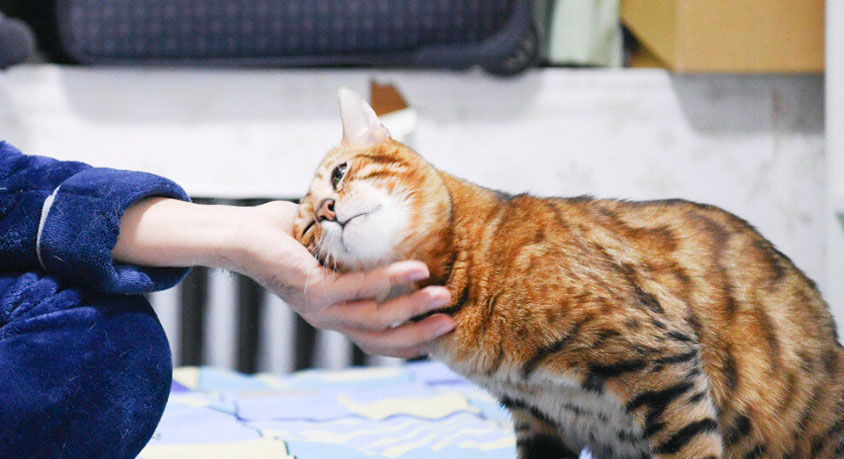
E.g. :Your cat rubs her face on your leg 12 times. That is not a hug.
You feel helpless. Did you fail as a bird owner?
That pile of feathers isn’t vanity or a “bad habit.” It is a quiet scream from a sensitive mind. Let me walk you through what feather plucking really means – and why punishing or ignoring it makes everything worse.
Many people assume parrots pluck because they are dramatic or attention-seeking. This is painfully wrong. In the wild, a parrot’s survival depends on flight. Damaging feathers is biologically costly. So when a bird starts plucking in captivity, her body has overridden a million years of instinct. That tells you how deep her distress is.
The most common mistake owners make is treating the feather loss instead of the cause. Antibiotics, creams, neck collars – these stop the symptom but leave the suffering intact.
Here is a truth that challenges everything: feather plucking releases endorphins. Your bird has discovered that the pain of pulling a feather creates a temporary chemical calm. She is not destroying herself out of hatred. She is self-medicating a brain that feels unsafe or understimulated.
You buy colorful plastic rings and shiny bells. Your parrot ignores them and keeps plucking. This is because parrots are not small dogs. They need three specific things that most homes lack.
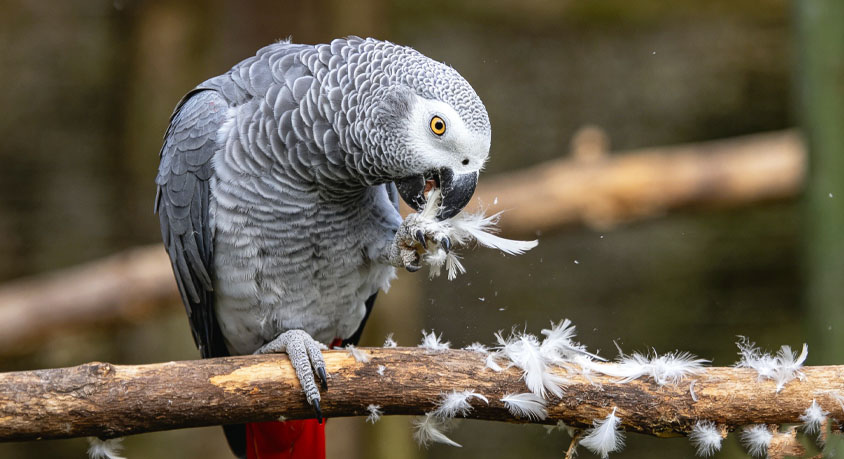
One of my clients, Priya, had an African grey named Kiko who started plucking after she moved to a new apartment. She tried every toy on the market. Nothing worked. We added a simple foraging box (shredded paper with hidden sunflower seeds) and a strict bedtime routine. Within two weeks, Kiko plucked 70% less. She wasn’t missing toys. She was missing purpose.
Your parrot is telling you something specific with every bare patch. Learning bird body language signs is essential for stopping feather plucking behavior.
Keep a plucking journal. Note the time of day, what happened before, and how long it lasted. Patterns emerge. Patterns lead to solutions.
You cannot “punish” a parrot out of plucking. Spraying water or yelling increases fear, which increases the need for self-soothing, which increases plucking. It is a vicious cycle. Instead, build a safety net.
Rule out medical causes first: giardia, heavy metal poisoning, skin mites, or liver disease. Blood work is non-negotiable. Once medical issues are cleared, ask about short-term anxiety medication. For severe, years-long pluckers, medication can break the cycle while environmental changes take hold. There is no shame in this.
Priya and Kiko are doing well now. Kiko still has one small bald spot on her left thigh. Priya calls it her “worry patch.” But the pile of feathers under the cage each morning is now a few tiny down feathers – normal molting – not the bloody chest feathers of before.
Priya told me, “I stopped trying to fix her and started listening to her. That was the whole answer.”
Your parrot’s bare skin is not a failure on your part. It is a conversation she has been trying to have for weeks or months. The pile of feathers is not vanity. It is vulnerability. And now that you know what it means, you can finally answer back.