The dog who craves grass before breakfast: nausea or a forgotten wild ritual?
- Quick Tags: dog eating grass, canine pica behavior, dog vomiting causes, grass eating instinct
- Editor: Chloe Jones
- Updated: Jun,18,2026
- Views: 235.7k




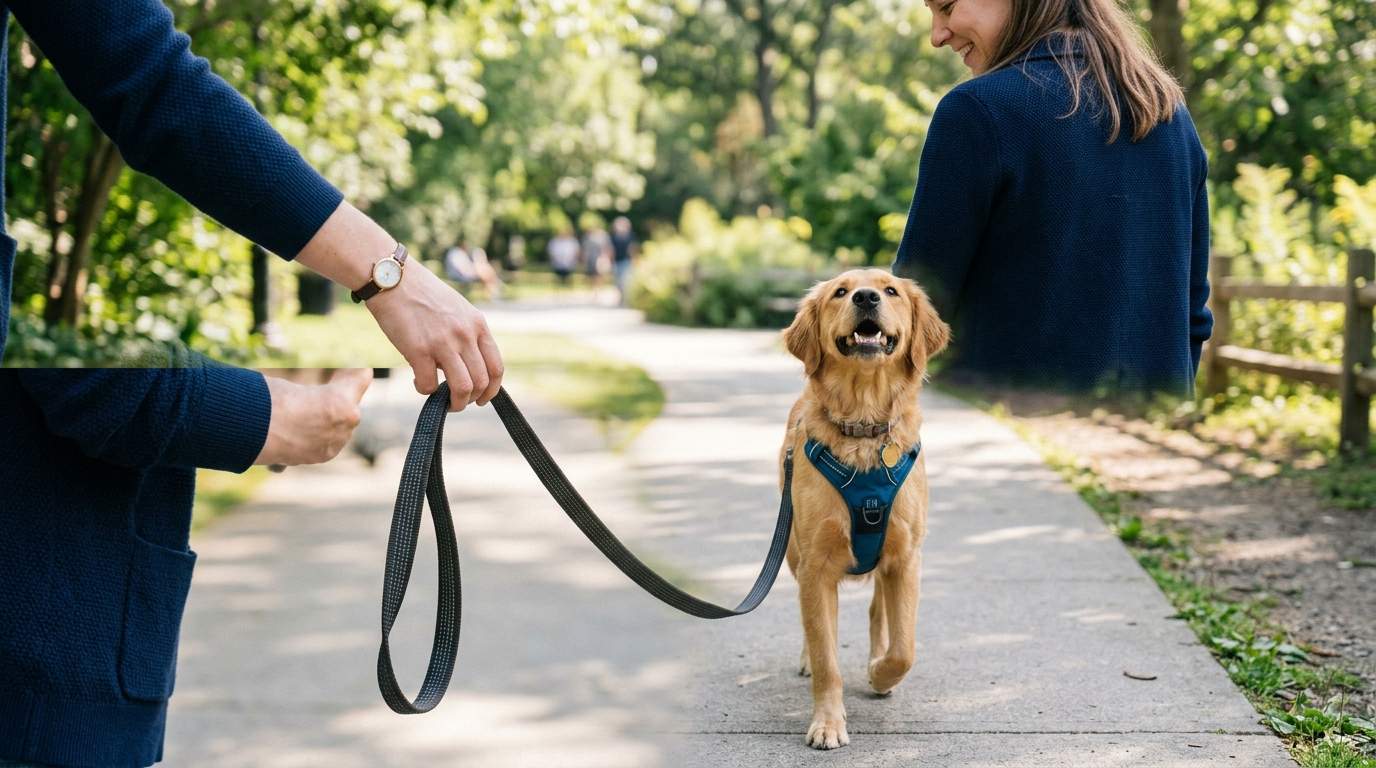
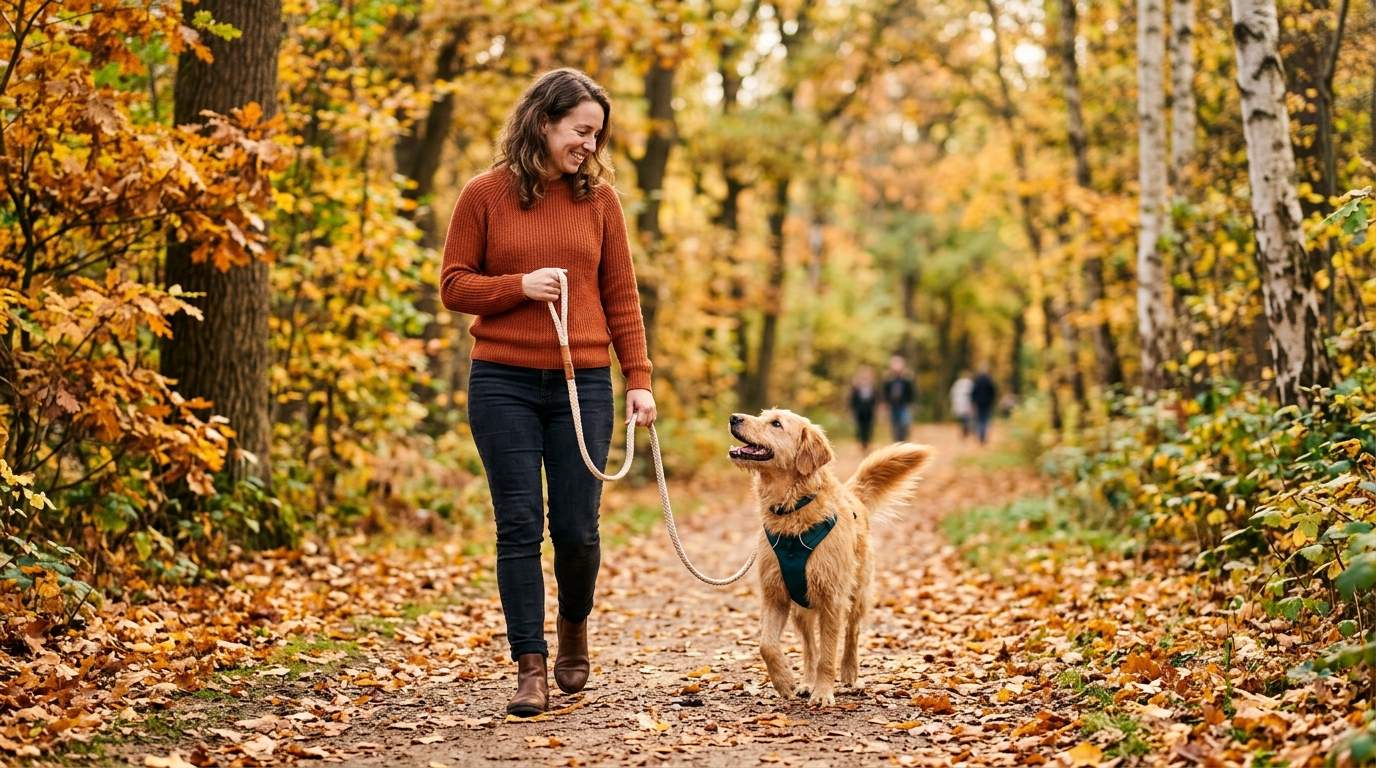
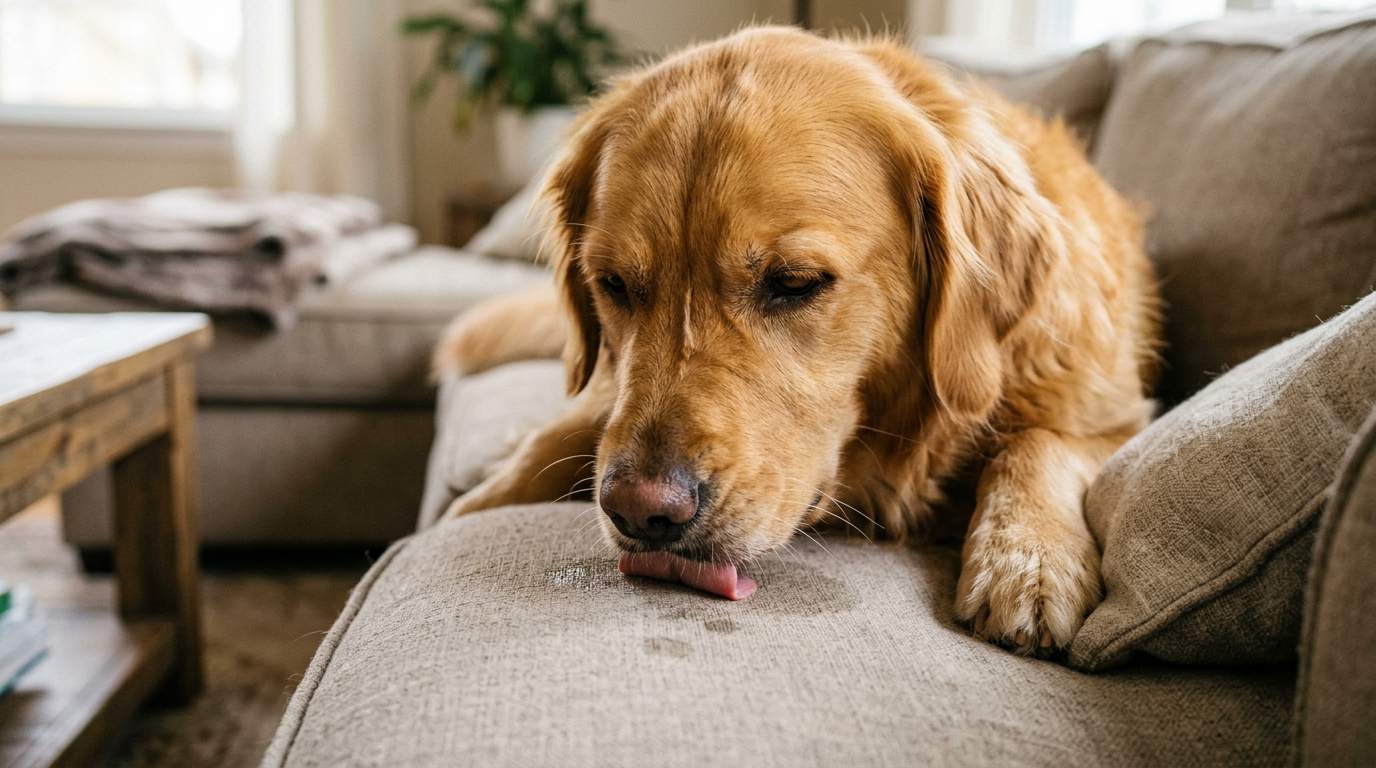

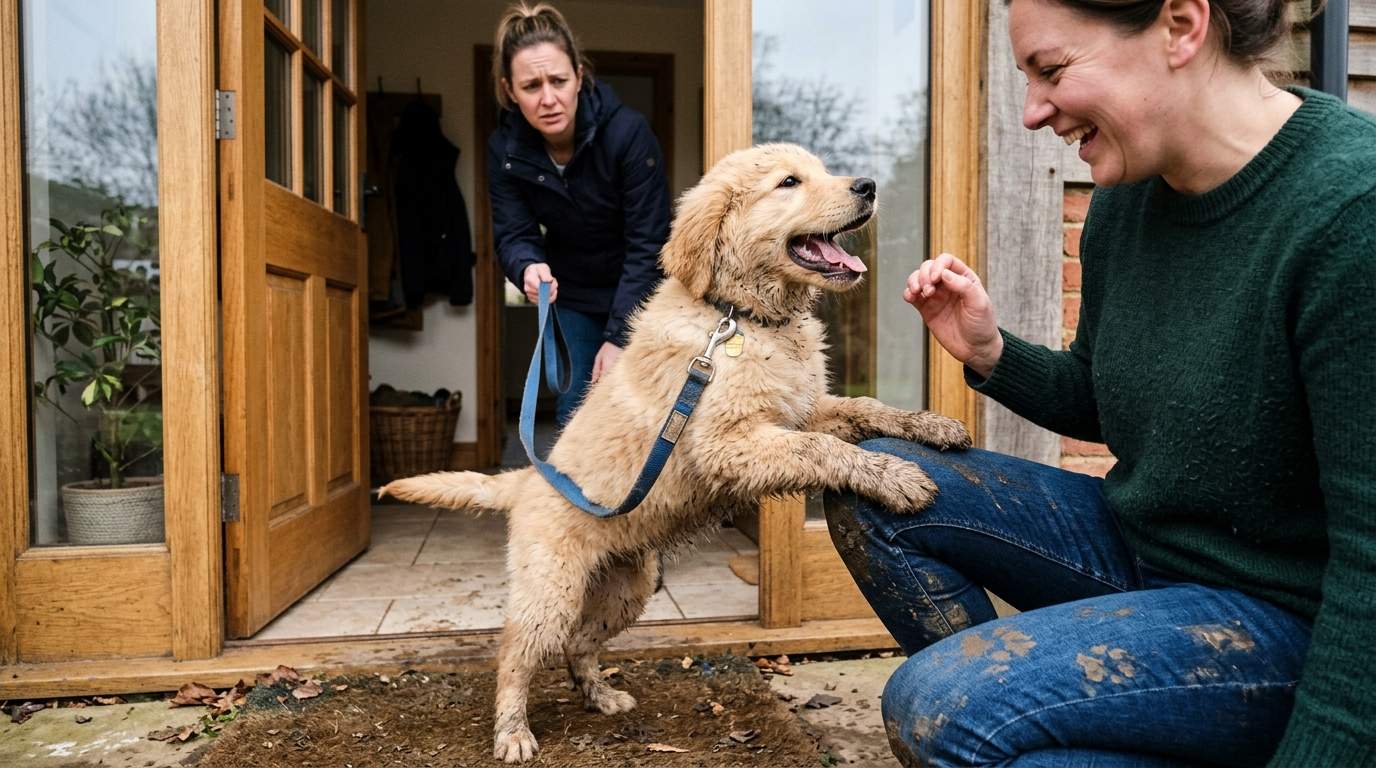
You pour your morning coffee and open the back door. Your golden retriever, Sunny, races straight to the lawn. He lowers his head and starts grazing – methodically nibbling blade after blade of grass. Ten minutes later, he vomits a foamy pile of green mush onto your clean kitchen floor.
E.g. :Puppy Paws Pressing Crate Bars at Midnight: Why Silence Fuels More Whines?
He looks up at you, tail still wagging.
“Stupid dog,” you sigh, wiping it up. “Why do you keep doing that? You know it makes you sick.”
But here is the uncomfortable question Sunny’s morning ritual raises: what if he is not being stupid? What if that daily grass binge is actually a deeply wired, intelligent behavior – and your frustration is missing the real message?
Popular belief says dogs eat grass to make themselves vomit when they feel unwell. It sounds logical. But research tells a different story. A large survey of dog owners found that fewer than 25% of dogs who ate grass regularly vomited afterward. The other 75% digested it just fine.
Wolves and wild canids eat grass frequently – not as a medicine, but as a natural part of their diet. Stomach contents of wild wolves show grass in up to 74% of samples. Grass provides fiber, roughage, and trace nutrients that help move parasites and indigestible matter through the gut.
Sunny is not nauseous. He is following an ancestral recipe written in his DNA.
Before you assume your dog has a stomach ache, consider these far more common explanations.
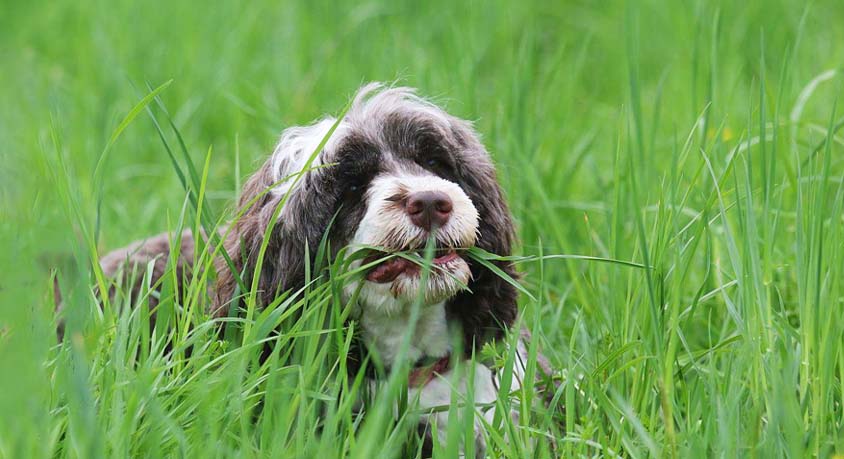
Most commercial dog foods are low in plant fiber. A dog whose diet lacks roughage may instinctively seek grass to bulk up stool and keep the colon moving smoothly. One of my clients switched her grass-obsessed beagle to a high-fiber vegetable topper (cooked green beans and pureed pumpkin). The grass eating dropped by 80% within two weeks.
Dogs are natural scavengers. A grassy yard is a buffet of smells, textures, and the thrill of “hunting” with their mouths. Many dogs eat grass simply because they are under-stimulated. The morning routine becomes a repetitive, self-soothing behavior – like a human chewing gum.
I worked with a young Australian shepherd who ate grass obsessively every morning. His owner worked long hours. We added a fifteen-minute sniffing walk before breakfast and a frozen lick mat during the owner’s shower. The grass grazing stopped. He wasn’t sick. He was starved for mental work.
Most grass eating is harmless. But context matters. Here is when you should stop watching and start worrying.
A ten-year-old dog who never ate grass suddenly starts devouring it daily. This pattern – especially if paired with weight loss, bad breath, or vomiting undigested food – can signal inflammatory bowel disease, exocrine pancreatic insufficiency, or even a slow-growing stomach tumor. Call your vet.
A dog who races to eat grass, then dirt, then mulch, then houseplants, all in a frantic way – that is pica. Possible causes include anemia, liver disease, or certain nutritional deficiencies (rare in balanced diets but possible). A blood panel gives answers.
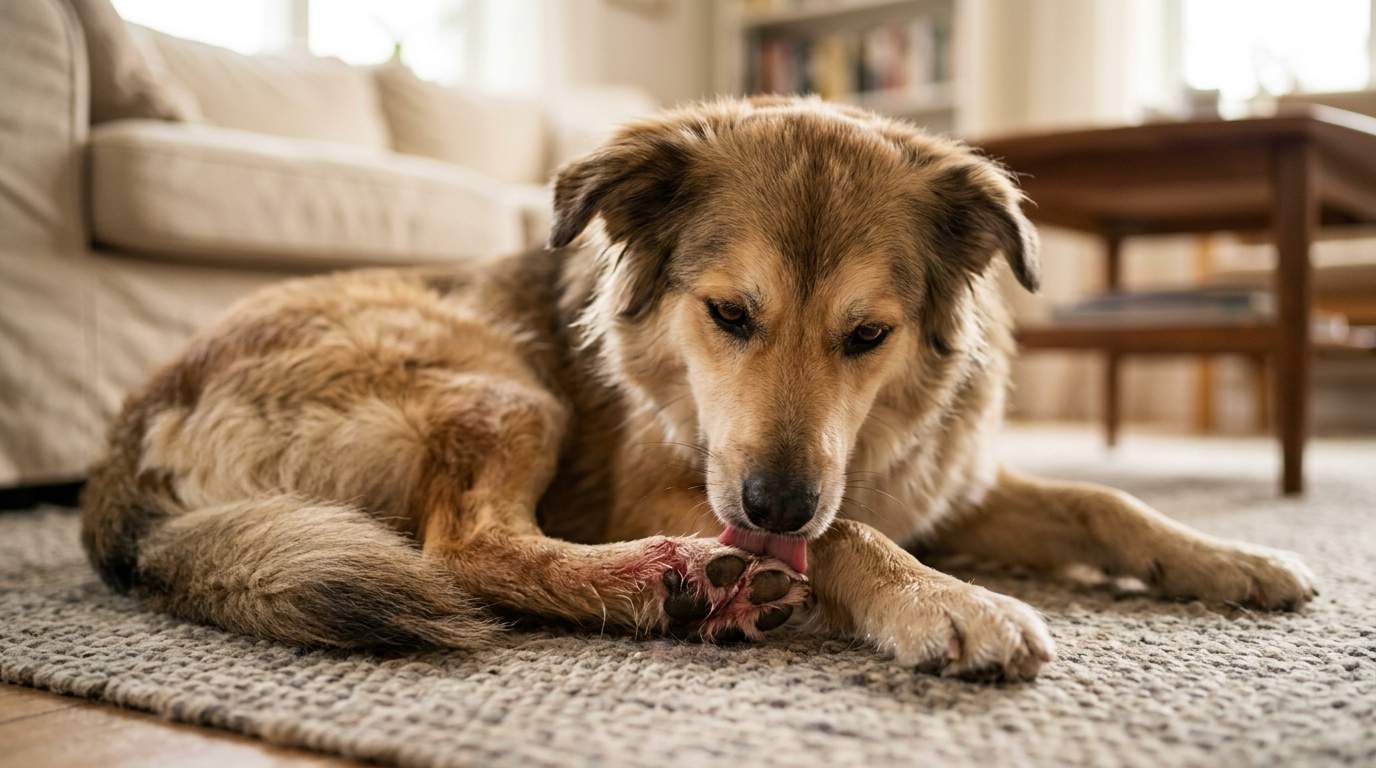
If your dog grazes and also drools excessively, licks his lips, or gags without producing vomit, he may have something stuck in his throat (a grass awn) or an irritated esophagus. This is not a habit. This is a physical problem.
You do not need to eliminate the behavior completely. You need to redirect it and rule out medical causes.
Before assuming illness, try this: offer a small handful of washed, chopped romaine lettuce, cucumber slices, or steamed green beans when your dog asks to go outside. Many dogs will accept the vegetable instead of the lawn. If he refuses and still demands grass, that is more likely a dietary need than boredom.
Feed breakfast through a snuffle mat or scatter kibble across a clean towel rolled into a spiral. Let your dog use his nose for ten minutes before he ever sees the yard. A mentally satisfied dog is far less likely to graze out of habit.
Not all grass is safe. Lawns treated with pesticides, herbicides, or fertilizers can cause acute poisoning. Signs include tremors, excessive drooling, and bloody vomit. If your neighbor uses chemicals or you live near a golf course, supervise outdoor time strictly.
Also watch for foxtails or grass awns – sharp, barbed seeds that can embed in the gums, throat, or intestines. A dog who eats grass and then repeatedly swallows, coughs, or rubs his face needs an immediate vet check.
After years of cleaning Sunny’s green vomit, his owner finally understood. She added fiber to his dinner, started a five-minute scent game before potty breaks, and asked her lawn service to switch to pet-safe products. Sunny still nibbles grass – but only a few blades, rarely vomits, and wags his tail with a different rhythm.
“I thought he was broken,” she told me. “He was just being a dog. A very old-fashioned dog.”
Next time your dog drops his nose to the lawn, don’t grab the paper towels first. Watch him. Is he casual or frantic? Does he vomit every time or only sometimes? Is he bored, hungry for fiber, or truly uncomfortable?
The grass is not the enemy. And your dog is not being difficult. He is speaking a language older than collars and kibble bags – a language of wild bellies and quiet instincts. Listen with curiosity, not frustration. You might find that the only thing he needed to digest was your patience.