Your Dog Destroys the Couch When You Leave – It’s Not Revenge, It’s Panic
- Quick Tags: dog separation anxiety, leaving dog home alone, destructive behavior in dogs, how to fix separation anxiety
- Editor: Chloe Jones
- Updated: Jun,15,2026
- Views: 424.2k

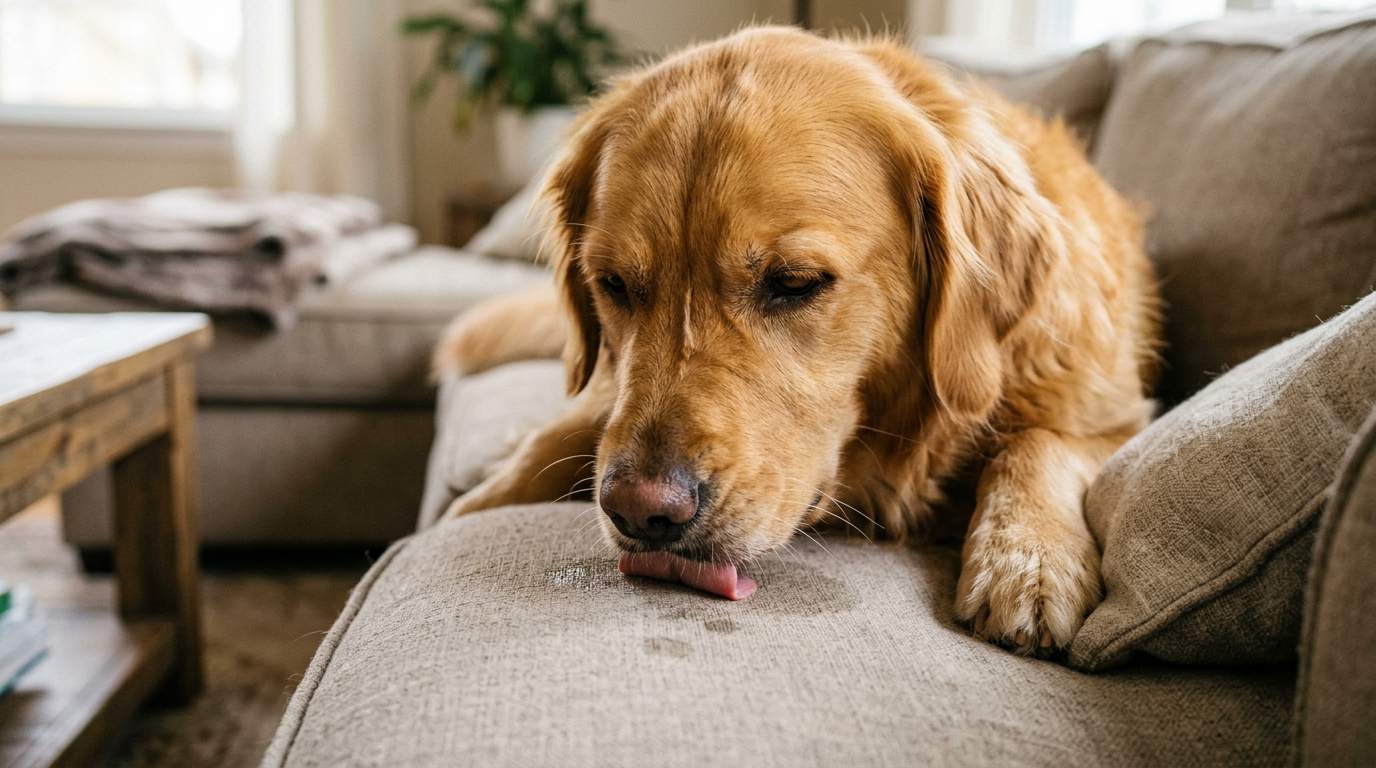
You grab your keys. Your dog’s ears drop. By the time you close the door, the crying starts. Two hours later, you come home to shredded pillows and a guilty-looking face.
E.g. :The Cute Animal That Broke My Heart And Almost Killed Me in the Process
“Is he mad at me for leaving?” you wonder. “Does he need more discipline?”
Here’s the truth that changed everything for me: Destructive behavior when you leave isn’t revenge. It’s a full-blown panic attack. And punishing your dog for it only makes the fear worse.
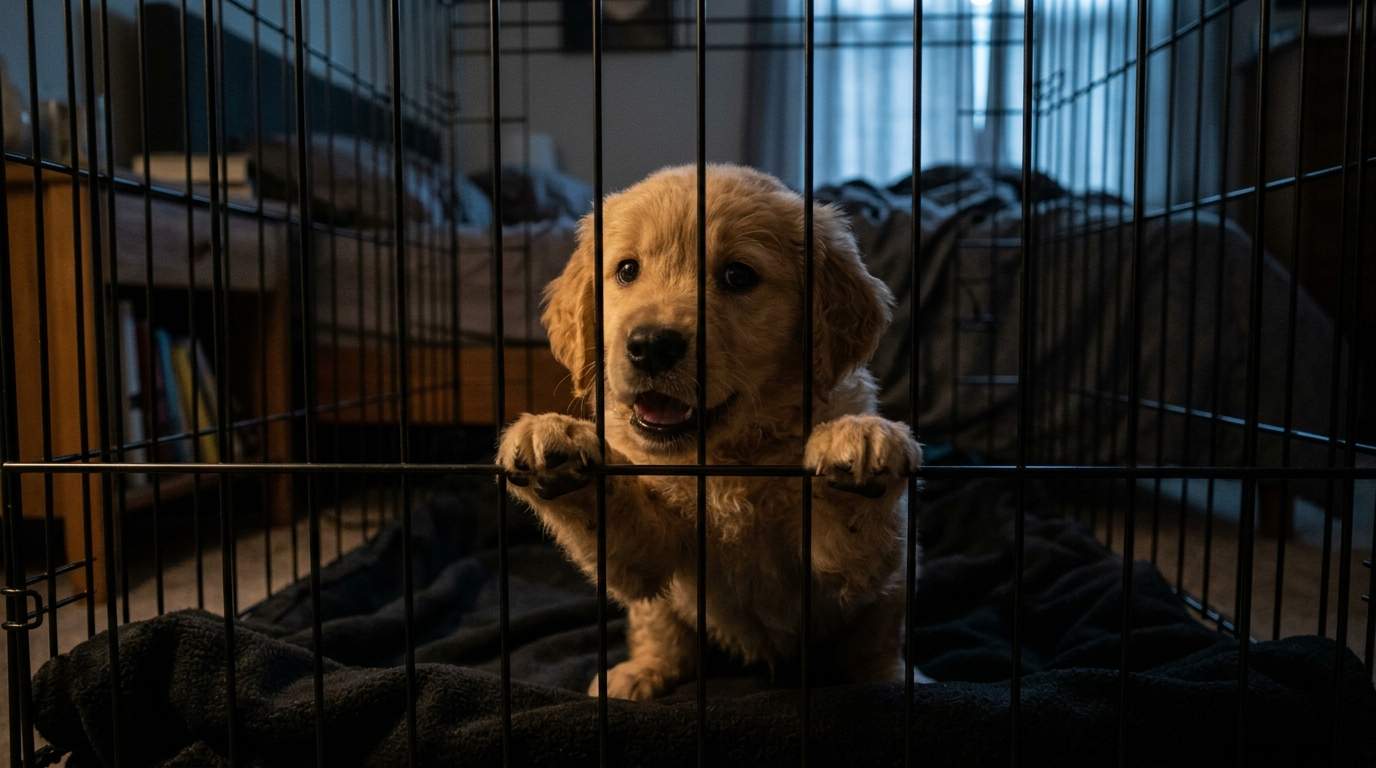
I once worked with a rescue terrier named Gus. His family came home to chewed baseboards every single day. They scolded him. They tried a crate. Gus bent the metal bars and cut his gums.
They thought he was “bad.”
But when I watched a video of Gus alone, I saw the truth: pacing, panting, drooling, then frantic chewing. Those are clinical signs of anxiety – not spite.
Challenge the conventional wisdom: Dogs don’t understand “you left me alone, so I’ll ruin your shoes.” What they understand is panic. Chewing releases endorphins that briefly calm their terrified brain.
Millions of dogs spent their first two years with humans home 24/7. Now you’re gone eight hours. That’s not a mild adjustment. That’s emotional whiplash.
Breeds prone to separation anxiety: Velcro dogs like Vizslas, German Shepherds, and even mixed-breed rescues with unknown pasts. But any dog can develop it after a routine change.
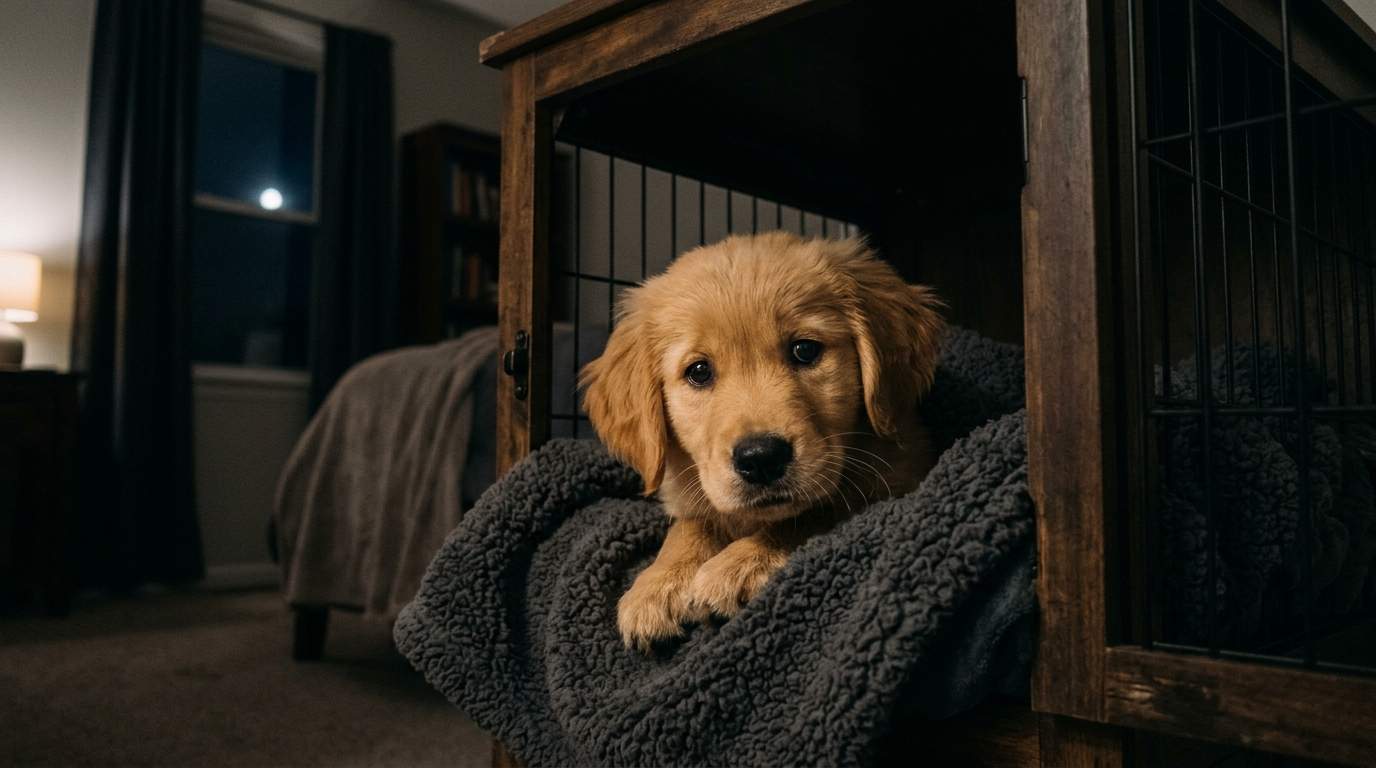
Many owners think: “Crate = safe den.” But for an anxious dog, a locked crate is a trap. They can’t escape the trigger (you leaving), so panic escalates.
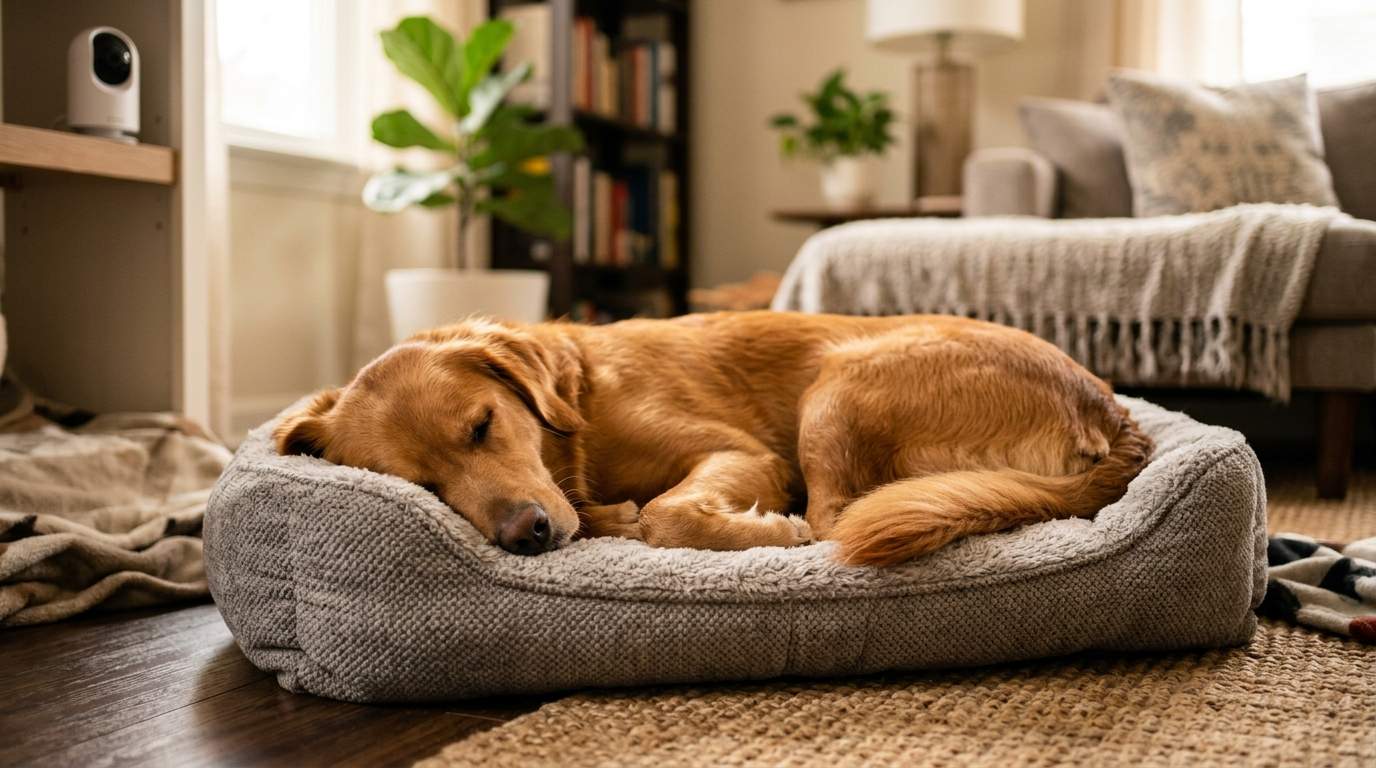
Gus’s family stopped using the crate completely. Instead, we used a small, puppy-proofed room with a calming dog bed (raised edges mimic snuggling) and left the door open. Panic behaviors dropped by half within a week.
The rule: Use a crate only if your dog already loves it. If they resist, don’t force it. Safety comes first.

There’s no quick fix. But with two weeks of consistency, you’ll see real change.
Your keys, coat, and shoes are triggers. For three days, pick up your keys… then sit back down. Put on your coat… then watch TV. Break the link between “preparation” and “abandonment.”
Leave the room. Count to five. Come back. No drama. Do this 20 times a day. Slowly increase to 10 seconds, then 30, then a minute. Your dog learns: leaving always means returning.
Give a treat puzzle toy stuffed with peanut butter or wet food. Only offer it when you leave. Your dog starts to associate your departure with something delicious. One client’s husky went from eating drywall to eagerly watching her grab the puzzle toy.
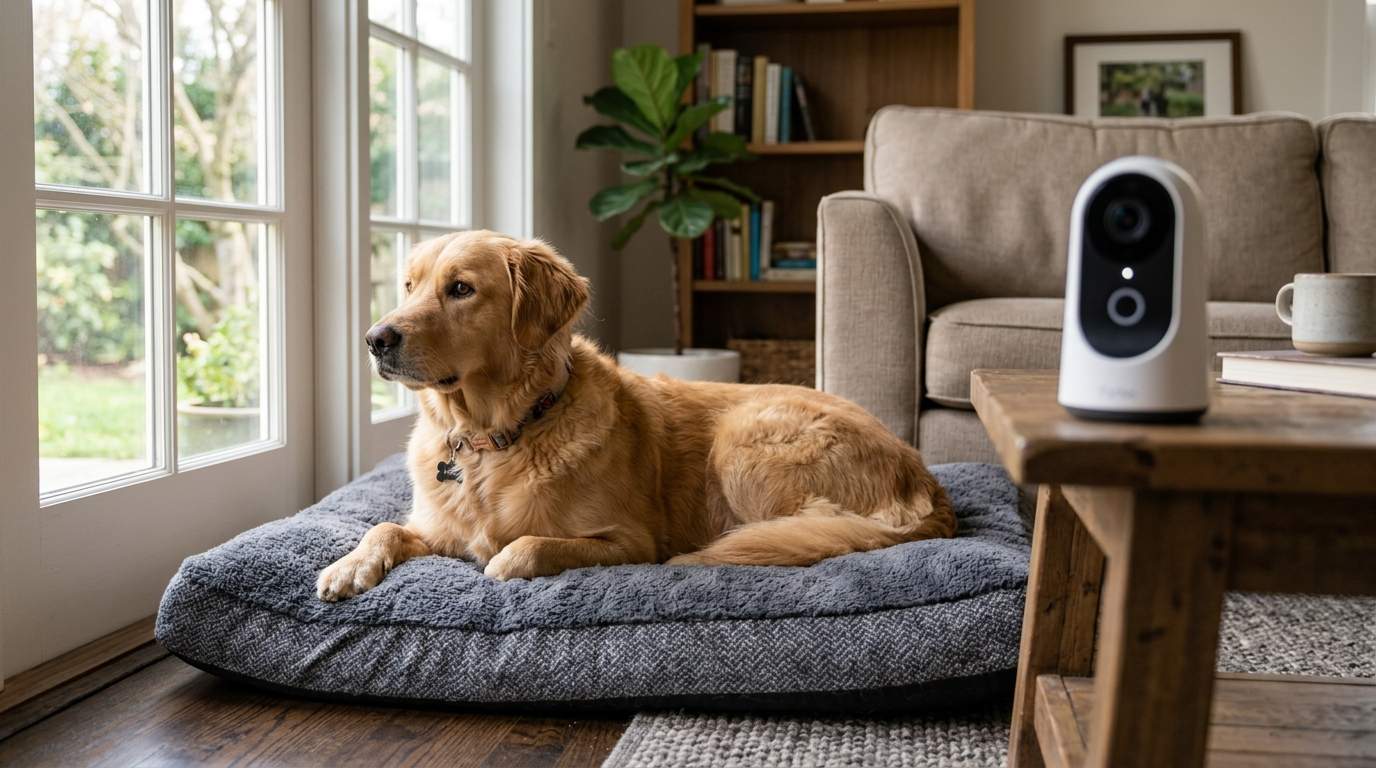
Use it to toss a treat when your dog is calm – not when they’re panicking. Remote rewards reinforce quiet behavior. But never talk through the speaker during a meltdown; your voice without your body confuses them more.
Synthetic dog-appeasing pheromones mimic the scent a mother dog releases. Plug one in near their resting area. Studies show it reduces anxiety signs by 40-60% in mild to moderate cases.
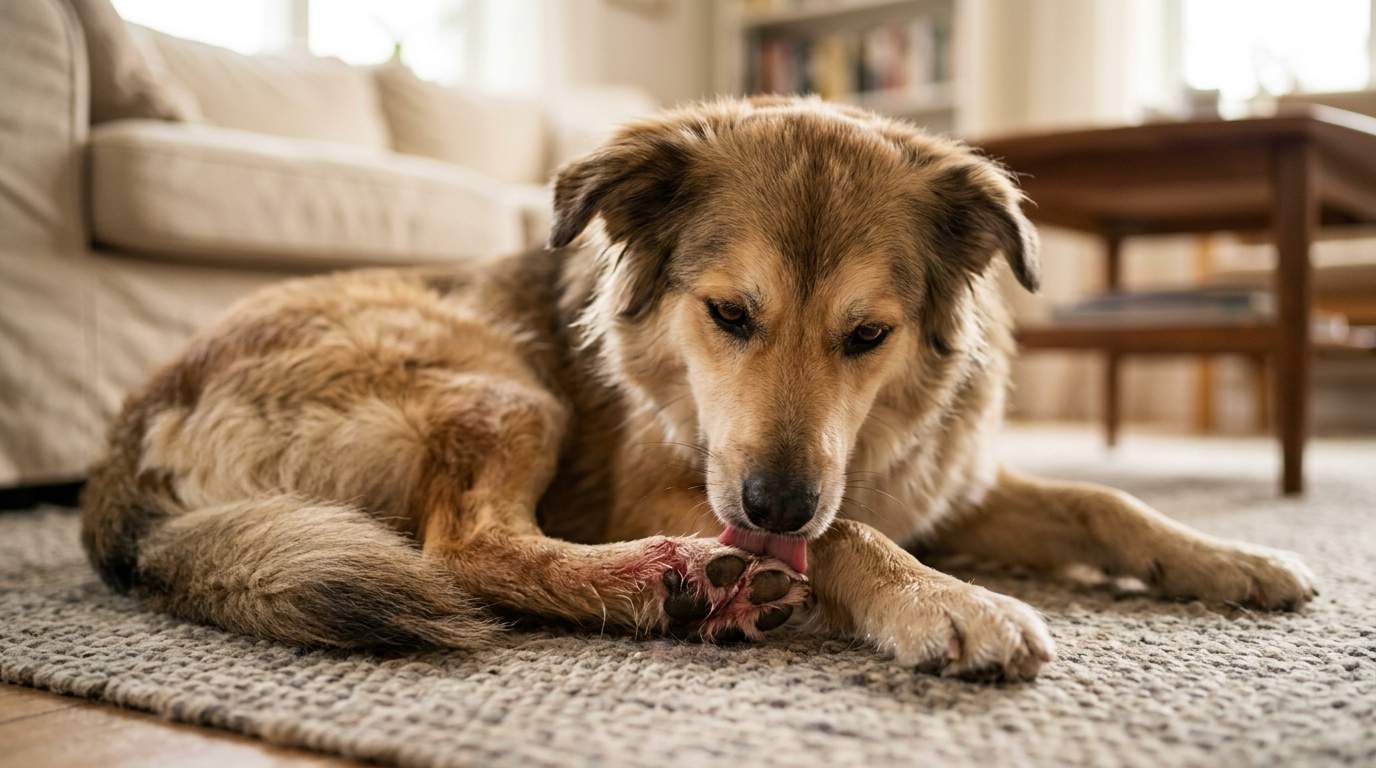
If your dog injures themselves (bent crate bars, bloody paws, broken teeth) or you’ve tried for a month with no improvement, seek a certified separation anxiety specialist. Some cases require medication – and that’s okay.
One of my clients felt like a failure putting her dog on Prozac. Two weeks later, she sent me a video: her dog napping calmly on the couch for three hours alone. “I got my life back,” she said. “And he got his peace back.”
You are not a bad owner because your dog panics when you leave. You’re just dealing with a medical condition – anxiety – that happens to look like destruction.
Start tomorrow with the 5-second rule. Pick up your keys and put them down ten times. Then leave for 10 seconds and return with a treat.
Your dog isn’t trying to ruin your home. He’s trying to survive your absence. And with small, patient steps, you can teach him that you always come back.
You’ve got this. And he trusts you more than you know.