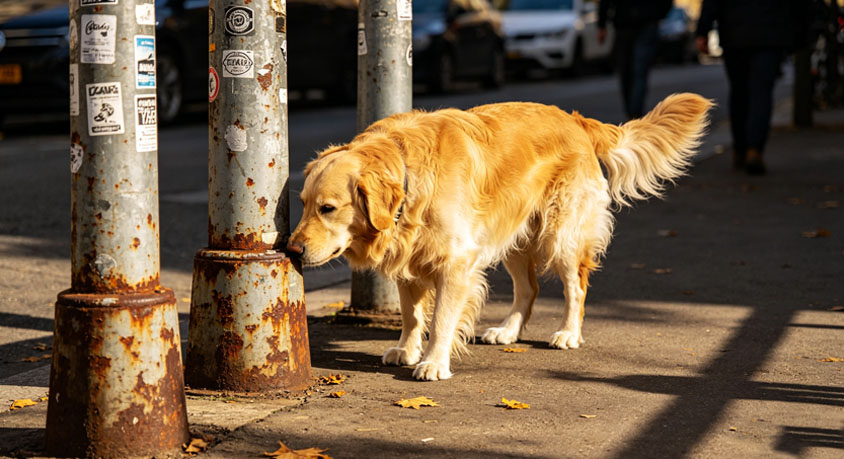
The dog who stops to sniff every lamppost: not stubborn, just overwhelmed
- Quick Tags: dog sniffing behavior, mental enrichment for dogs, leash walking tips, canine stress relief
- Editor: Chloe Jones
- Updated: Apr,24,2026
- Views: 310.2k

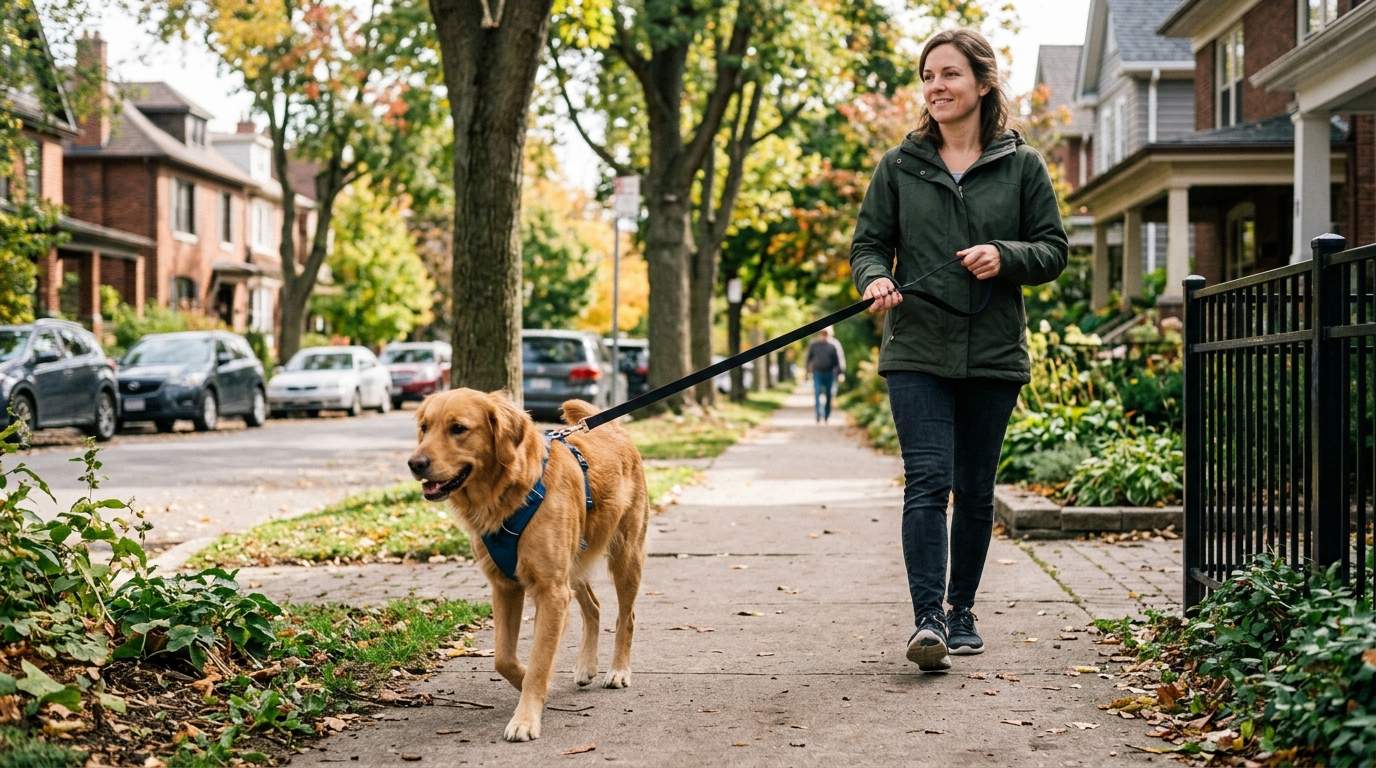
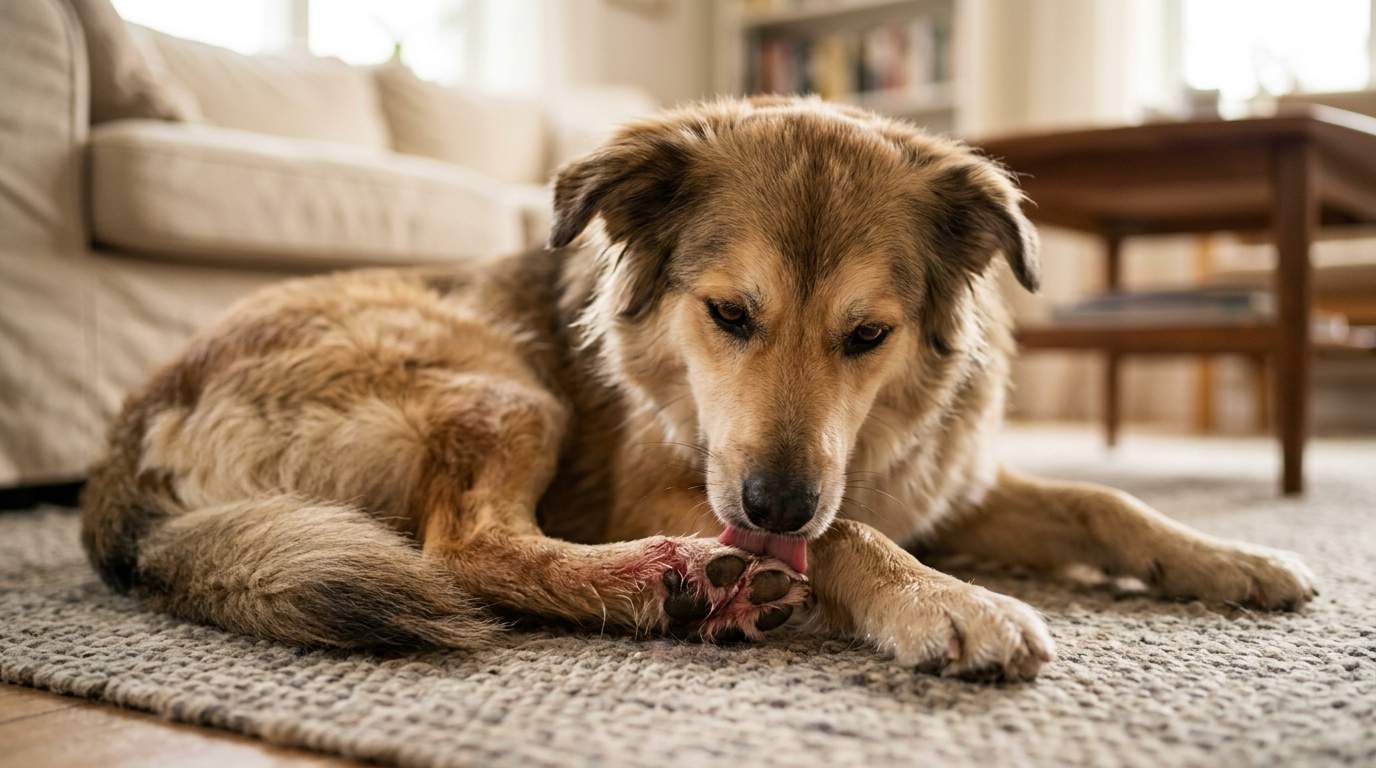
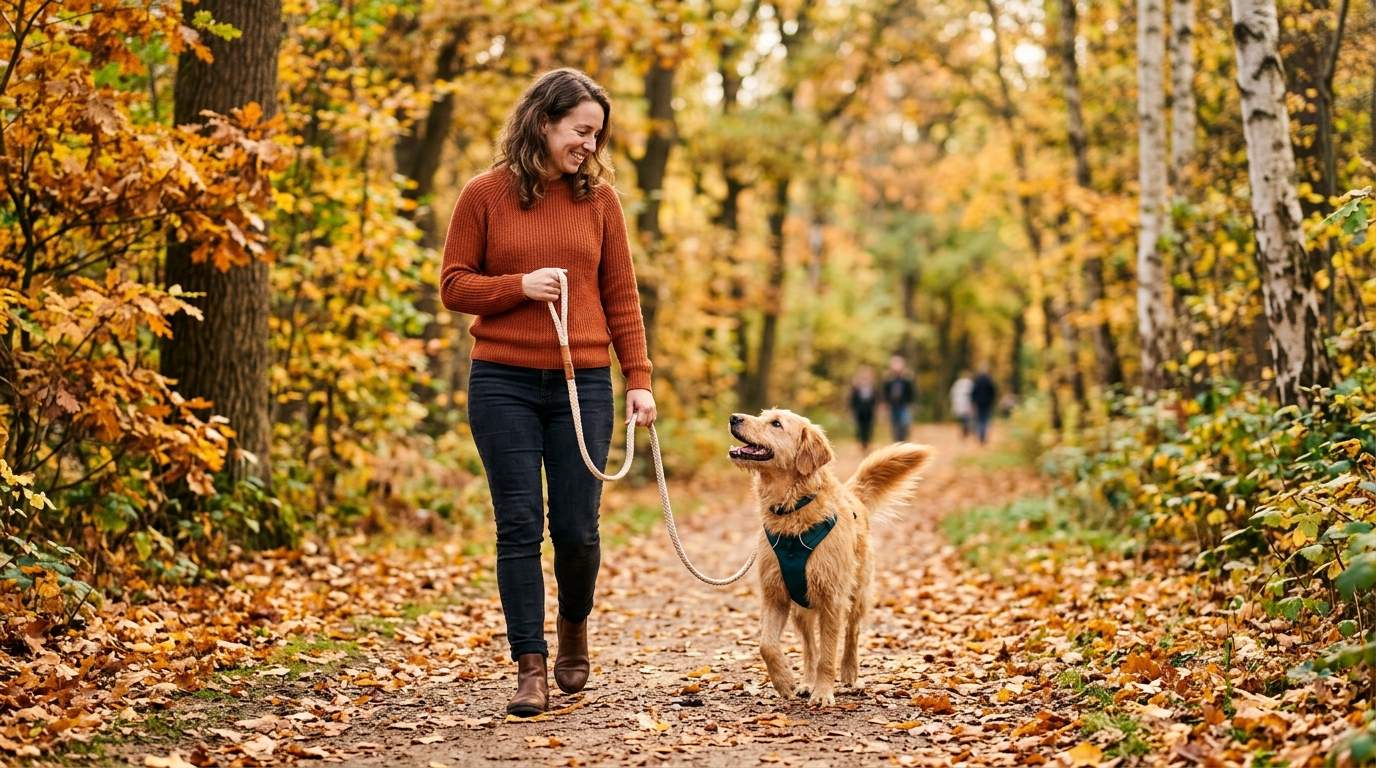
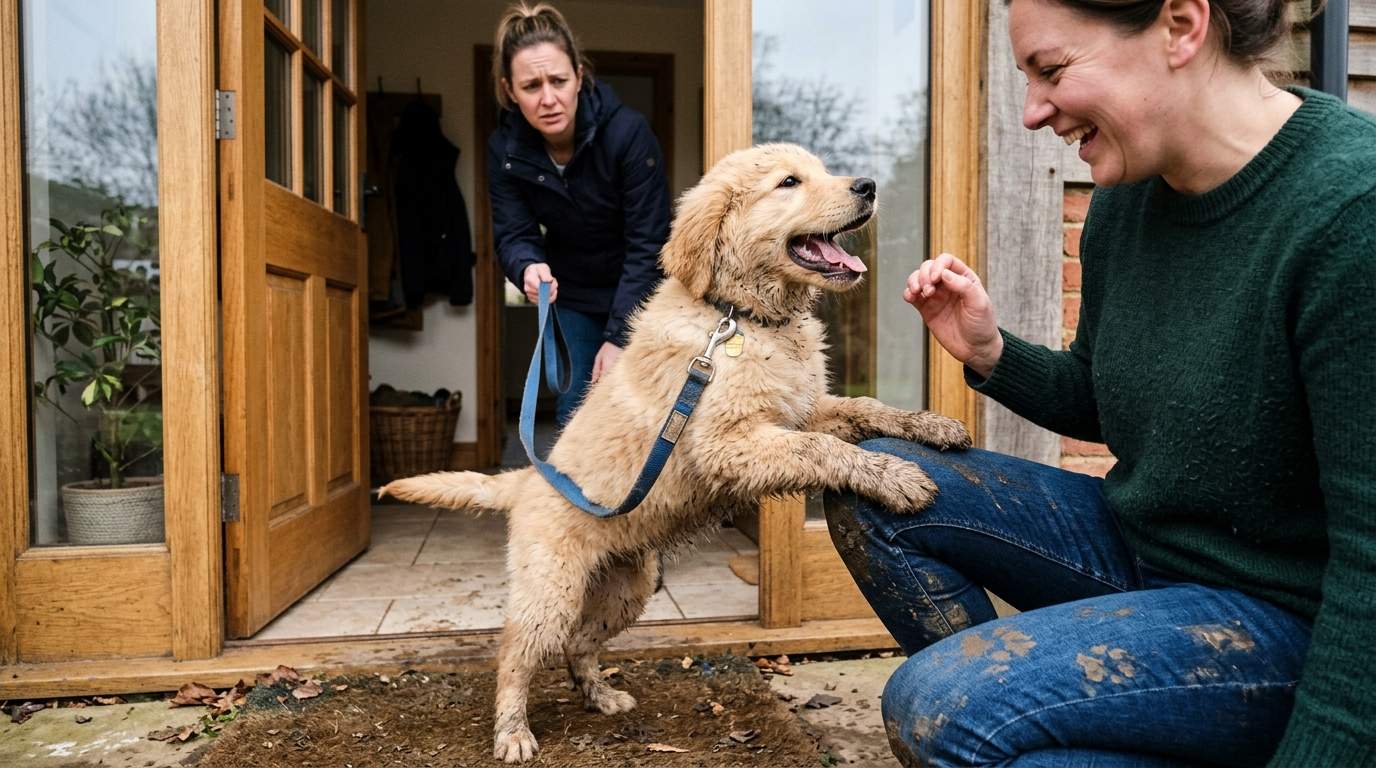
You lace up your boots, clip on the leash, and announce, “Walk time!” Your dog, Otis, rockets out the door. Then, three steps onto the sidewalk, he slams on the brakes. His nose locks onto a wilted dandelion. He sniffs. And sniffs. And sniffs some more. You sigh, tug the leash gently, and say the words you’ve said a hundred times: “Come on, buddy. We don’t have all day.”
E.g. :When a parrot fluffs up: cozy posture or a silent emergency?
Otis doesn’t budge. You feel the familiar flicker of irritation. Why is he so stubborn?
But here is the truth that changes every walk: Otis is not being difficult. He is reading the morning news, catching up with neighborhood friends, and calming his nervous system – all through that one wet, twitching nose. And every time you rush him past a sniff, you aren’t saving time. You are accidentally turning his walk into a source of frustration.
Most of us believe a “good walk” means covering distance. Miles matter. Steps count. But research in canine ethology shows that fifteen minutes of uninterrupted sniffing lowers a dog’s heart rate and cortisol levels more effectively than a sixty‑minute power walk.
A dog’s nose contains up to 300 million olfactory receptors (humans have about six million). When Otis sniffs a lamppost, he is decoding a complex chemical signature: the age, sex, health, diet, and emotional state of every dog who passed by in the last 24 hours. This is not a delay. This is cognitive enrichment. Each sniff fires neural pathways that tire his brain the same way a puzzle tires yours.
One of my clients, a high‑energy border collie named Ziggy, would pace and whine after long runs. His owner switched to “sniff walks” – zero distance goals, just sniffing. After twenty minutes of nose work, Ziggy slept for four hours. He wasn’t stubborn. He was starved for mental input.
Here is the challenge to a popular belief: constantly asking your dog to “leave it” or “come on” during sniffing does not teach patience. It teaches learned helplessness. Over time, the dog stops sniffing not because he is calm, but because he has given up. His cortisol stays high. His tail drops. He walks beside you, but he is not relaxed.
Many owners unknowingly keep mild tension on the leash at all times. That constant pressure – even a gentle pull – is a low‑grade stressor. Your dog learns that the world smells interesting but he is not allowed to explore it. The result? A dog who pulls harder, lunges, or shuts down.
I worked with a rescue pit bull named Rosa who would frantically spin in circles on walks. The owner thought she was anxious by nature. We switched to a long line (15 feet) and gave Rosa permission to sniff without interruption. Within three days, the spinning stopped. Rosa wasn’t an anxious dog. She was a frustrated scientist with no lab time.
A walk that is all go, no sniff, no stop, no choice – that walk raises adrenaline. The dog returns home physically exercised but mentally under‑stimulated. And an under‑stimulated brain often looks like hyperactivity: zoomies, barking, shredding pillows.
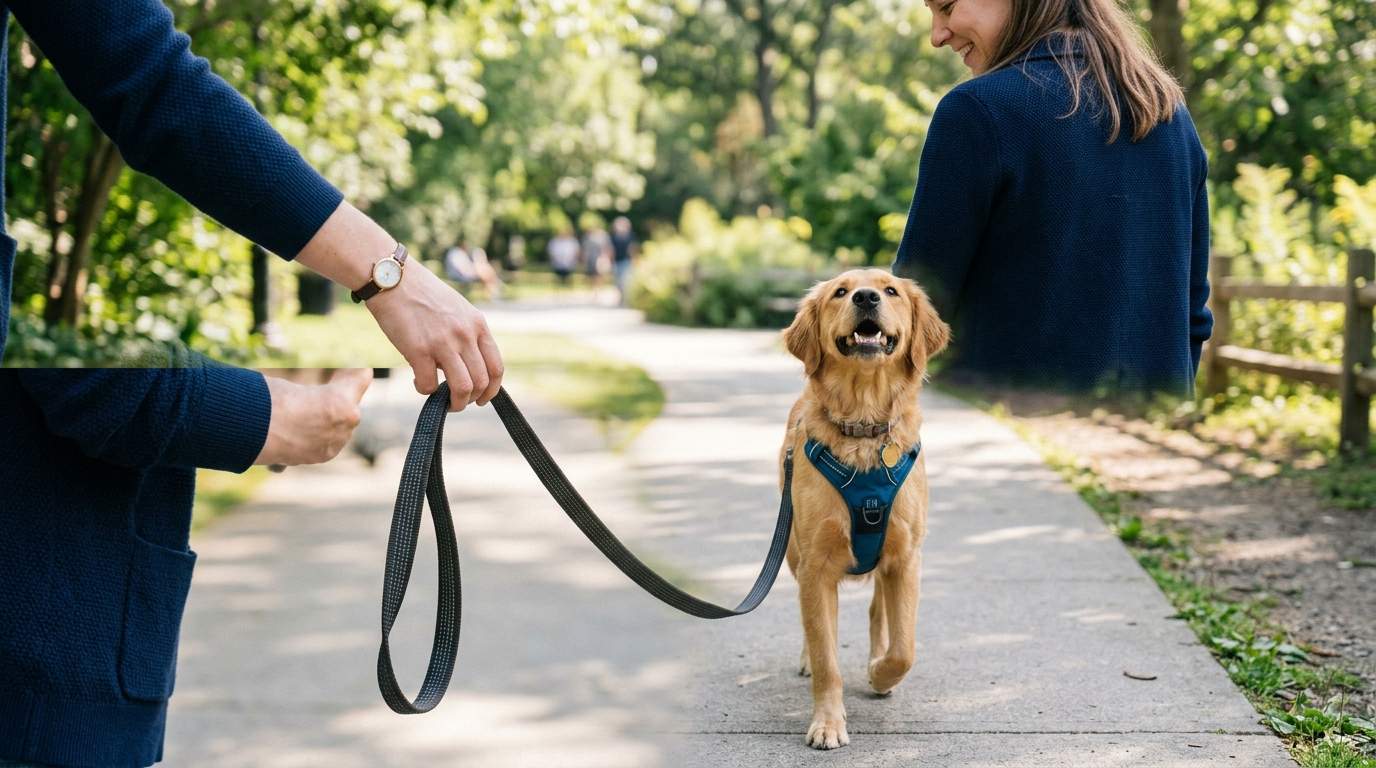
You do not need to let your dog sniff every blade of grass for five minutes. You just need to stop fighting the sniff. Try this: when your dog stops to investigate, count to three silently. Then say “OK, let’s go” in a cheerful voice, give a tiny treat, and walk on. That three‑second pause signals safety. Your dog learns that he will get to sniff, so he doesn’t have to brace against the leash.
Within a week, most dogs start moving more willingly. Not because they gave up, but because they trust you to honor their curiosity.
You don’t need a forest or an hour. Even urban sidewalks offer rich scent landscapes. Here is how to transform a frustrated walk into a calming ritual.
Drive to a quiet parking strip or a grassy median. Attach a long line (10–15 feet). Stand still. Let your dog choose where to go and how long to sniff. You are not walking. You are supervising a research project. Ten minutes of this is more restorative than thirty minutes of heel training.
Before leaving the house, toss your dog’s breakfast kibble onto a snuffle mat or a clean towel rolled into a spiral. Let him sniff out every piece. This “nose warm‑up” lowers baseline arousal, so he is less likely to pull and more likely to sniff calmly on the walk.
Hide small treats around one room while your dog waits in another. Release him with “find it!” This indoor scent game builds the same neural pathways as outdoor sniffing. On days when rain or time cuts the walk short, a ten‑minute hide‑and‑seek session can be a complete mental workout.
Of course, not all intense sniffing is healthy. Watch for these patterns:
Obsessive, non‑stop sniffing of one spot – could indicate a female in heat, spilled food, or a buried toxin.
Sniffing followed by sudden refusal to move – possible paw or joint pain.
Desperately sniffing the ground while ignoring all treats – sometimes a sign of nausea or a gastrointestinal issue.
If your dog’s sniffing habits change abruptly, or if he seems unable to stop even when you offer high‑value treats, a vet check is wise. But for the vast majority of healthy dogs, that stubborn pause at the lamppost is not a problem. It is the solution.