The Midnight Stare: Why Your Senior Dog Suddenly Forgets the Way Home
- Quick Tags: Senior Dog Care, Canine Cognitive Dysfunction, Dog Dementia Symptoms, Elderly Pet Wellness
- Editor: Chloe Jones
- Updated: Apr,27,2026
- Views: 296.8k

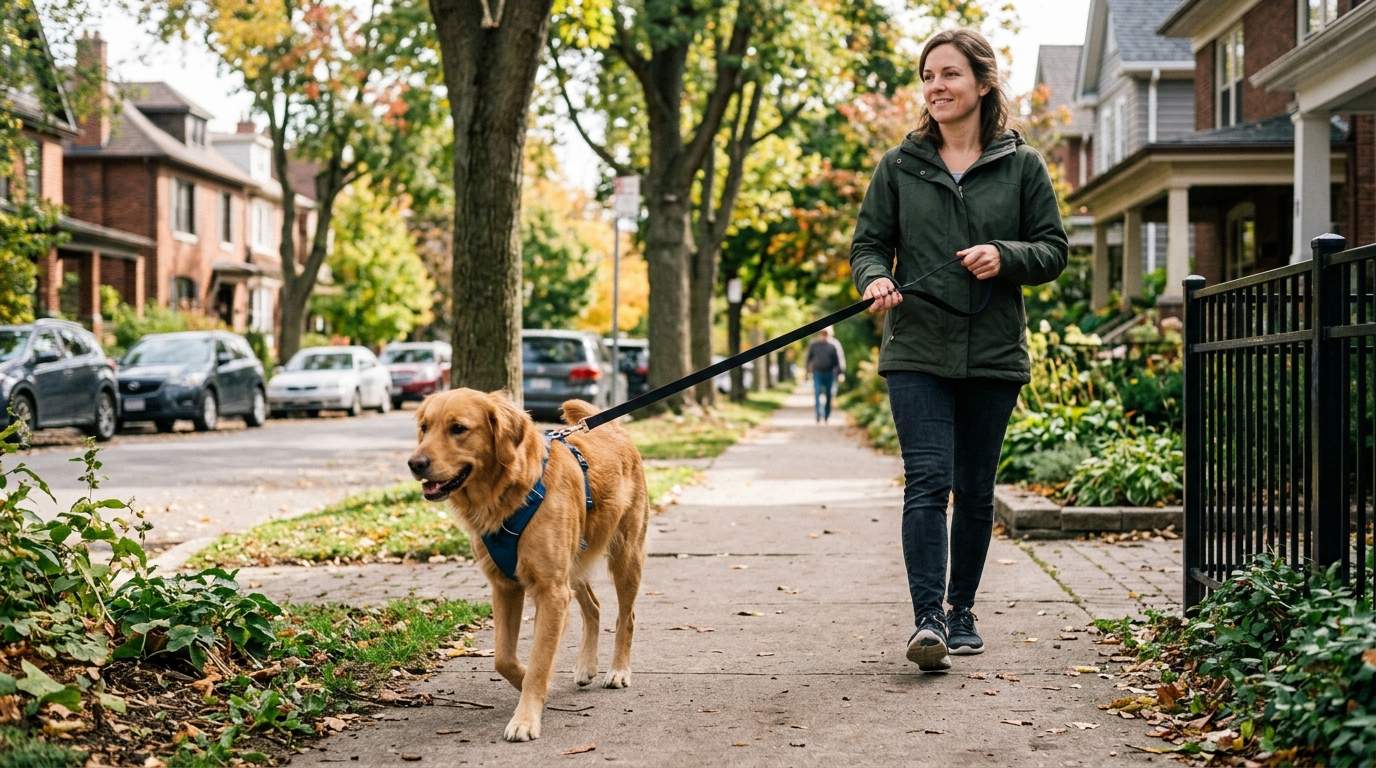
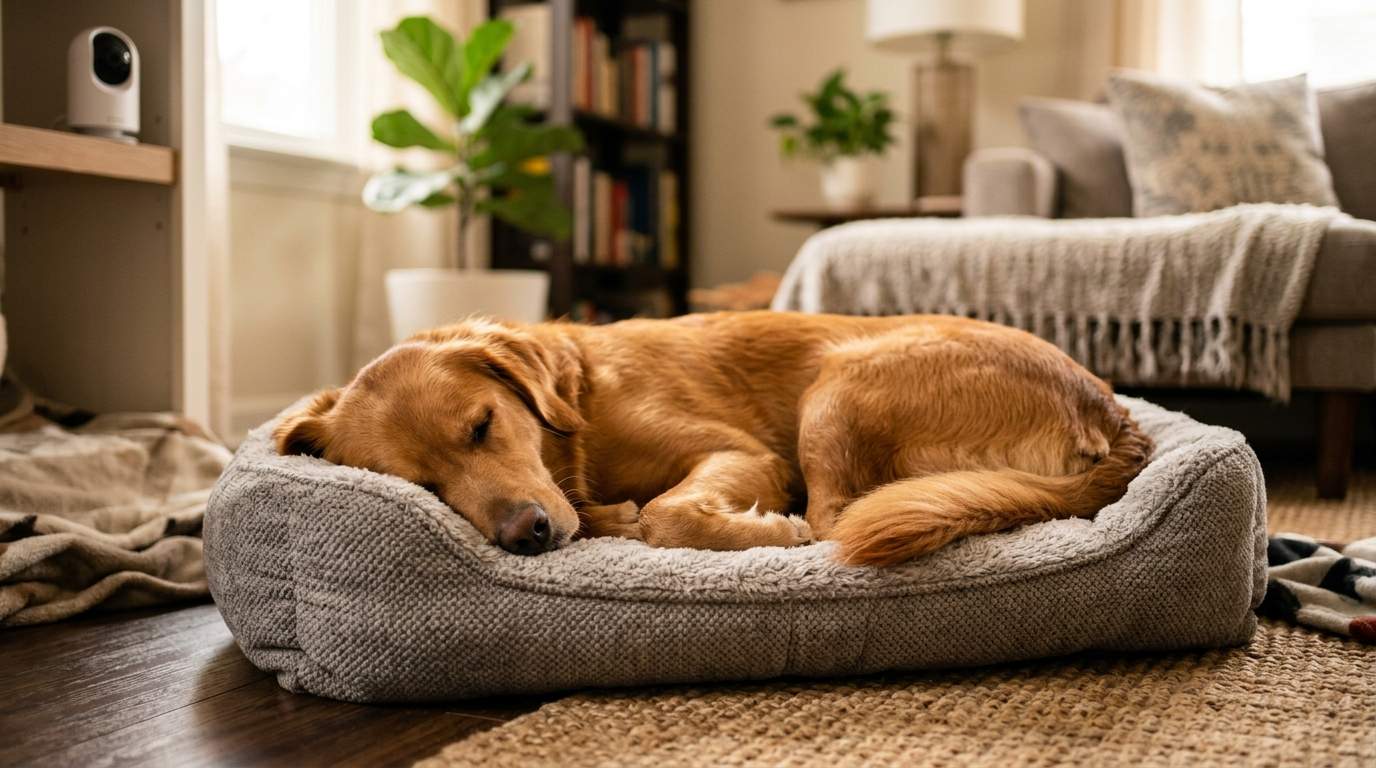
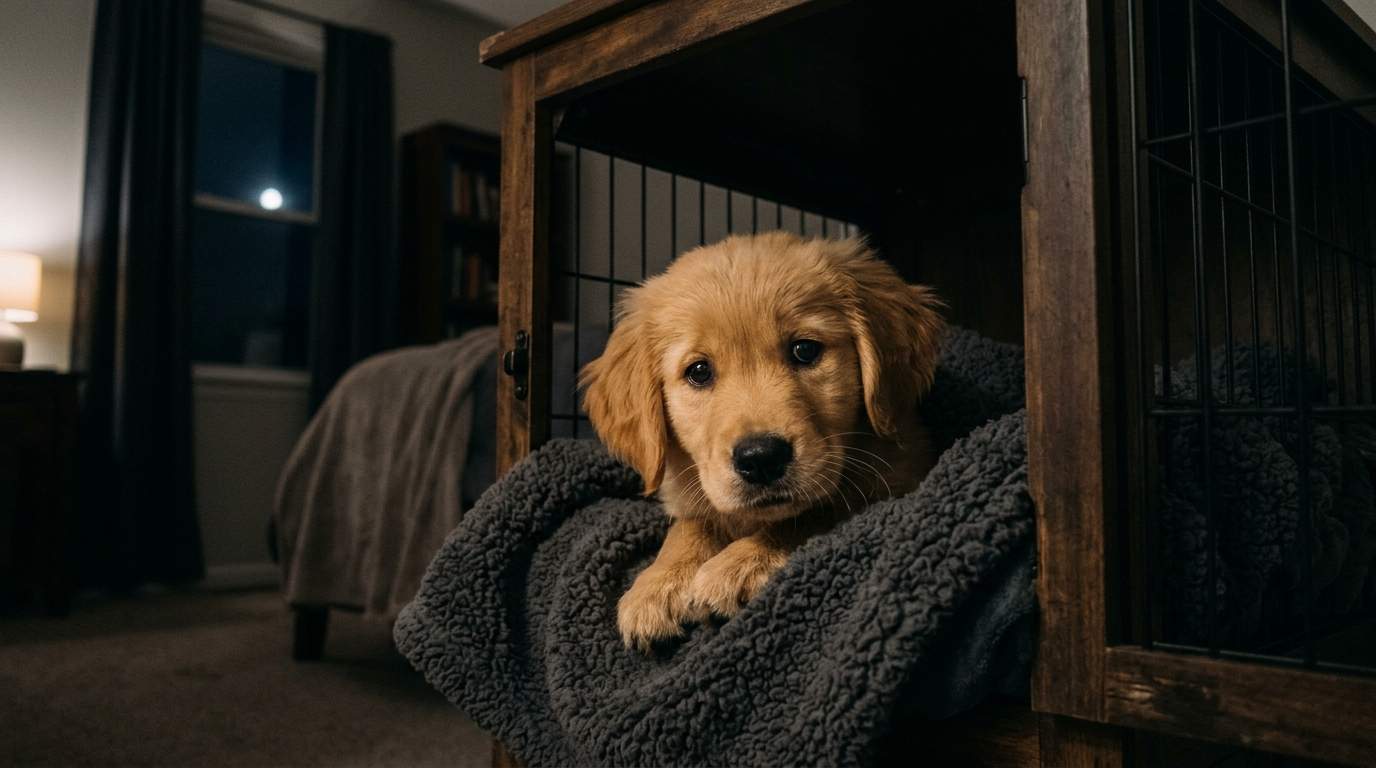
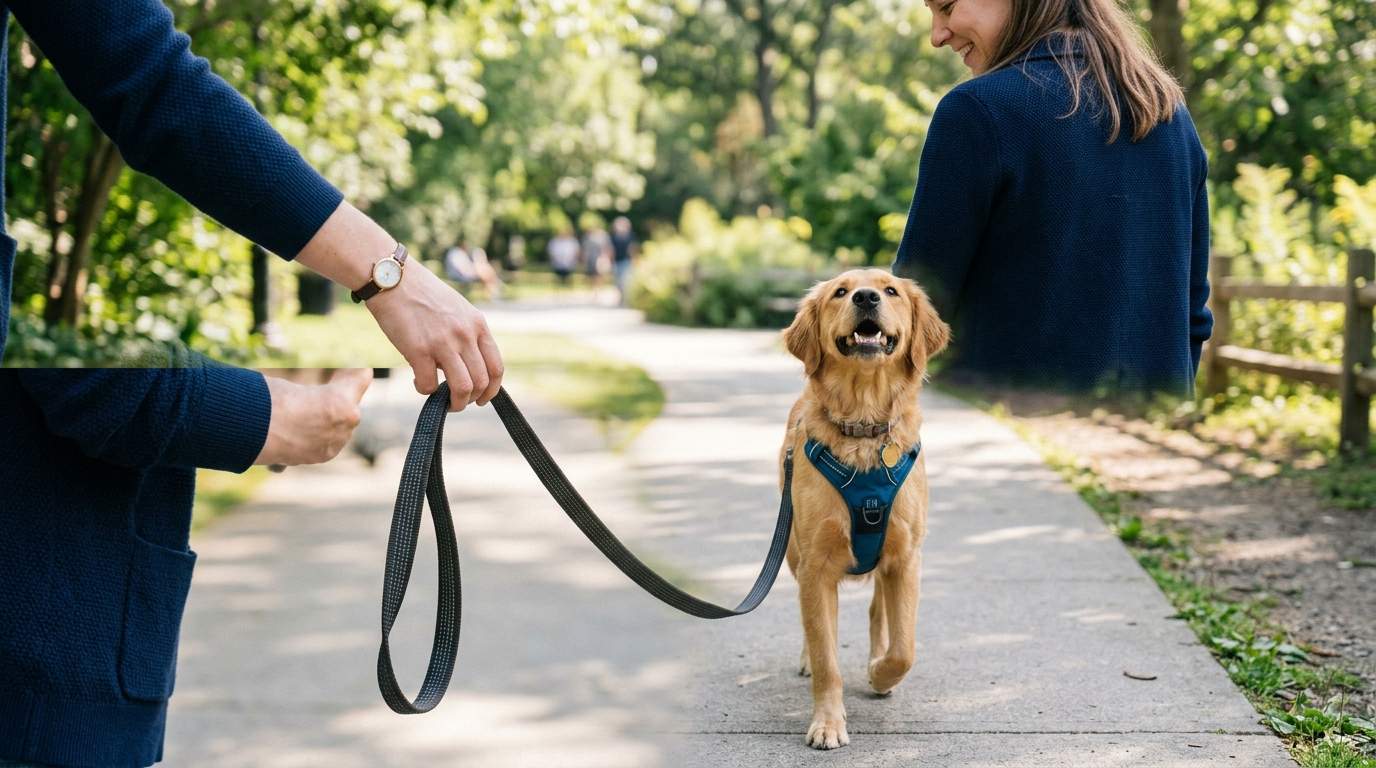
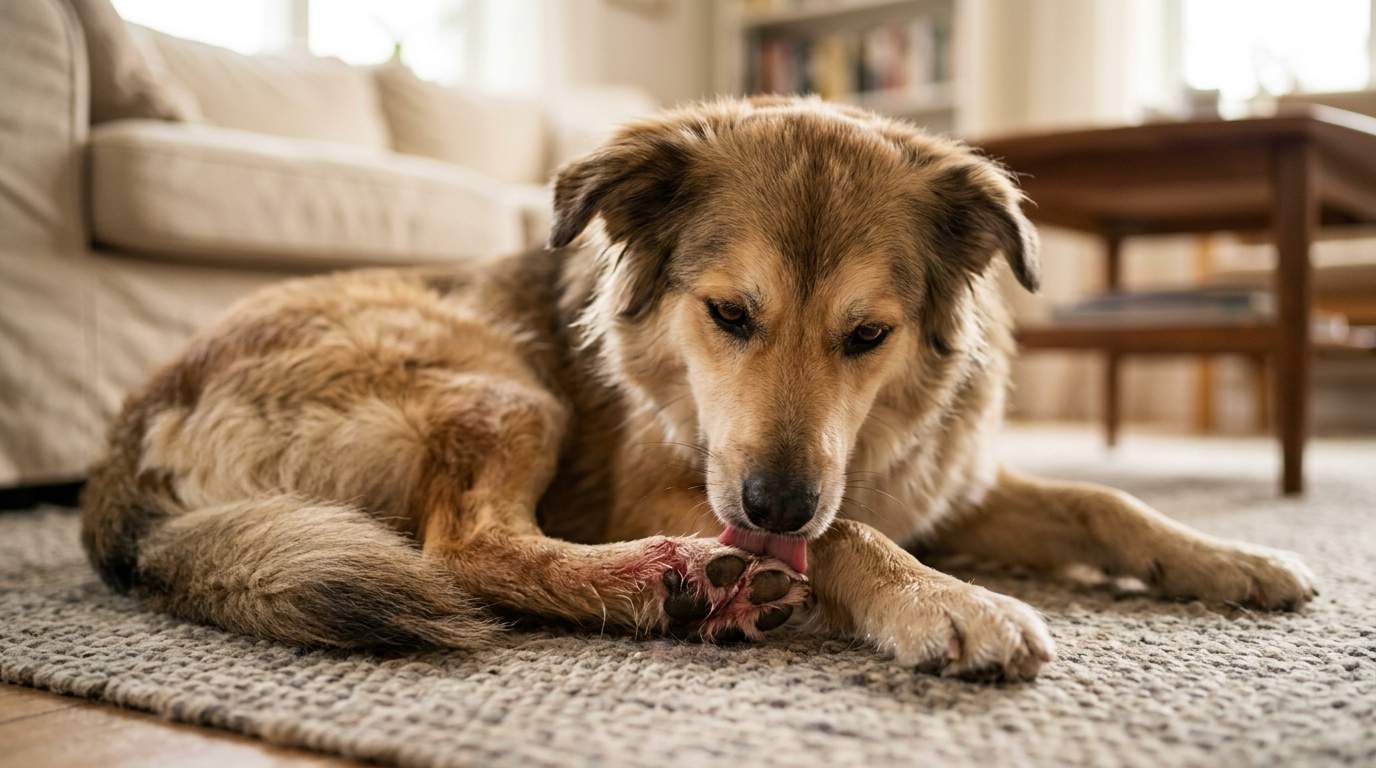
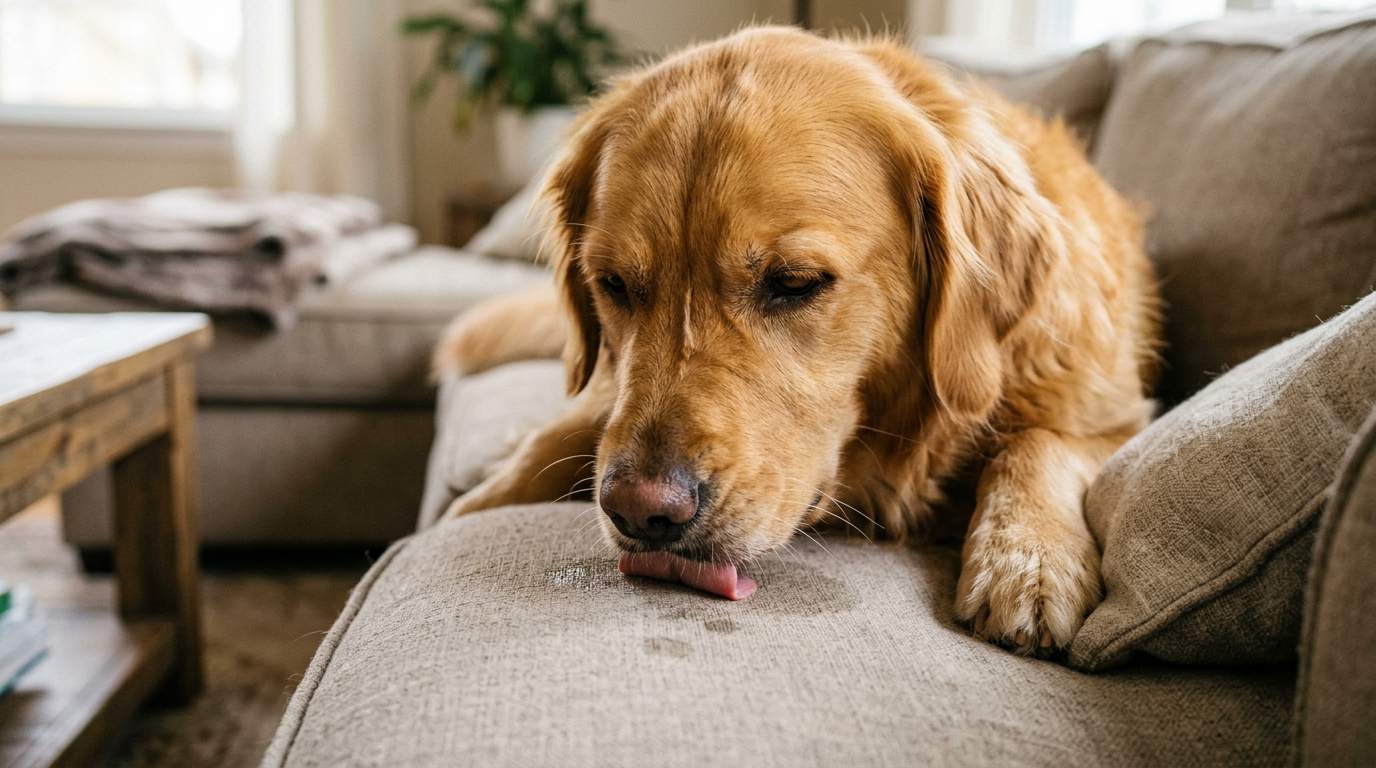
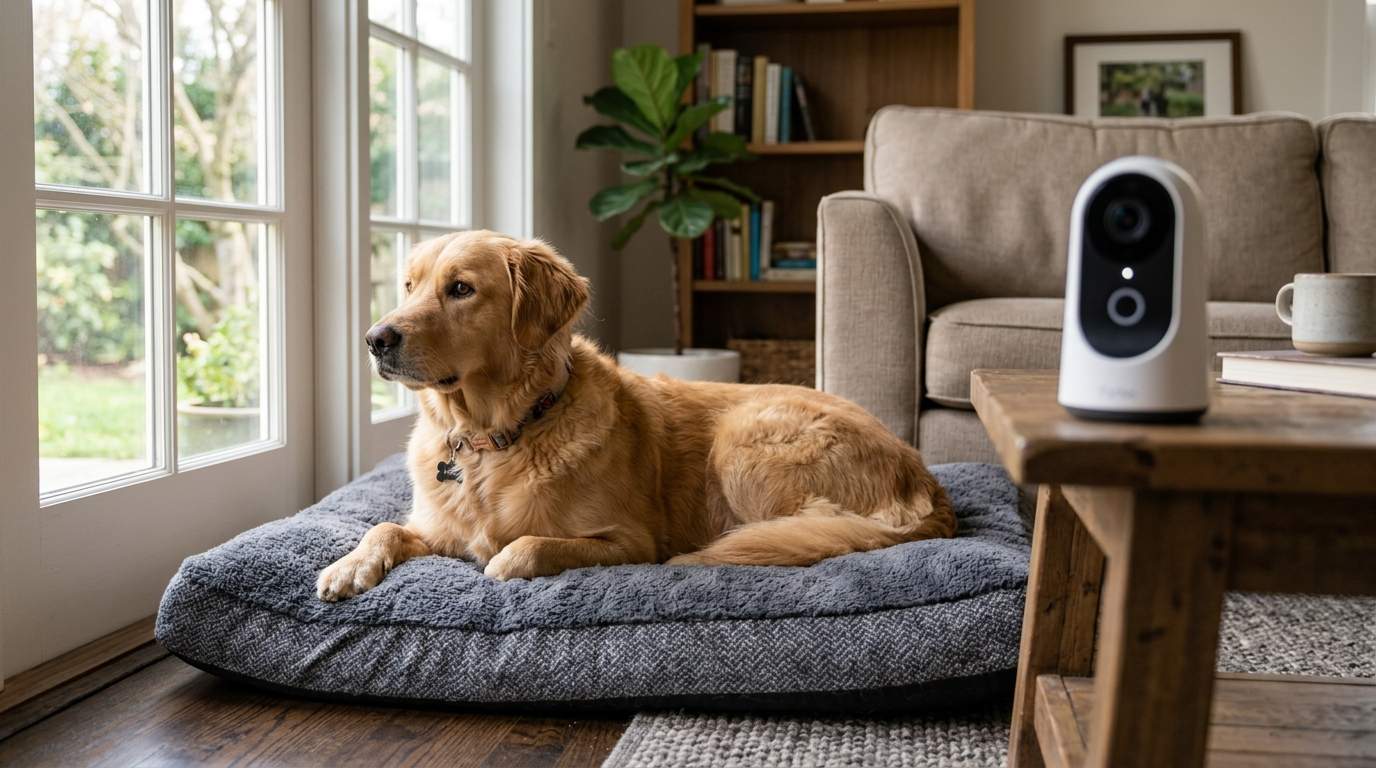
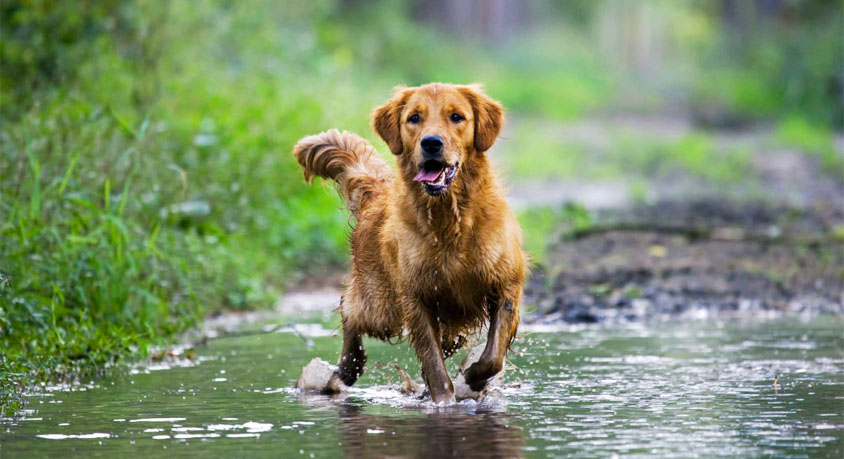
It starts with a soft, rhythmic clicking of nails on the hardwood floor at 3 AM. You wake up to find your golden retriever, Max, standing in the corner of the living room, his forehead pressed against the drywall. He doesn't bark, and he doesn't look at you when you call his name. He just stares into the void, looking like a traveler who has lost his map in a fog. For many pet parents, this "midnight stare" is a moment of profound heartbreak and confusion, often dismissed as just a natural part of aging.
E.g. :The Playful Nip on Your Hand Isn't Dominance. So What Is It?
But what if I told you that your dog isn't just "getting old," and they aren't trying to be stubborn? That blank look is actually a silent plea for a different kind of connection.
When we talk about senior dog care, we often focus on physical ailments like arthritis or cloudy eyes. However, the most significant shift happens in the invisible landscape of the brain. Canine Cognitive Dysfunction (CCD) is often referred to as dog dementia, and it manifests in subtle "micro-behaviors" long before the major symptoms appear.
If you notice your dog getting stuck behind a door they have pushed open a thousand times, or if they seem to forget which side the door opens on, their spatial awareness is fracturing. As a behavior consultant, I see many owners who feel guilty, thinking they’ve done something wrong. Please breathe and let that guilt go. Your dog’s brain is simply navigating a sunset that is a bit more clouded than others.
We often accept the idea that older dogs naturally become "grumpy" or disinterested in affection. I want to challenge that perception. Many times, what looks like irritability is actually sensory overload. An aging brain struggles to filter out background noise, making a once-loved squeaky toy sound like a siren.
When a senior dog stops greeting you at the door, it isn't a loss of love. It is often a loss of "predictive timing." Their internal clock is drifting. By understanding this, we can shift our approach from feeling rejected to becoming their anchor. Instead of waiting for them to come to you, bring the comfort to them.
Your home is a sensory map. For a dog with CCD, that map is being erased. You can act as their cartographer by using "scent markers" or tactile cues to help them find their way.
Using different textures can help a confused dog navigate. A specific rug leading to the food bowl or a night light near their sleeping area provides the visual and tactile "breadcrumbs" they need. These small changes in pet supplies and home environment can drastically reduce the anxiety that leads to midnight pacing.
We often stop training dogs once they hit their double digits, thinking they "know it all." In reality, the senior years are when the brain needs engagement the most. We aren't training for obedience anymore; we are training for neuroplasticity.
Engaging an older dog in low-impact scent work—hiding a high-value treat under a towel—stimulates the olfactory bulb, which is often the last sense to fade. It provides a "win" for a dog who might feel like they are failing at basic tasks.
In a world obsessed with high-energy puppyhood and viral dog tricks, there is a quiet, sacred beauty in the slow movement of a senior dog. They teach us to live in the present moment because, for them, the past is becoming a blur and the future is a mystery.
As your dog’s world narrows, your role as their guardian becomes more profound. It is okay to feel tired. It is okay to mourn the dog they used to be while they are still sitting right in front of you. By focusing on elderly pet wellness through the lens of compassion rather than just "management," you turn these sunset years into a period of deep, soul-level bonding. You aren't just a caregiver; you are the keeper of their memories.