When a cat purrs, is it happiness or a hidden distress?
- Quick Tags: cat purring meaning, feline pain signs, cat stress behavior, purring misconception
- Editor: Chloe Jones
- Updated: Apr,26,2026
- Views: 242.7k



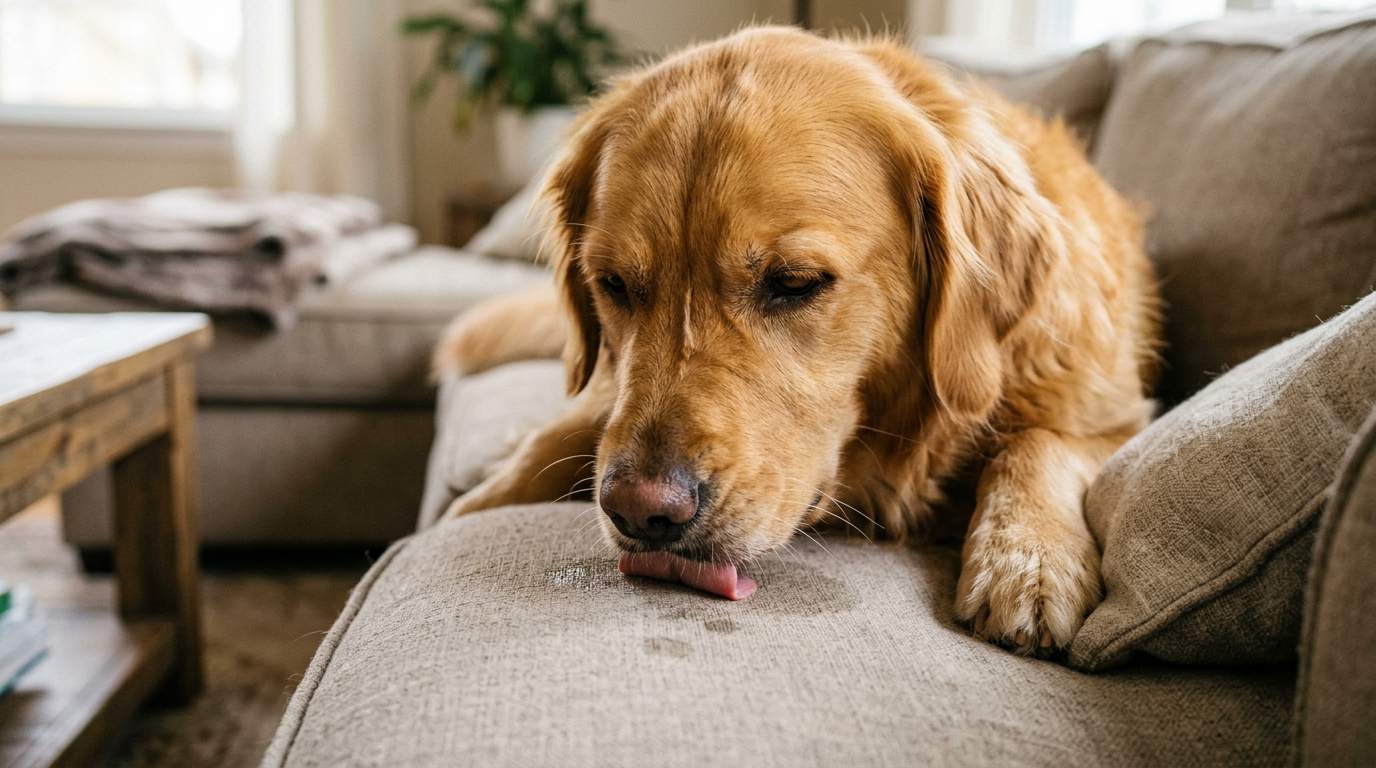

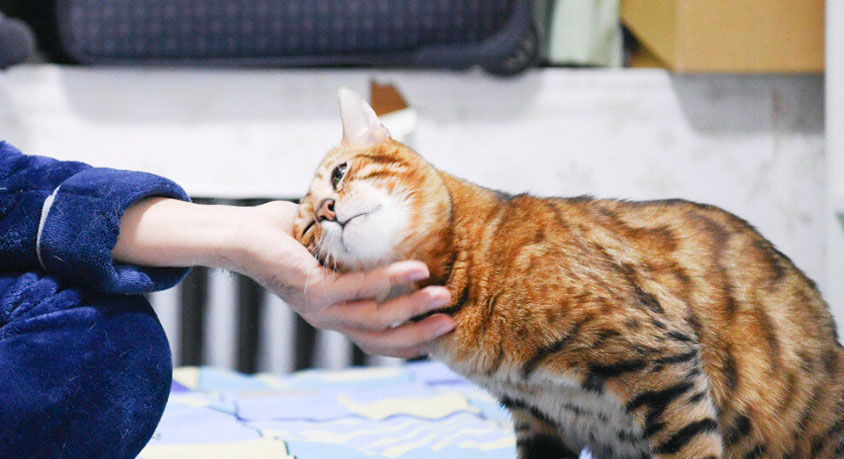
You finally sit down after a long day. Your cat, Mochi, jumps onto your lap, kneads your thigh, and begins to purr – that deep, rhythmic rumble you’ve always taken as the ultimate sign of feline happiness. “See? She loves me,” you whisper.
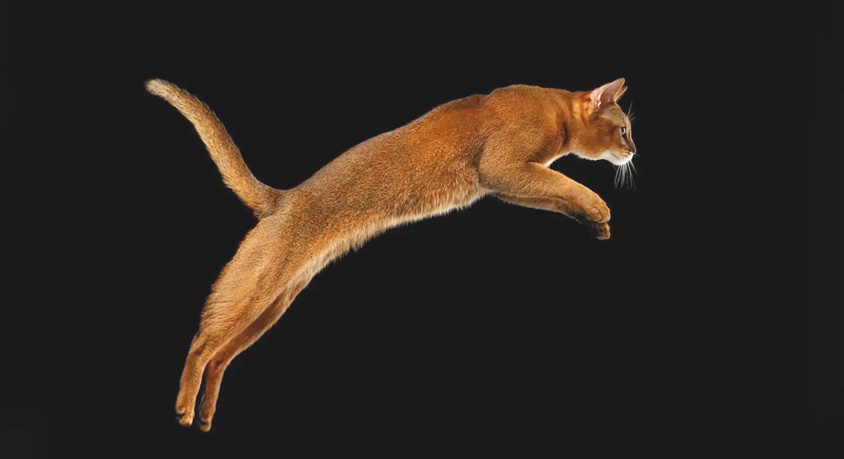
E.g. :This Desert Prince Whose Soul May Never Fit in Your Suburban Backyard
But later that night, you notice Mochi hiding under the bed. She hasn’t eaten her dinner. When you gently pull her out, she purrs again – louder this time. You feel reassured. Purring means happy, right?
What if I told you that the same purr that warms your heart can also be a cat’s quietest cry for help? And that by misreading it, we might accidentally delay veterinary care for weeks or months?
For decades, we’ve been taught that purring equals contentment. It’s a comforting story. But science tells a more complex one. Cats purr in situations that range from nursing kittens and greeting loved ones to giving birth, enduring injury, and even facing death.
Research shows that domestic cats purr at frequencies between 20 and 150 Hz – a range known to promote bone density and tissue healing in mammals. Veterinarians have observed cats purring during labor, after fractures, and while suffering from chronic illnesses like arthritis or kidney disease.
Think about that. A cat in pain will purr not because she is happy, but because her body is instinctively trying to heal itself. The purr is a built-in painkiller, a vibrational therapy she generates on her own. It’s brilliant. It’s also deeply misleading.
You cannot rely on the purr alone. You have to look at the whole cat – the ears, the eyes, the posture, and the context. Here are three red flags that turn a “happy purr” into a “worried purr.”
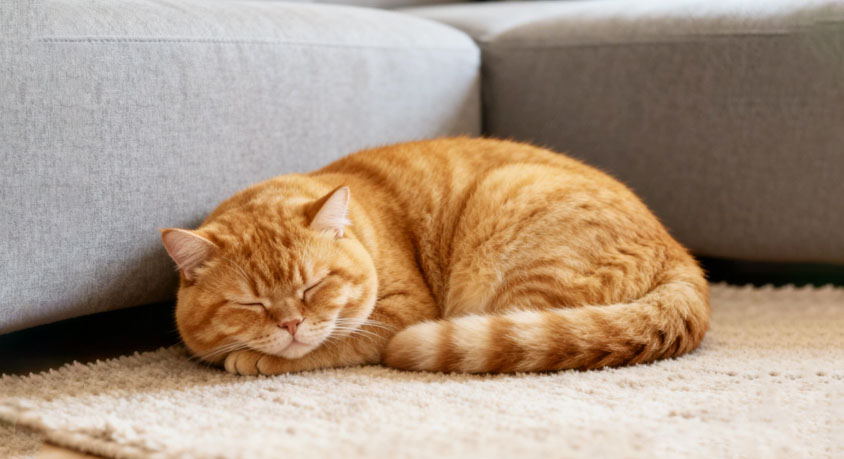
A truly content cat purrs in the open – on the couch, by the window, on your lap. If your cat purrs while tucked behind the toilet, inside a dark closet, or under the bed, that purr is not joy. It’s self-soothing during fear or pain.
Cats with dental pain, nausea, or internal discomfort often purr when approached, even if they haven’t touched food in 24 hours. One of my clients brought her cat, Leo, for a checkup “just because he purrs all the time now.” Leo had a severe tooth root abscess. He was purring to dull the ache.
A happy cat has soft, almond-shaped eyes and ears that point slightly forward or to the side. A distressed cat may purr with ears pinned back (“airplane ears”) and pupils that look small or strangely large. That purr is not a smile. It’s a grimace you’ve been taught to misread.
The belief that “purr always = happy” creates a dangerous delay. Owners assume everything is fine. They skip vet visits. They call a cat “dramatic” when she swats during a belly palpation. And by the time obvious symptoms appear – weight loss, vomiting, lethargy – the disease has often progressed.
Before you feel warm and fuzzy about a purr, run this mental scan:
If all answers are yes, enjoy the purr. If any answer is no, note the purr as a possible distress signal and call your vet for a checkup.
I don’t want you to become afraid of your cat’s purr. I want you to become fluent in it. Think of it as a voice that can whisper both “I love you” and “I hurt.”
One of the most moving cases I ever followed was a 12-year-old tabby named Willow. She purred constantly in her final months of kidney disease. Her owner, a hospice nurse, understood. “She’s not pretending to be happy,” the owner told me. “She’s breathing through the pain, the same way my human patients hum when they’re uncomfortable. I don’t stop loving her purr. I just listen differently now.”
You can do the same. Next time your cat purrs, don’t just feel the vibration. Look at her. See the whole story. And if that story includes even a single quiet sign of distress, let the purr be the reason you call the vet – not the reason you wait.
That rumble in your lap is still beautiful. It’s just also honest. And honesty, even when it’s hard, is the truest form of love between you and your cat.