The Playful Nip on Your Hand Isn't Dominance. So What Is It?
- Quick Tags: puppy biting behavior, teething puppy relief, bite inhibition training, dog mouthing solutions
- Editor: Chloe Jones
- Updated: May,12,2026
- Views: 397.6k

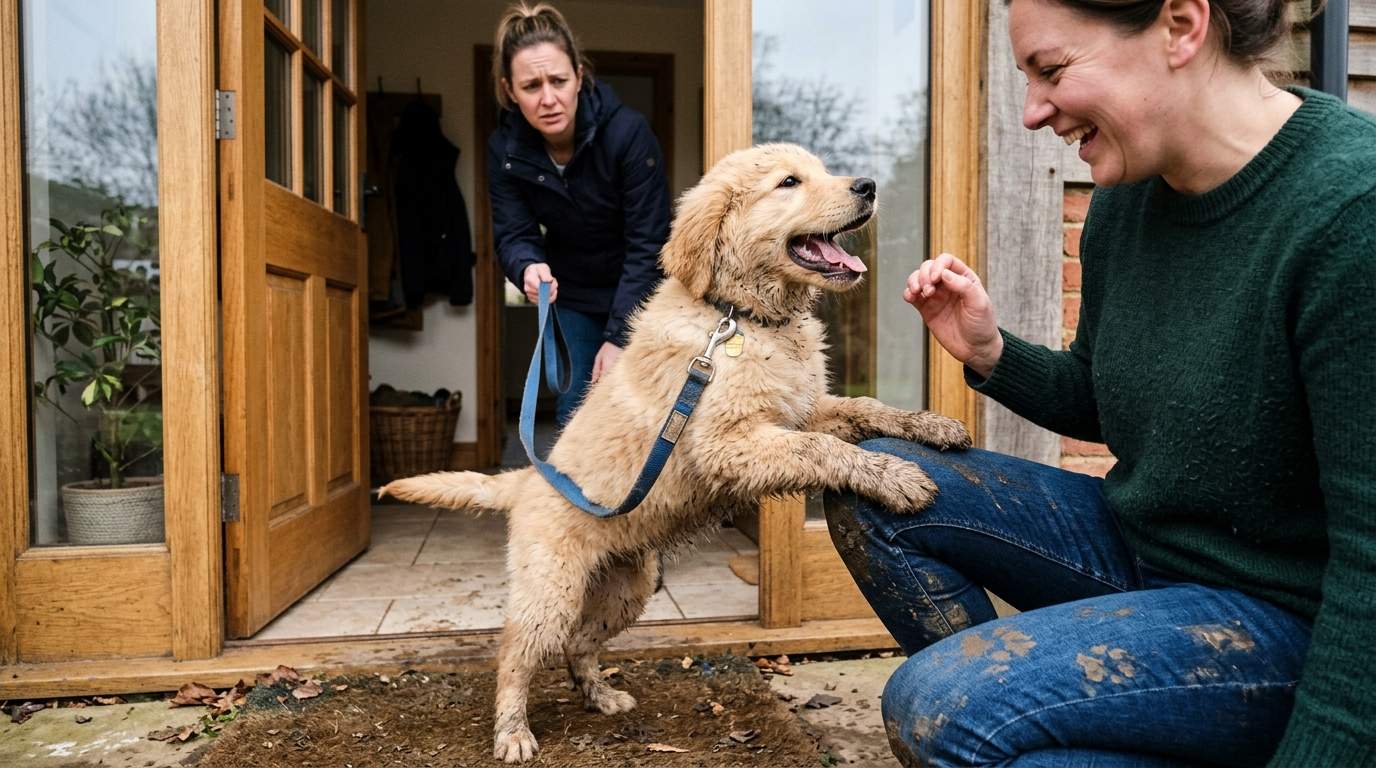
You are sitting on the floor, gently rubbing your puppy’s belly. He wiggles with joy. Then, without warning, his little teeth latch onto your thumb. Not hard enough to break skin, but enough to sting. You say “ouch” and pull away. He follows your hand and bites again, tail wagging.
E.g. :Why Does Your Cat Suddenly Stop Purring Mid-Pet?
You feel frustrated. Is he trying to be the boss? Testing your authority?
That playful nip on your hand isn’t dominance. It is a teething baby trying to soothe sore gums, a young dog lacking social skills, and most often – a tired toddler who has missed a nap. Let me explain what is really happening and how to stop the biting without breaking his spirit.
Many new owners panic when their sweet labrador pup starts clamping onto their ankles. They search for “dominance training” or “alpha rolls.” This is a mistake. Puppies explore the world with their mouths, just like human babies explore with their hands. Biting is not aggression. It is communication and exploration.
The real problem is that we misread exhaustion as energy. An overtired puppy loses impulse control. That is when biting escalates.
Eighty percent of unwanted biting happens during two windows: teething discomfort (between 3 and 7 months) and over-tiredness (after being awake for 45-60 minutes). Only 20% is true play biting that needs gentle training. Most owners swap these numbers. They punish the tired puppy instead of putting him down for a nap.
You have probably heard this advice: when your puppy bites, yelp loudly like another puppy would. The idea is to teach bite inhibition. This works on some soft-tempered puppies. But for many, the high-pitched yelp excites them more – it sounds like a squeaky toy. So they bite harder and more playfully.
One of my clients, Lena, tried yelping with her Australian shepherd pup, Ziggy. Every yelp made Ziggy pounce harder on her hands. Lena felt like a failure. We switched to a different method: silent removal. The moment Ziggy’s teeth touched skin with pressure, Lena stood up without a word and walked behind a baby gate for 30 seconds. Ziggy sat and waited. After three repetitions, he began to understand: biting makes the human disappear. That is far more powerful than a yelp.
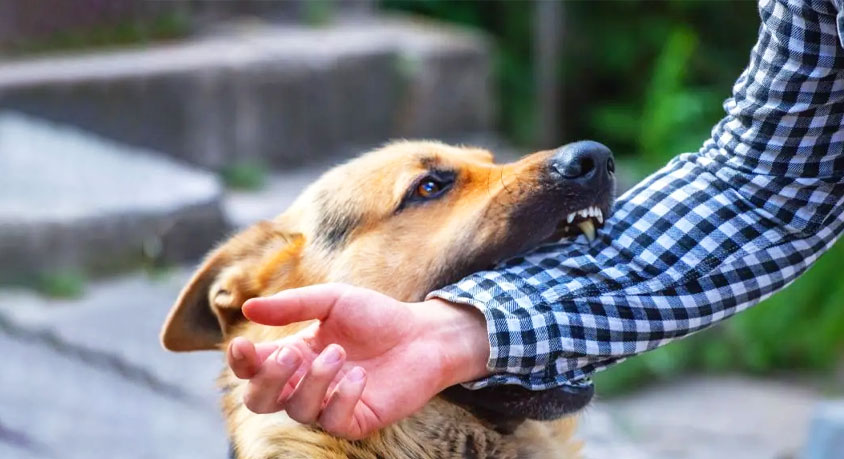
Your puppy wants nothing more than your attention and your body near his. Removing yourself calmly teaches bite inhibition without fear. No shouting, no tapping on the nose, no shaking a can of coins. Just quiet separation.
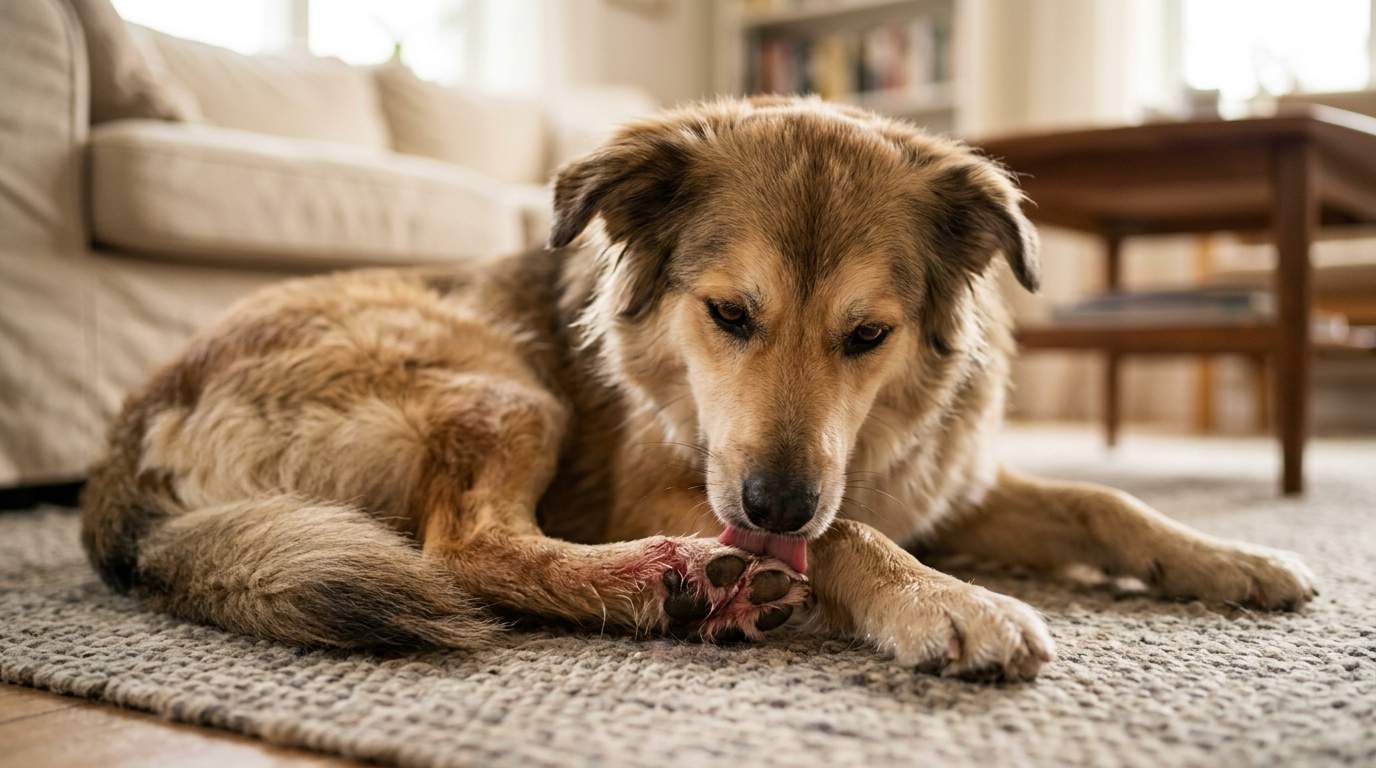
Between 12 and 16 weeks, your puppy’s baby teeth are falling out and adult teeth are pushing through. This hurts. That is why he chews your hands, your furniture, and your shoelaces. He is not being destructive. He is desperate for relief.
Never give ice cubes alone (too hard and a choking risk) or cooked bones (splinter hazard). Simple, cheap items work best. Rotate them so he doesn’t get bored.
Here is the truth that changes everything: most intense biting episodes happen not when your puppy has too much energy, but when he has too little self-control. And self-control is the first thing to vanish when a puppy is tired. Just like a cranky toddler who throws a tantrum right before nap time.
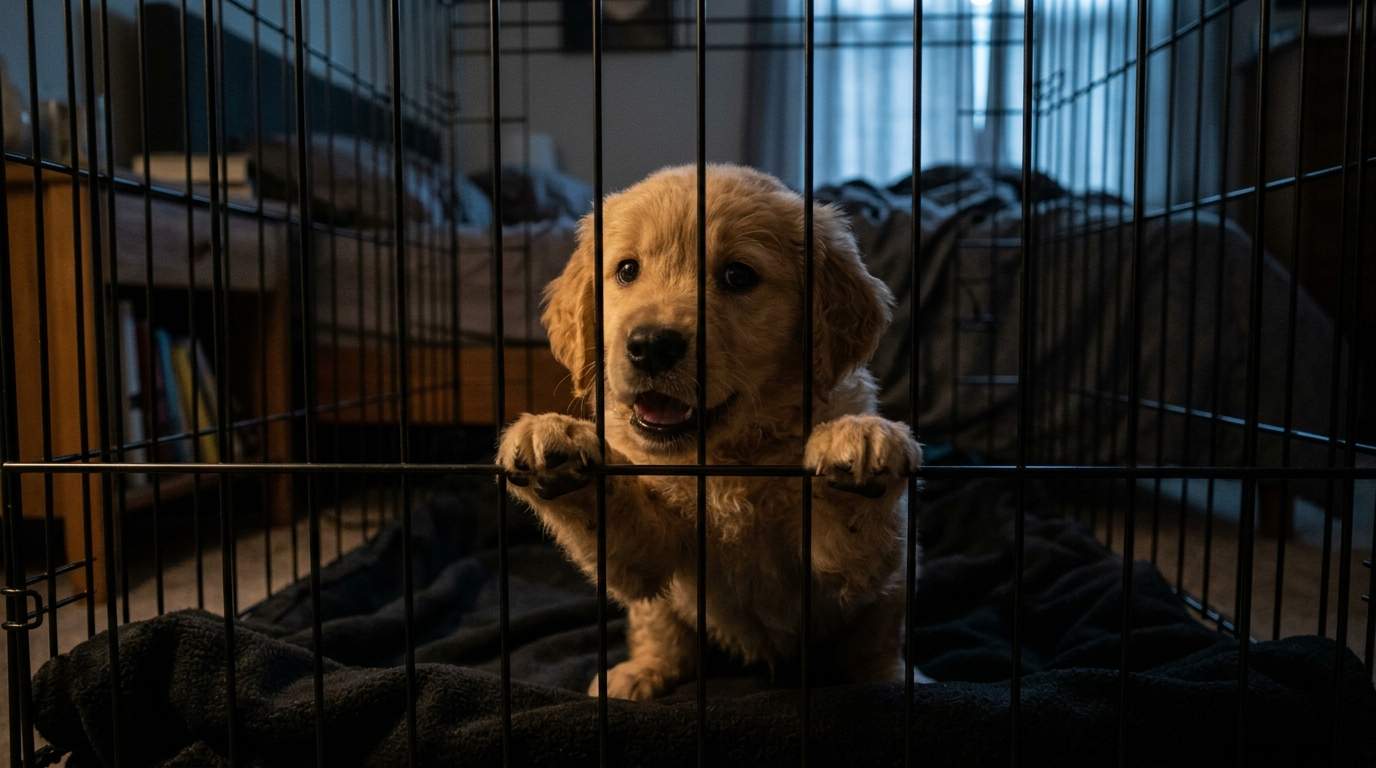
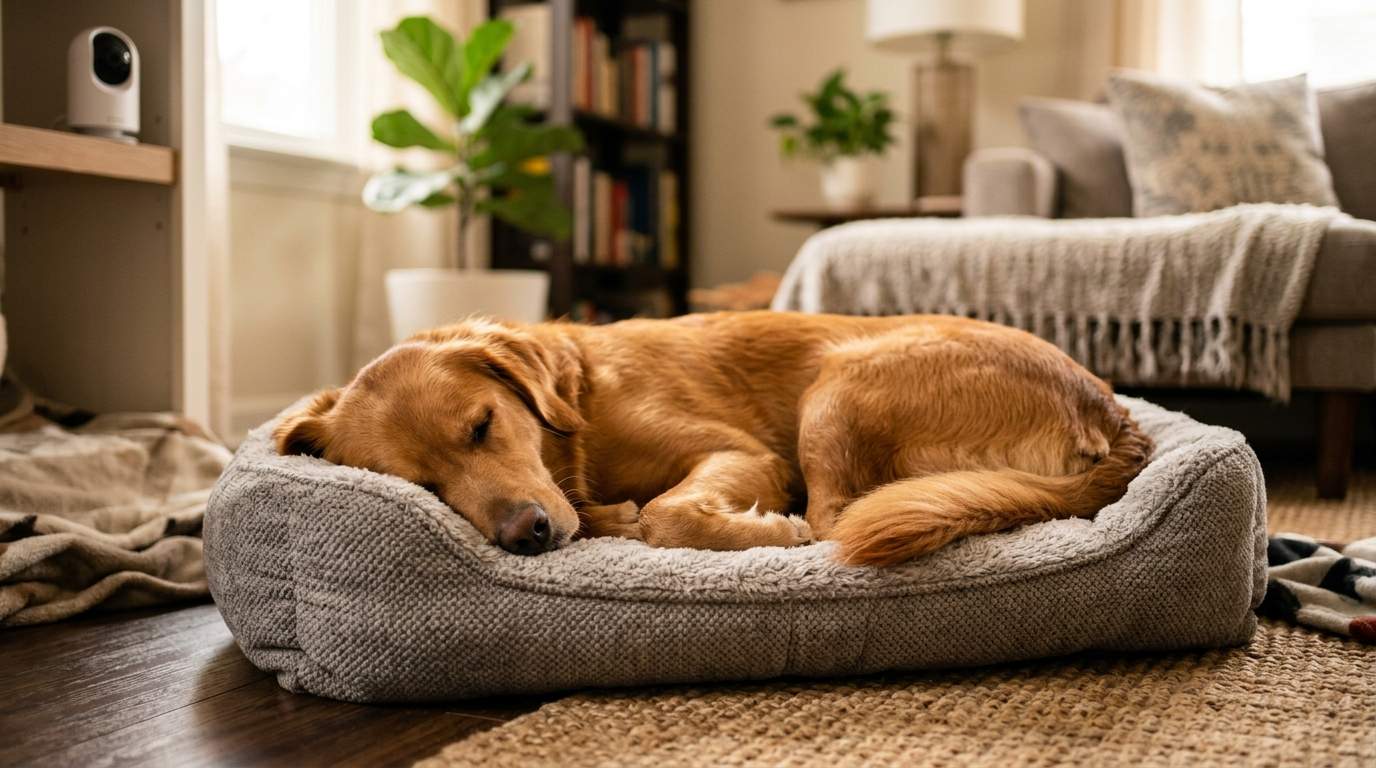
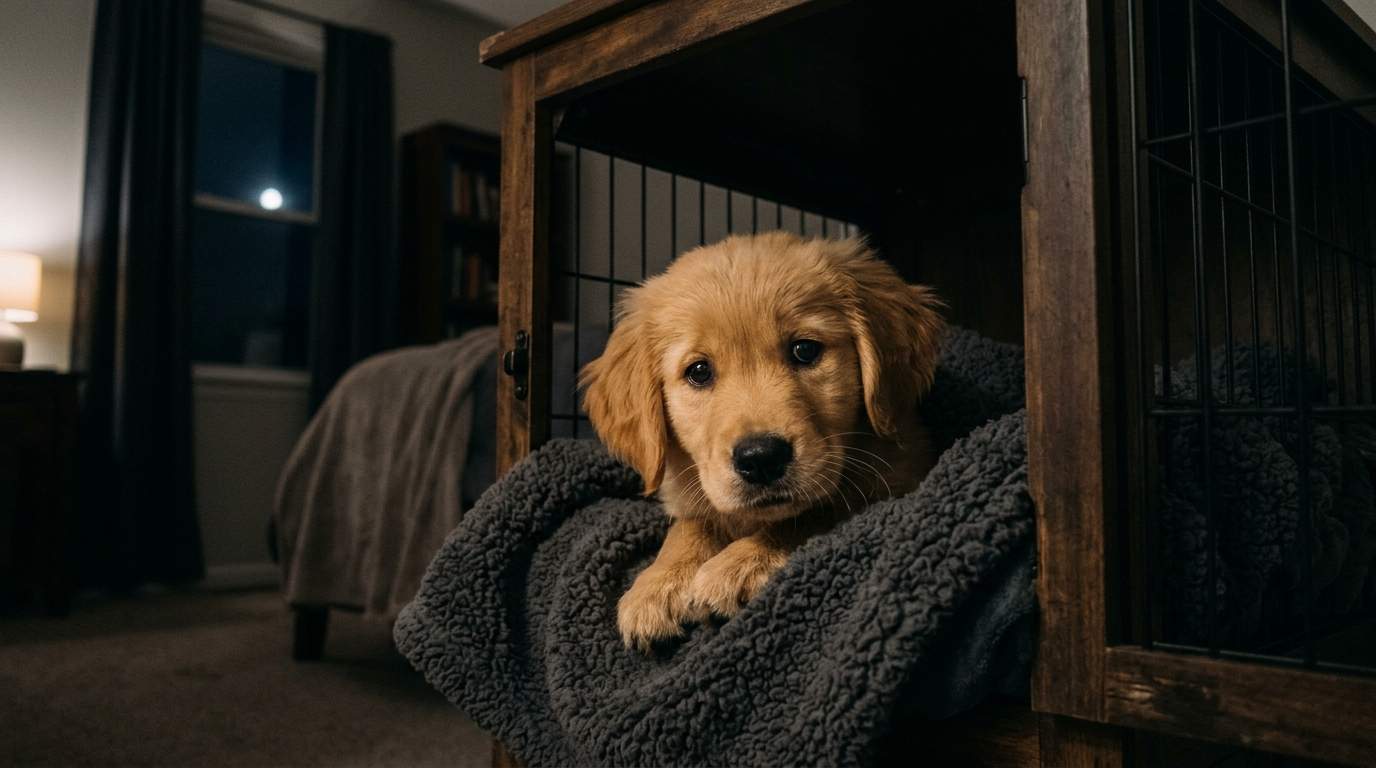
Young puppies need 18-20 hours of sleep per day. Many owners keep them awake for hours because they “seem so active.” That activity is often stress behavior. An enforced nap crate routine – one hour awake, two hours asleep – reduces biting by roughly 70% within a week. Try it. You will be shocked.
Your puppy’s mouth is his only tool. He uses it to say: “I’m hungry,” “I need to poop,” “I’m bored,” or “I’m scared.” Before you correct the bite, ask yourself what he might be asking for.
Answering these four questions prevents 90% of “mystery biting.” Your puppy is not a small wolf trying to dominate you. He is a baby with a toothache, a full bladder, or a need for a dark quiet room.
Lena and Ziggy are now nine months old. The biting stopped around week 16, right after his baby teeth fell out. She still uses the silent removal trick occasionally when he gets too excited during greetings. But mostly, Ziggy rests his head on her leg and licks her hand instead of nipping it.
Your puppy’s playful nip was never about power. It was about pain, tiredness, and a mouth that had no other way to talk to you. You don’t need to be the alpha. You just need to be the safe person who gives him a frozen chew toy and a cozy nap. That is enough. That is everything.