When your dog licks his paws raw – don't call it a bad habit.
- Quick Tags: dog paw licking, dog allergy symptoms, dog anxiety behavior, paw yeast infection
- Editor: Chloe Jones
- Updated: May,01,2026
- Views: 253.2k

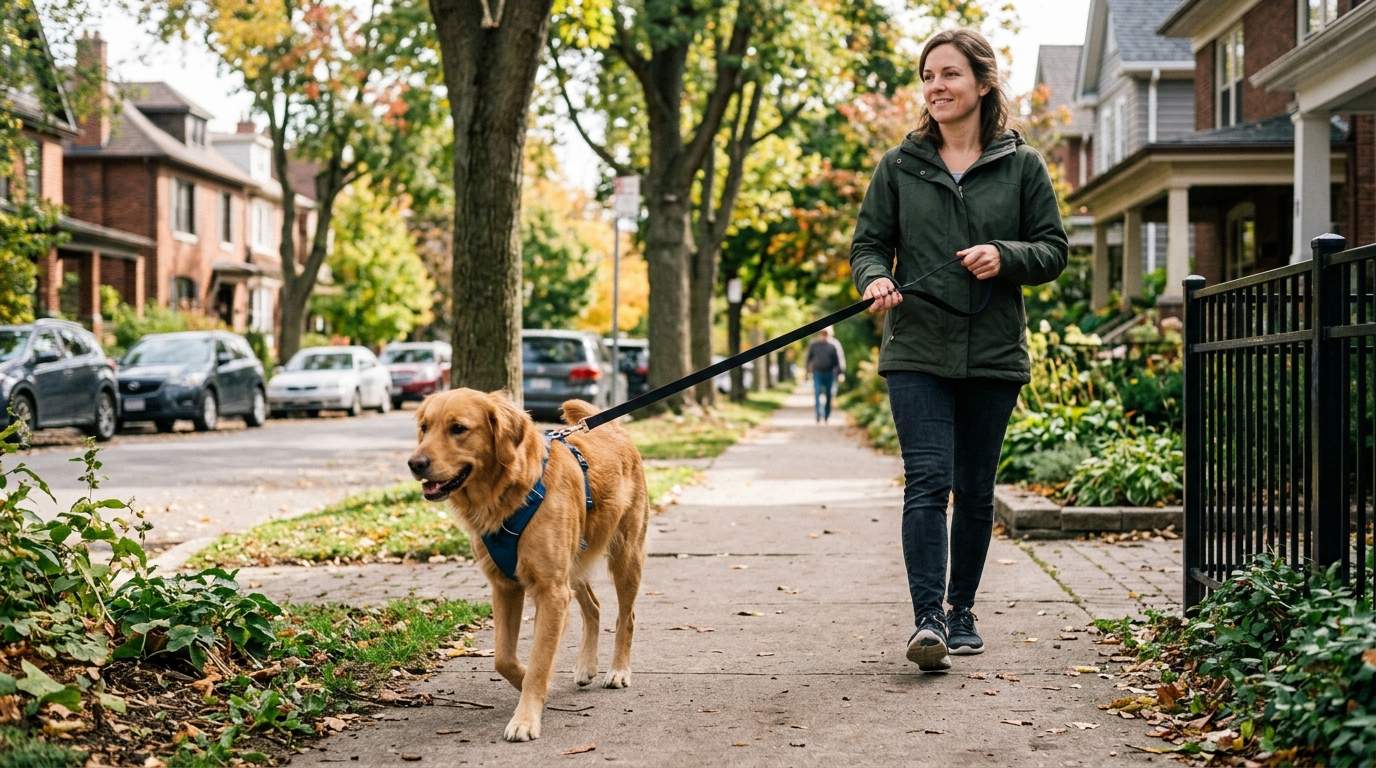
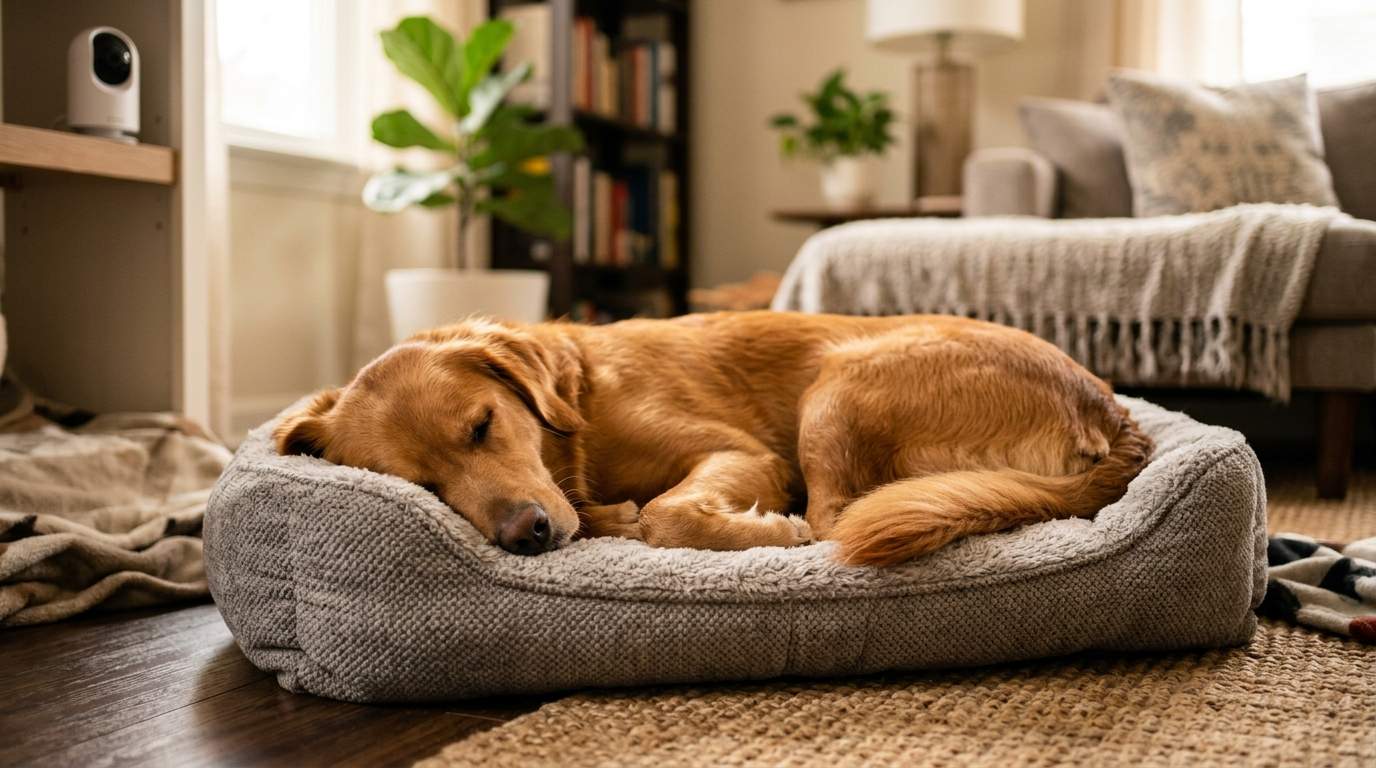
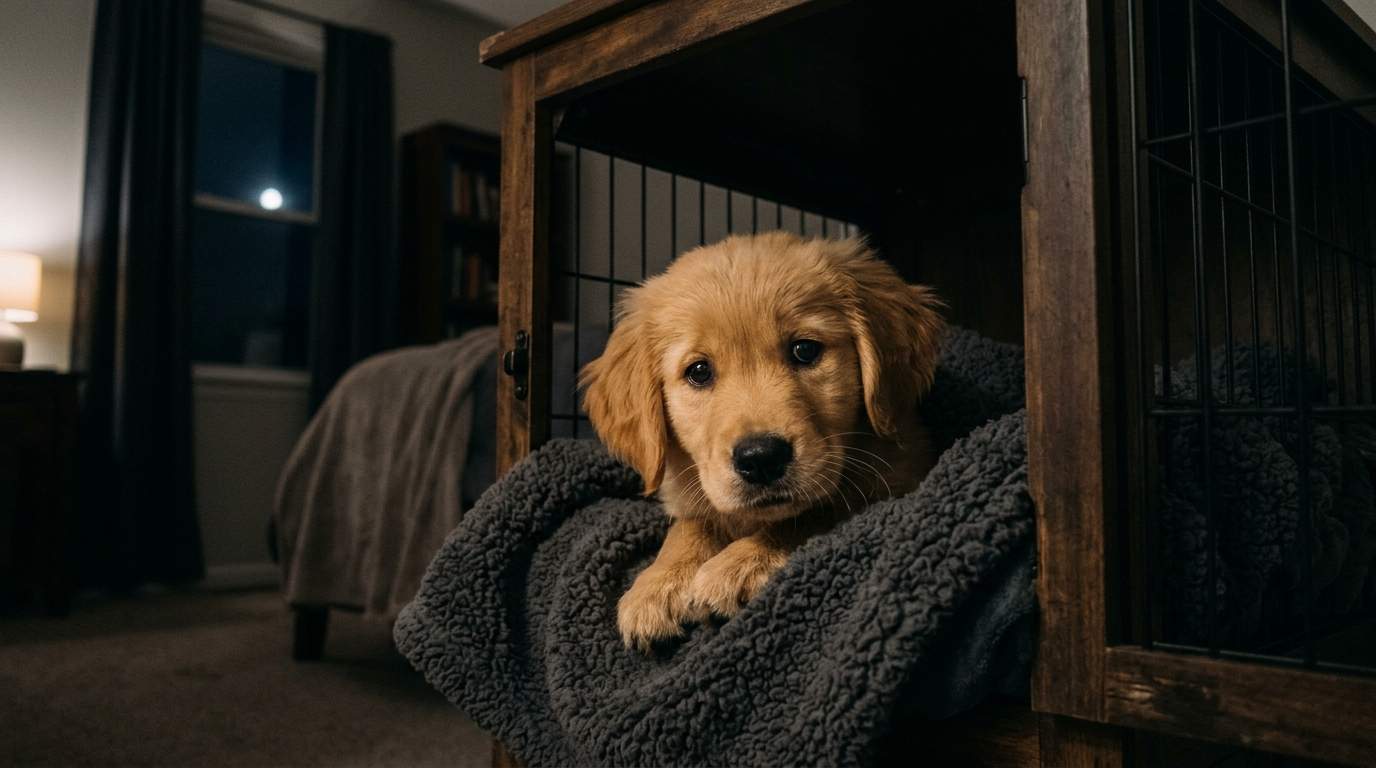
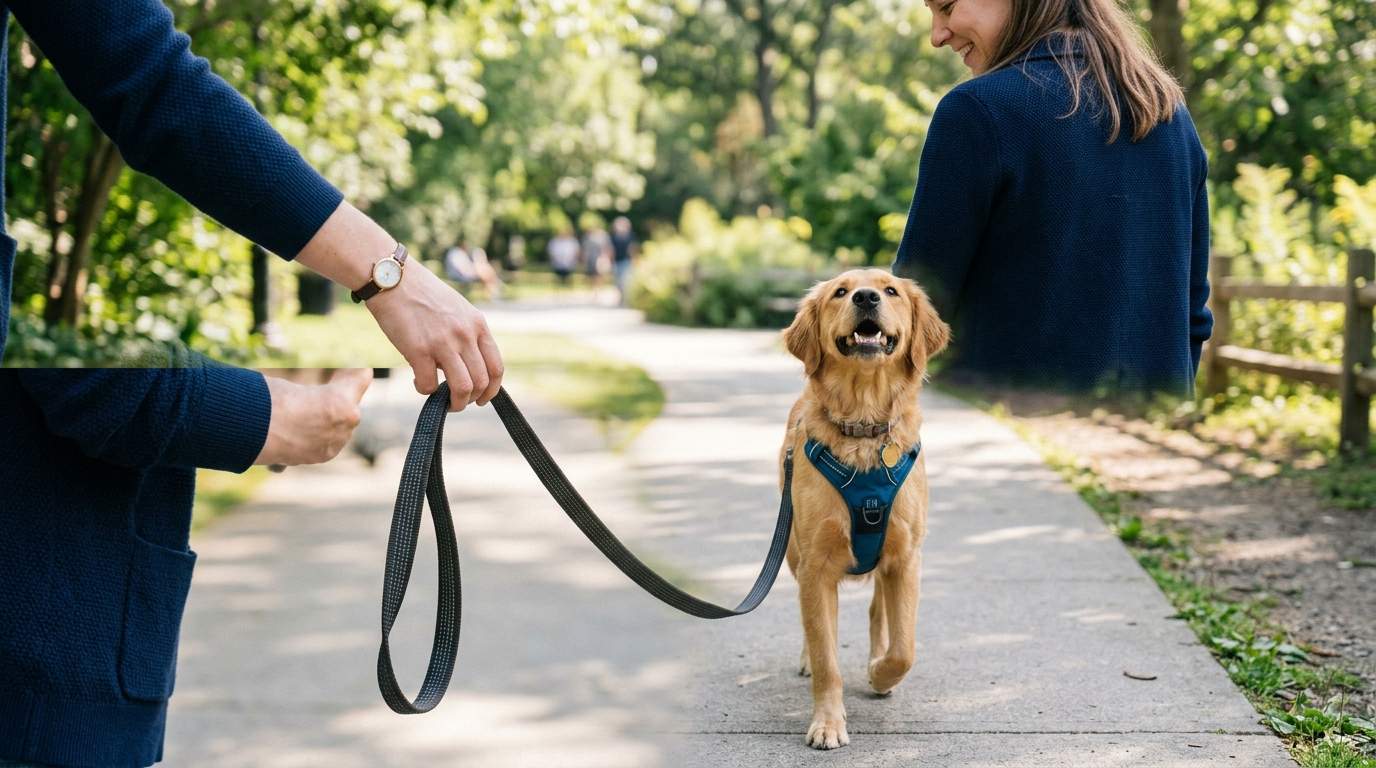
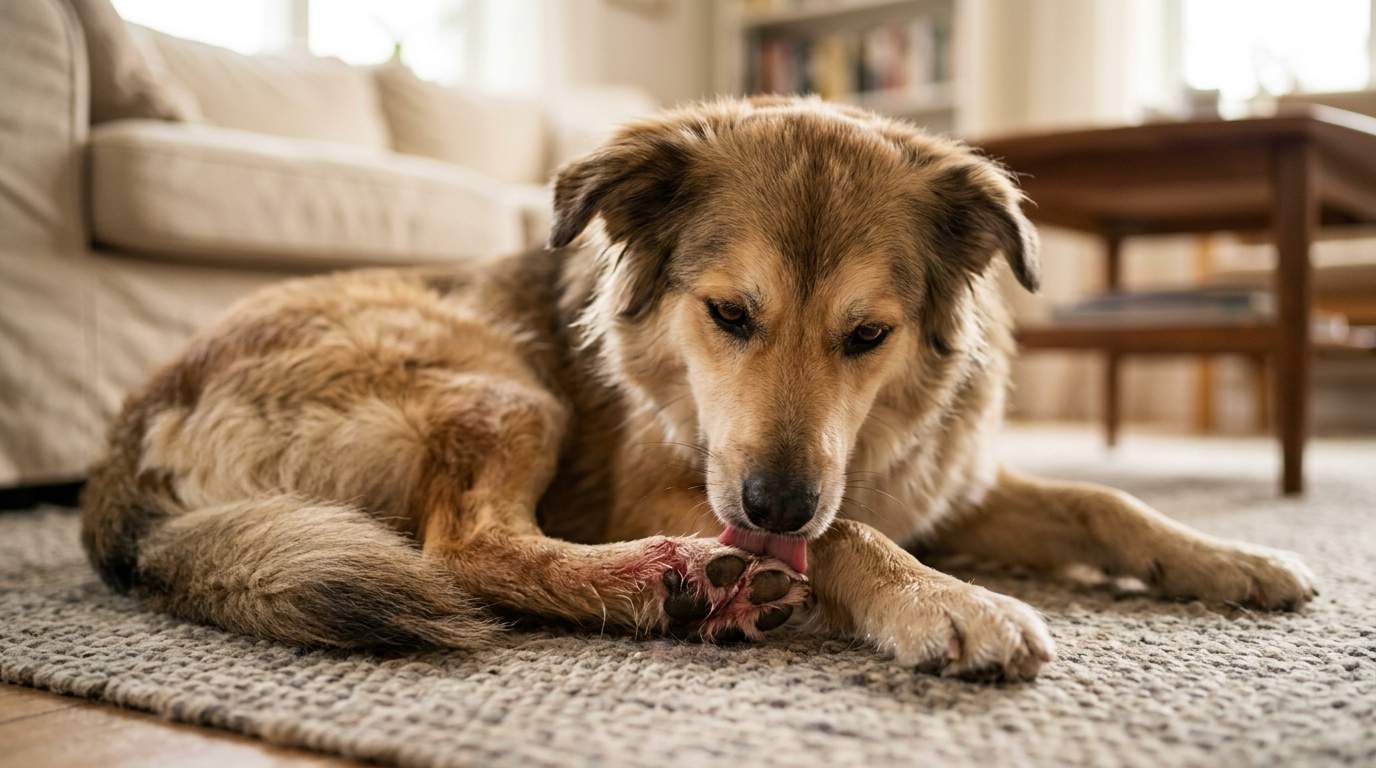
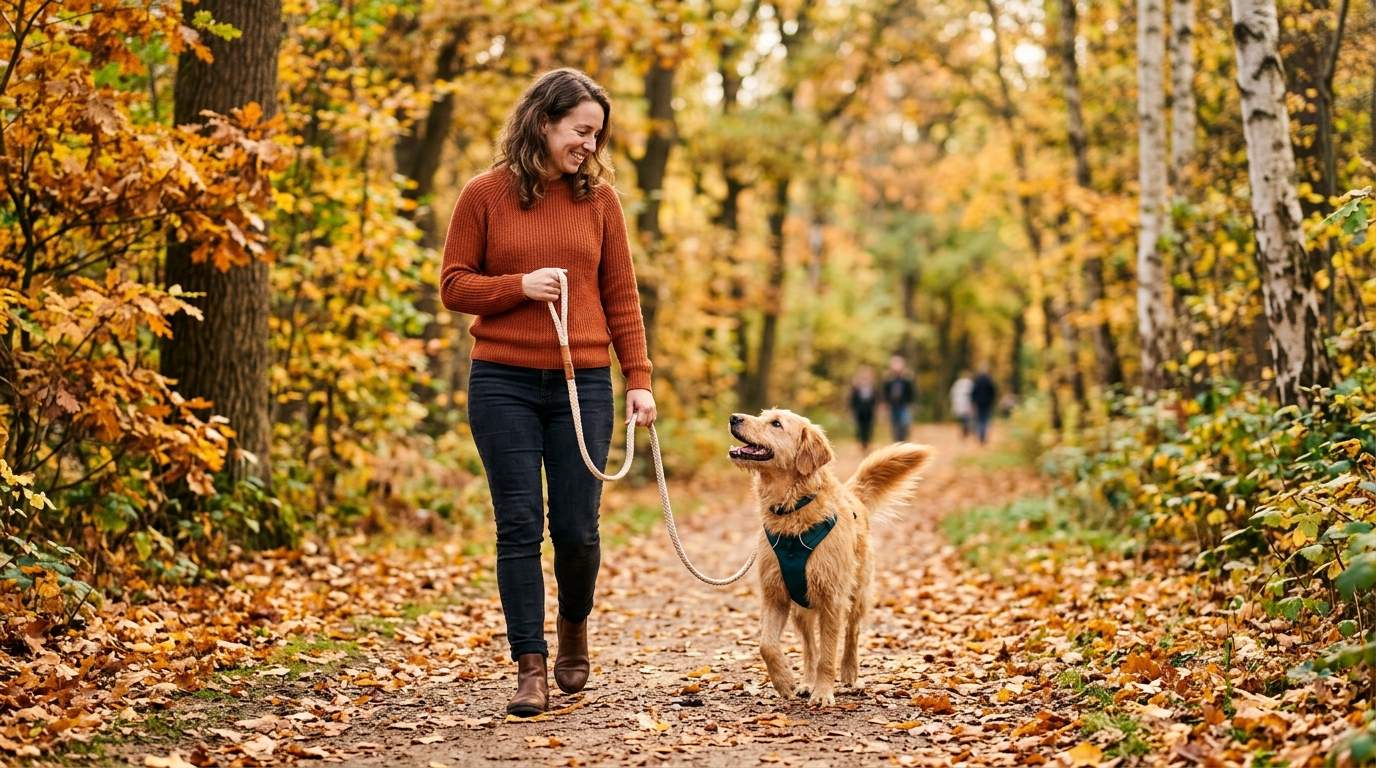
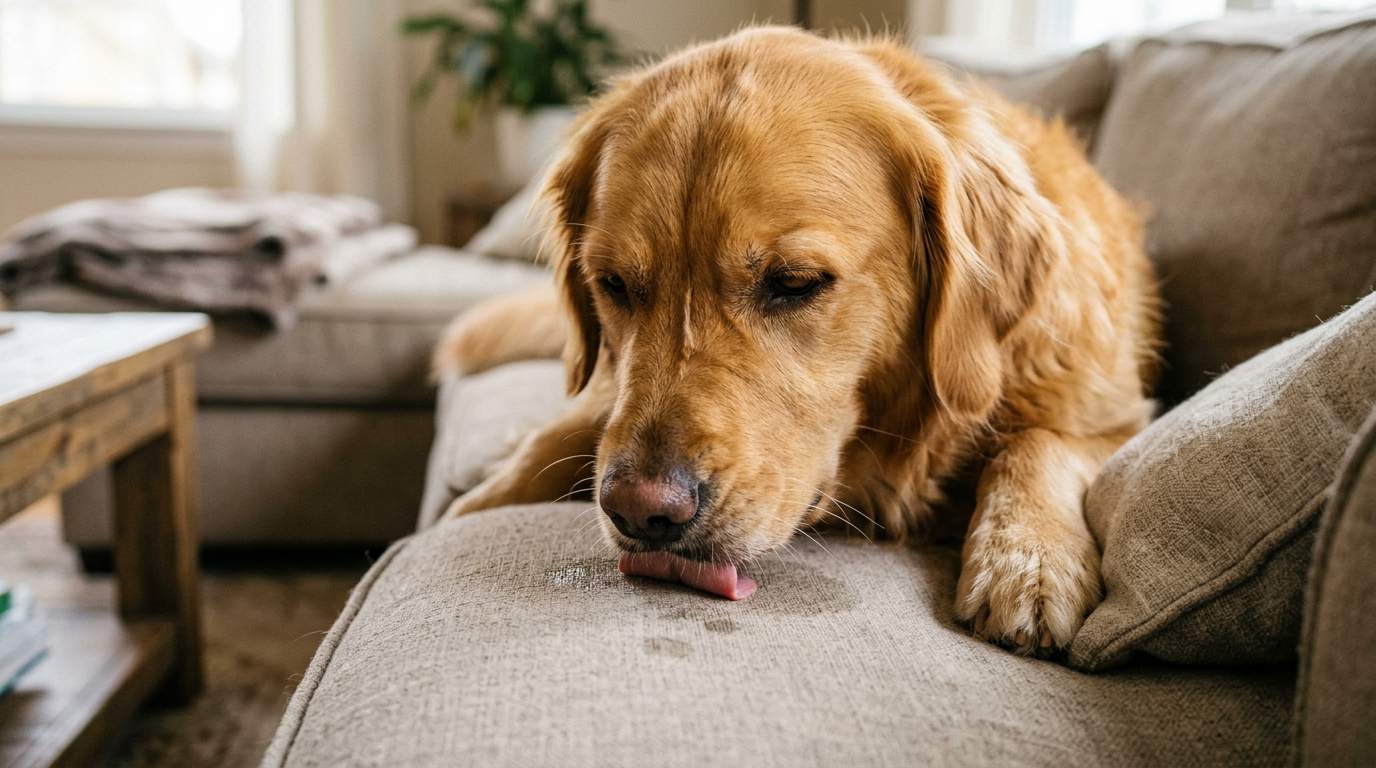
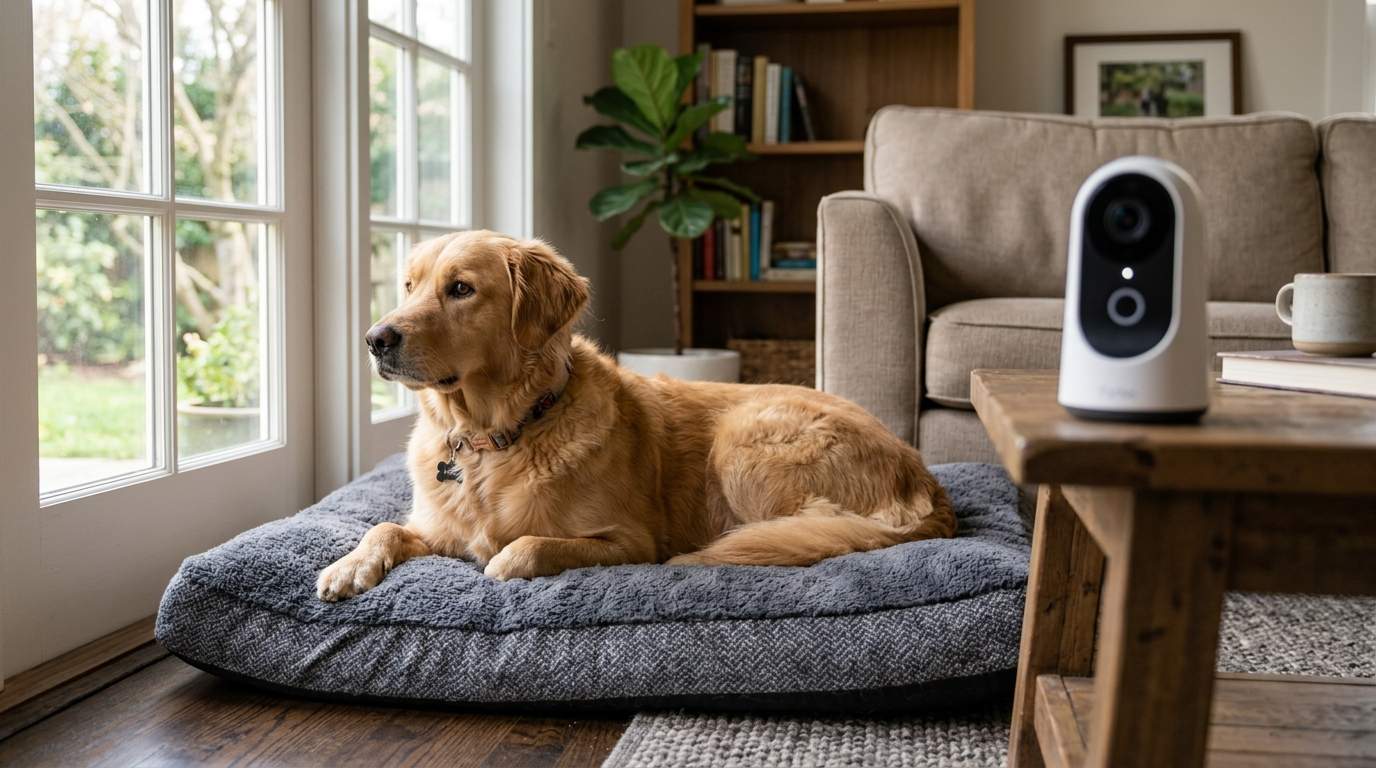
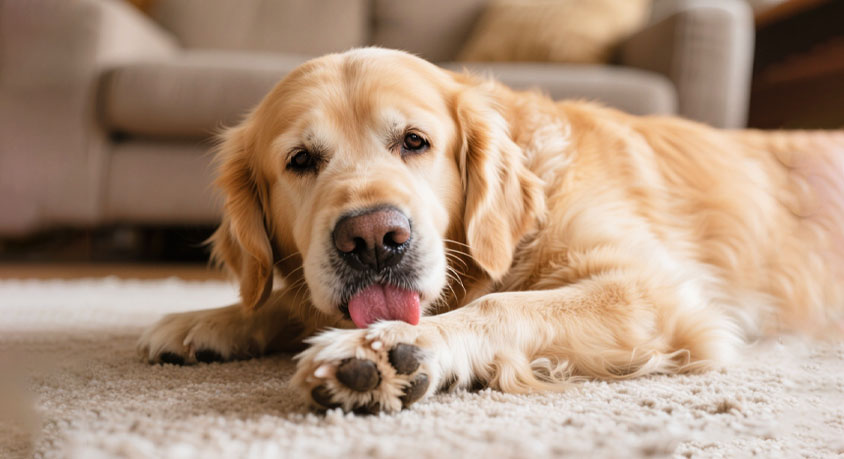
You see him doing it again. Your dog, Leo, lifts his front paw and licks. And licks. And licks. The fur between his toes is now stained rust-red. The skin looks wet and irritated. You tell him “stop” and he pauses for three seconds. Then back to licking.
E.g. :If I Were My Human for a Day: A Pup-Written Pup Parent Performance Review
You think he is bored. Or just being obsessive.
That raw paw is not a habit. It is a symptom hiding in plain sight. And scolding him will only make him hide the licking – not stop the cause.
Dogs groom their paws occasionally, just like cats. A few swipes after a walk, done. But when licking becomes a daily marathon, lasting hours, something else is driving it. Two common culprits, one medical and one emotional. Most owners guess wrong.
Allergy licking usually affects all four paws equally, with redness between the toes and a yeasty, corn-chip smell. Anxiety licking often targets one paw or one spot on a front leg, with hair loss but less odor. Watch which pattern matches Leo. Treatment paths are completely different.
Preventing licking without addressing the root cause creates a frustrated, still-itchy dog. A cone collar stops the physical act but does nothing for the inflammation or stress. The moment the cone comes off, Leo will lick twice as hard to make up for lost time.
One of my clients, Nina, had a three-year-old rescue pit mix, Koda. Koda licked his front paws until they bled. Nina tried bitter spray, bandages, and finally a cone. Nothing worked for more than a week. We did an elimination diet. Koda was allergic to chicken – the main protein in his food. Within three weeks on a novel protein diet, the licking dropped by 90%. No cone needed. No scolding needed.
Switch to a single protein source your dog has never eaten (venison, rabbit, or fish). Feed only that food and no treats for 8 weeks. If the licking stops, you have your answer. Do not add back old proteins one by one without vet guidance.
Paw licking creates moisture. Moisture feeds yeast. Yeast causes more itching. More itching causes more licking. This cycle is vicious and self-sustaining. Even if the original trigger was anxiety, the yeast infection keeps the behavior going.
A paw cleaner cup (soft silicone bristles) filled with diluted chlorhexidine solution. Dip, swirl, dry. Do this every night for two weeks. Follow with a paw balm that contains antifungal ingredients. Within days, the rust-red stains will fade. The urge to lick will drop significantly.
Some dogs lick paws not because of allergies, but because the repetitive motion releases endorphins. It is the canine equivalent of a human biting their nails or tapping their foot. These dogs are often anxious – separation anxiety, noise phobia, or even boredom from lack of mental stimulation.
Replace the paw with a lick mat. Spread plain yogurt, pumpkin puree, or wet food onto the mat and freeze it. The act of licking the mat provides the same endorphin release without damaging skin. Use this during high-stress times (thunderstorms, alone time, after visitors leave). Over weeks, the paw licking may transfer to the mat.
A soft, inflatable cone collar (not the hard plastic one) allows Leo to eat, drink, and sleep comfortably while blocking paw access. Use it at night or when you cannot supervise. This stops the cycle of fresh injury. Then you have time to run a food trial, start paw washes, or consult a vet behaviorist.
If Leo's paws have open sores, swelling, or a foul odor, see a vet within 48 hours. These can become deep infections requiring oral antibiotics or antifungals. Do not try home remedies on broken skin.
Nina now feeds Koda a fish-based kibble. His paws are pink, not red. He still gives them a few courtesy licks after walks – but he stops when she calls his name. No more raw skin. No more cone. Just a dog whose body finally feels comfortable in its own fur.
Your dog's raw, rust-stained paw is not a bad habit you need to break. It is a medical or emotional cry for help disguised as grooming. Stop scolding. Start investigating. The answer is under your nose – and between his toes.