Before the zoomies strike at 11 PM: hyperactivity or a pressure release valve?
- Quick Tags: cat zoomies at night, feline frenetic activity, cat behavior problems, nighttime cat energy
- Editor: Alex Reynolds
- Updated: Jun,30,2026
- Views: 460.4k





The clock reads 11:17 PM. You are finally horizontal under the covers, eyes half-closed. Then you hear it – a low rumble, followed by the thunder of four paws racing down the hallway. Your cat, Pixel, launches off the bedroom wall, skids across the hardwood floor, and sprints back up the curtains. A ceramic vase wobbles. Your heart races.
E.g. :BirdTikTok Teaching Parrots to Swear? Linguists and Bird Trainers Sound the Alarm
“Why now?” you whisper into your pillow. “You slept all day. Are you broken?”
For years, owners have called this “the midnight crazies” and shrugged it off as cats being weird. But what if those explosive 11 PM zoomies are not a glitch in your cat’s software – but a precisely engineered pressure release valve for a body designed to hunt at twilight? And what if ignoring them is quietly raising your cat’s daily stress levels?
Cats are not nocturnal. They are crepuscular – most active during dawn and dusk. This is hardwired from their wild ancestors, who hunted small prey that emerged at low light. Your house cat still carries that ancient schedule.
In nature, a wild cat would spend dusk stalking, chasing, pouncing, and killing multiple small meals. That sequence – stalk, chase, pounce, grab, kill – releases a cascade of feel-good neurochemicals: dopamine, then serotonin, finally endorphins.
Your indoor cat, Pixel, has the same neurochemical needs. But he has no mouse to chase, no bird to catch, no grasshopper to bat. So by 11 PM, his brain is screaming for that dopamine hit. The zoomies are not madness. They are a starvation of purpose.
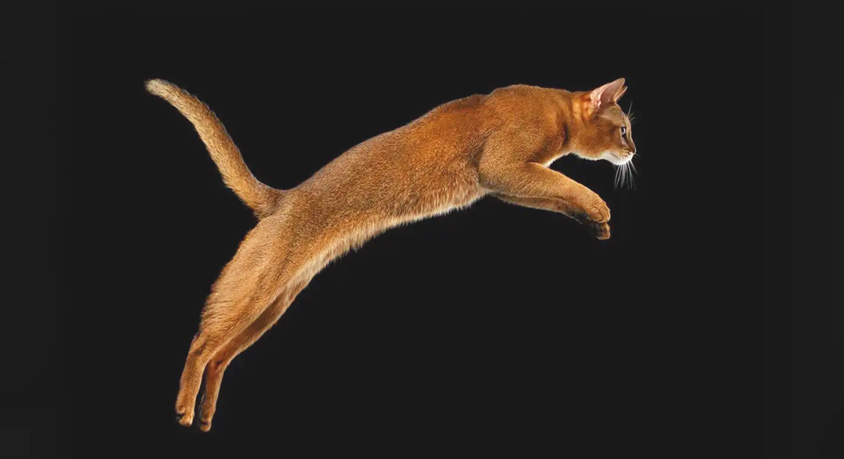
Let go of these two beliefs. They are making both you and your cat miserable.
Physical exhaustion does not equal mental satisfaction. A cat who runs on a wheel for an hour may still zoom at midnight. Why? Because the stalk-chase-pounce sequence was missing. The wheel offers motion without the cognitive thrill of hunting.
Suppressed hunting drive does not disappear. It leaks out as redirected aggression (attacking your ankles), obsessive grooming, or overeating. One of my clients ignored her cat’s nightly sprints for two years. He started biting her feet under the covers. She thought he was mean. He was desperate.
You cannot delete the zoomies. But you can reschedule them – and make them shorter, quieter, and earlier.
Before your own dinner, play with your cat using a feather wand or a fishing-pole toy. Mimic real prey: drag it slowly (stalk), wiggle it behind furniture (chase), let it “escape” and pause (pounce), then let your cat catch and bite it (kill). Repeat this sequence five to seven times.
After the final “kill,” immediately serve dinner. In nature, a successful hunt ends with eating. This links the play to a biological payoff. The cat’s brain releases serotonin and melatonin – natural sleep aids.
Dim the lights. Turn on a white noise machine or low-volume cat music. Offer a warm, elevated perch by a window (so he can watch outdoor activity without getting overstimulated). Do not engage with him after this point. Let the routine signal “hunting is over, rest begins.”
Even with a perfect routine, some cats will have breakthrough sprints. That is normal. The goal is not zero zoomies – it is zoomies that last thirty seconds instead of thirty minutes.
When Pixel races across your bed at 11 PM, do not yell. Do not chase. Do not throw toys. Any reaction – even negative – reinforces the behavior because it gives attention. Instead, stay completely still. Pretend to be asleep. Most cats lose interest in a non-responsive audience within three sprints.
Place an automatic laser toy or a battery-operated floppy fish in the hallway, set to turn on at 11 PM for ten minutes. The cat can direct his zoomies toward the toy instead of your face. Within a week, many cats learn to wait by the toy at that time.
Most zoomies are behavioral. But occasional night-time agitation can hide pain or illness. Watch for these red flags.
A cat who sprints and simultaneously howls – not just chirps or trills – may have hyperthyroidism or high blood pressure. Both conditions cause restlessness and nighttime vocalization. A simple blood test rules them out.
If your cat explodes with energy and then immediately retreats to a dark corner, panting or hiding, he may be experiencing a pain spike (arthritis, dental, or urinary). The zoom becomes a frantic attempt to escape the discomfort.
A ten-year-old cat who has never zoomed suddenly starts racing at 3 AM every night. This pattern – especially with increased thirst and weight loss – screams hyperthyroidism until proven otherwise. Call your vet.
I worked with a family whose Siamese cat, Luna, turned every night into a demolition derby. They had tried ignoring, scolding, and locking her out. Nothing worked.
We added a fifteen-minute wand session at 9 PM, followed by a puzzle feeder with her kibble. We placed an automatic laser toy in the basement set to activate at 10:30 PM for eight minutes. Within ten days, Luna’s 11 PM sprints became a soft trot. Within a month, she slept through most nights curled on her owner’s feet.
“I thought she was possessed,” the owner told me. “She was just a hunter with no hunting license.”
Tonight, when you hear that first thunderous paw step down the hallway, do not groan. Smile. Your cat is not broken. He is a tiny lion living in a studio apartment. Give him his hunt before midnight – and you might just give yourself back your sleep.