The Sleeping Dog on Camera: Is Its Quietude a Hidden Language?
- Quick Tags: pet camera anxiety, dog sleeping, pet boredom, solo pet behavior
- Editor: Editorial Team
- Updated: Oct,20,2026
- Views: 358.9k

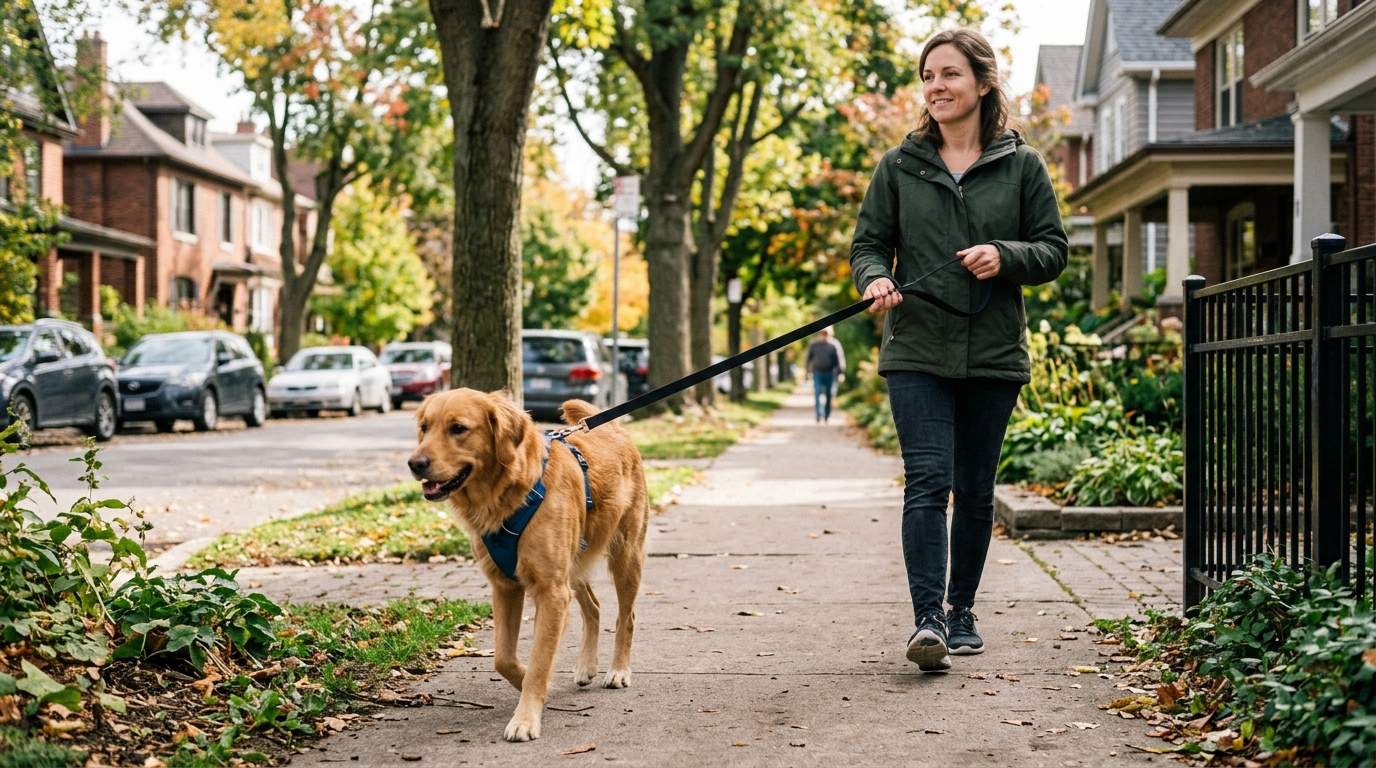
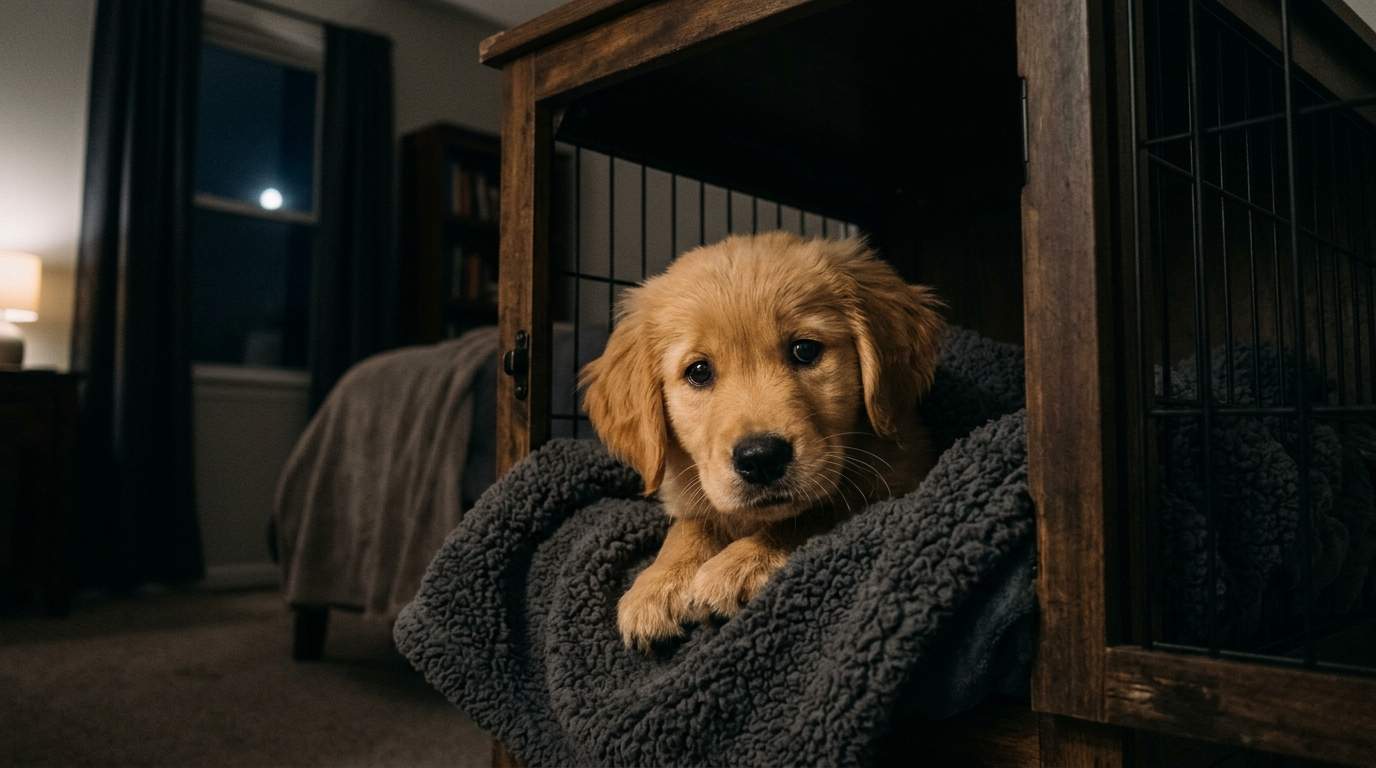
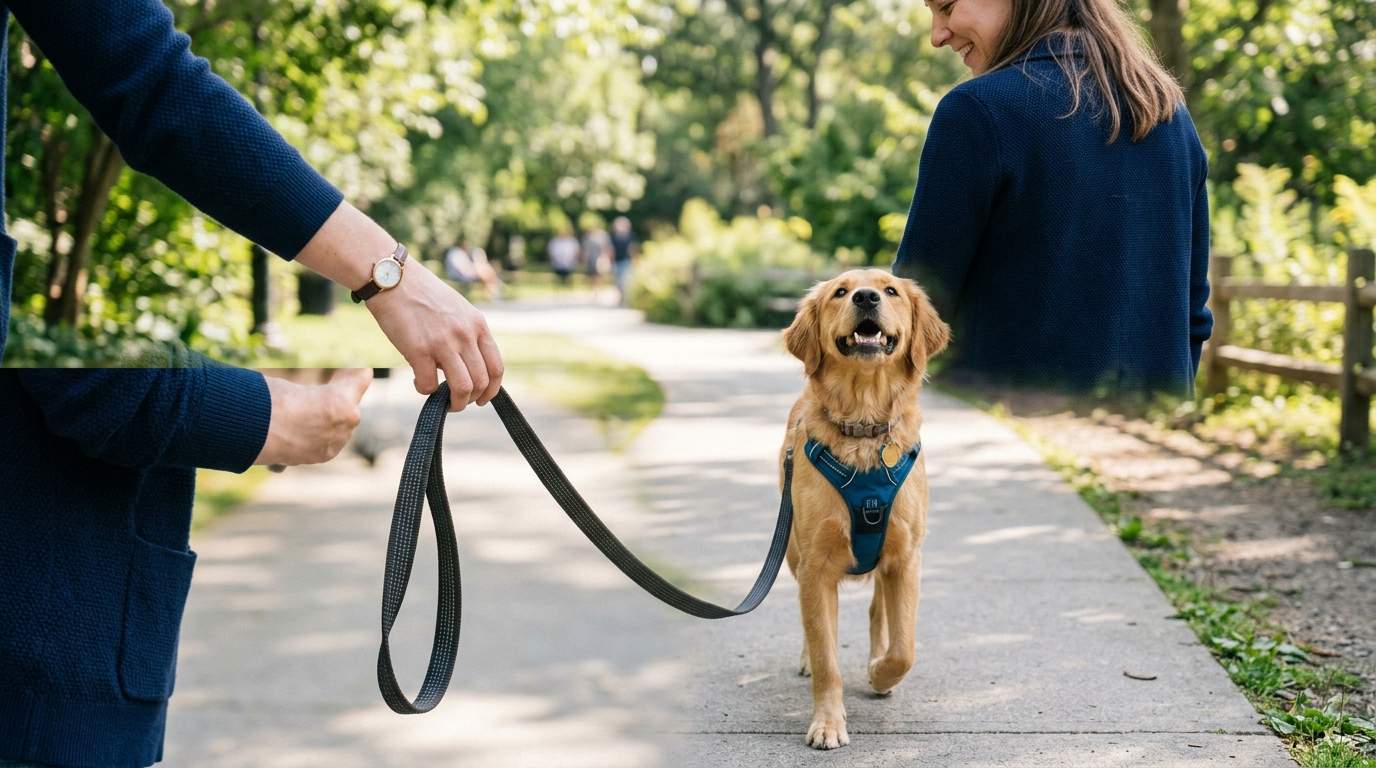
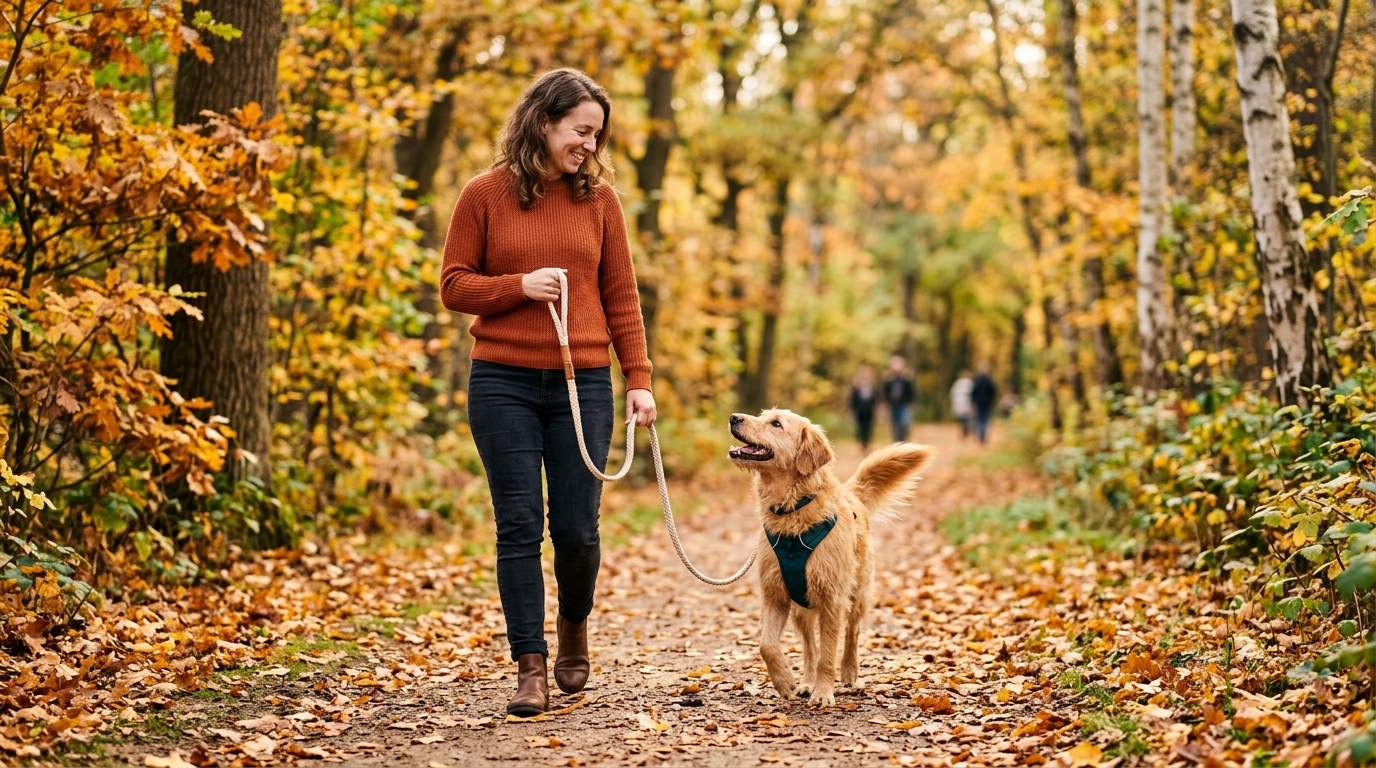
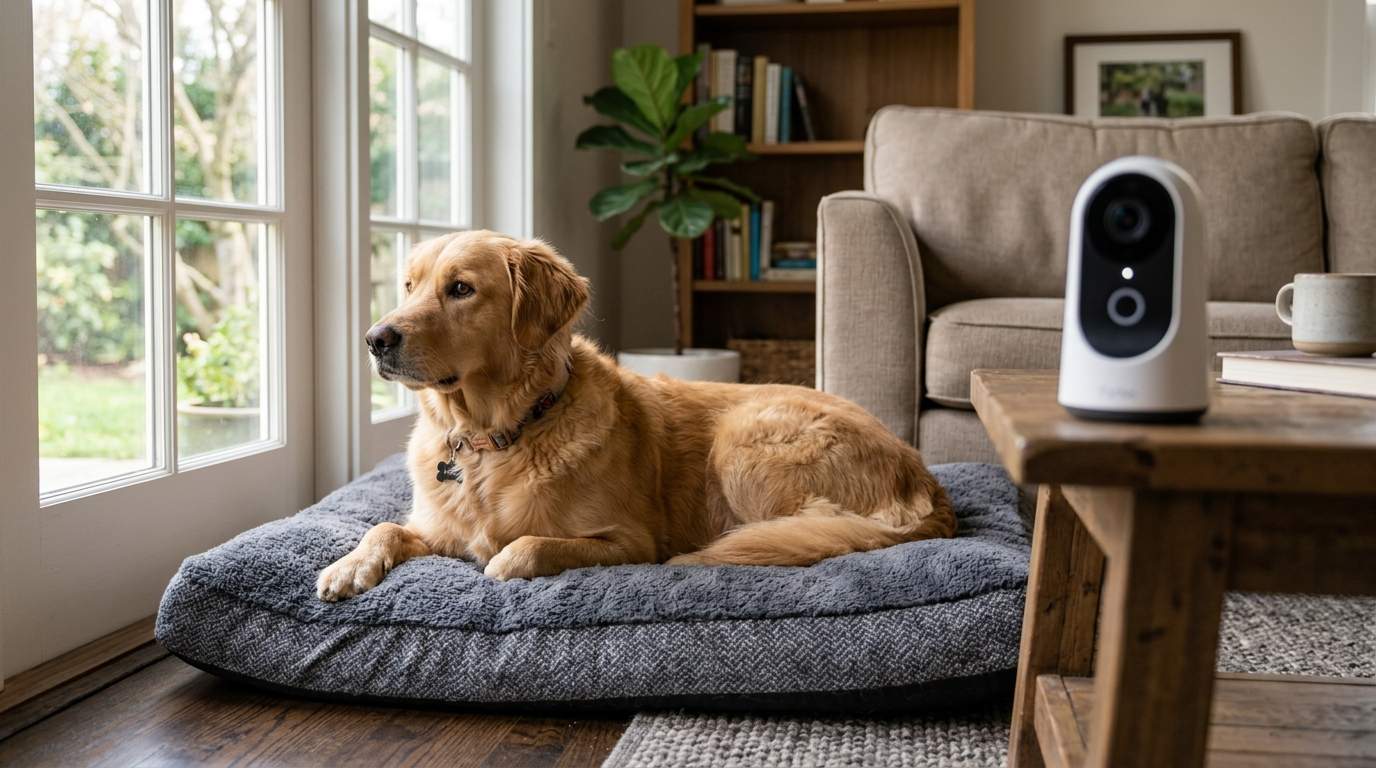
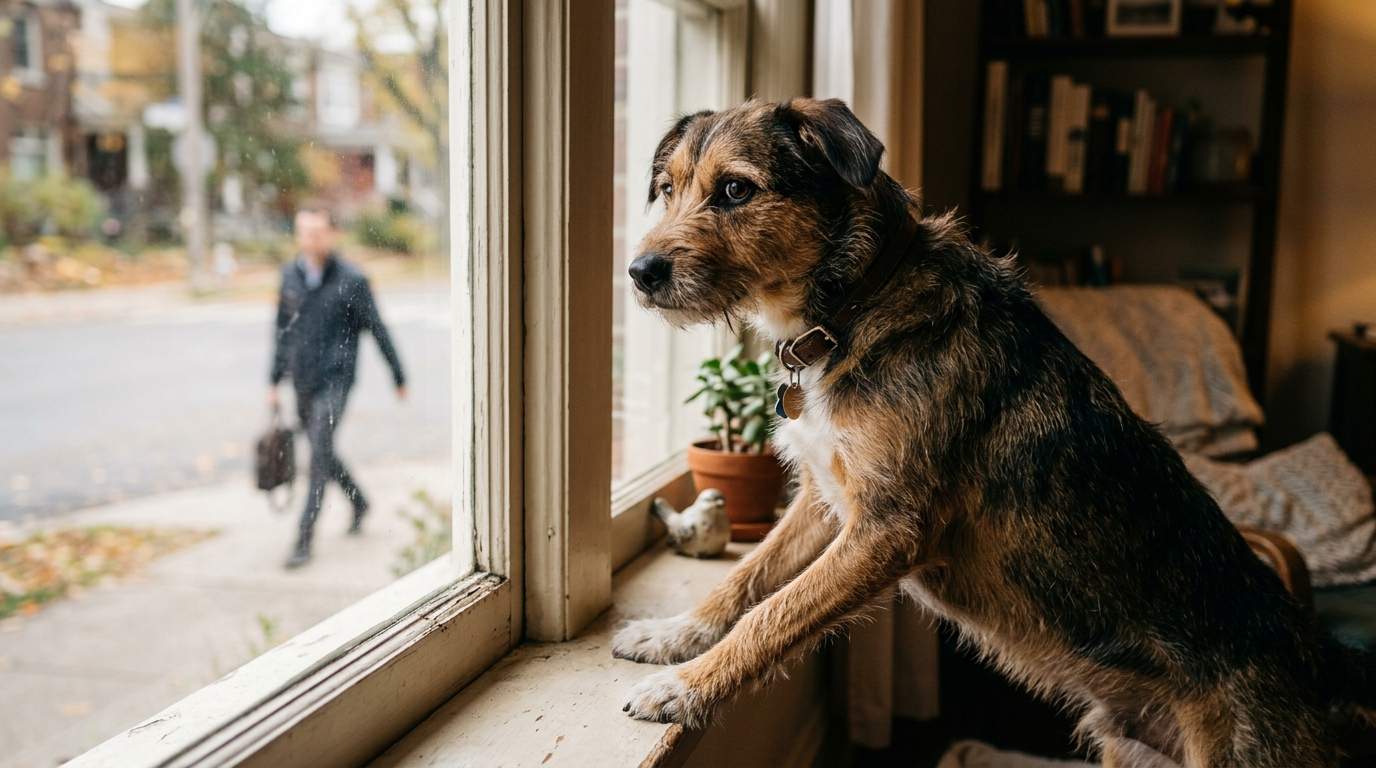
You’re at work, grabbing a quick coffee, and decide to check in on your furry best friend through the pet camera. You expect to see them playing with their toys or looking out the window, but instead, for the third time this week, they’re just curled up, sound asleep. A pang of guilt hits you: “Are they bored? Am I leaving them alone too long?” That gnawing feeling that your pet is unhappy because the camera only ever shows them snoozing or just sitting there. You bought the camera for peace of mind, but now it’s making you anxious, wondering if you're failing to provide enough stimulation or companionship.
E.g. :Why Is Your Parrot Pulling Its Feathers?
As someone who has shared my life with animals across continents, I’ve witnessed firsthand how deeply we connect with our pets, and how easily our genuine love can turn into self-doubt. The silent, still image on your screen isn't always a portrait of loneliness; often, it’s a perfectly normal, healthy creature simply existing. Let's gently explore what your pet camera might not be telling you.
It's ironic, isn't it? We invest in pet cameras hoping to glimpse a vibrant, active animal missing us dearly, a secret window into their world. Instead, we often capture hours of stillness. This limited, two-dimensional snapshot can be profoundly misleading, turning natural resting patterns into evidence of profound boredom or loneliness. The very technology meant to ease our minds often amplifies our guilt, making us question if we understand what a truly contented solo pet looks like.
Consider Luna, a delightful Golden Retriever whose guardian, Sarah, would check her camera multiple times a day. Sarah always saw Luna napping on the couch. Sarah felt immense guilt, convinced Luna was heartbroken and bored. What Sarah didn’t see was Luna's deep, restorative sleep, crucial for her mental and physical well-being, or the active dreams playing out behind closed eyelids.
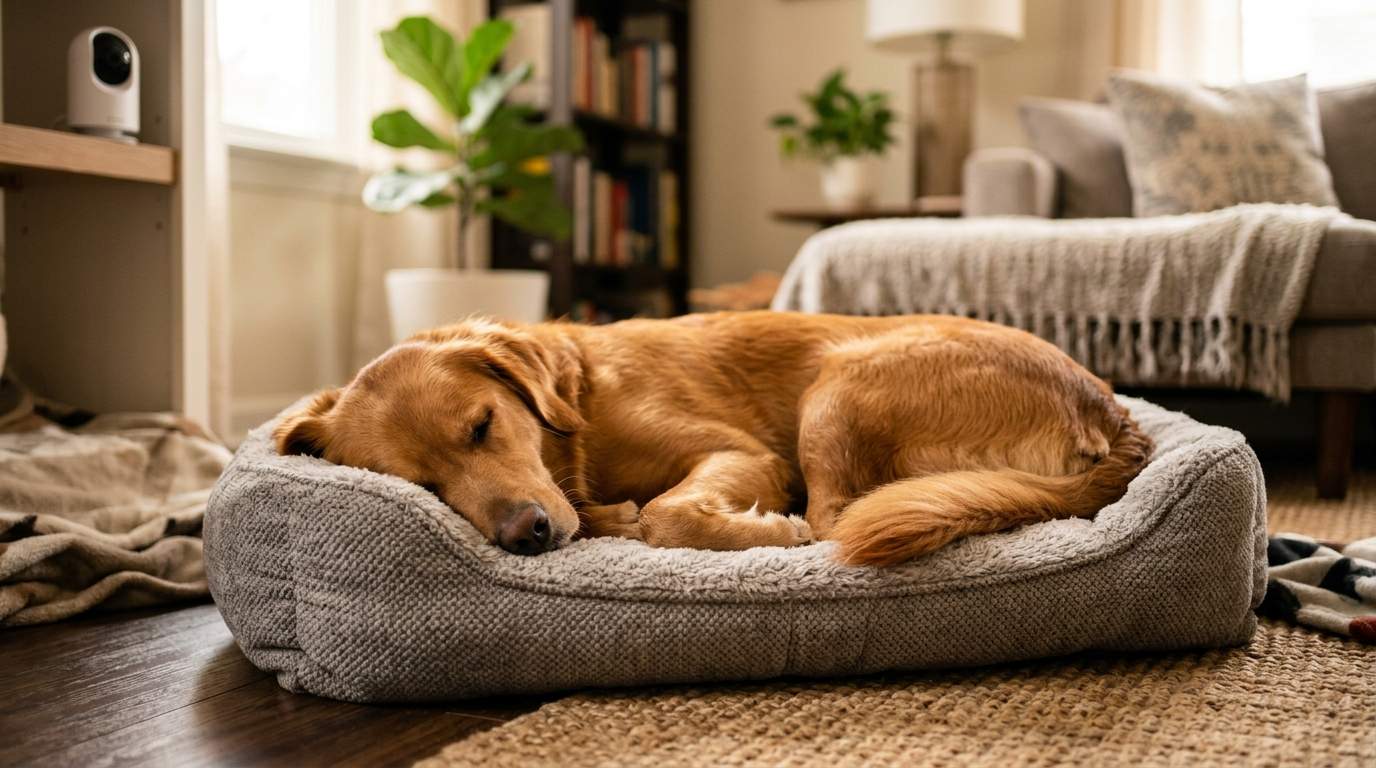
Dogs, much like humans, have a sleep-wake cycle, but theirs differs significantly from our 9-to-5 expectations. Adult dogs typically need 12-14 hours of sleep per day, sometimes more, especially if they are highly active when awake. This isn't continuous sleep; it's often broken up throughout the day and night, incorporating naps and periods of quiet rest. When left alone, many dogs instinctively settle into a routine of rest, conserving energy for when their human companions return.
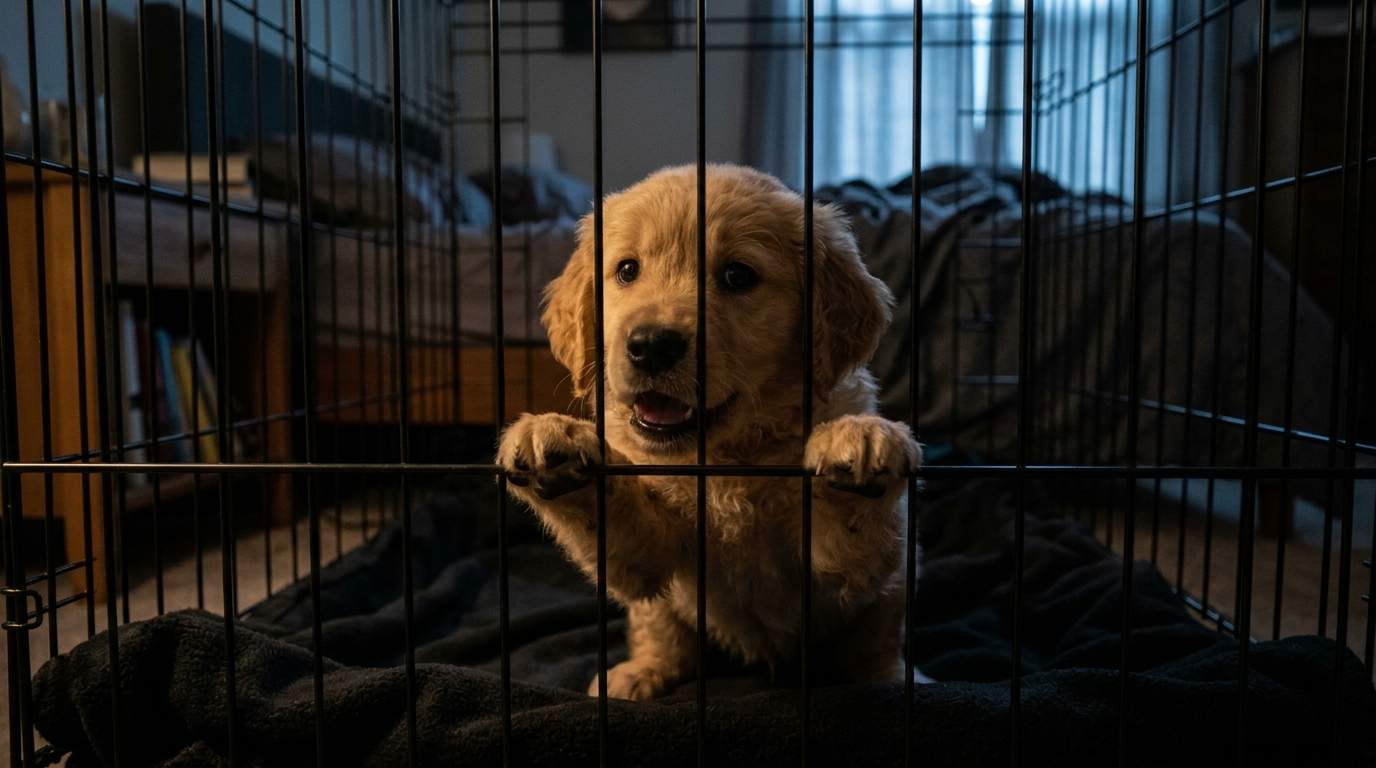
Puppies can sleep up to 18-20 hours a day as their bodies and brains develop. Senior dogs, too, often require more rest, just like older humans. And for our feline companions? Cats are masters of napping, easily clocking 12-16 hours of sleep daily, often in short, frequent bursts. For them, being still and conserving energy is deeply ingrained. So, seeing them asleep on camera is often just them being perfectly normal, age-appropriate pets.
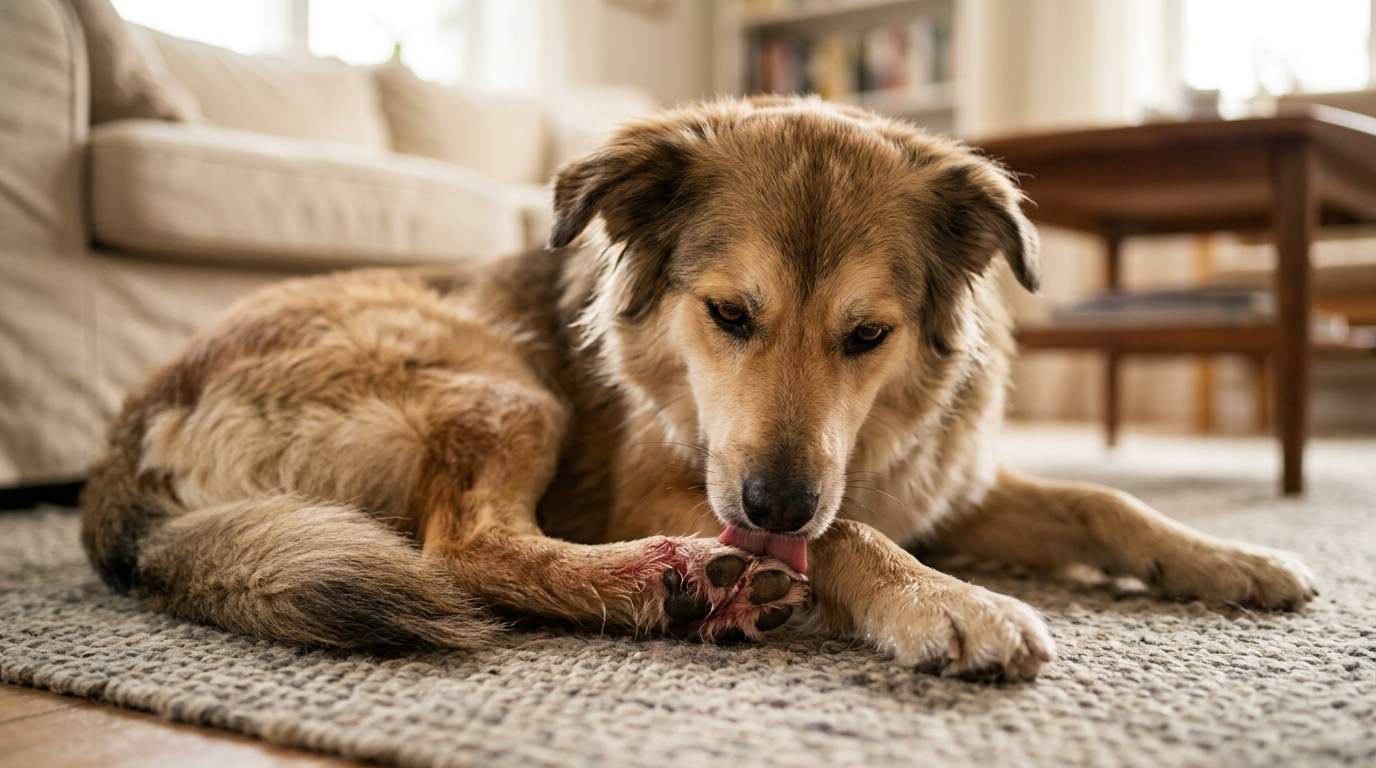
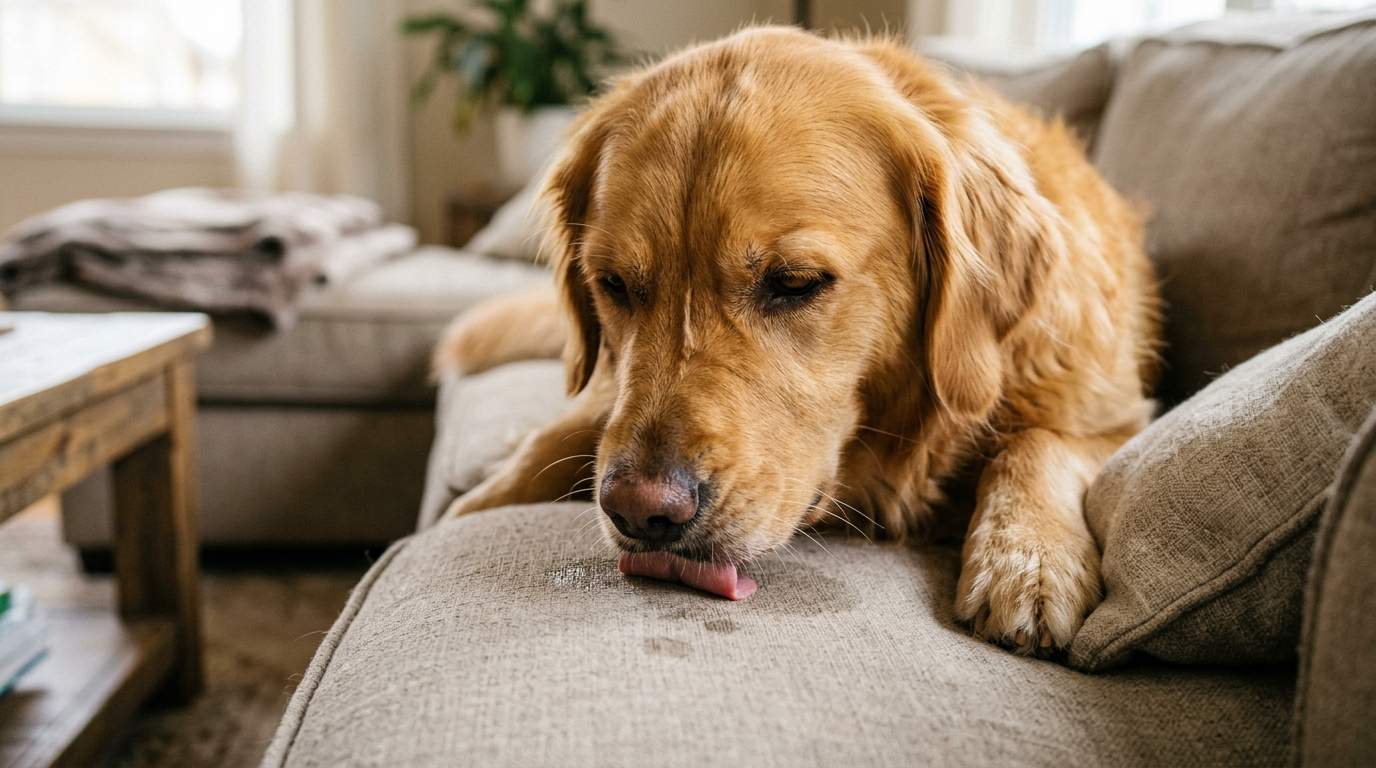
A sleeping pet on camera isn't inherently a bored pet. A truly bored or anxious pet often exhibits other subtle cues, which a stationary camera might miss or misinterpret. Look for context: Is your dog sleeping soundly and peacefully, or are they restless, pacing before settling, or frequently shifting positions? Signs of distress might include excessive licking, chewing on inappropriate items, destructive behavior that isn't focused on toys, or persistent vocalization. A dog simply napping, perhaps occasionally lifting their head to glance around before dozing off again, is typically a sign of contentment and security in their environment.
While healthy rest is vital, ensuring mental and physical enrichment is crucial for your pet’s overall happiness, whether you're home or away. If you genuinely suspect your pet is under-stimulated, there are gentle ways to enrich their solo time without necessarily needing them to be constantly "active" on camera.
Think about activities that engage their natural instincts. A puzzle feeder filled with a portion of their meal can keep a dog engaged for 20-30 minutes. Scent games, where you hide treats around the house, activate their powerful sense of smell. For cats, vertical spaces, window perches, and rotating toys can provide quiet stimulation. Consider a long-lasting chew or a KONG toy stuffed with a treat to extend their engagement. These are often quiet, solo activities that won't necessarily look like "play" on camera but are profoundly enriching.
Your pet camera offers a peek, not the full story. It’s a tool for peace of mind, not a judgment of your parenting. Instead of letting it fuel anxiety, use it as one data point among many. Observe your pet’s behavior when you are home. Are they happy, engaged, well-rested, and healthy? Do they greet you enthusiastically? These are the truest indicators of their well-being. Trust your instincts, trust the bond you share, and remember that providing a safe, comfortable, and predictable environment, even if it includes plenty of naps, is an act of profound love. You are not a bad pet parent for allowing your beloved companion the essential gift of rest.