Elderly Dog's Hesitant Paw Pause: Social Snub or Silent Cry?
- Quick Tags: senior dog care, elderly pet behavior, canine socialization, old dog health signals
- Editor: Editorial Team
- Updated: Jul,21,2026
- Views: 244.6k

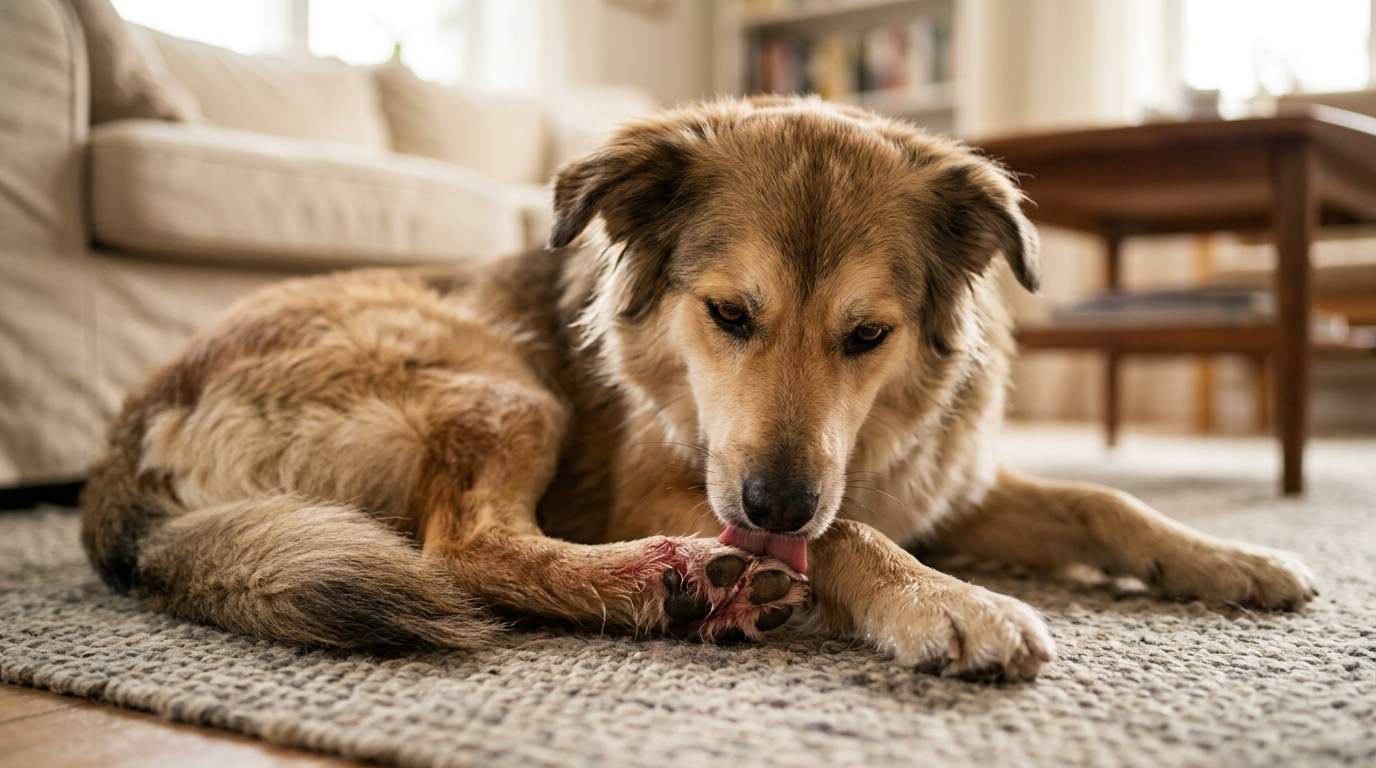
Picture this: an elderly Labrador named Max, in the soft glow of a backyard sunset, lifts one paw midway toward a frolicking puppy, then freezes. His eyes linger, but the paw drops. As a pet behavior consultant who's traveled from cozy UK cottages to sunlit Australian homes, I've seen this micro-moment countless times in senior dog care routines. It tugs at your heart—does he miss the fun, or is something deeper whispering?
E.g. :That nose glued to the sidewalk isn't defiance. So what is it?
We often assume aging dogs withdraw from play because they're "too old," but this overlooks their nuanced signals. Max's paw pause isn't disinterest; it's a blend of joint stiffness and emotional caution built over years. In my consultations, owners of Labs and Goldens share how ignoring these cues leads to isolation, yet gentle tweaks restore connection.
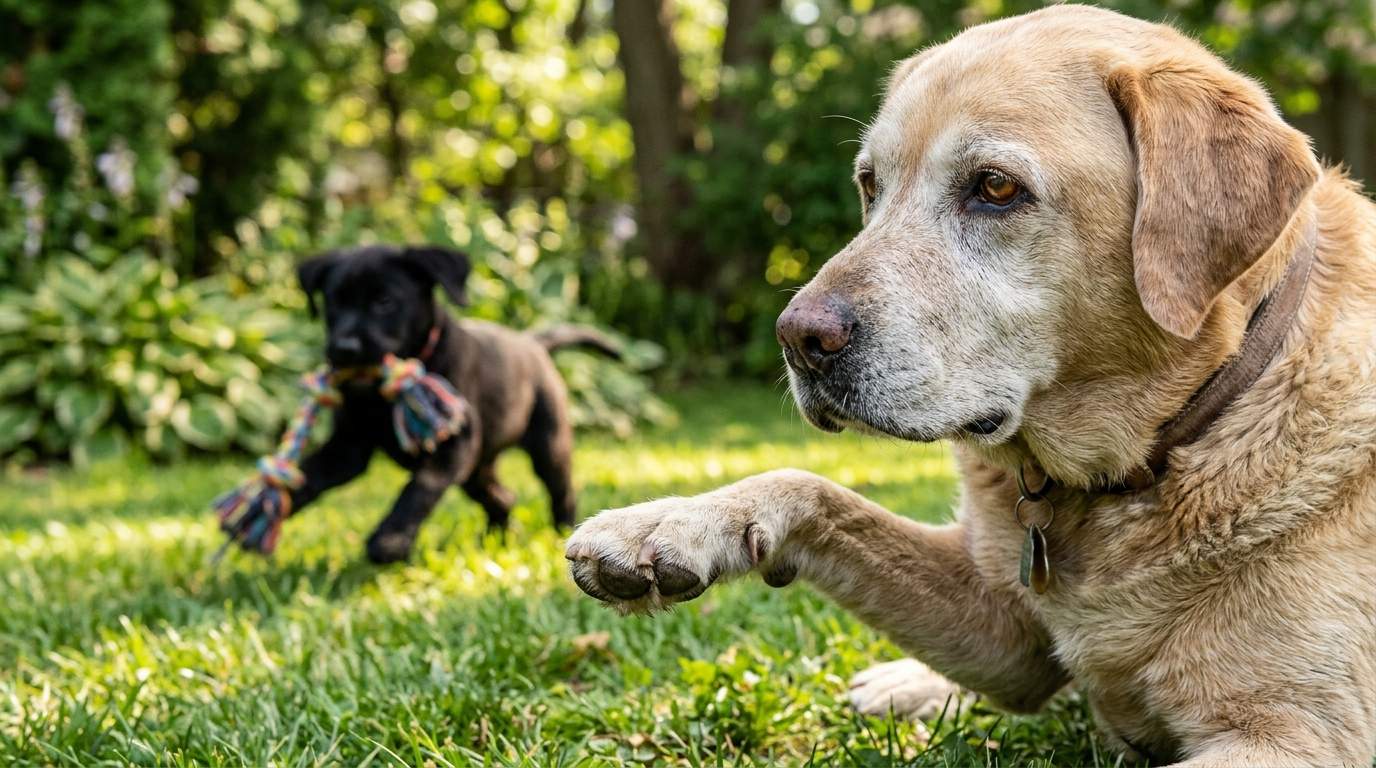
This challenges the myth that senior dogs shun socialization. Studies from the American Veterinary Society of Animal Behavior show elderly pets thrive on low-impact interactions, reducing anxiety by 30% when tailored right.
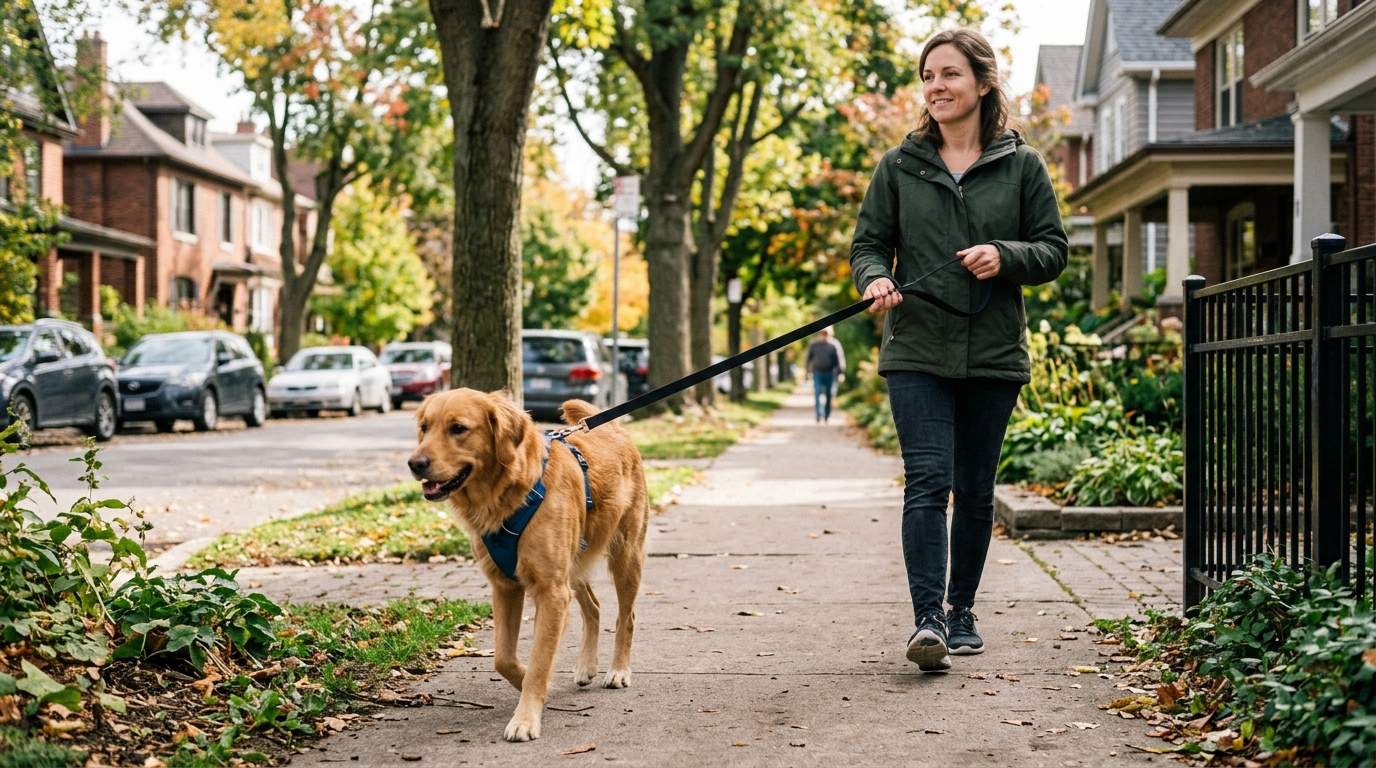
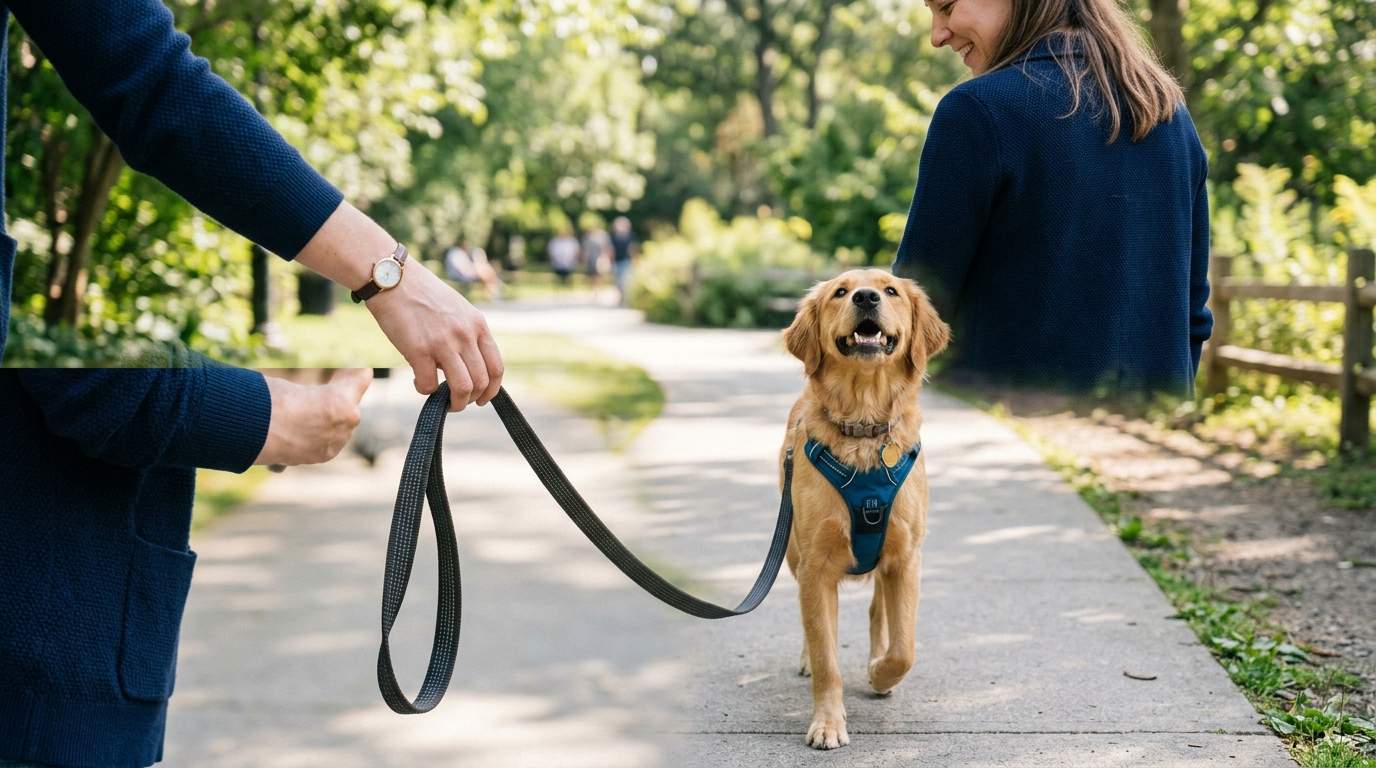
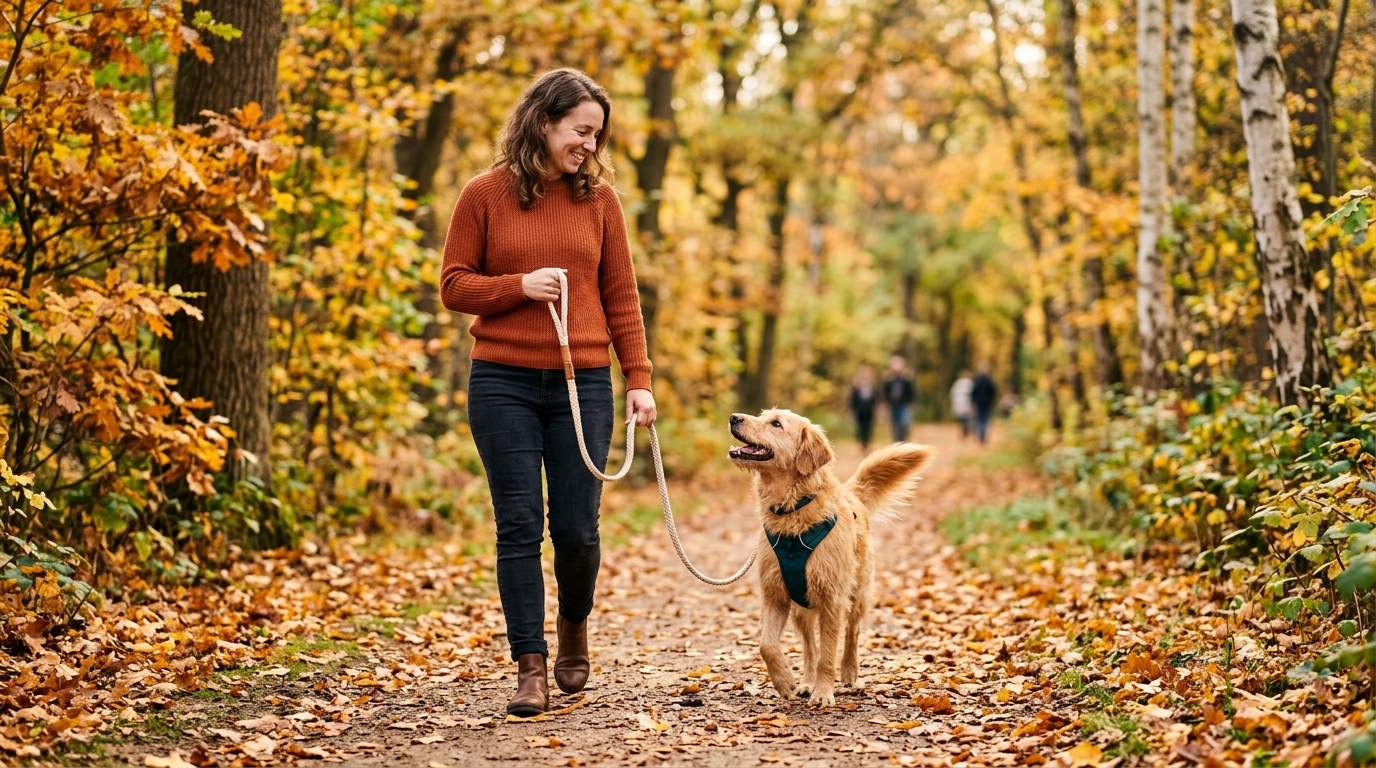
During leashed park strolls, watch for that hesitant lift amid puppy energy. It's not defiance—often a flare of arthritis masking as reluctance.
Max's story unfolds like many: once the pack leader chasing balls till dusk, now he sidesteps roughhousing. But his subtle tail wag at a calm sit signals yearning for companionship. Elderly pet behavior like this defies "grumpy old dog" tropes; it's adaptive wisdom.
For new guardians adopting seniors—common in rehomes—start with parallel play. Sit nearby with a puzzle feeder, letting him observe without pressure. This rebuilds trust, weaving senior dog care into joyful routines.
Here's the counterintuitive truth: what looks like rejection is often protective. Max once nipped at overzealous pups, but now his freeze-frame paw reveals cognitive fog or pain, per Journal of Veterinary Behavior research on aging canines.
Owners feel guilty, but you're not failing—life's pace shifted. Embrace it with scent walks: scatter familiar treats to spark gentle engagement, turning potential loneliness into quiet bonds.
In multi-dog meetups, a low flicking tail pairs with perked ears? He's engaged, not aloof. Test with distance.
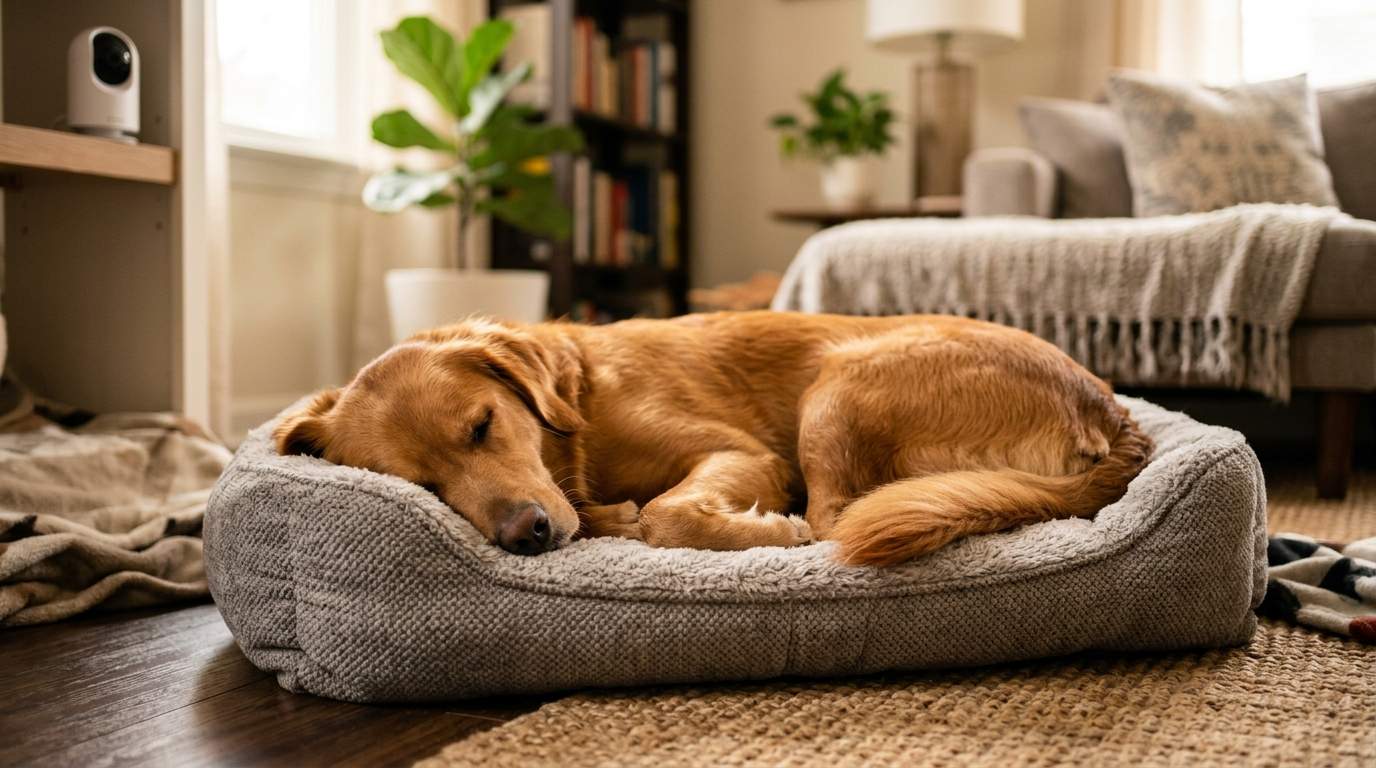
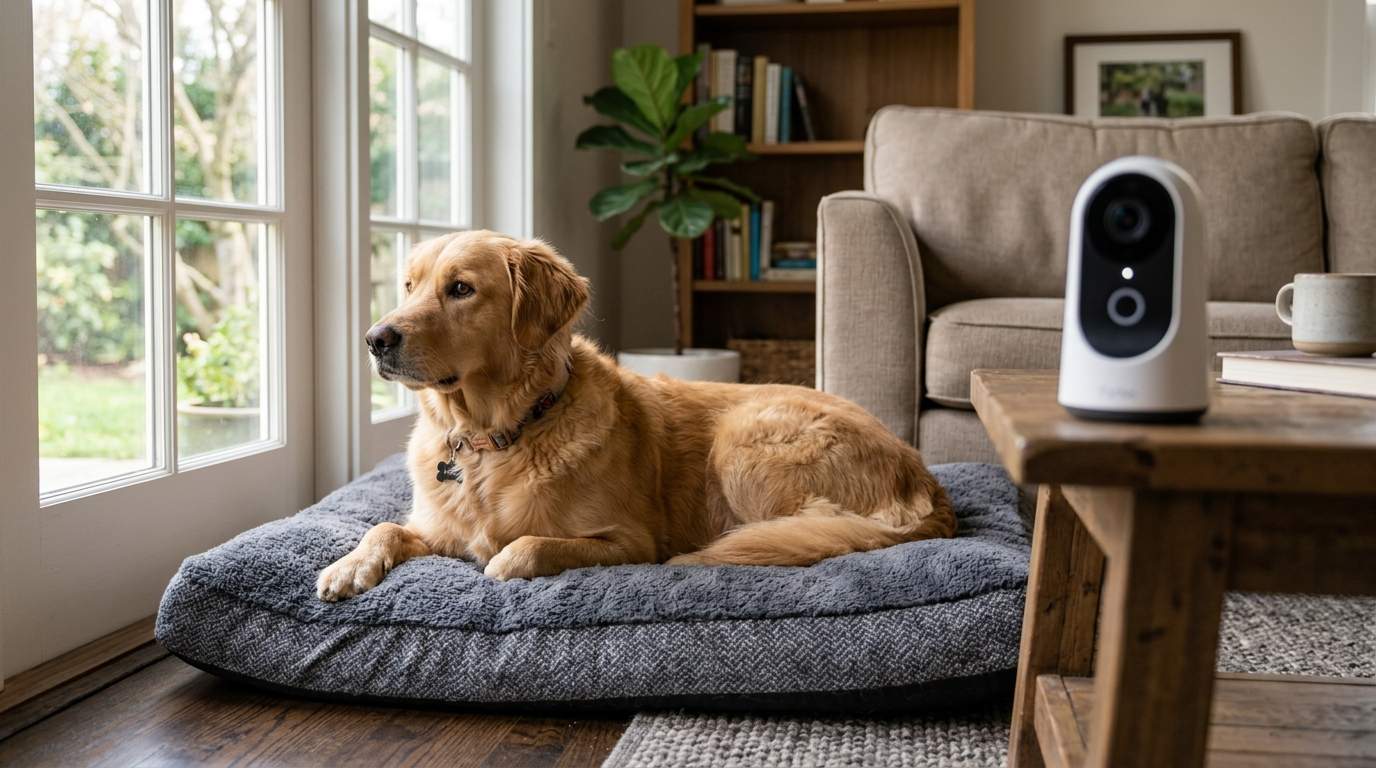
Simple tools amplify awareness. A puzzle feeder slows meals, mimicking foraging to ease mental strain in socialization. Pair with orthopedic beds for recovery post-play, spotting limps early.
Max's owner, a busy teacher, noticed improvements after these. No more isolation—now he joins circle sniffs, proving old dogs crave community on their terms.
Use soft toys tossed short distances. Monitor for labored breaths, signaling heart whispers.
Wrap Max's hesitation into empowerment. Schedule "senior hours" at dog parks—quieter times foster safe mingles. Track progress in a journal: paw lifts fading? Celebrate with his favorite chew.
You're the bridge to his golden years. These shifts in canine socialization aren't losses; they're evolutions, healing both heart and health. Reach out if Max's pause echoes yours—we'll tailor the path together.