When the Leash Snaps Taut: Is Your Dog Expressing More Than Just Urgency?
- Quick Tags: dog pulling, stop dog pulling, loose leash walking, leash training
- Editor: Editorial Team
- Updated: Oct,27,2026
- Views: 381.5k

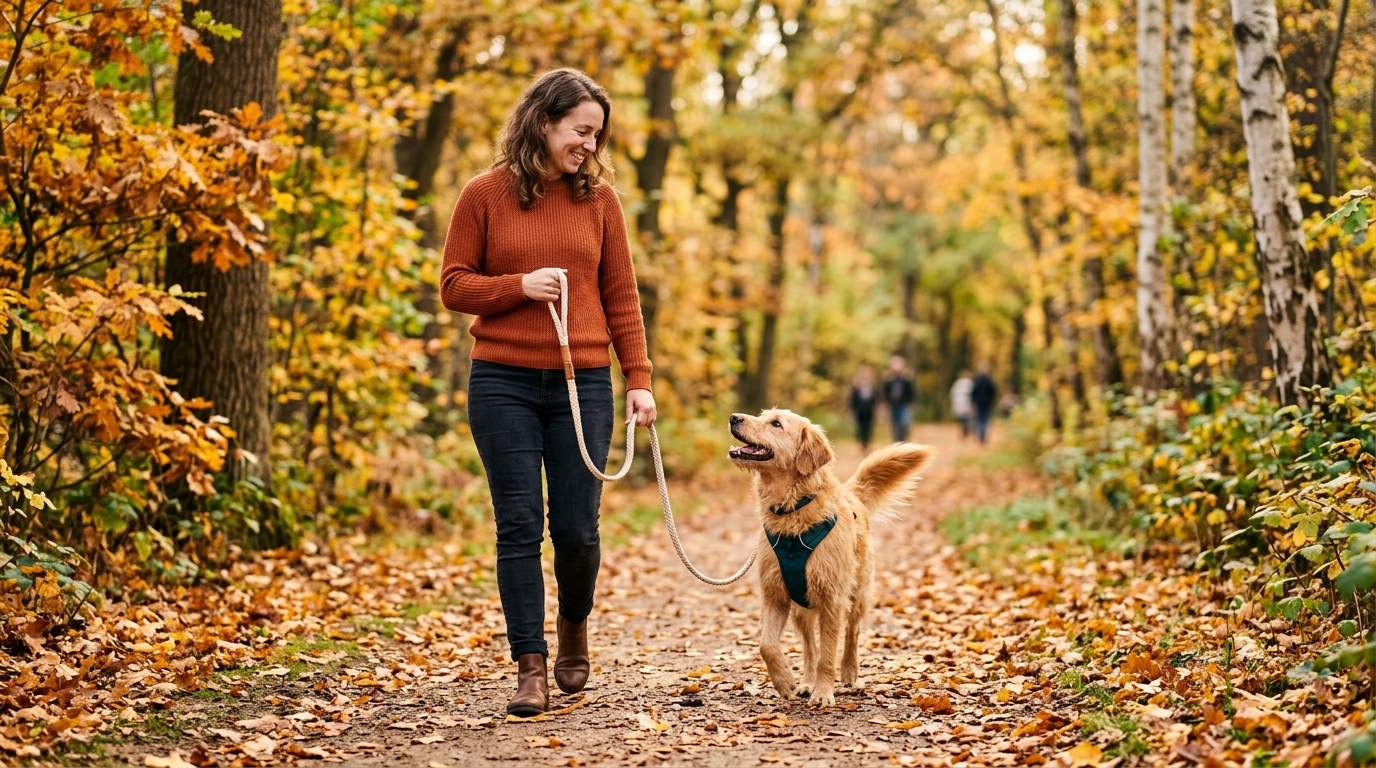
The moment that familiar click of the leash signals "walk time," does your arm instantly brace, preparing for the inevitable tug-of-war? Perhaps you know that sensation all too well—feeling like you’re water-skiing down the street, your shoulder burning, your mind racing with worries about tripping or being pulled into traffic. Instead of enjoying the fresh air and companionship, each walk becomes a gauntlet of anxiety, often leaving you feeling defeated and embarrassed, especially when you see other well-behaved dogs strolling calmly by their owners.
E.g. :The goldfish gasping at the surface: a hungry mouth or a burning gill?
It’s easy to internalize those feelings, wondering if you've failed your beloved companion or if they’re just "too much dog" to ever learn. For so long, we’ve been told that a dog pulls to assert dominance or because they’re "stubborn" or "alpha." We might have even tried sharp leash corrections, believing we needed to show them who’s in charge. But what if that traditional idea misses the true heart of the matter? What if your dog's pulling is a window into their world, telling a much deeper, more nuanced story?
Let's gently set aside the outdated "alpha" theory, which has been largely debunked by modern animal behavior science. Your dog isn't trying to dominate you; they are simply experiencing their world in a way that often conflicts with our human desire for a polite stroll. For a dog, a walk is a sensory explosion, a chance to gather vital information about their environment.
Imagine your dog's nose, a superpower far beyond our comprehension. Every blade of grass, every lamppost, every discarded leaf is a newspaper headline, a social media feed, a community notice board. Pulling forward isn't an act of defiance; it's often an urgent need to investigate a fascinating scent, to read the latest neighborhood news left by another canine, or to reach that intriguing patch of grass just ahead. They live in a world of immediate gratification through smell, and our slow pace can feel agonizingly restrictive.
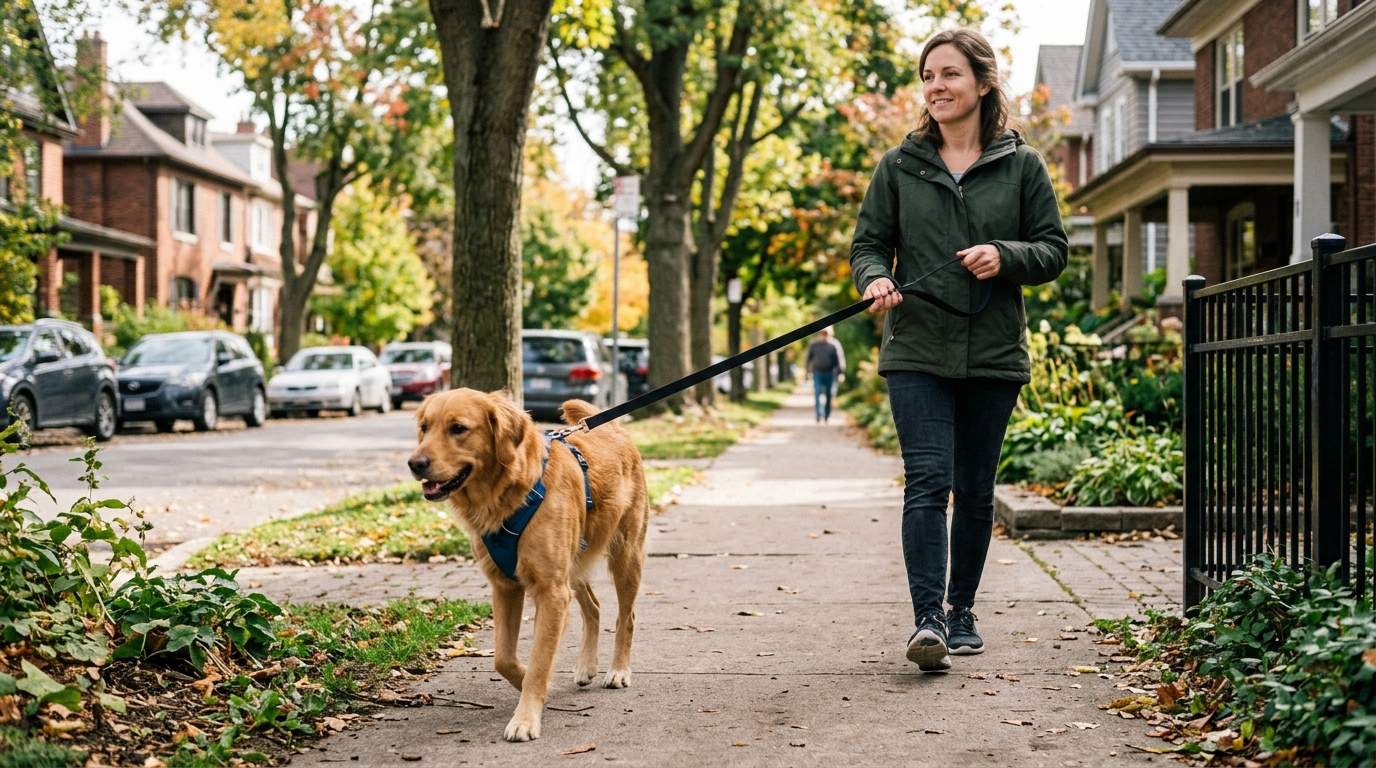
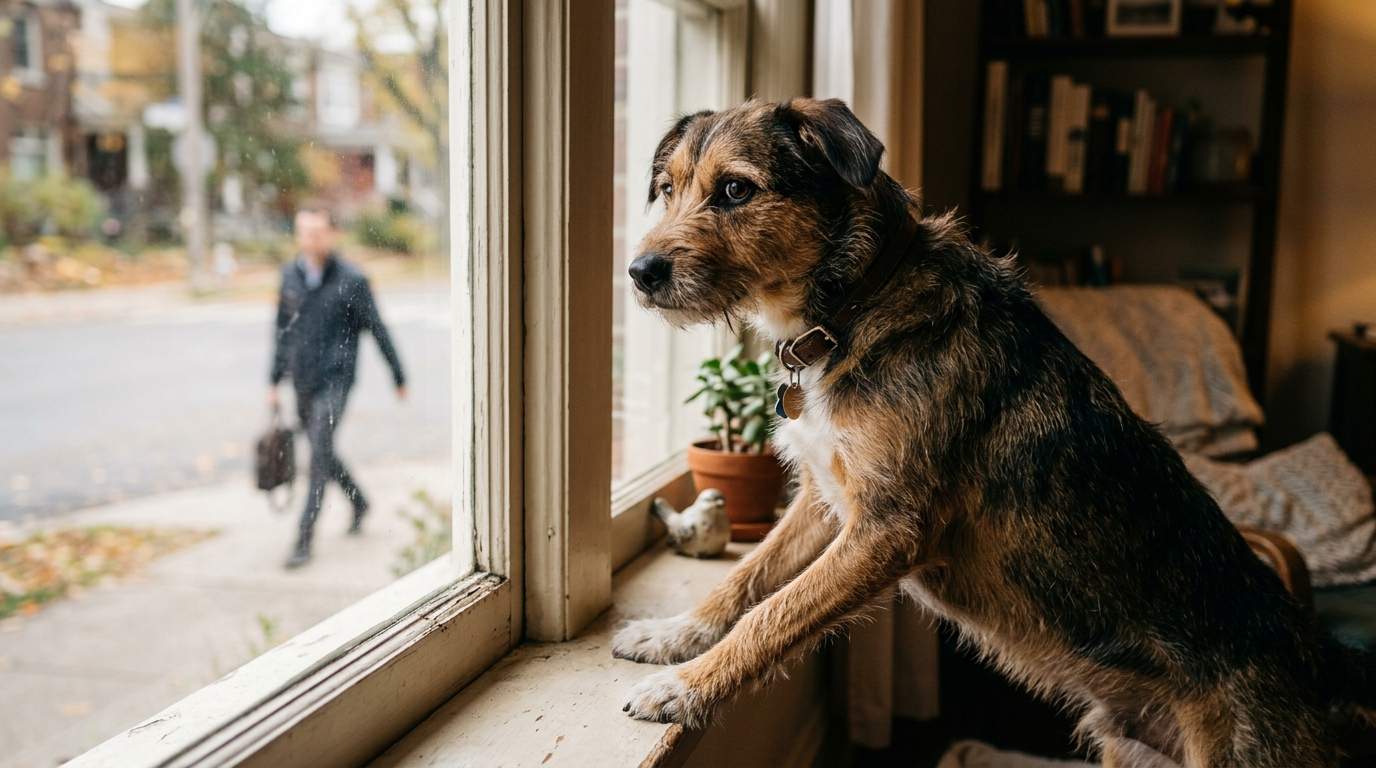
Beyond scents, your dog is processing sights and sounds that we might barely notice. A child on a scooter, a distant siren, another dog rounding the corner, a squirrel darting up a tree – these are all compelling stimuli that can trigger excitement, curiosity, or even apprehension. Pulling can be their way of trying to get closer to something enticing, or, conversely, trying to create distance from something overwhelming. It's their attempt to control their interaction with a world that is much larger and more complex than their familiar home.
So, if it’s not dominance, what else contributes to your dog's energetic drag? Often, it's a combination of factors rooted in their natural instincts and learned behaviors. Many dogs simply haven't been taught how to walk politely on a leash in a distracting environment.
Consider a young, energetic dog who has spent hours indoors. When the door opens, the sheer pent-up energy, combined with the intoxicating promise of adventure, can make them forget all their manners. For some dogs, the pulling might even be a learned behavior – if pulling gets them where they want to go faster (even if it's just to the next patch of grass), they've inadvertently been rewarded for the action. For others, overstimulation or underlying anxiety can manifest as a frantic rush to get the walk "over with" or to move away from perceived threats.
The good news is that understanding these motivations opens the door to truly effective and humane solutions for stop dog pulling. Instead of viewing pulling as a challenge to your authority, consider it a communication. Your dog is asking for help navigating the world, and we, as their guides, can teach them a more harmonious way. The goal isn't to suppress their natural curiosity but to channel it, teaching them that walking calmly with you is the most rewarding path. This shift in perspective is the foundation of loose leash walking.
Creating enjoyable dog walks involves patience, consistent positive reinforcement, and understanding that this is a skill we build together.
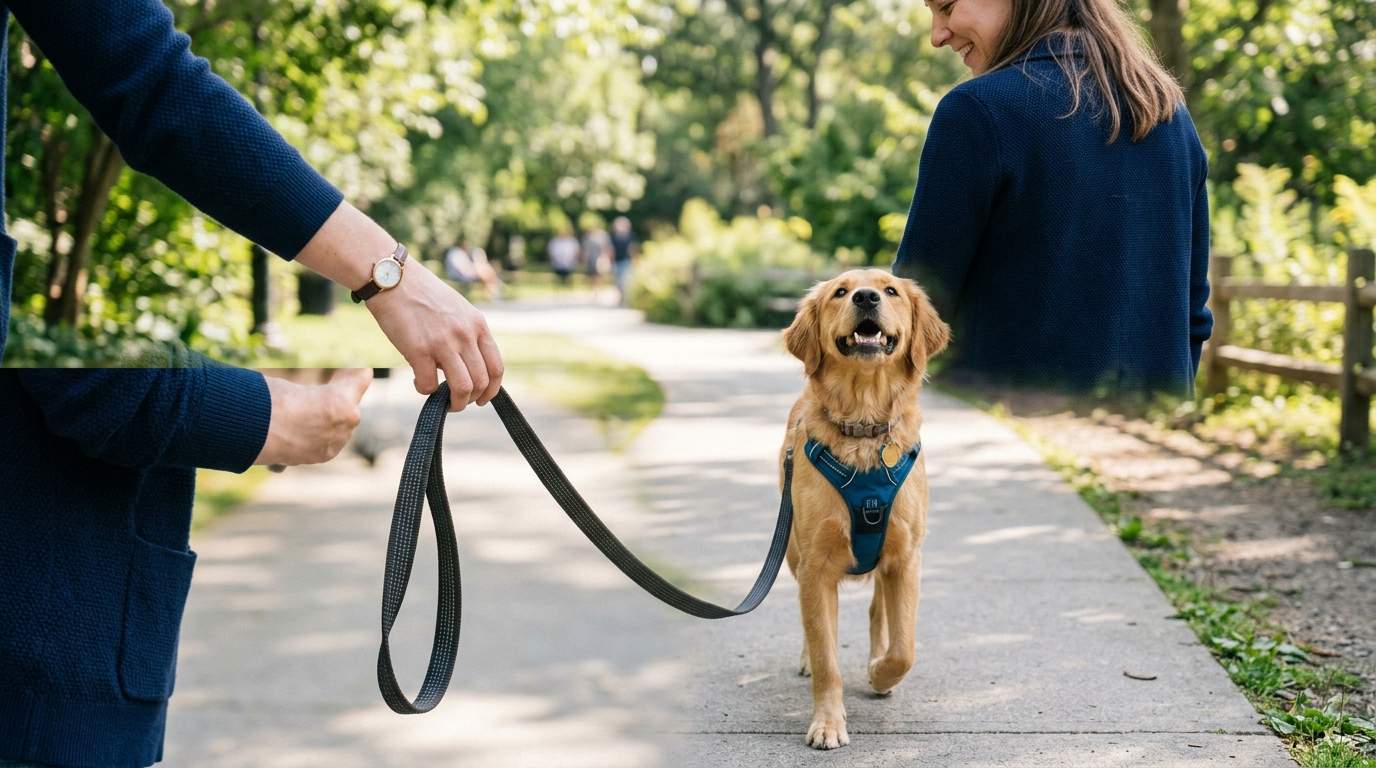
First, evaluate your equipment. A standard flat collar can put uncomfortable pressure on your dog's trachea if they pull hard. Consider a front-clip harness, which redirects your dog’s forward momentum when they pull, gently guiding them to your side rather than allowing them to drag you forward. Pair this with a comfortable, standard-length leash (around 6 feet) that allows for some slack but keeps them close enough for guidance.
The core of effective leash training is positive reinforcement. Every time your dog walks with a loose leash, even for a step or two, mark that moment with a verbal cue like "Yes!" or a clicker, followed immediately by a high-value treat or praise. If they pull, simply stop moving. Wait for the leash to slacken (even for a second), then praise and resume walking. This teaches them that a loose leash makes things happen, while a tight leash stops things. Practice in low-distraction environments first, gradually increasing the challenge.
Remember, changing a deeply ingrained habit takes time, consistency, and above all, empathy. This journey isn't just about stopping a behavior; it's about deepening the bond and trust between you and your dog. You are their steady anchor in a world full of wonders and potential anxieties. With patience, understanding, and the right techniques, those dreaded pulls can transform into peaceful, shared explorations, allowing both of you to truly enjoy the simple joy of a walk together. You haven't failed; you're simply ready to discover a kinder, more effective path forward.