The Persistent Paw Lick: Is It Just Grooming, Or a Hidden Worry?
- Quick Tags: dog paw licking, anxious dog behavior, pet allergies, dog health signs
- Editor: Editorial Team
- Updated: Sep,29,2026
- Views: 323.2k

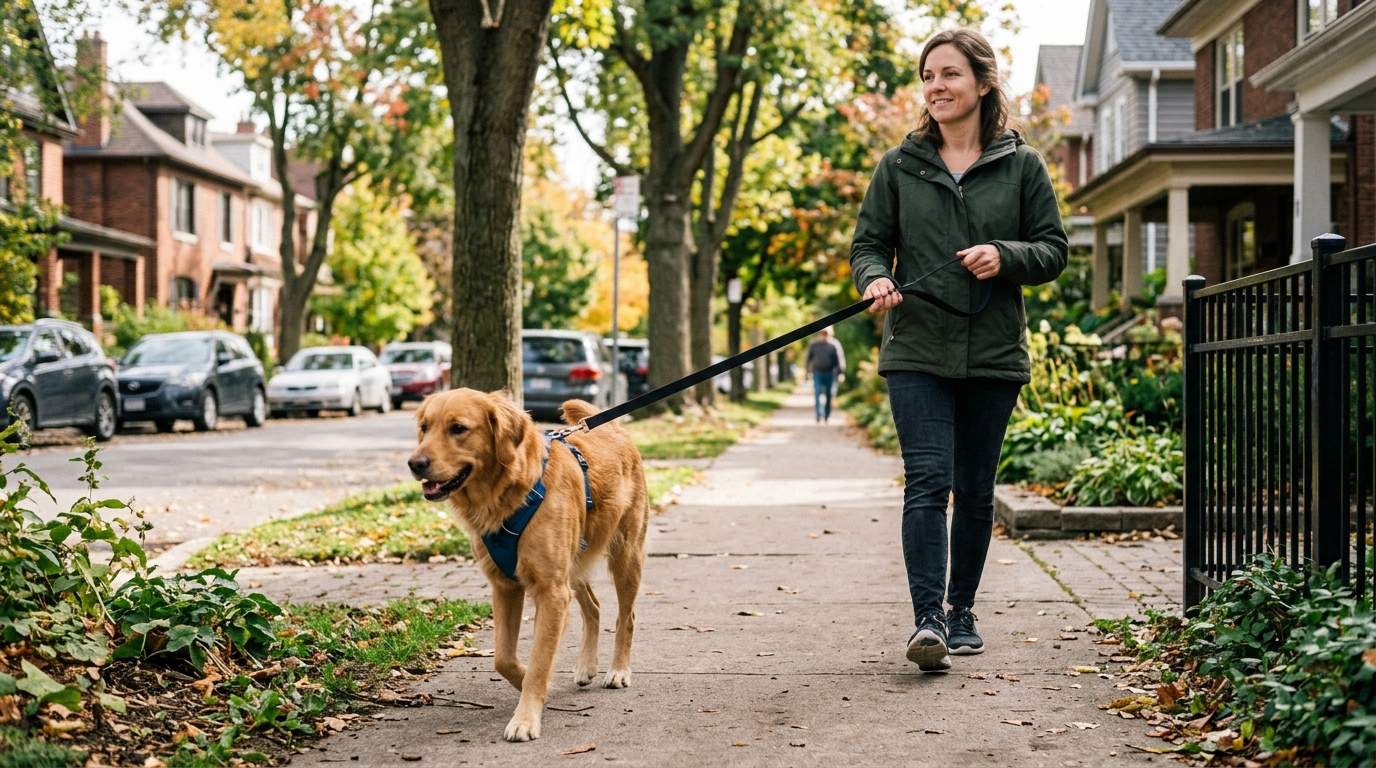
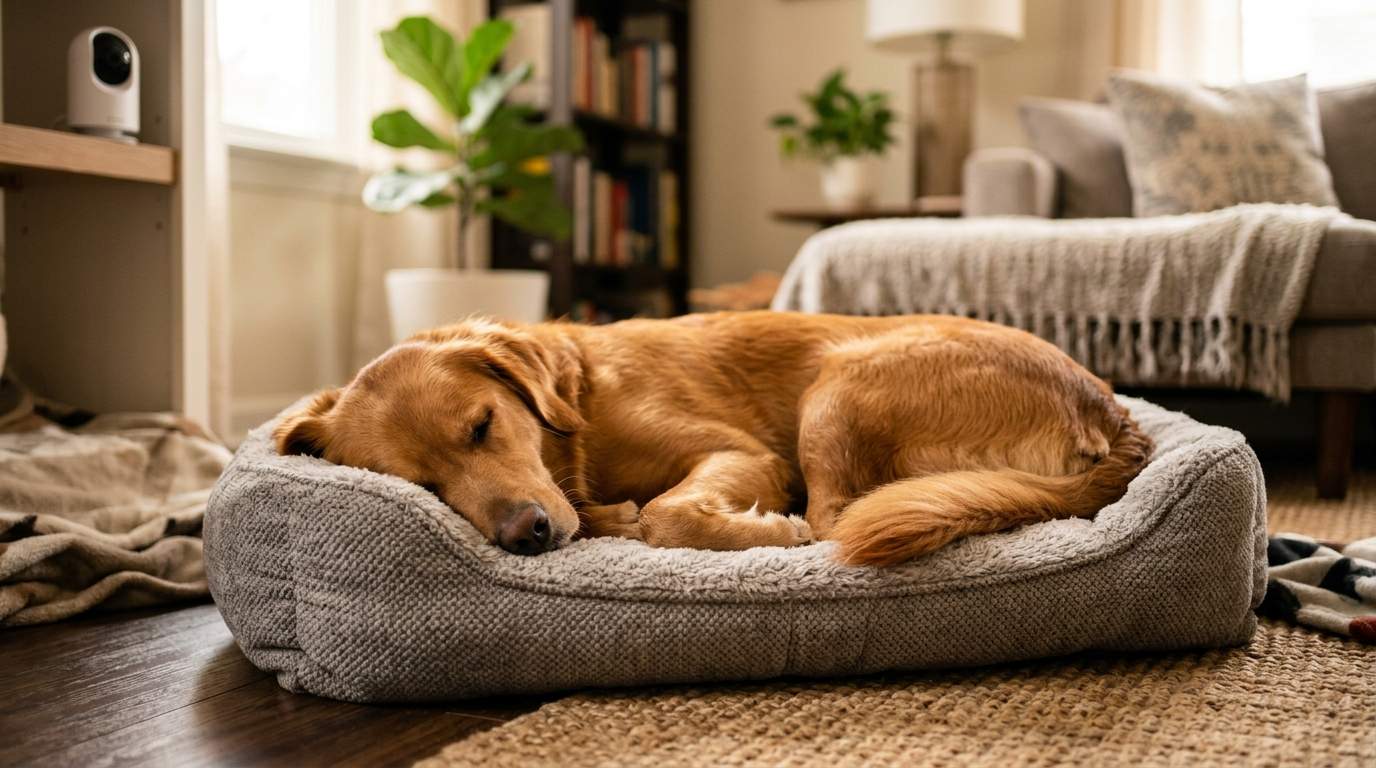
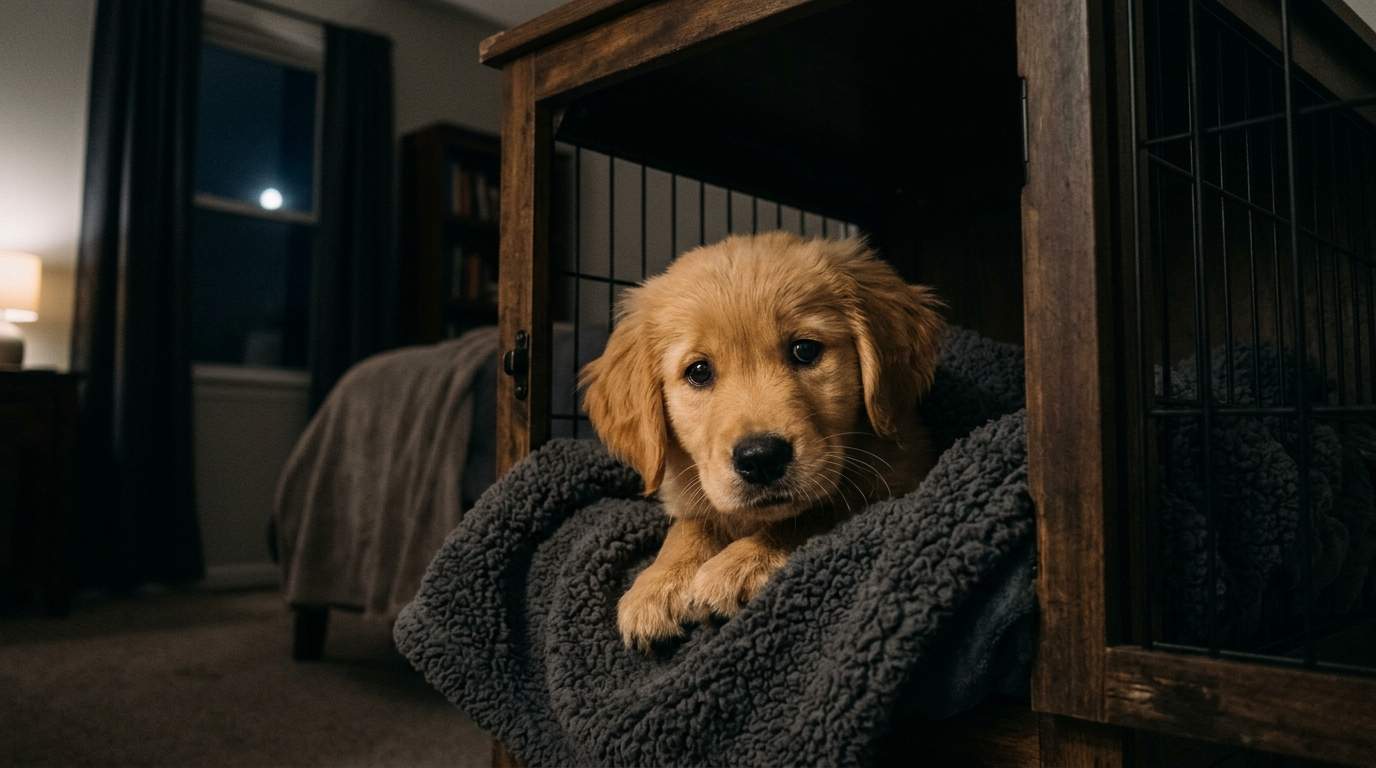
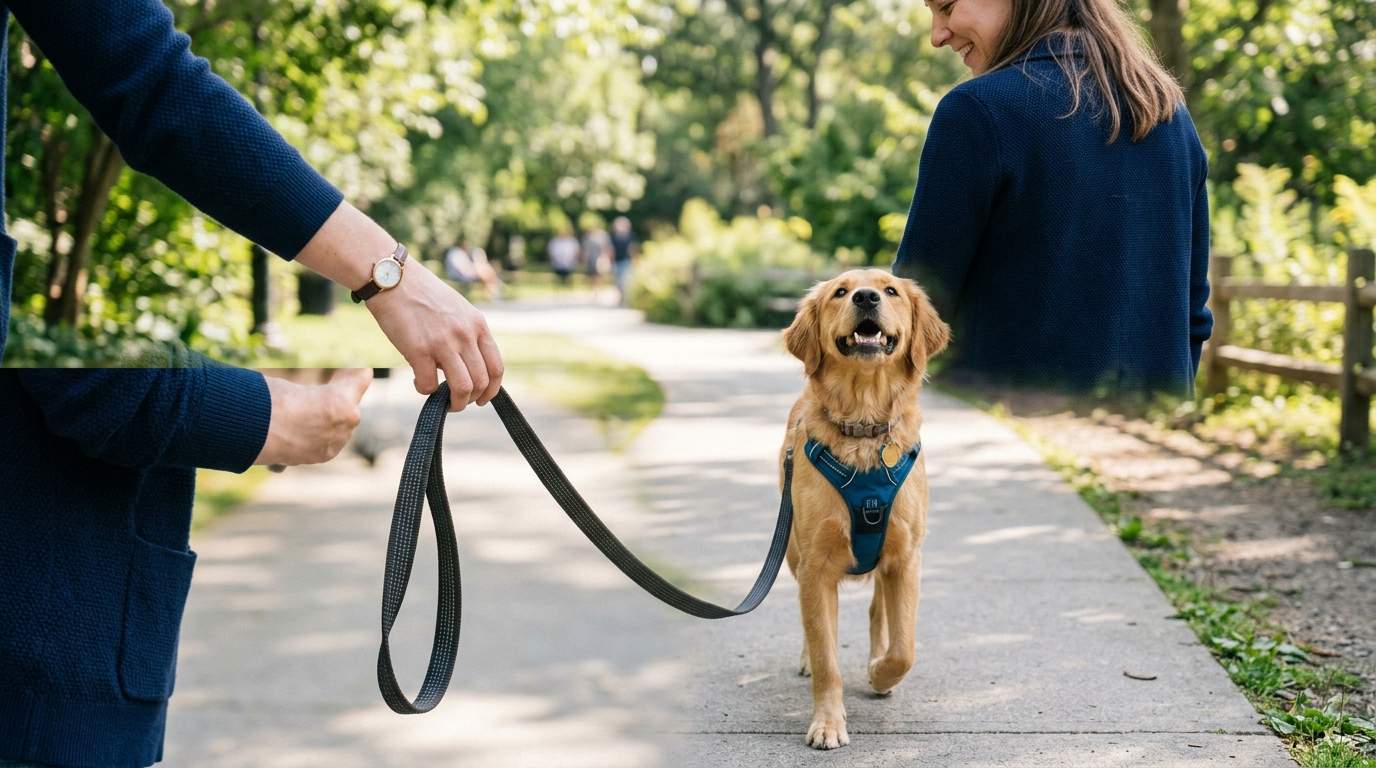
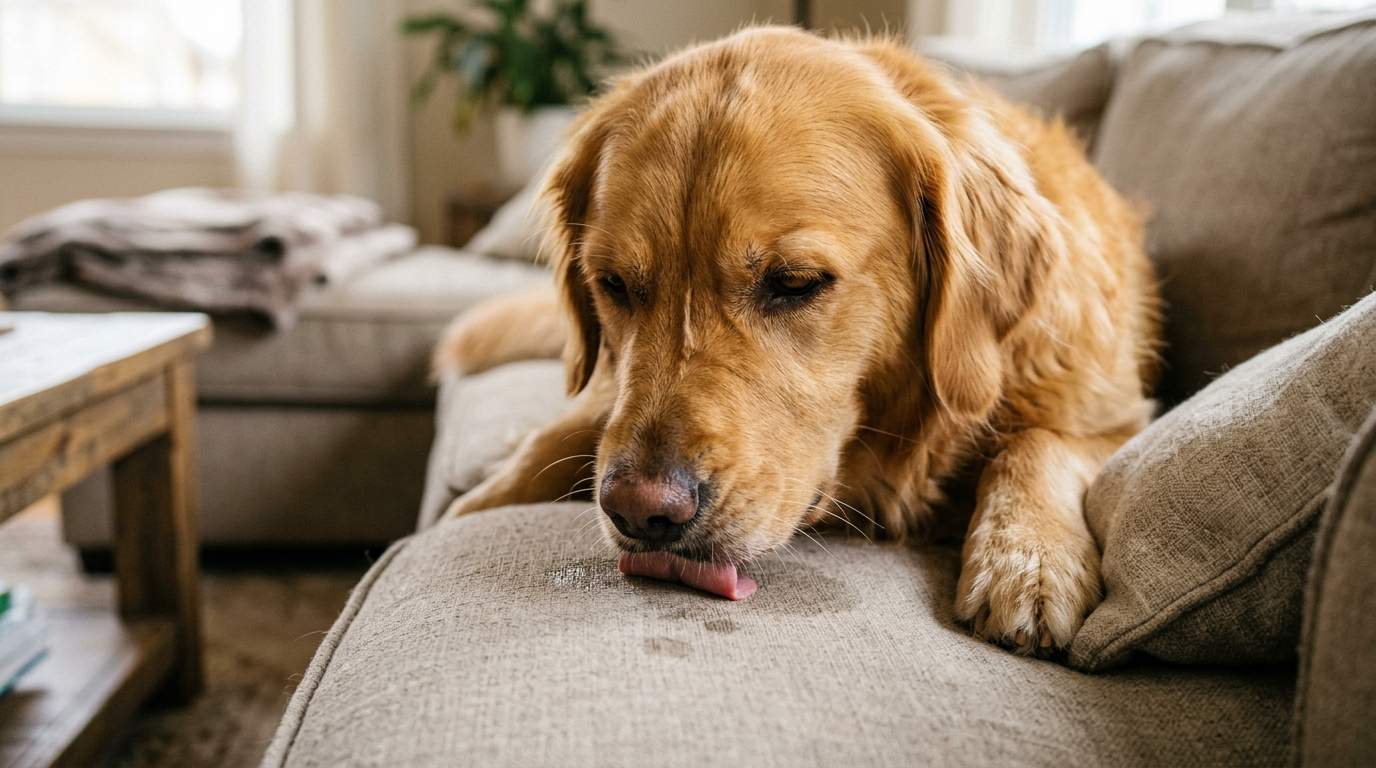

That rhythmic lick-lick-lick from your beloved canine companion, once a reassuring sound of their presence, has started to change. Now, when you glance over, you see an intense focus on their paw, sometimes accompanied by a chew or a tug. It’s happening more often, and a subtle knot of worry tightens in your stomach. You start to question, "Is he uncomfortable? Is this normal? Am I missing a sign that he’s in pain or distress?"
E.g. :Your cat rubs her face on your leg 12 times. That is not a hug.
It's natural to feel that pang of guilt, wondering if you're overlooking something crucial. For so long, we've often assumed paw licking is just a dog's way of grooming, or perhaps a harmless nervous habit. But what if that seemingly innocent action isn't so harmless after all? What if it's a quiet, persistent signal of something deeper – an underlying allergy, a brewing infection, anxiety, or even chronic pain? The common belief that “dogs just do that” might actually be preventing your loyal friend from receiving the crucial help they need.
When our dogs lick their paws, it's easy to assume they're just tidying up. However, unlike a quick lick after a walk, persistent or obsessive paw licking, especially if accompanied by redness, swelling, or a foul odor, is rarely just about cleanliness. It's often your dog's way of communicating discomfort, acting as a direct signal that something is amiss.
Think about how many things your dog’s paws encounter daily. Tiny splinters, thorns, or even a small cut from a sharp stone can cause significant discomfort. Chemical irritants from garden treatments or de-icing salts can also inflame sensitive paw pads. Beyond external factors, conditions like dry skin, fungal infections (often signaled by a yeasty smell), or even embedded foreign objects like foxtails can trigger incessant licking as your dog tries to alleviate the irritation. Regularly inspecting their paws, especially between the toes, can help catch these issues early.
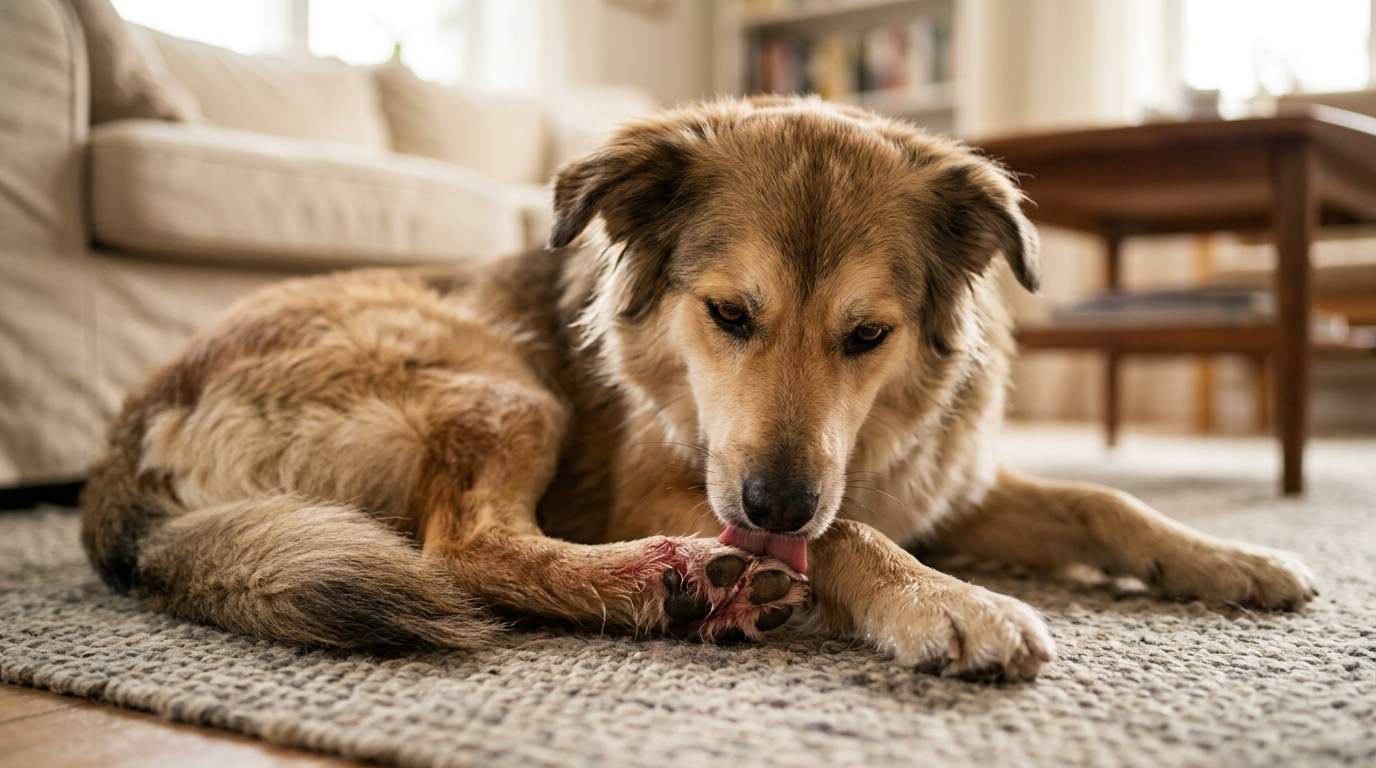
One of the most common, yet often overlooked, culprits behind persistent paw licking is allergies. Just like humans, dogs can suffer from environmental allergies (pollen, dust mites, grasses) or food sensitivities. When their immune system overreacts, it often manifests as an intense itch, particularly in the paws, ears, and belly. Your dog isn't just "itchy"; they're experiencing a pervasive, irritating sensation that they are trying desperately to soothe, and licking becomes their only available balm. Recognizing this as an allergic response rather than just a bad habit is the first step towards effective management and relief.
Sometimes, the root of persistent paw licking isn't physical at all, but emotional. For many dogs, chronic paw licking can be a manifestation of stress, boredom, or anxiety. It’s a self-soothing mechanism, much like a human biting their nails or twirling their hair when feeling overwhelmed.
Imagine your dog feeling alone, under-stimulated, or anxious about a change in routine. Licking their paws releases endorphins, creating a temporary sense of calm. What starts as an innocent way to cope can quickly become a compulsive behavior, even when the initial stressor is gone. It’s their unique way of saying, "I'm not okay, and I need a little help finding my peace."
Even after a primary physical or emotional cause has been identified and addressed, the act of paw licking can sometimes persist as a learned behavior. The brain pathways associated with the comfort of licking become ingrained, turning it into a habit that’s hard to break. This is why a multi-faceted approach, often involving both medical treatment and behavioral modification, is essential for truly healing your dog. Providing appropriate mental and physical enrichment, such as puzzle toys, regular walks, and training sessions, can redirect their focus and energy away from their paws.
Understanding that persistent paw licking is a signal, not just a quirk, is the most crucial step. If you've noticed your dog's paw licking has become frequent, intense, caused visible irritation, or changed recently, it's time to involve the experts. Your veterinarian can rule out medical conditions, infections, and allergies. If physical causes are clear, or if anxiety is suspected, a certified dog behavior consultant like myself can help uncover emotional triggers and develop a tailored plan to support your dog. You are not failing your dog by seeking help; you are showing them the deepest form of love and care.
Observing your dog's behavior with fresh eyes is an act of love. Pay attention to when they lick their paws – after walks, before bed, when left alone, after eating certain foods. This detective work provides valuable clues. Offering gentle paw soaks with pet-safe solutions, keeping their paws clean, and ensuring they have sufficient mental and physical enrichment are wonderful first steps. Remember, your dog isn't doing this to annoy you; they're reaching out for help. By understanding their silent plea, you can confidently guide them back to comfort and well-being, strengthening the beautiful bond you share.