Muddy Paws Ignore Yelps, Puppy Bounds at Guests: Outgrow or Worsen?
- Quick Tags: puppy jumping, stop puppy jumping, puppy greets guests, puppy behavior
- Editor: Editorial Team
- Updated: Jul,07,2026
- Views: 261.4k

The doorbell echoes through the house. In an instant, your 4-month-old puppy's tail whips like a propeller, muddy paws scrabbling across the floor as he hurtles toward your guest's legs, leaving streaks and scratches. You freeze, heart sinking—his pure joy clashes with the awkward chaos.
E.g. :You give glucosamine every day. Your old dog still limps. Here is the missing piece.
I've seen this scene unfold in homes from Tokyo apartments to rural English cottages. As Chloe Jones, a certified pet behavior consultant, I help owners like you turn these moments into calm connections. Let's gently unpack puppy jumping and why "wait it out" misses the mark.
Puppies jump because it's wired in—greeting with front paws mimics litter play, signaling "play with me!" For your energetic 4-month-old, every visitor is a burst of social thrill.
But here's a counterintuitive truth: yelling often fuels the fire. Sharp voices mimic excited yaps, ramping up his adrenaline. He thinks, "Yes! Party time with Mom!" instead of "Uh-oh, wrong."
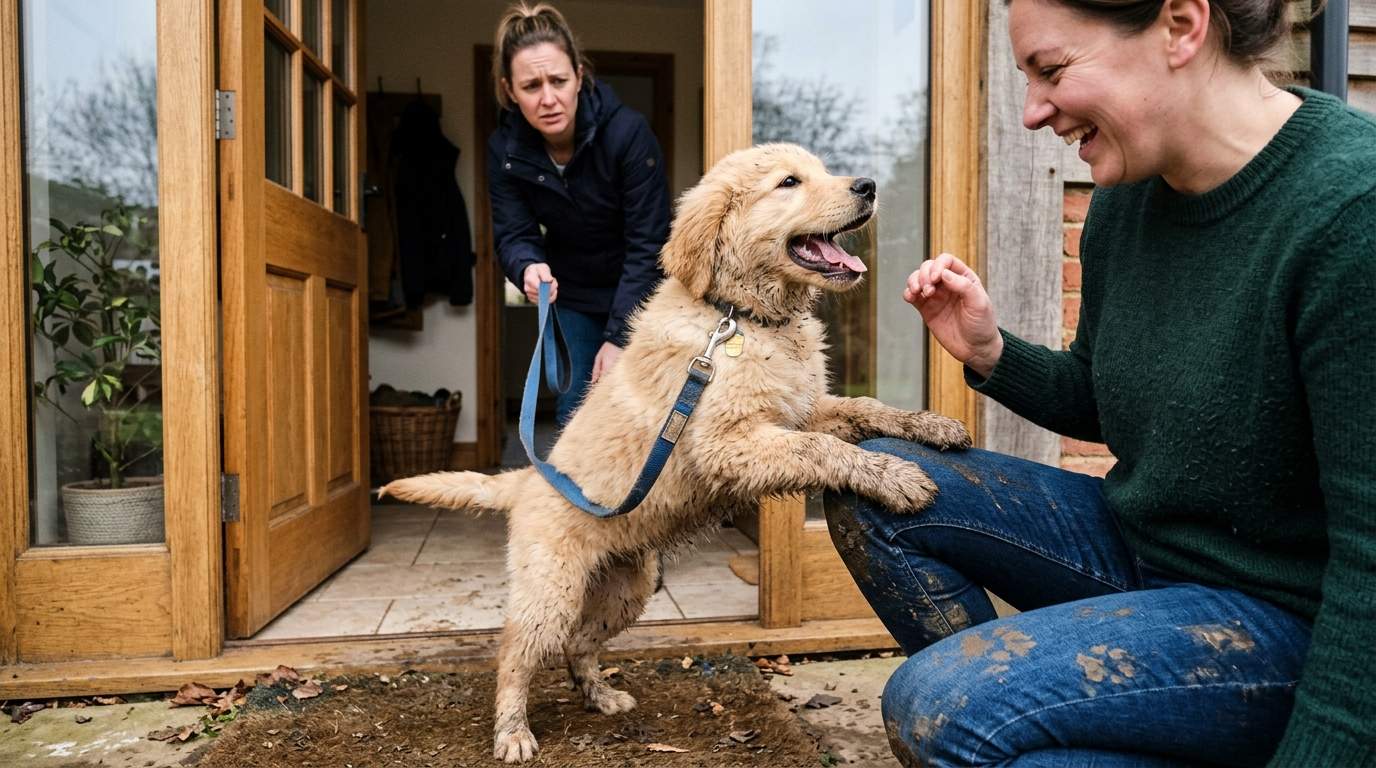
Tail high and stiff? Ears perked forward? These show over-arousal, not just joy. Spot them early to intervene softly.
Everyone whispers puppies outgrow hyper greetings. Yet your sister's 3-year-old dog bowls over guests, proving it's no phase—untrained habits harden like clay.
Science backs this: without guidance, jumping self-rewards with attention. Studies from animal behavior journals show 70% of adult dogs who jumped as pups repeat it if reinforced indirectly.
Meet Max, my client's bouncy Lab pup. He thought guests were jungle gyms. We reframed his world—no more chaos.
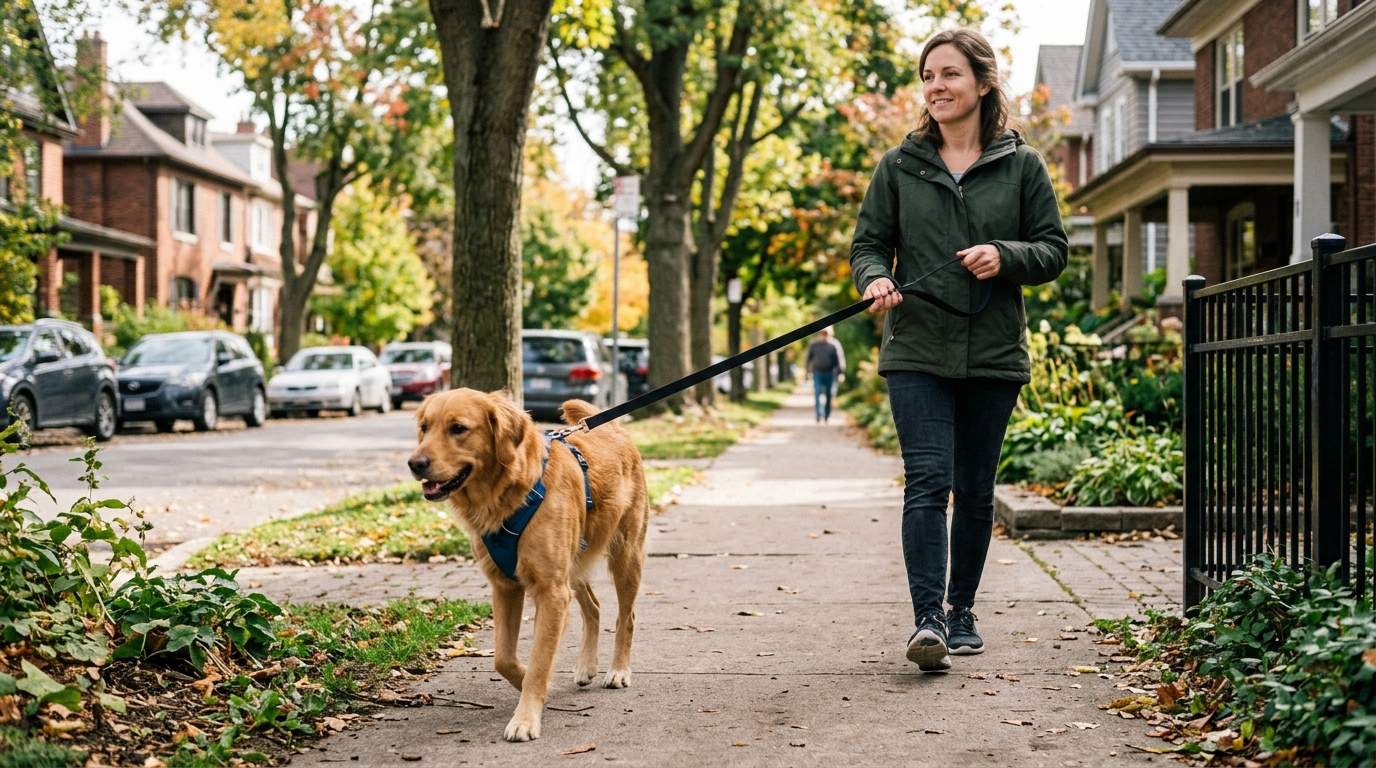
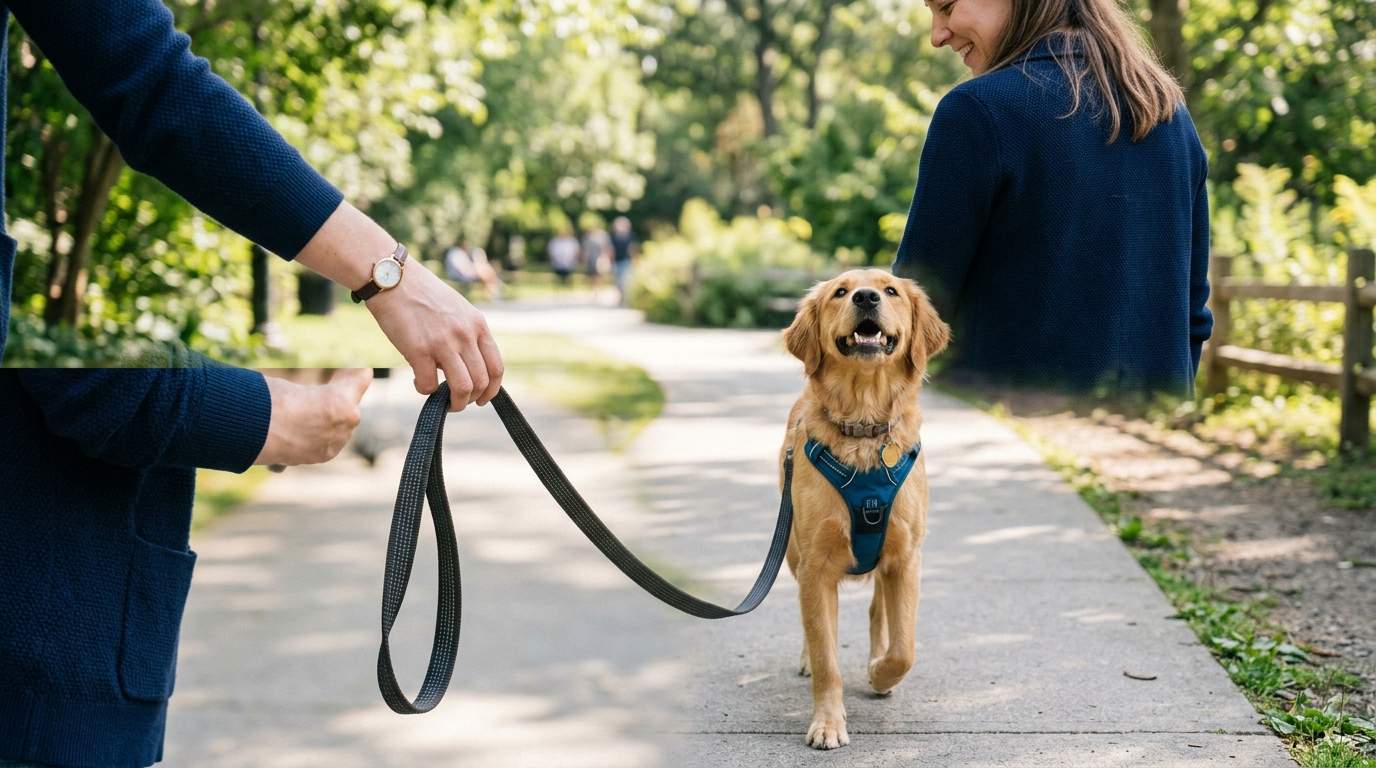
Start in quiet moments. Teach "sit" for treats before doors open. Leash him loosely; when guests arrive, hold him back, rewarding four-on-the-floor calm.
Counterintuitive tip: Ignore jumps completely. Turn away, arms crossed—no eye contact, no words. He wonders, "Where'd the fun go?" Then praise the sit lavishly.
Practice daily: 5-minute sessions. Door knock, sit, treat. Guests enter only after he settles. Progress to real visits.
You feel awful snapping—it's natural. Anxious owners pour love into scolds, but puppies sense your tension, amplifying theirs.
Breathe deep. You're his guide, not enforcer. Swap yells for a cheerful "off!" paired with redirection. Watch guilt fade as he thrives.
Recall Luna, a shy Border Collie mix. Her owner whispered affirmations during training; now, guests pet a serene sitter.
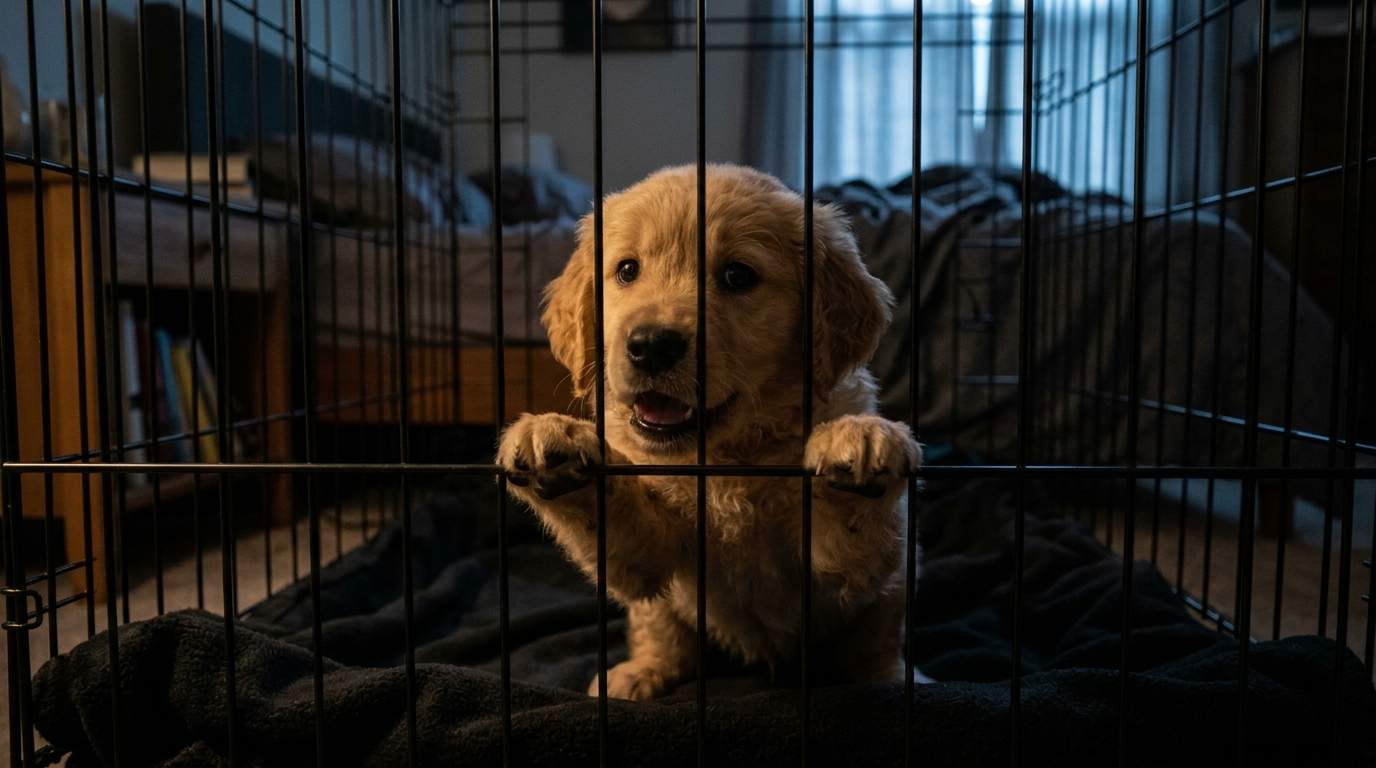
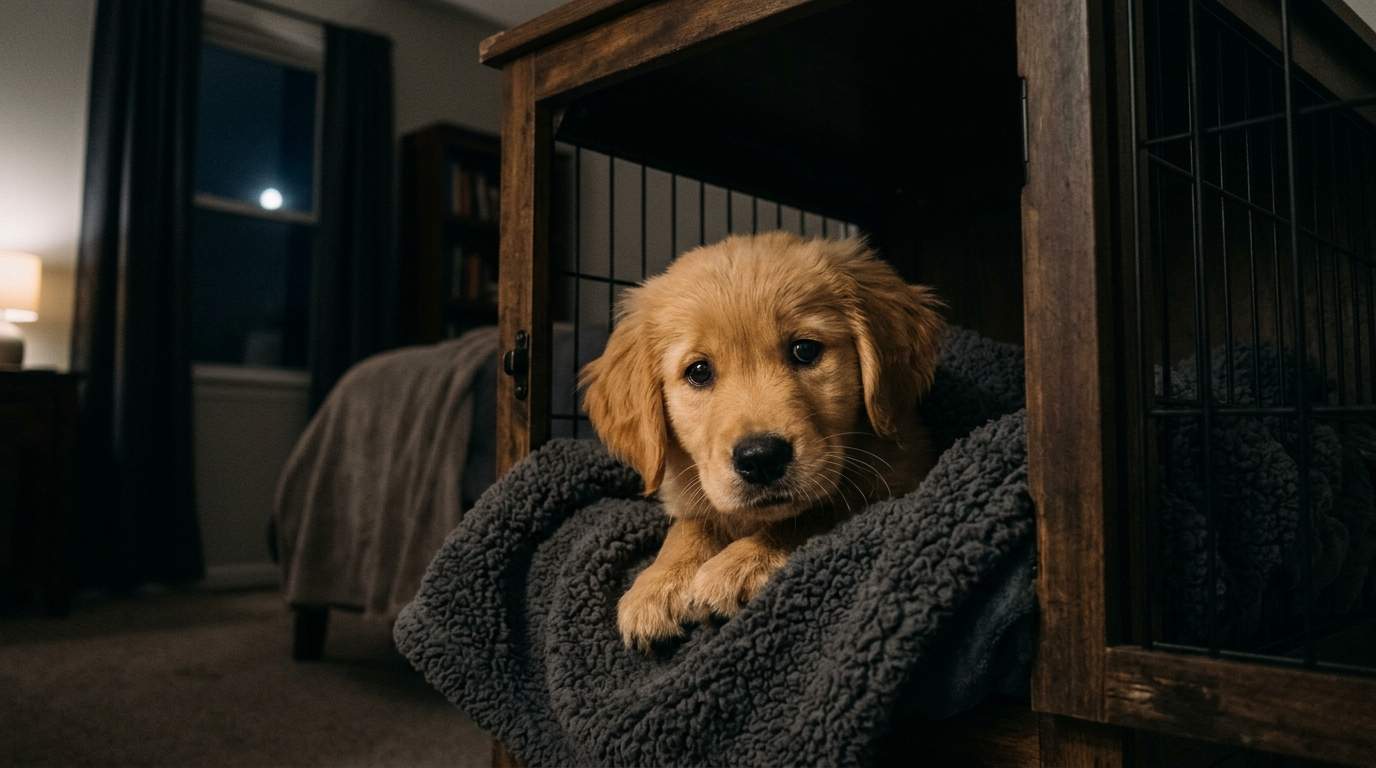
Consistency across family prevents backslides. Crate train for door drills; use baby gates for buffer zones.
For other pups like retrievers or herding breeds, tailor energy outlets—sniff walks calm over-excitement. Cats? Similar perch training curbs leap-ambushes.
Long-term, your home becomes a haven. Visits flow smoothly; your puppy greets with wagging sits. You've built his best self—and yours.