Unblinking Gaze on Camera: Is it Loneliness or Misunderstood Calm?
- Quick Tags: pet camera anxiety, dog separation anxiety, pet behavior interpretation, lonely dog signs
- Editor: Editorial Team
- Updated: Sep,08,2026
- Views: 454.5k

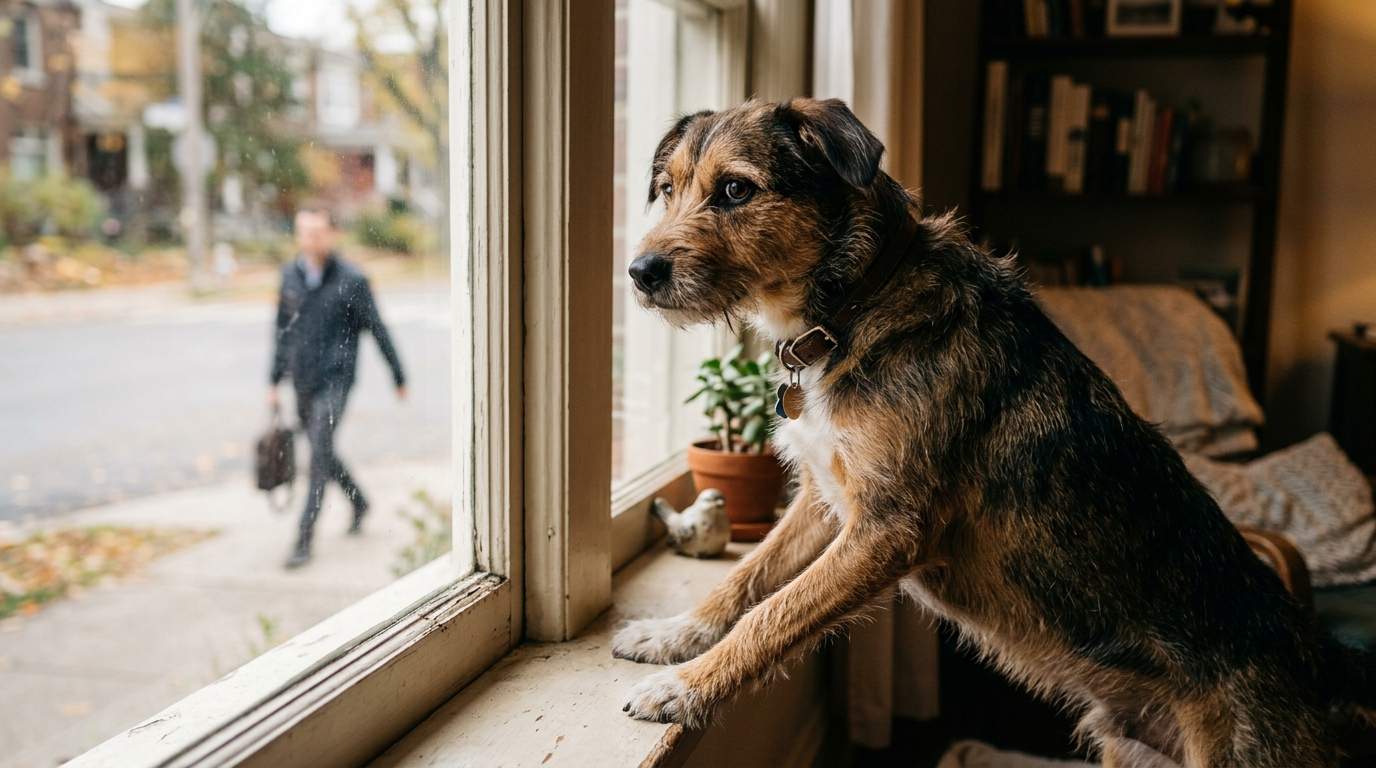
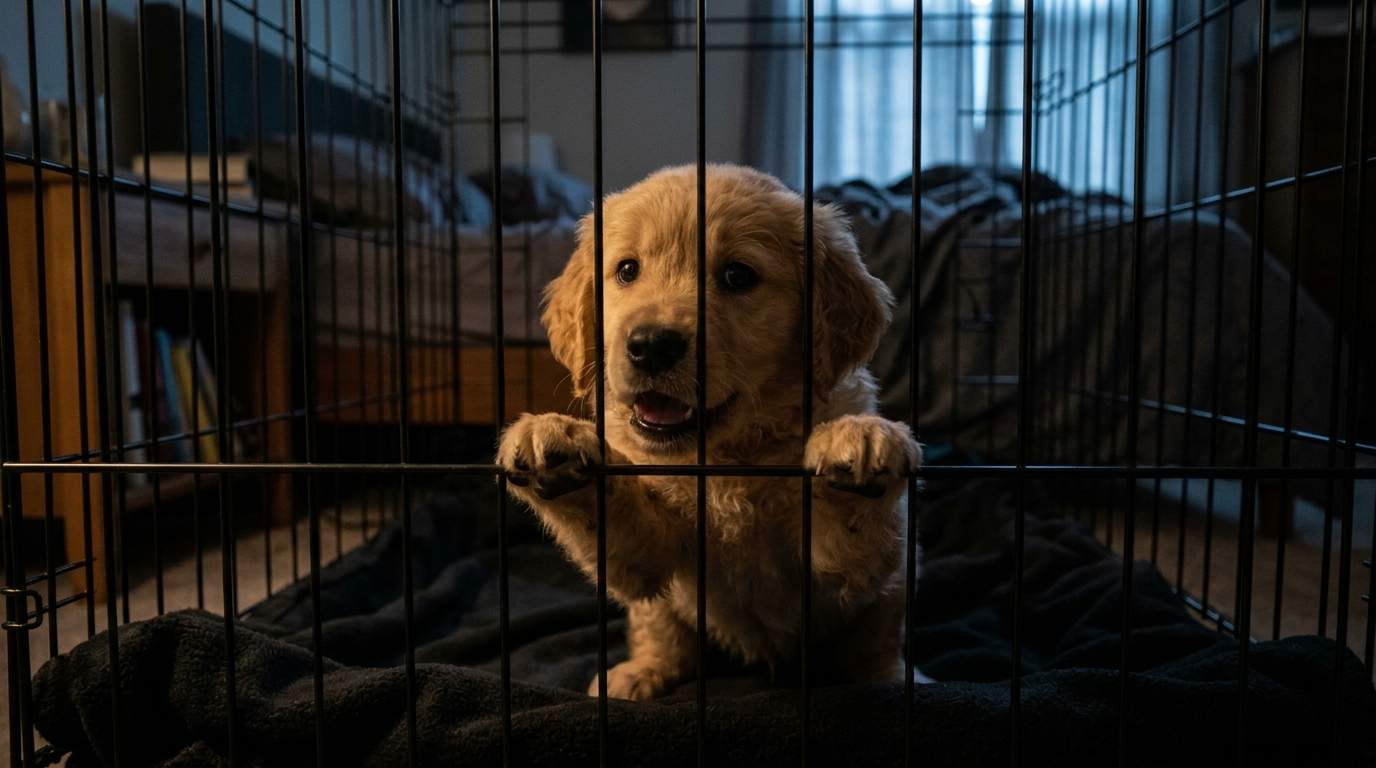
That sinking feeling in your stomach, the one that grips you when you hit play on your pet camera footage. You see your beloved companion, perhaps a loyal Retriever named Leo, lying perfectly still, eyes fixed on the door, barely a twitch for what feels like hours. You bought that camera hoping for peace of mind, a comforting window into their day, but now it's churning a knot of guilt and anxiety within you. Is Leo truly miserable, counting every second until your return, or are we, with our deeply human fears, simply misinterpreting his quiet moments?
E.g. :The shelter adoption fee is . Your first year will be ,500.
It's natural to anthropomorphize our pets; we love them like family, and it’s a beautiful testament to our bond. When we see prolonged stillness on a screen, our human brains often jump to conclusions of sadness, boredom, or even distress. We might imagine Leo feeling abandoned, just as we would if left alone in an empty house. However, a pet’s internal world, while rich with emotion, doesn't always mirror our own. Their perception of time, their resting behaviors, and their needs for stimulation can be profoundly different.
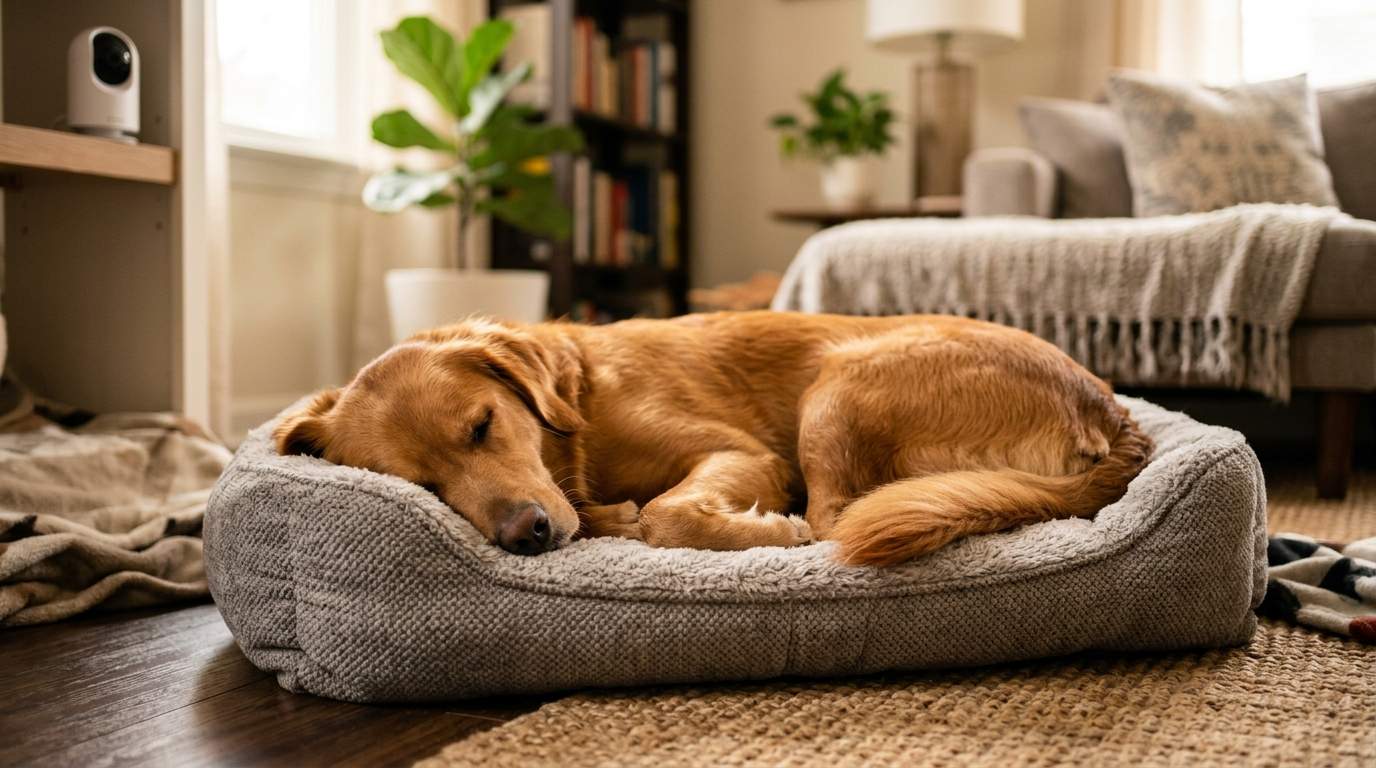
Think about it: how much of your own day is spent in active, engaging tasks? Most of us have periods of rest, quiet reflection, or simply "doing nothing." For many dogs, especially adult dogs, a significant portion of their day is spent sleeping or resting calmly. A dog that is lying still, perhaps even staring into space, might not be pining away; they could simply be in a state of deep relaxation, conserving energy, or observing their environment. This is particularly true for breeds known for their calm demeanor or senior pets who naturally require more rest. Cats, too, are masters of stillness, often appearing utterly motionless for extended periods as part of their natural predatory cycle and energy conservation.
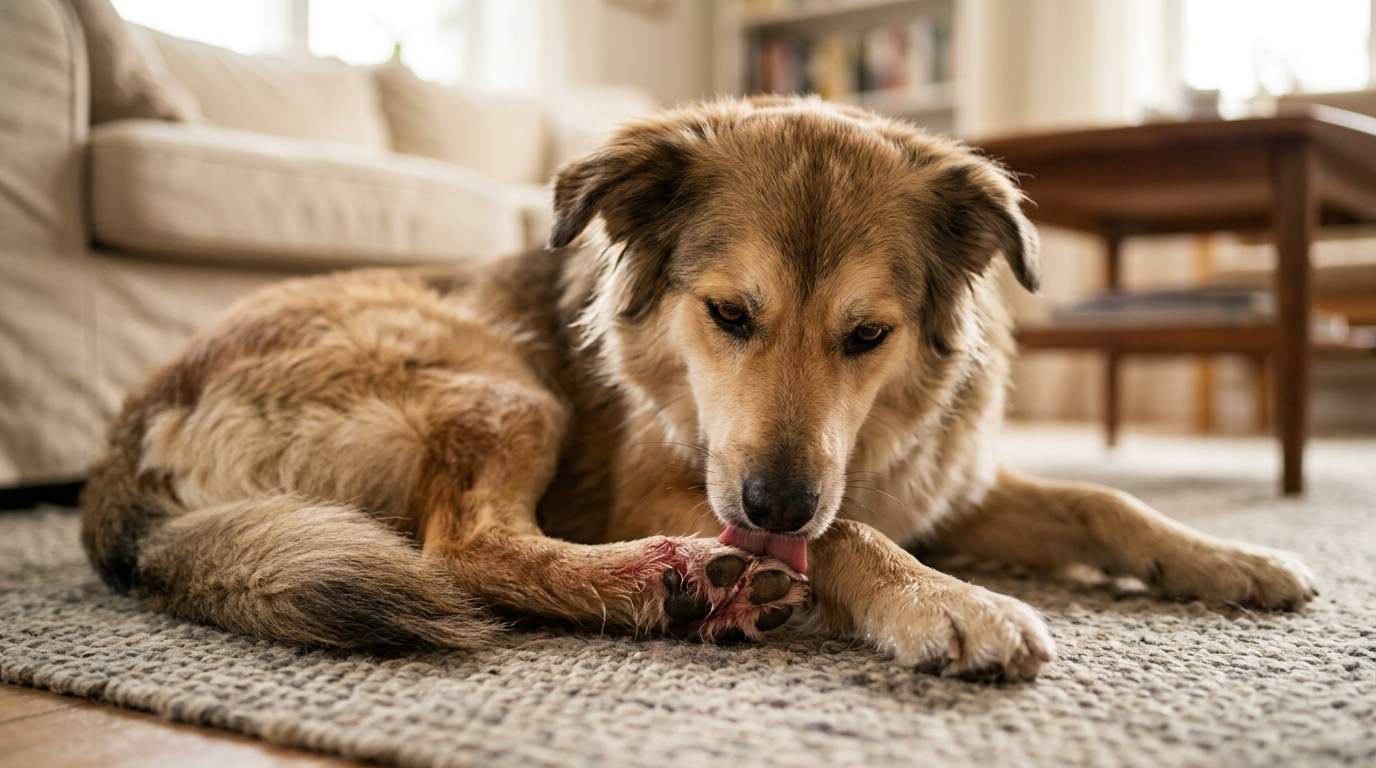
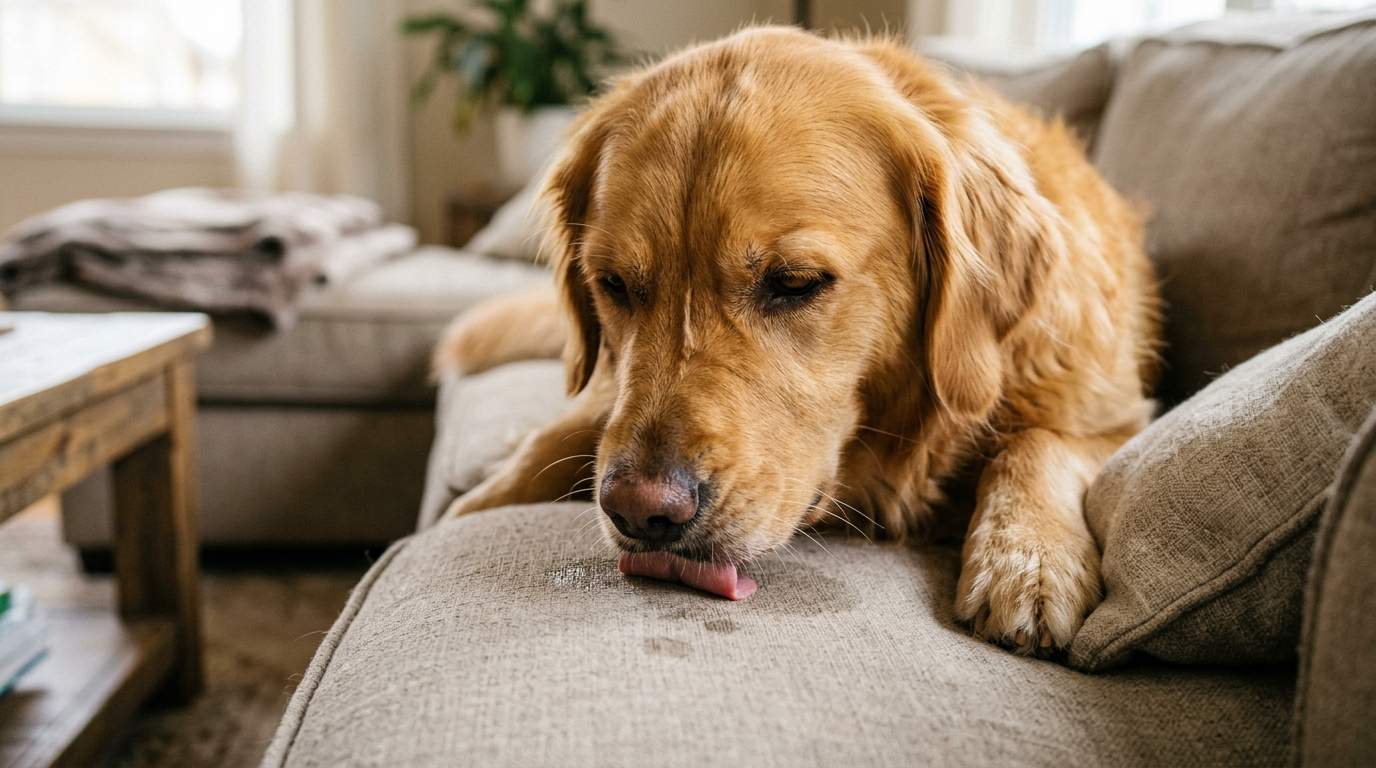
While stillness itself isn't automatically a red flag, it's crucial to look for accompanying behaviors. A truly distressed or anxious dog might exhibit more overt signs. Are their ears flattened, tail tucked, body tense, or are they pacing, excessively licking, whining, or barking? Do you see destructive behaviors or inappropriate urination/defecation after you've left? These are clearer indicators that your pet is struggling with separation anxiety or environmental stress. Leo's "unblinking stare" could be simple observation or light dozing, but if paired with heavy panting, drooling, or frantic attempts to reach the door, then it warrants a closer look.
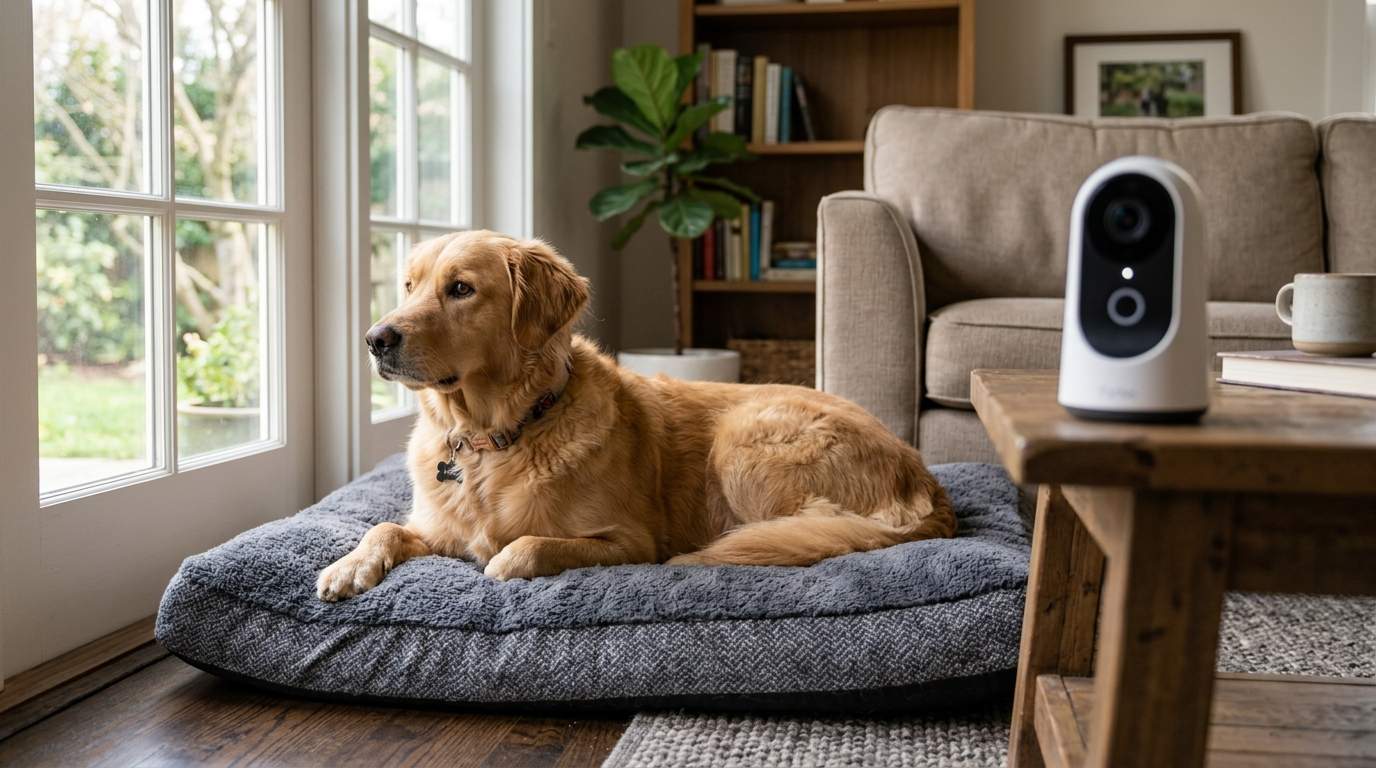
It's easy for us to project our own feelings of loneliness onto our pets. But for many animals, quiet solitude can be part of their natural rhythm. A dog who has had appropriate exercise, mental stimulation, and a full belly before you leave is often quite content to settle down for a nap. What appears as a "sad stare" to us might just be a dog resting with open eyes, or observing a shadow, or even listening to distant sounds that we can't perceive. Consider your pet’s overall behavior when you are home. Are they generally happy, playful, and engaged? If so, their quiet moments alone are likely just that – quiet moments.
As a behavior consultant, I often find that the camera highlights our anxieties more than it truly reveals our pet's distress. We feel guilt for leaving them, and the static image on the screen becomes a canvas for our self-blame. Remember, you are a loving, responsible pet owner. Providing a safe, warm home, regular food, exercise, and affection are foundational. Your pet's well-being isn't solely dependent on non-stop activity. Giving them space to rest and be calm is also a gift.
Many pet cameras offer two-way audio, tempting us to "check in" with our pets. While the intention is loving, it can sometimes cause more confusion than comfort. Your dog might hear your voice but be unable to locate you, leading to frustration or heightened anxiety about your absence. For some pets, a sudden disembodied voice might even be startling. Imagine hearing a voice you know, but seeing no one – it can be unsettling. Rather than interacting through the camera, focus on creating a comforting and predictable environment for them before you leave.
Instead of obsessing over camera footage, empower yourself with strategies that genuinely support your pet's well-being and ease your mind.
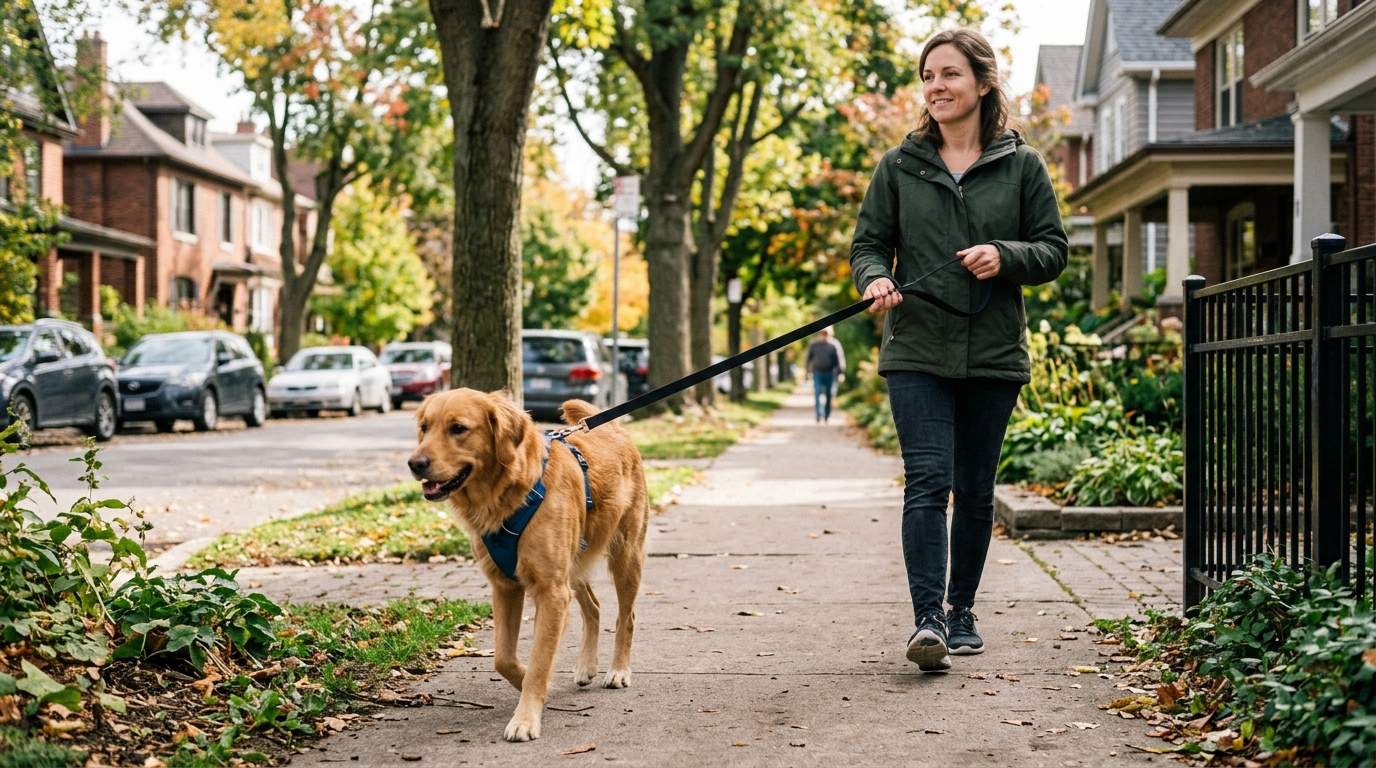
Ensure your pet gets adequate physical exercise and mental stimulation before you depart. A tired dog is often a happy, resting dog. Provide engaging, safe enrichment toys that can keep them occupied for a while, like puzzle feeders or durable chew toys stuffed with treats. Create a consistent, calm departure routine that doesn't make a big fuss. A comfortable bed, soft classical music, or a calming pheromone diffuser can all contribute to a serene environment. Remember, you’re not just leaving a pet; you’re building a resilient, confident companion who feels secure even in your absence.
Ultimately, your pet camera can be a valuable tool for understanding your pet’s behavior, but it’s essential to interpret what you see through an educated, compassionate lens, rather than one clouded by our own anxieties. You're doing a wonderful job, and understanding the nuances of pet behavior will only deepen the incredible bond you share.
**