The Old Dog's Unstirring Sleep: Is It Normal, Or a Silent Call?
- Quick Tags: senior dog sleep, old dog lethargy, canine pain signs, dog cognitive health
- Editor: Editorial Team
- Updated: Aug,18,2026
- Views: 457.1k

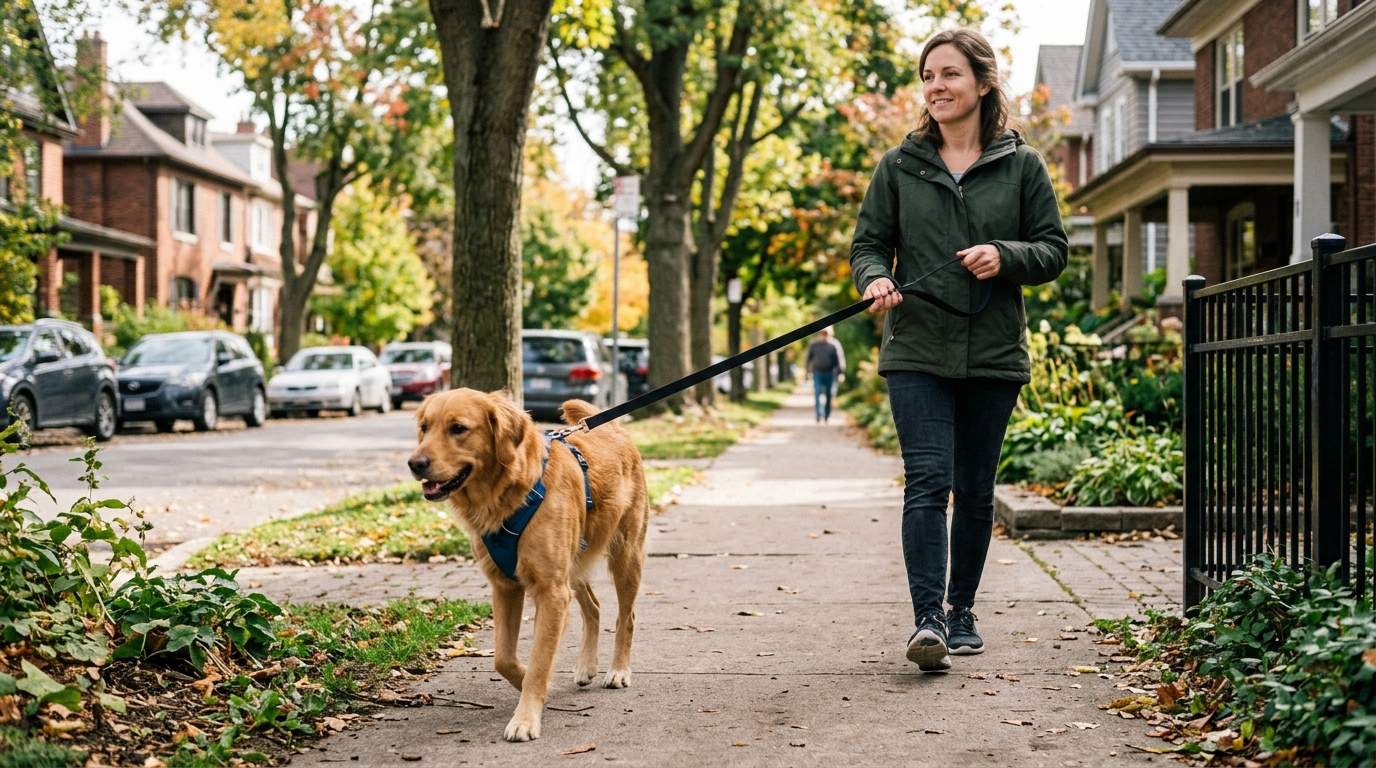
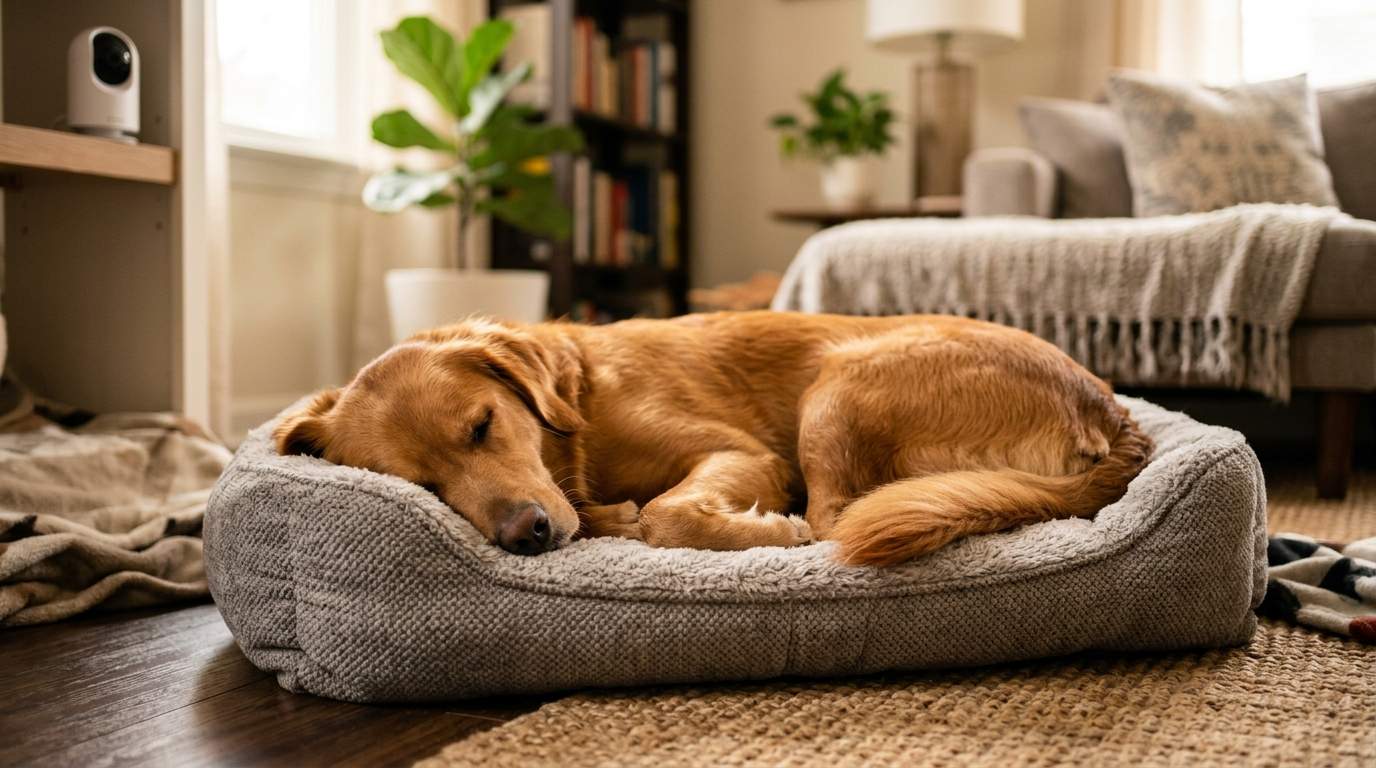
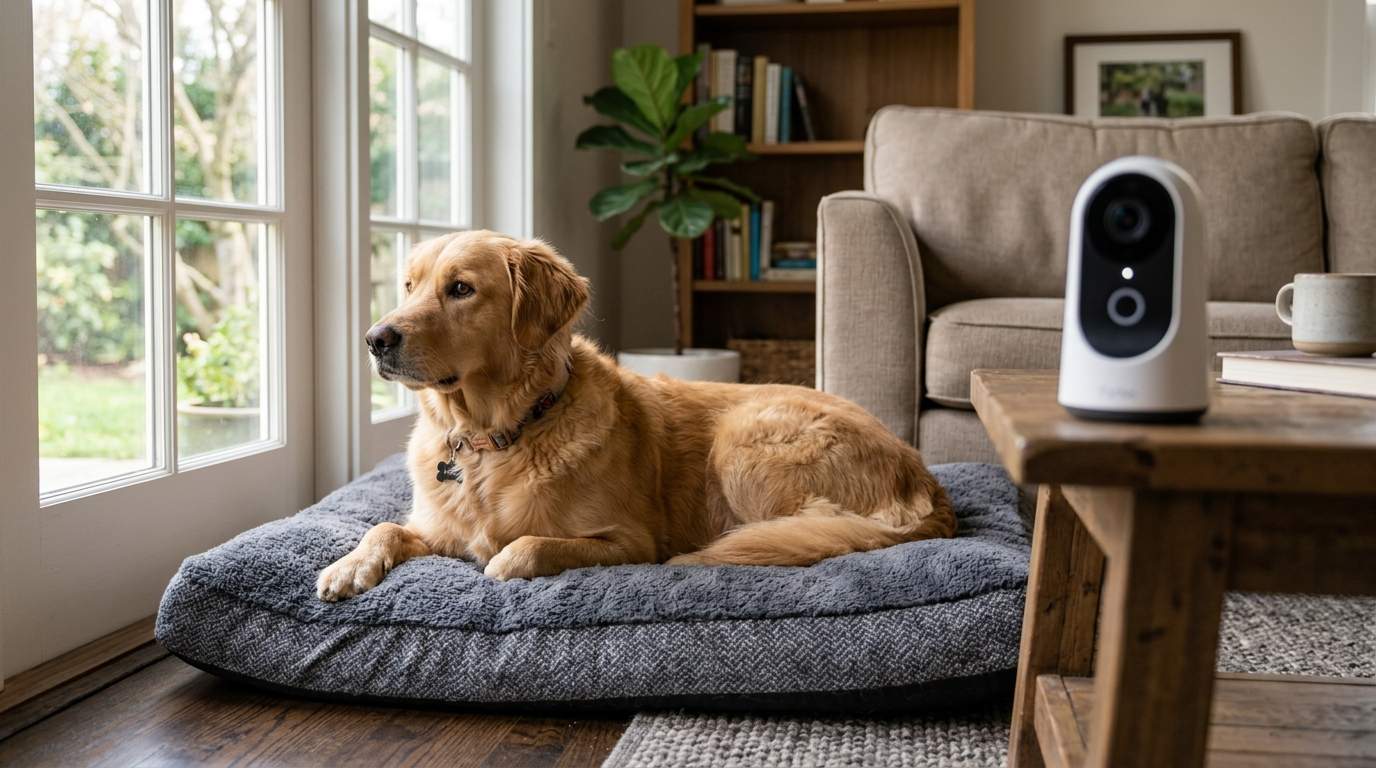
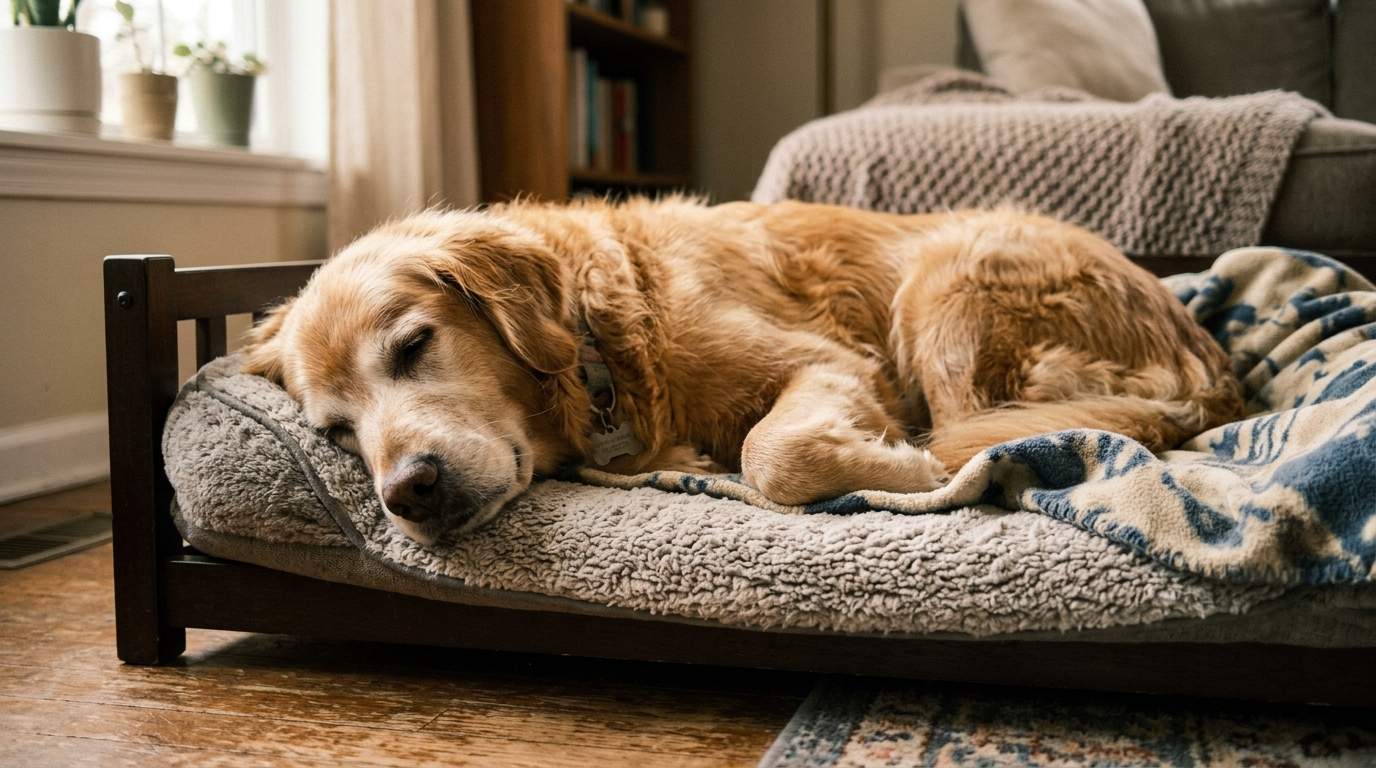
You walk into the living room and find him, curled deep in his bed, just as he was an hour ago. His eyes are closed, his breathing slow and rhythmic. You call his name, perhaps a little louder than usual, and he barely stirs, maybe just a flicker of an ear, a gentle sigh. Getting him up for his evening potter around the garden feels less like an invitation and more like a gentle negotiation with a deeply slumbering sage. "He's just an old man," you tell yourself, a familiar mantra. "He needs his rest." Yet, a quiet whisper of worry persists: Is this truly just the sweet embrace of senior age, or is something else hiding beneath the calm facade of his deep sleep?
E.g. :Your Dog Destroys the Couch When You Leave – It’s Not Revenge, It’s Panic
For many of us who share our lives with older pets, the sight of a senior dog perpetually snoozing becomes a familiar, almost comforting, tableau. It’s easy to believe that excessive sleep is a normal, even expected, part of aging. After all, don’t we all slow down with time? But as an internationally certified behavior consultant who has seen the subtle language of countless pets, I can tell you that a significant shift in your old dog’s sleep patterns — particularly a sudden or pronounced increase in duration or depth, or difficulty waking up — can be a profound, yet often overlooked, signal. This isn't about blaming you for a natural assumption, but empowering you to look closer, listen to those quiet whispers, and become your cherished companion’s most astute advocate.
It’s true that senior dogs, much like older humans, do tend to rest more. Their bodies are working harder, their energy reserves aren’t what they once were, and they simply need more downtime to recover. A gentle increase in napping throughout the day, or slightly longer periods of sleep at night, can indeed be perfectly normal. However, the critical distinction lies in excessive sleep, lethargy, or a noticeable difficulty in rousing them from their slumber. When your usually active old dog starts sleeping through mealtimes, missing opportunities for favorite activities, or appearing disoriented upon waking, it's time to consider if something deeper is at play.
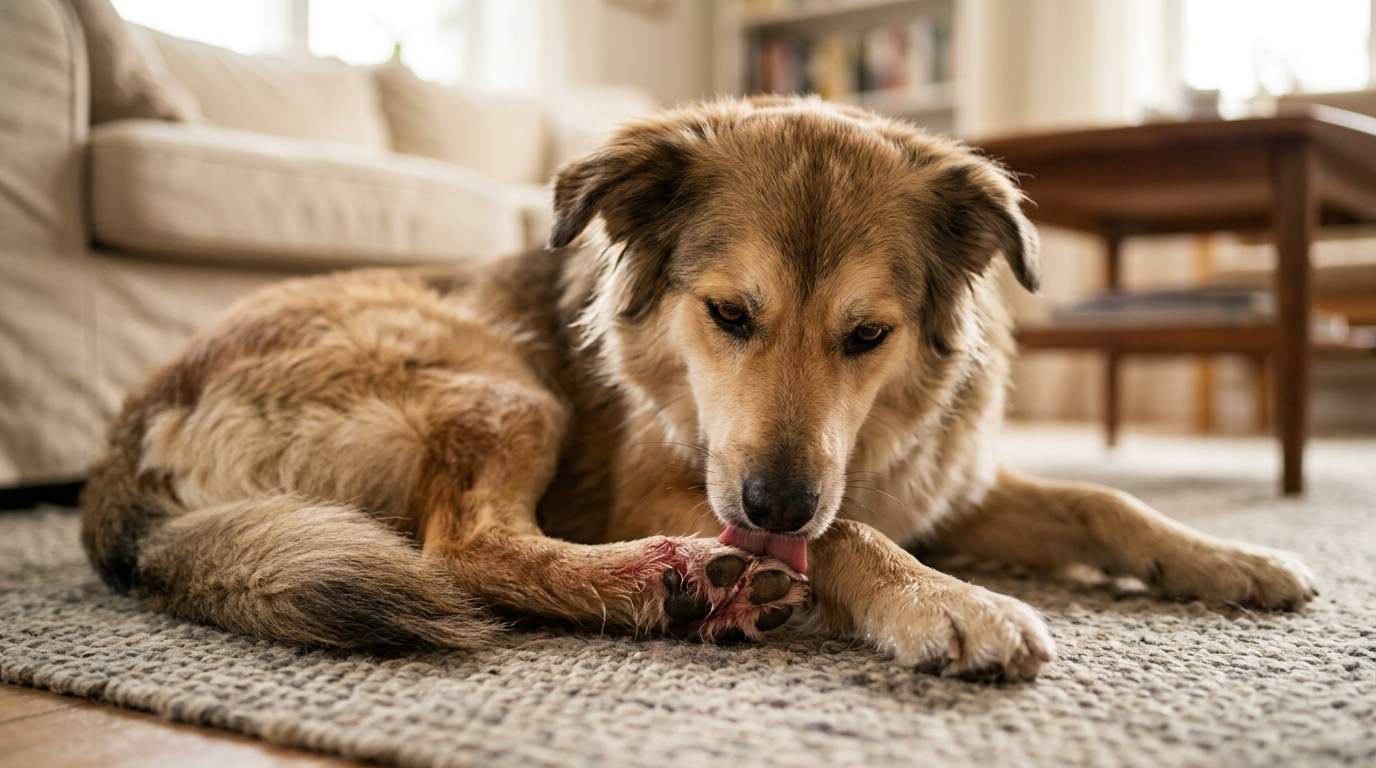
Imagine trying to get comfortable when every movement sends a dull throb through your body. For many senior dogs, this is their daily reality. Arthritis and other joint pain are incredibly common in older canines, and the pain can make them reluctant to move. It’s not laziness that keeps them in their bed; it's the anticipation of discomfort. A dog might sleep more to avoid the pain of moving, or simply because their body is constantly working to manage chronic discomfort, which is incredibly draining. They may twitch an ear when you call, but the effort to stand, to greet you with their usual enthusiasm, feels like scaling a mountain.
Beneath the surface of a sleeping dog, a complex symphony of organs is constantly at work. As dogs age, these systems can become less efficient. Conditions like hypothyroidism (an underactive thyroid), kidney disease, or even early-stage heart conditions can manifest as profound lethargy and increased sleep. Their bodies are struggling to perform basic functions, leading to a pervasive sense of fatigue that no amount of 'normal' rest can truly alleviate. These conditions often have other subtle signs too, like changes in appetite, thirst, or coat quality, but a dramatic increase in sleep is often one of the first indicators.
Another important, and often heartbreaking, possibility is Canine Cognitive Dysfunction (CCD), sometimes referred to as "doggy dementia." A dog experiencing CCD might sleep more deeply and for longer periods, but also exhibit changes in their sleep-wake cycles, leading to restlessness at night. They might appear confused or disoriented upon waking, struggle to navigate familiar spaces, or have altered social interactions. This isn't just about being "a bit slow"; it's a neurological condition that deserves compassionate understanding and veterinary support. Recognizing these subtle shifts early can help you manage their comfort and quality of life significantly.
If you're noticing these changes in your beloved senior dog, please know that your concern is valid and important. The first, most crucial step is to schedule a comprehensive veterinary check-up. Be sure to describe all your observations, no matter how small they seem. Your veterinarian can perform diagnostic tests to rule out or identify underlying medical conditions.
Beyond the vet, there are many ways you can support your old friend:
It’s natural to feel a pang of guilt or fear when you realize your dog's increased sleep might be more than just benign aging. But please, never blame yourself. You are noticing, you are caring, and that is what matters most. By recognizing these subtle changes, by asking questions, and by partnering with your veterinarian, you are giving your senior dog the greatest gift: a voice for their silent needs. Sometimes, the deepest sleep isn't just about rest; it's a quiet communication, and with your loving attention, you can learn to hear what they're trying to tell you.