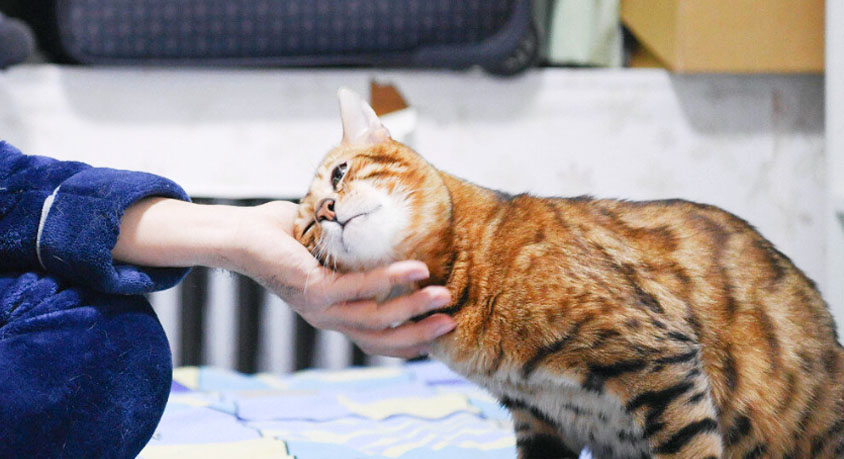
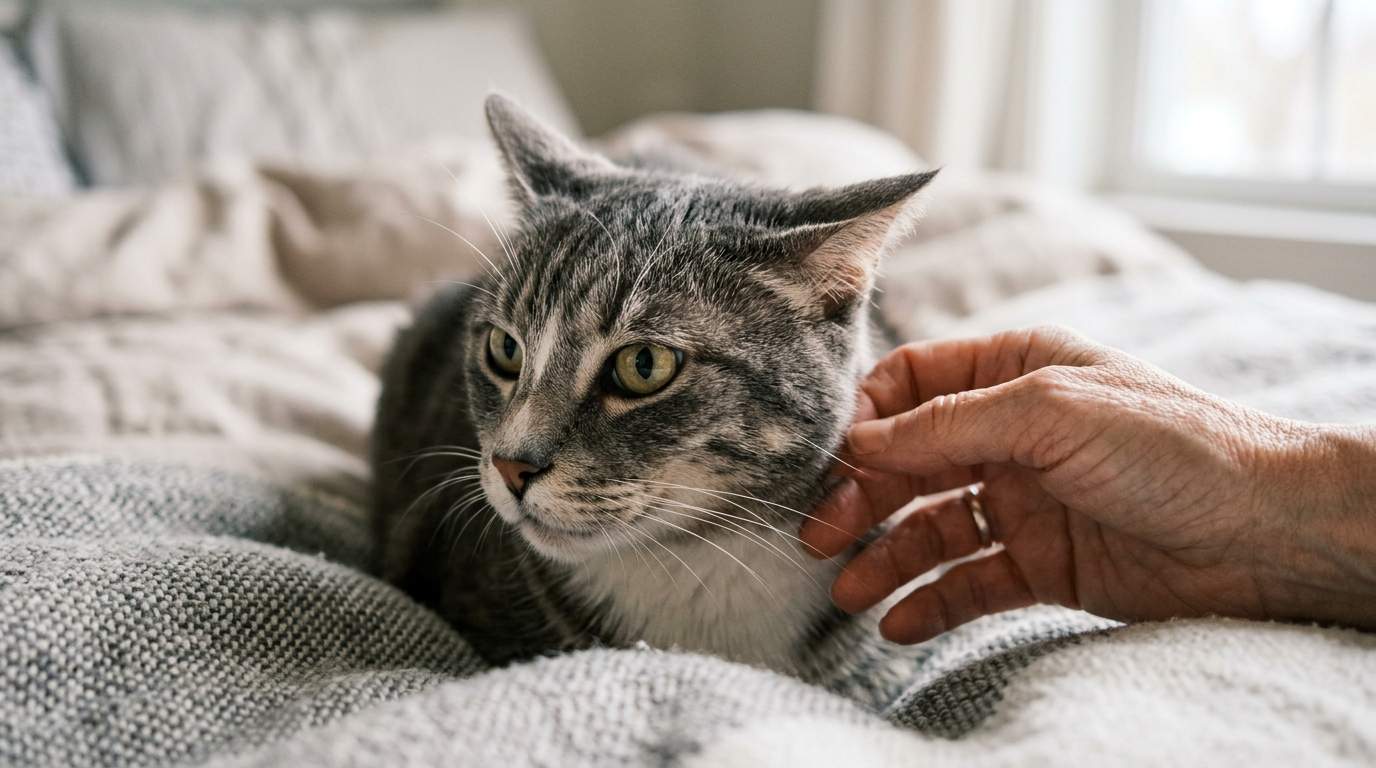
Senior cat's ear flattens subtly against approaching hand—grumpiness or hidden signal?
- Quick Tags: senior cat care, elderly cat behavior, pet pain signs, older cat anxiety
- Editor: Editorial Team
- Updated: Aug,11,2026
- Views: 231k

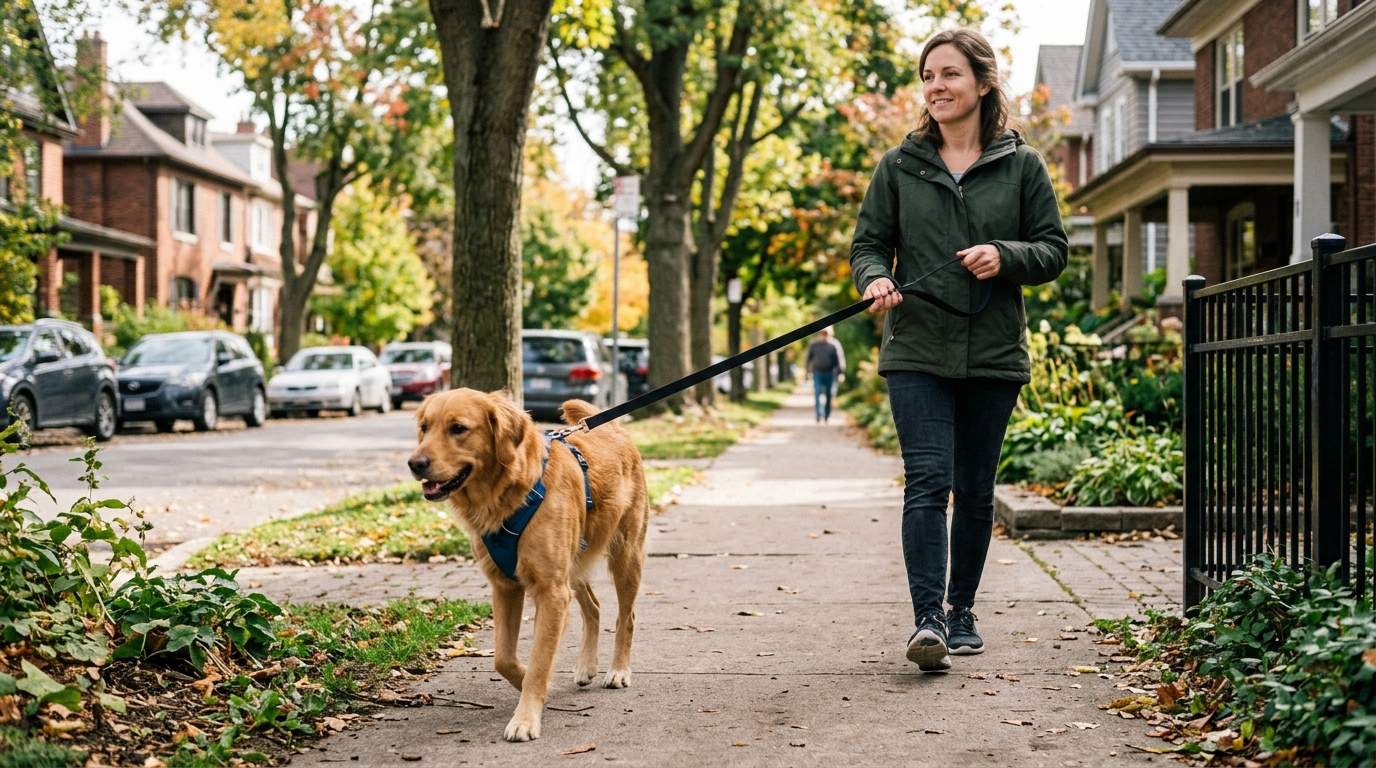
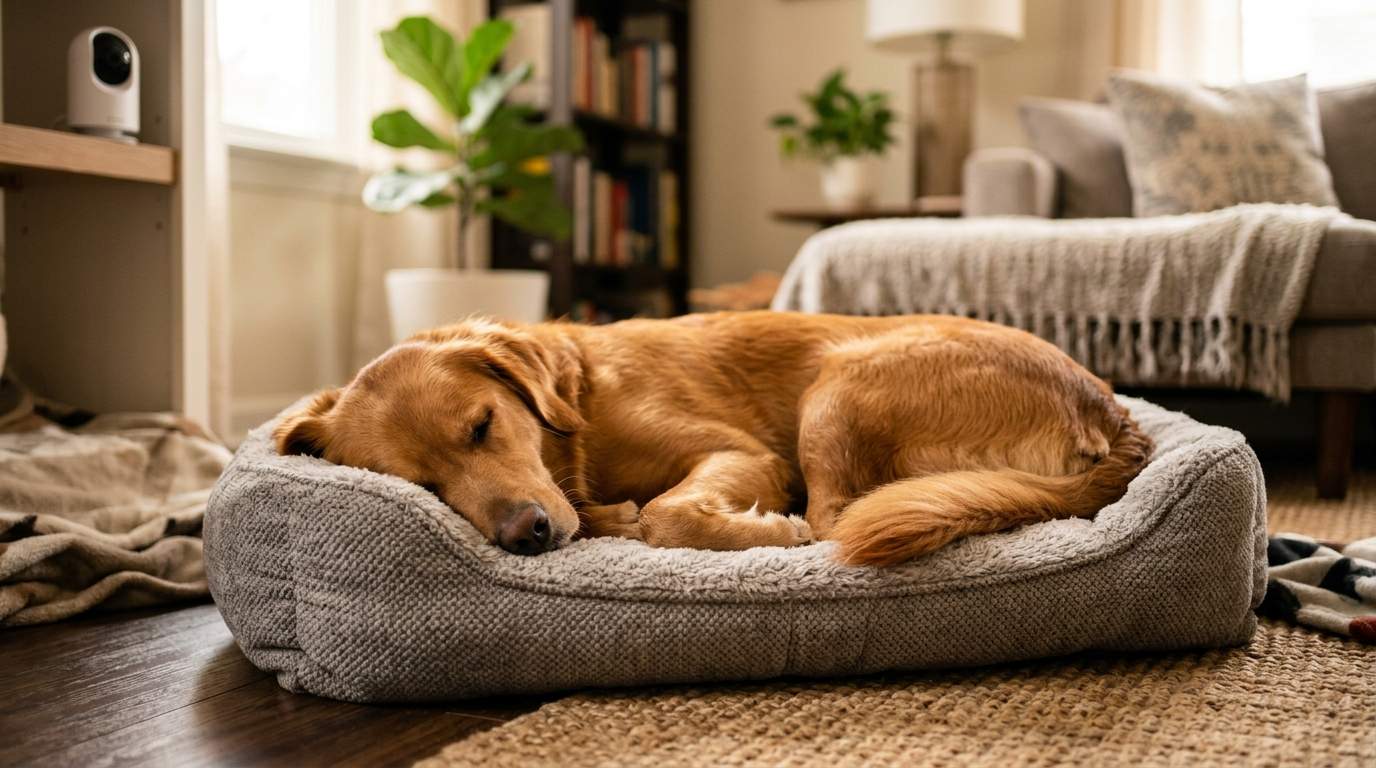
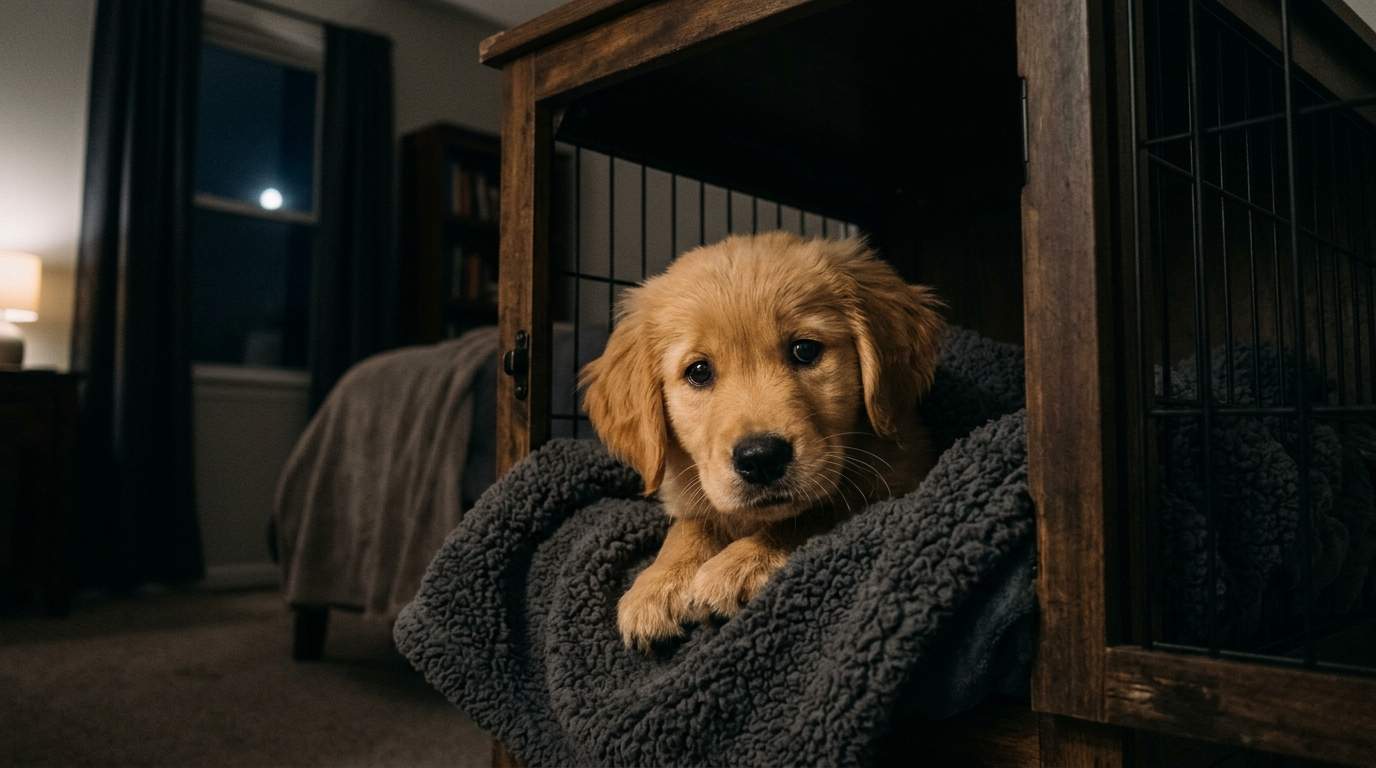
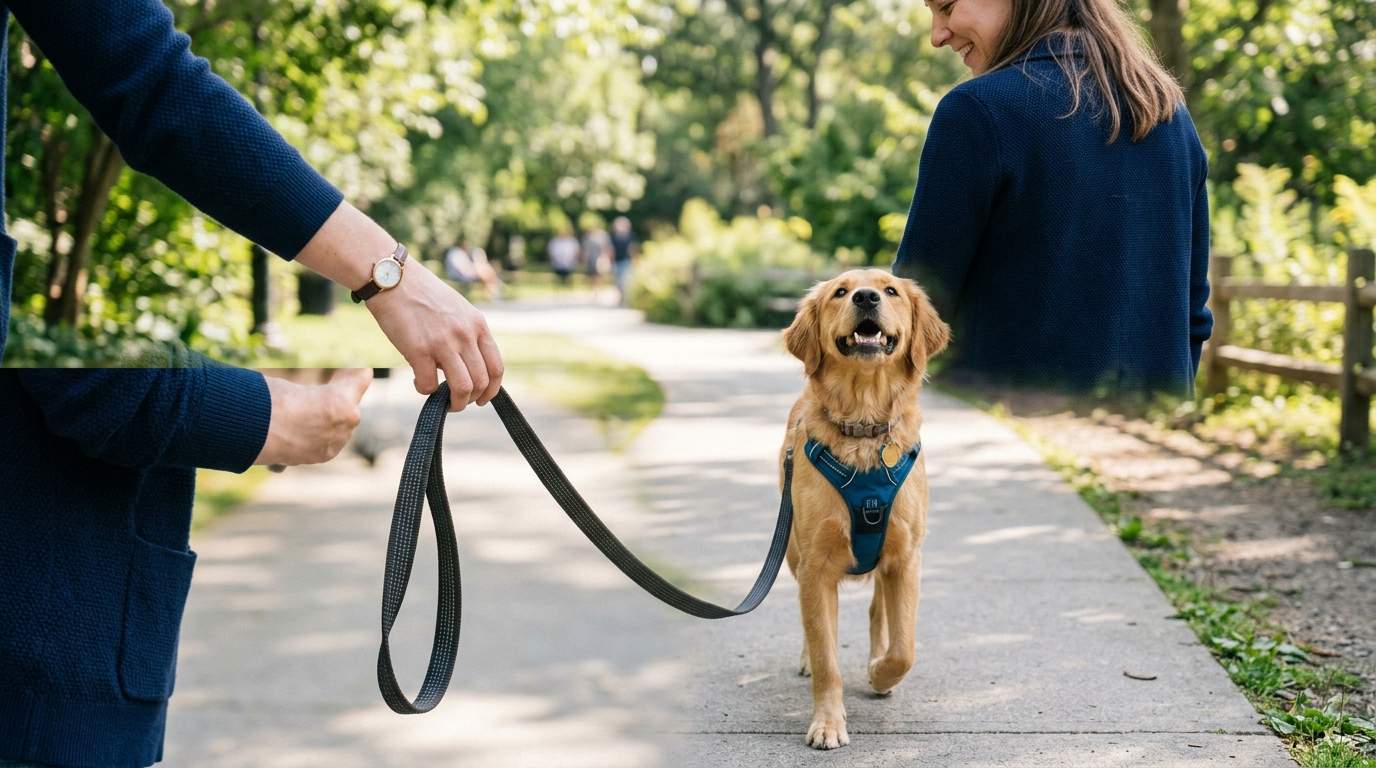
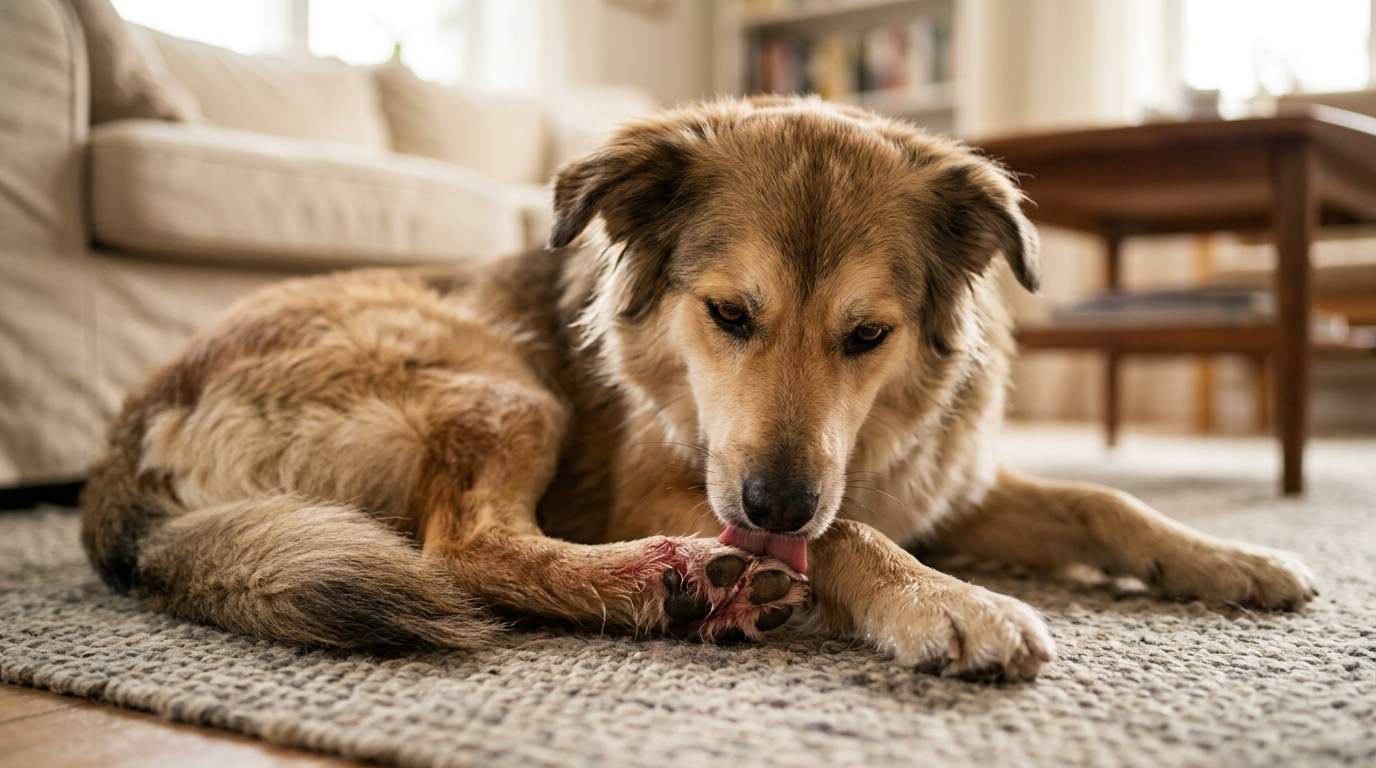
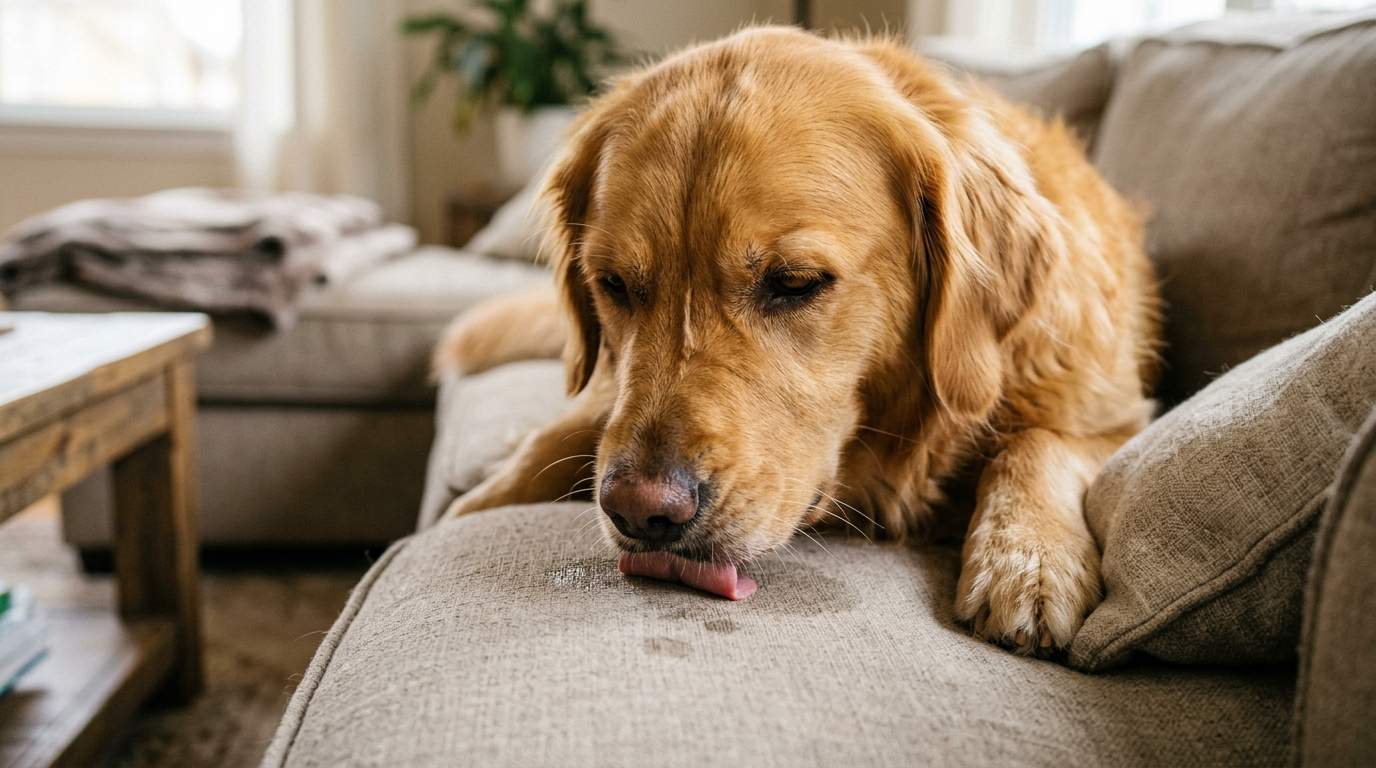
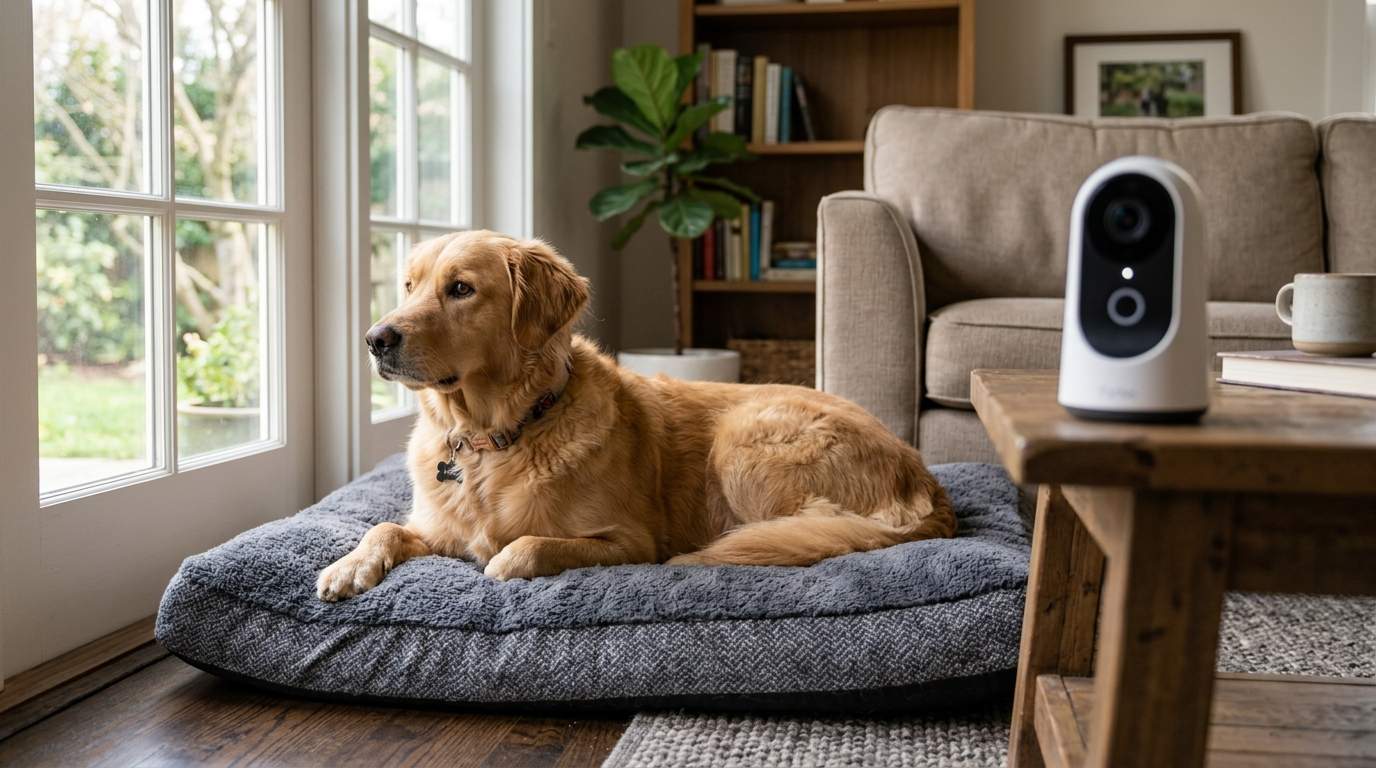
Imagine your beloved senior cat, once a purring machine, now tilting its head ever so slightly away as your fingers near its cheek. That microscopic ear flatten—barely noticeable—halts your stroke. Is this just feline moodiness, or a whisper of something deeper in elderly cat behavior?
E.g. :Why your rabbit thumps its hind legs at night
Many assume older cats grow aloof with age, a natural "catitude" shift. Yet, this challenges that view: subtle withdrawals often mask pet pain signs, not personality quirks. In my years as a certified animal behavior consultant, I've seen countless cases where a senior cat care routine overlooked these cues, delaying vital interventions.
Take Whiskers, a 14-year-old tabby I advised for a client in rural England. He lounged regally but flicked his tail sharply during pets, defying his "lazy old man" image. Owners dismissed it until we uncovered joint stiffness—common in older cat anxiety from undetected discomfort.
Ears flattening or tails twitching low aren't rebellion; they're involuntary signals in senior cat care. Research from the Journal of Feline Medicine and Surgery notes that 90% of cats over 12 show arthritis signs, yet only 10% vocalize pain. Instead, they communicate through micro-movements.
Whiskers froze mid-curl one evening as his owner approached, eyes narrowing. This wasn't disdain; it was a protective flinch, urging us to probe pet pain signs.
Retracting whiskers signal overload, especially in low-mobility seniors.
Low, erratic flicks pinpoint back or hip issues, defying the "happy wag" myth.
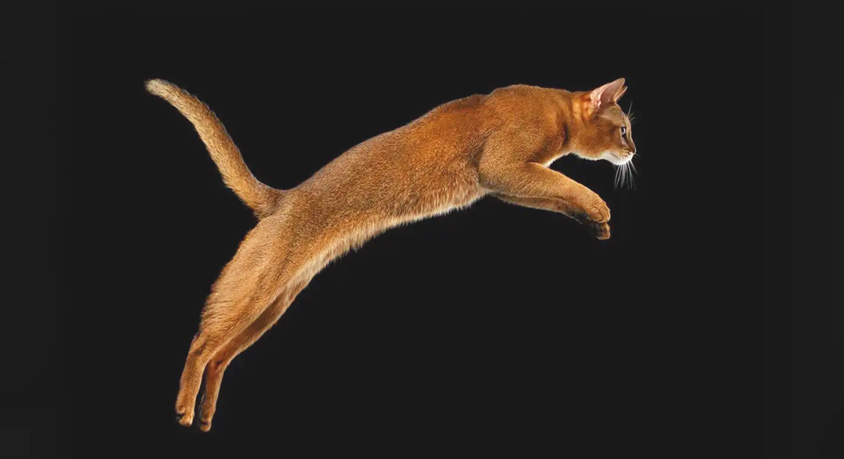
Observe during feeding: Does your senior cat hesitate before jumping to the bowl? This anti-intuitive pause—contrary to their agile youth—flags mobility woes in elderly cat behavior.
For Whiskers, ramps transformed his world. No more labored leaps; his purrs returned softly, rebuilding trust. Integrating senior cat care tools like orthopedic beds eases pressure points, fostering confidence.
Siamese seniors, with their slender frames, amplify pet pain signs through vocal yowls mistaken for demands. Persians, fluffier and slower, show it in labored grooming pauses.
Adjust for age: Puppies leap; elders ponder. A client's Maine Coon, Baxter, at 16, avoided belly rubs—revealing abdominal sensitivity. Gentle massages post-exam restored his gentle giant spirit.
Ramps suit long-bodied breeds, reducing strain.
Blend science with empathy. pheromone diffusers calm nerves, while puzzle feeders engage without exertion. Challenge the "leave them be" norm: interaction prevents isolation-fueled anxiety.
Whiskers now greets laps willingly, his ear flicks rare. Owners gain peace knowing they've decoded the silence.
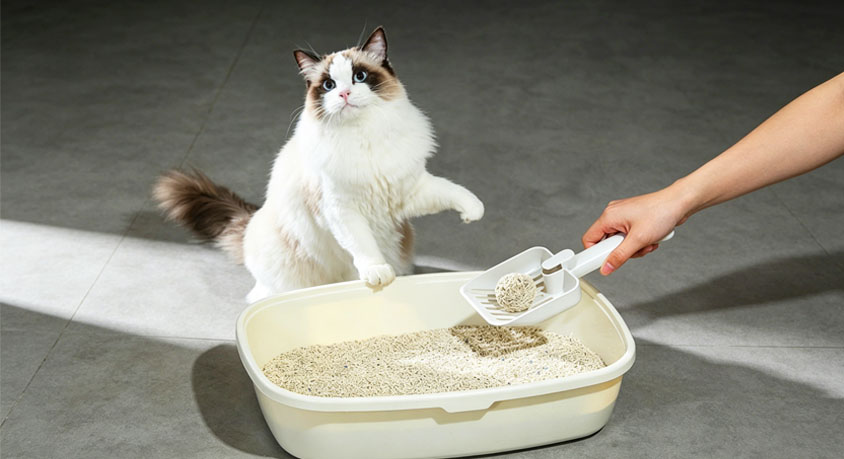
Track changes weekly: appetite dips or litter box avoidance scream attention. Vets confirm, but you spot the nuances first.
In Whiskers' story, early senior cat care averted decline. Your cat's subtle signals? They're invitations to heal, not hurdles. Embrace them with patience—you're their voice.