Nighttime Puppy Wails: When Our Instincts Undermine Confidence?
- Quick Tags: puppy crying at night, new puppy sleep, crate training anxiety, puppy self-soothing
- Editor: Editorial Team
- Updated: Oct,13,2026
- Views: 492.7k





The clock glows 2 AM, illuminating a familiar scene: your eyes are wide open, fixed on the ceiling, while a small, persistent whimper echoes from the other room. A pang of guilt tightens in your chest, instantly followed by the exhausting debate – should I go to them? Am I a terrible pet parent for letting my new puppy cry? This moment, suspended between sleep and worry, is a common one for many new guardians. You’re not alone, and you’re certainly not doing anything wrong. Instead, you're standing at a vital crossroads in your puppy's journey, and your understanding, not your intervention, can make all the difference.
E.g. :Why Your Senior Dog Stares at the Wall and the Gentle Art of Navigating the Sunset Years
Imagine little Leo, a tiny bundle of fluff, who has just been plucked from the comforting warmth of his littermates and mother. His world has expanded dramatically, from a cozy pile of siblings to a vast new space, with new smells, new sounds, and a new human family. When darkness falls, the primal instinct to seek safety among his pack kicks in. His whimpers aren't necessarily a sign of distress, but a natural, ingrained communication: "Is anyone there? Where is my pack?" It’s his way of seeking reassurance, a holdover from his wolf ancestors who would huddle together for safety at night. Understanding this deep-seated need helps us reframe the crying from an immediate crisis to a developmental phase.
Every cry, every whimper, is a message. Learning to interpret these can alleviate much of your anxiety and build a stronger bond with your puppy. It's not about ignoring them, but about responding thoughtfully and strategically.
In the very first few nights, your puppy might simply be feeling lonely. This is perfectly normal. They’ve gone from constant physical contact to sleeping alone. This isn't true separation anxiety in the clinical sense yet, but rather a natural yearning for companionship. A snuggle puppy with a "heartbeat" or a blanket that smells like you can offer immense comfort.

Often, those insistent cries around the same time each night might be a genuine need to relieve themselves. Puppies have tiny bladders and cannot "hold it" for very long. Establishing a consistent bedtime routine, including a final potty break just before bed, is crucial. If your puppy typically sleeps for a few hours before crying, a quiet, no-fuss trip outside might be all that's needed. Return them to their sleeping area immediately after, with minimal interaction.
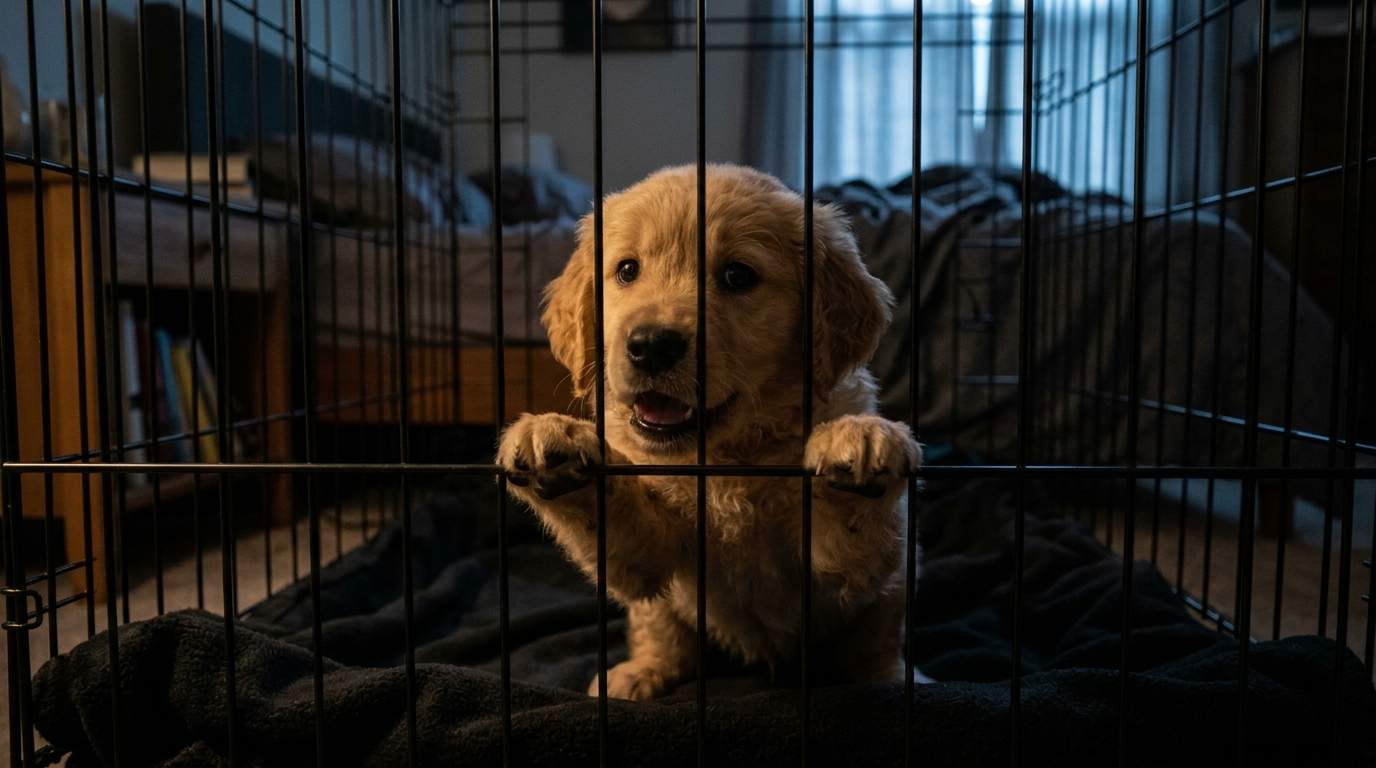
Many pet parents initially worry that a crate is cruel, feeling it's akin to a cage. However, when introduced properly, a crate becomes your puppy's personal den – a safe, cozy, and secure space where they can retreat and feel protected. Dogs are naturally den animals, and a well-appointed crate can actually reduce anxiety by providing a predictable, confined area. Make it inviting with a soft bed and a puppy-safe chew toy. Never use the crate as punishment; it should always be a positive place. This consistent "den" helps them understand that even when you're not right there, they have a secure base.
This is where the counterintuitive truth often lies: rushing to comfort every single whimper can inadvertently teach your puppy that crying is the quickest way to get your attention. While our hearts ache to soothe them, allowing a puppy to self-soothe builds resilience and independence. After you've ruled out potty needs or immediate danger, a few minutes of crying (which can feel like an eternity at 2 AM) can be a powerful lesson. This doesn't mean ignoring severe distress, but discerning between a "test" and a true need. Think of it as gently guiding them to discover their own inner calm, rather than constantly providing it externally.
Remember my clients, the Johnsons, who were at their wits' end with their Beagle puppy, Daisy? They felt like failures, utterly exhausted. We worked on a consistent schedule, a cozy crate setup, and a "check-in, don't intervene" strategy. Within a week, Daisy's cries dwindled, replaced by peaceful nights. It's a testament to patience and consistency. Every puppy is unique, and this journey requires empathy, understanding, and a gentle hand. You are providing them with structure, safety, and the skills to thrive independently. This isn't just about getting sleep; it’s about nurturing a confident, well-adjusted companion who trusts their environment and, most importantly, trusts you. Take a deep breath. You're doing great.