Senior Dog's Tail Hangs Limp at Pack Approach—Pain or Preference?
- Quick Tags: senior dog care, elderly pet behavior, pet socialization, aging dog health
- Editor: Editorial Team
- Updated: Jul,28,2026
- Views: 383.3k

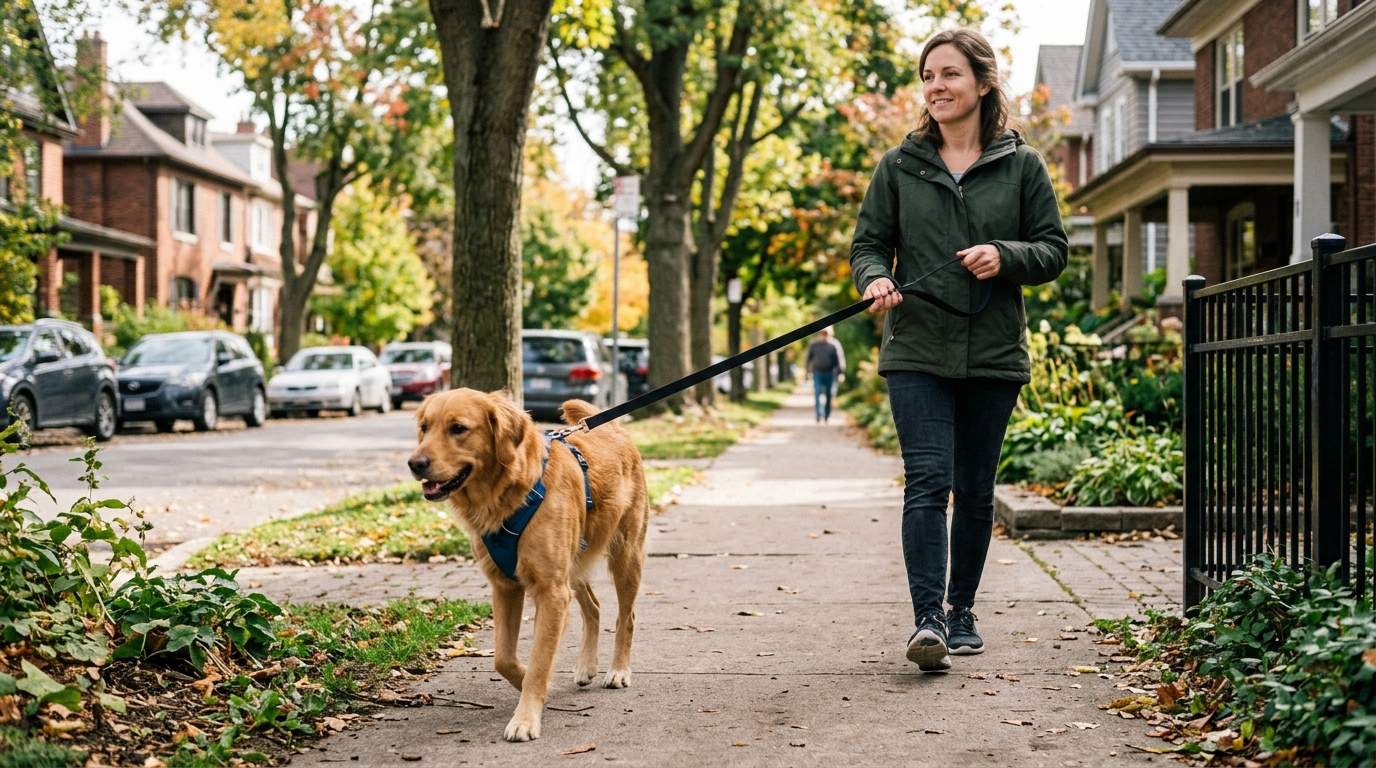
Imagine your 12-year-old Labrador, Max, standing in the park. A familiar friend's tail wags furiously, bounding closer. But Max's tail stays low, unmoving, as if the excitement passes him by unnoticed.
E.g. :Before the zoomies strike at 11 PM: hyperactivity or a pressure release valve?
I've seen this moment countless times in my consultations—from Golden Retrievers to mixed breeds. As Chloe Jones, certified pet behavior consultant, I know it's not disinterest. That limp tail whispers something deeper about senior dog care and elderly pet behavior. Let's uncover why, through Max's story, and how gentle shifts in pet socialization can restore his spark.
Max was always the park's social star, chasing balls with boundless energy. Now, at 12, his world has shifted. Owners often think aging dogs withdraw from play due to laziness—a common myth. Research from the Journal of Veterinary Behavior shows up to 70% of senior dogs over 10 exhibit reduced social engagement, not from apathy, but subtle health cues.
That tail drop? It's often a guarded response to joint stiffness or vision fade, challenging the idea that old dogs simply "slow down." By reading these elderly pet behavior signs early, we bridge their fading senses to joyful connections.
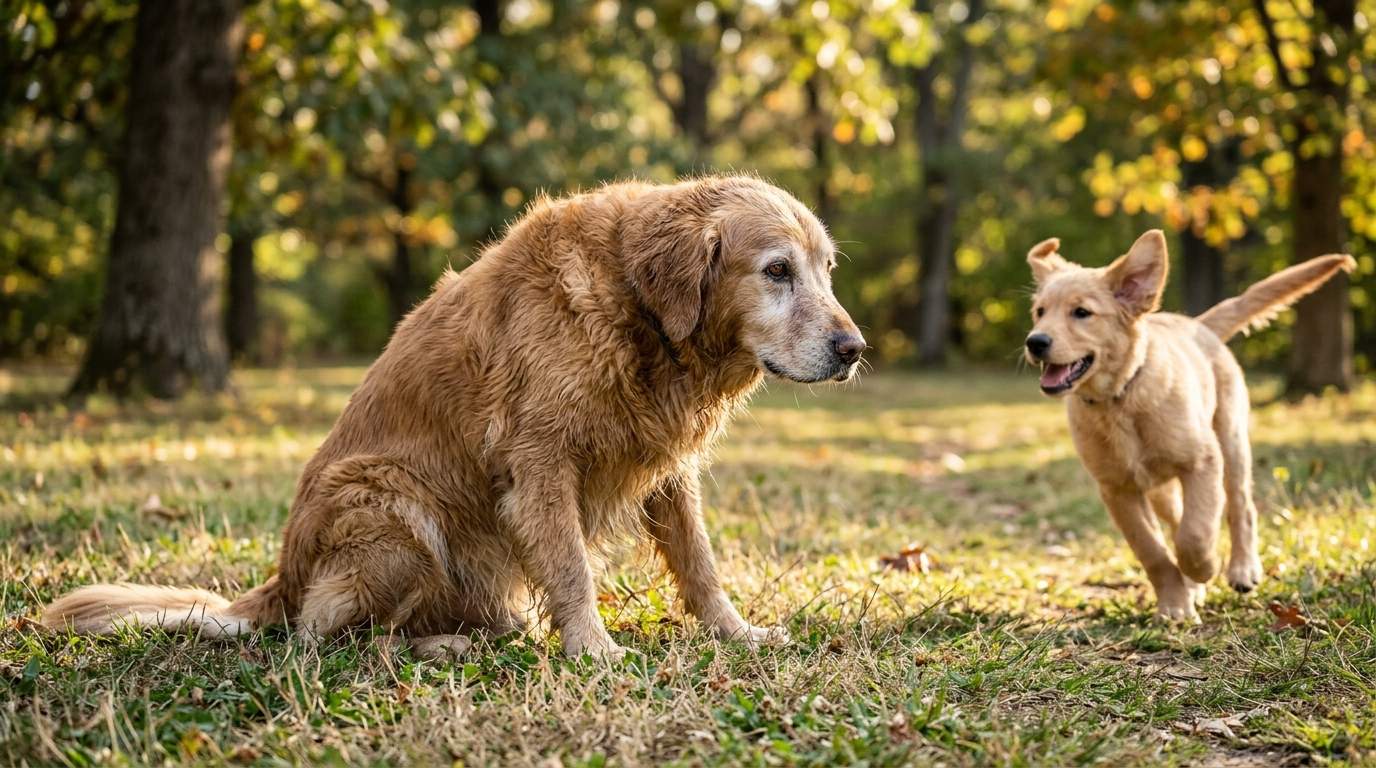
Watch closely: flattened ears alongside a limp tail signal discomfort, not rejection. In my travels from the UK to Australia, I've helped owners like Sarah spot this in her aging Border Collie.
Many assume senior dogs shun company to rest. Counterintuitive truth: isolation worsens cognitive decline, per studies from the American Veterinary Medical Association. Pet socialization for aging dog health demands low-impact invites, flipping the script on high-energy play.
Max ignored group romps until we introduced calm, scent-based meetups. His tail lifted slightly—proof that structured interactions rebuild confidence without strain.
Joint issues like arthritis affect 90% of dogs over 8, per Cornell University vet research. Max's limp tail masked hip pain, not anti-social moods. Ignoring this risks depression-like behaviors.
Owners tell me their Labs or Shepherds perk up with ramps and soft mats during greetings. It's about adapting environments, not forcing old habits.
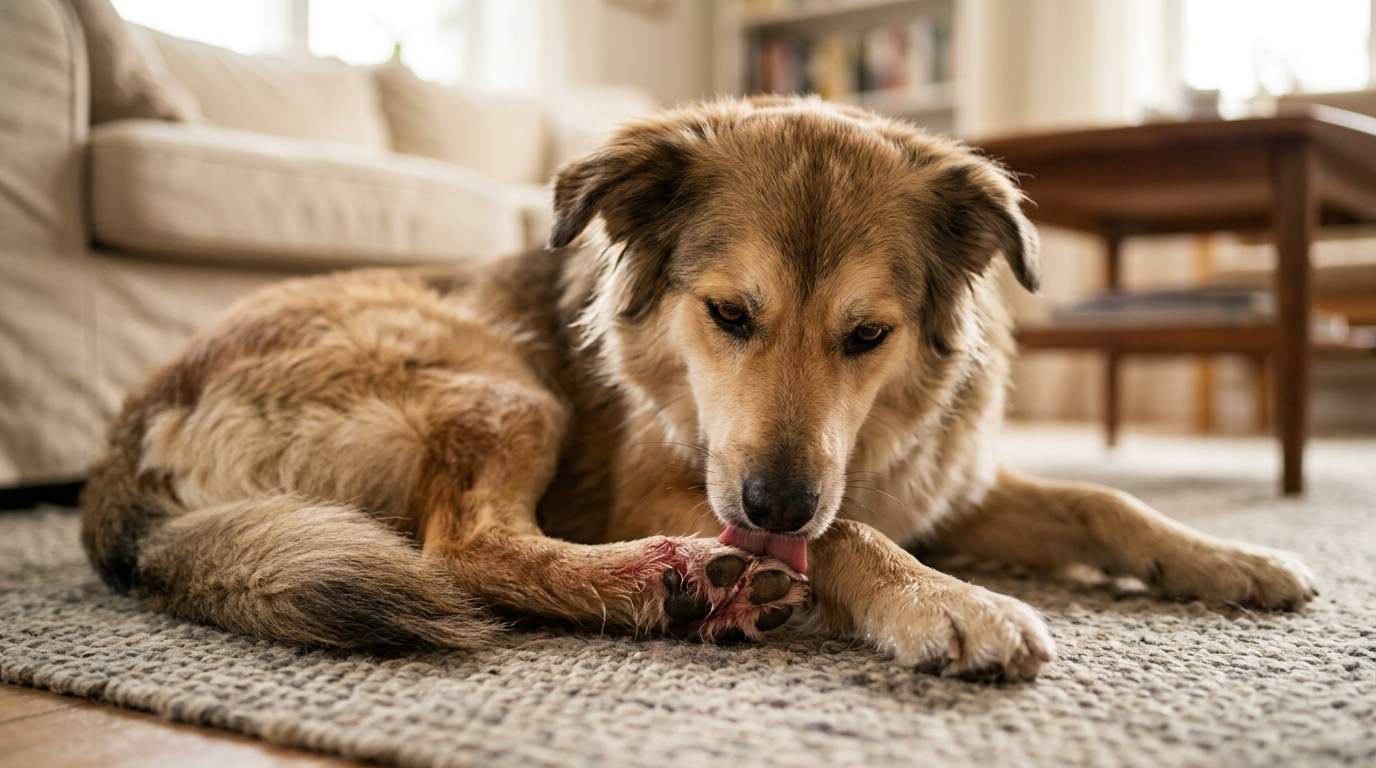
A senior dog's hesitant paw lift or yawn during approaches? These are stress signals. Gentle massages beforehand eased Max's tension, inviting tail wags anew.
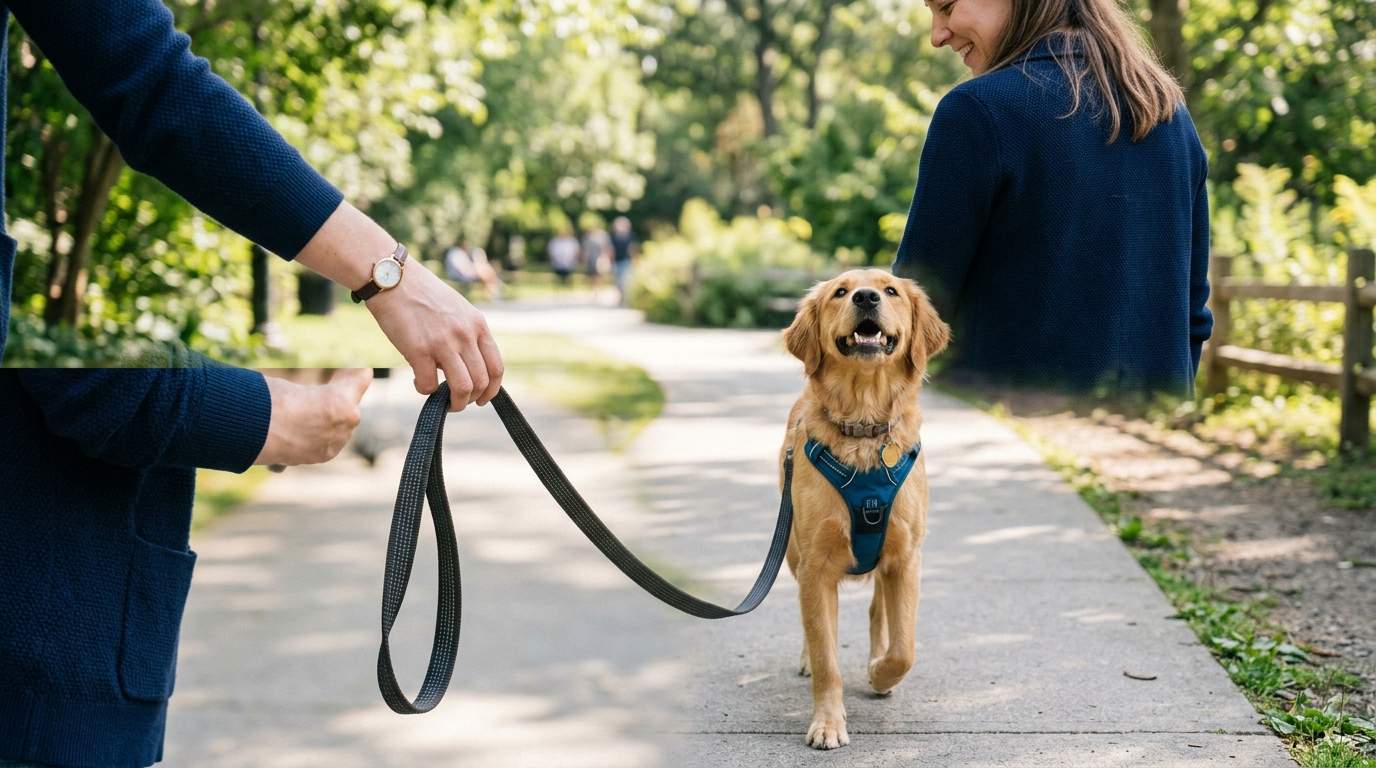
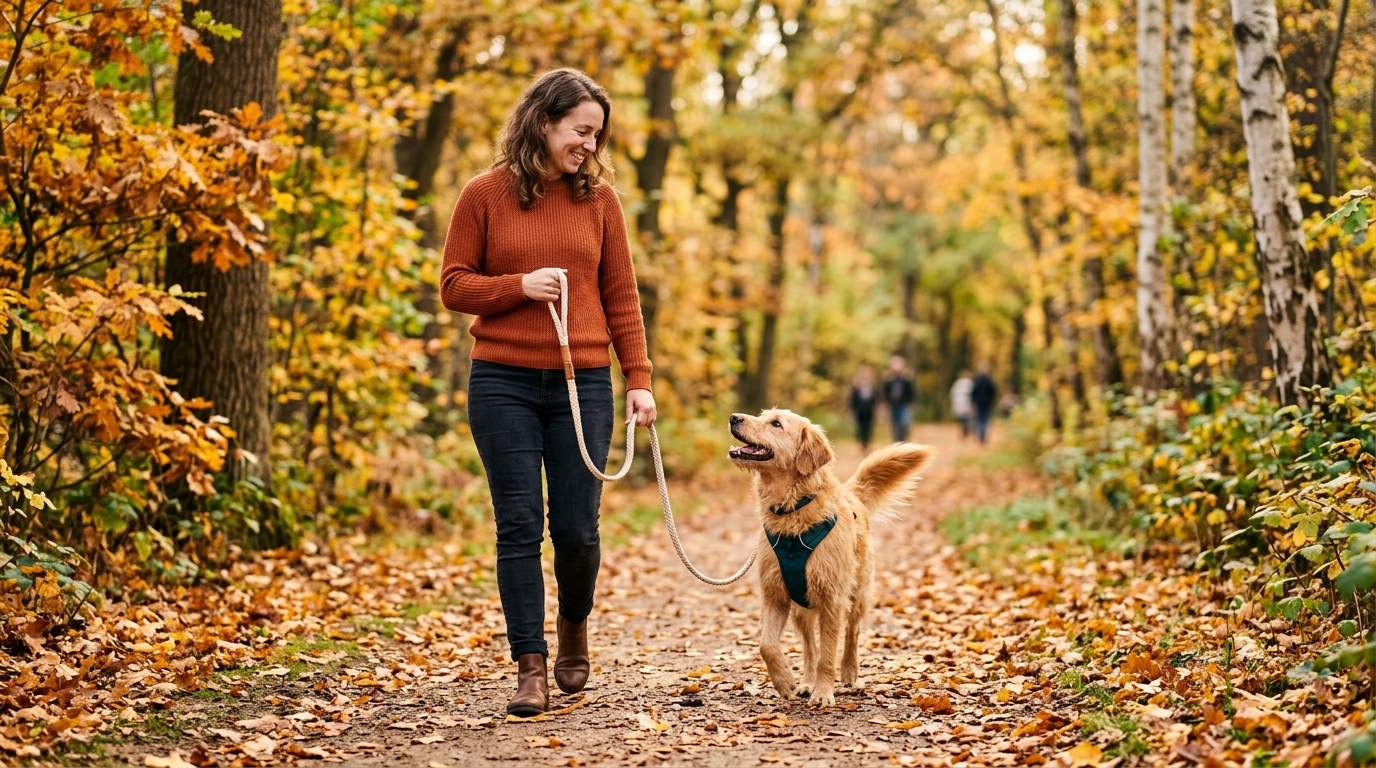
Start small: short, leashed park visits with trusted pals. Use treats for positive associations, embedding senior dog care routines.
For Max's owner, daily 5-minute "sniff circles" replaced fetch. Within weeks, his posture softened, eyes brighter. This tailored elderly pet behavior approach suits breeds like Labs prone to mobility loss.
End with quiet victories. Max now greets his friend with a slow wag, whiskers alert. You've got this—your senior's signals guide the way.
These steps aren't quick fixes but heartfelt bridges. Share Max's calm nudges; your dog's tail will thank you.