Leash Pulling: Why Does Your Dog Not Learn From Every Tug?
- Quick Tags: how to stop dog pulling on leash, dog leash training, loose leash walking, dog behavior problems
- Editor: Editorial Team
- Updated: Sep,22,2026
- Views: 412.7k

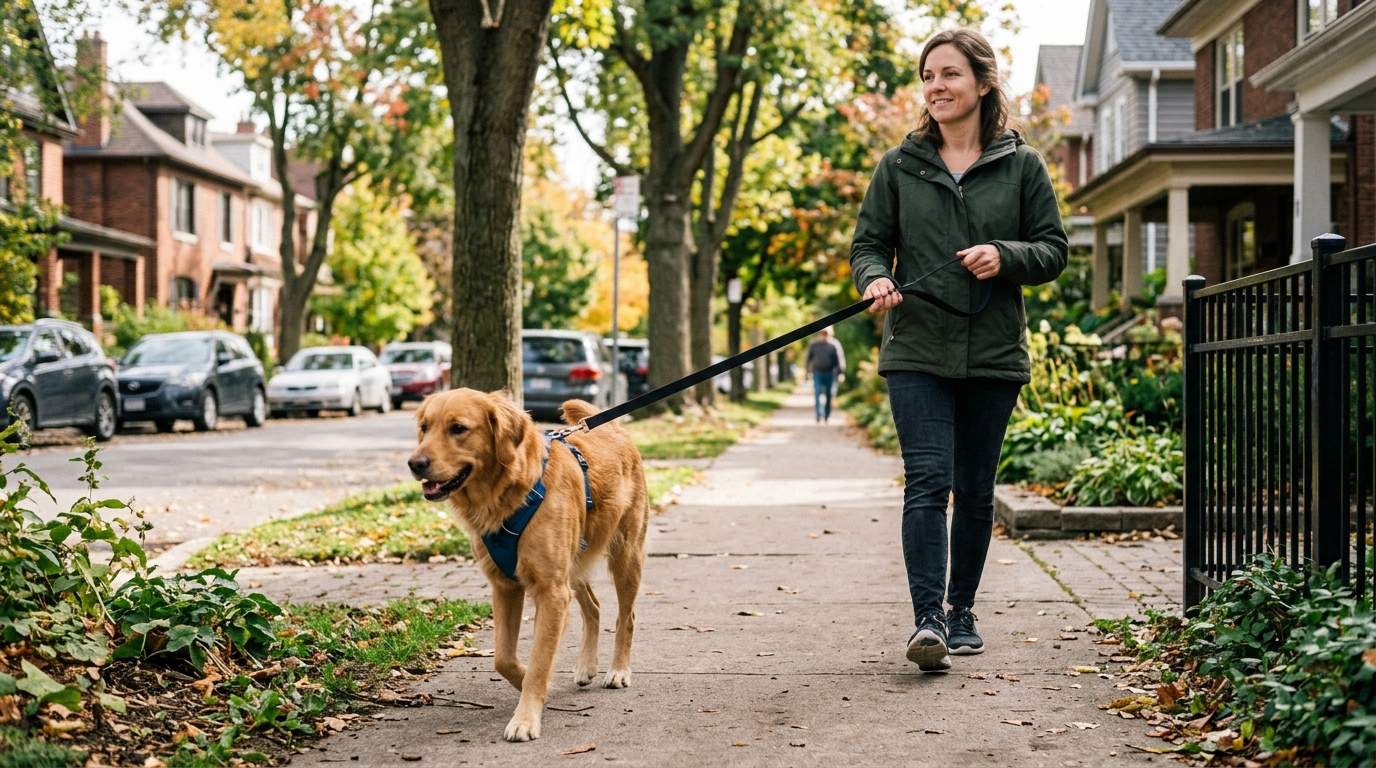
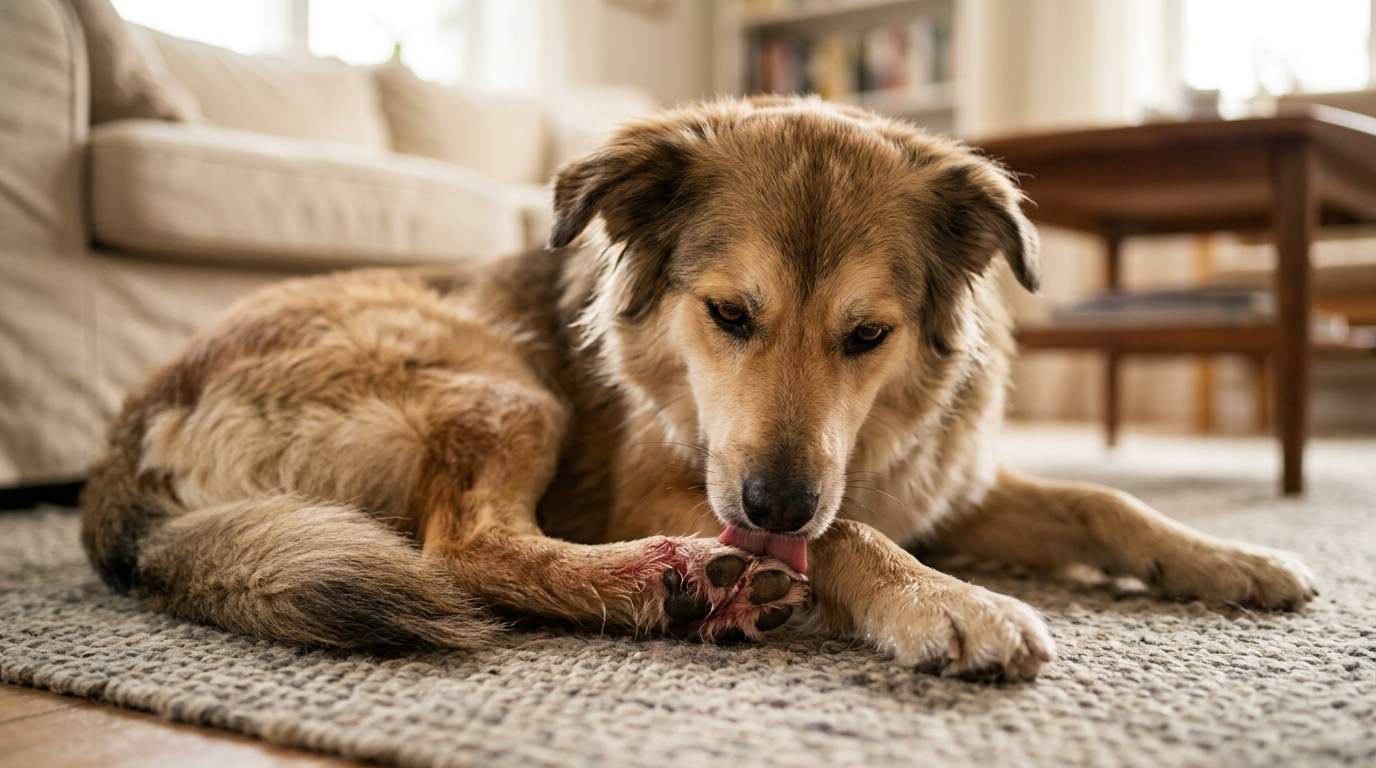
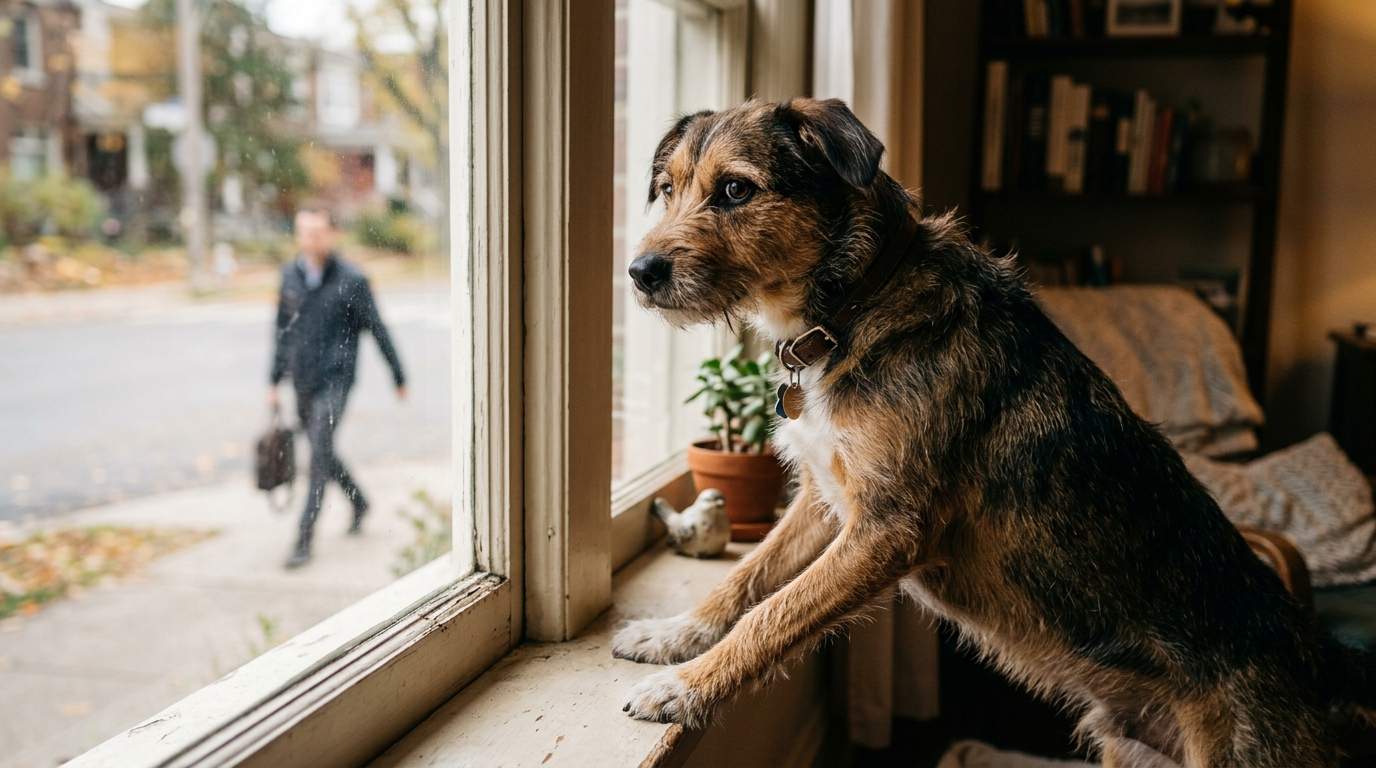
The moment the leash clips, a familiar tension seizes your arm, your shoulder bracing for the inevitable strain. Your dog, eyes alight with anticipation, transforms into a miniature freight train, pulling with determined enthusiasm towards the next exciting sniff or distant squirrel. Each walk becomes less a shared journey and more a silent battle of wills, leaving you feeling weary, self-conscious, and perhaps a little confused: why does this happen, every single time?
E.g. :Why Your Guinea Pig "Freezes" When You Touch Them
It’s easy to believe your beloved companion is simply stubborn, dominant, or deliberately ignoring your pleas for a calmer pace. Yet, from years of observing the intricate dance between humans and their pets, I’ve learned a kinder, more nuanced truth. Your dog isn't trying to challenge you; they are simply responding to the world, and often, to the unconscious signals we send them.
Imagine the world through your dog's nose – a vibrant tapestry of stories and opportunities unfolding with every breeze. For dogs, a walk isn't just exercise; it's their primary way of gathering information, exploring, and engaging with their environment. Every pull forward is a desire to reach that tantalizing scent, greet a passing friend, or investigate a new sight.
This isn't about your dog trying to be the "alpha" or control you. When they pull, they usually get to go forward, even if it’s just a few inches. This simple act of moving towards what they desire acts as an immediate reward, strengthening the pulling behavior. They learn that pulling works to get them to their goal, not that it’s something to avoid. For a dog like Luna, a spirited terrier mix I once knew, every tug was a successful step closer to discovering the secrets hidden in the fallen leaves.
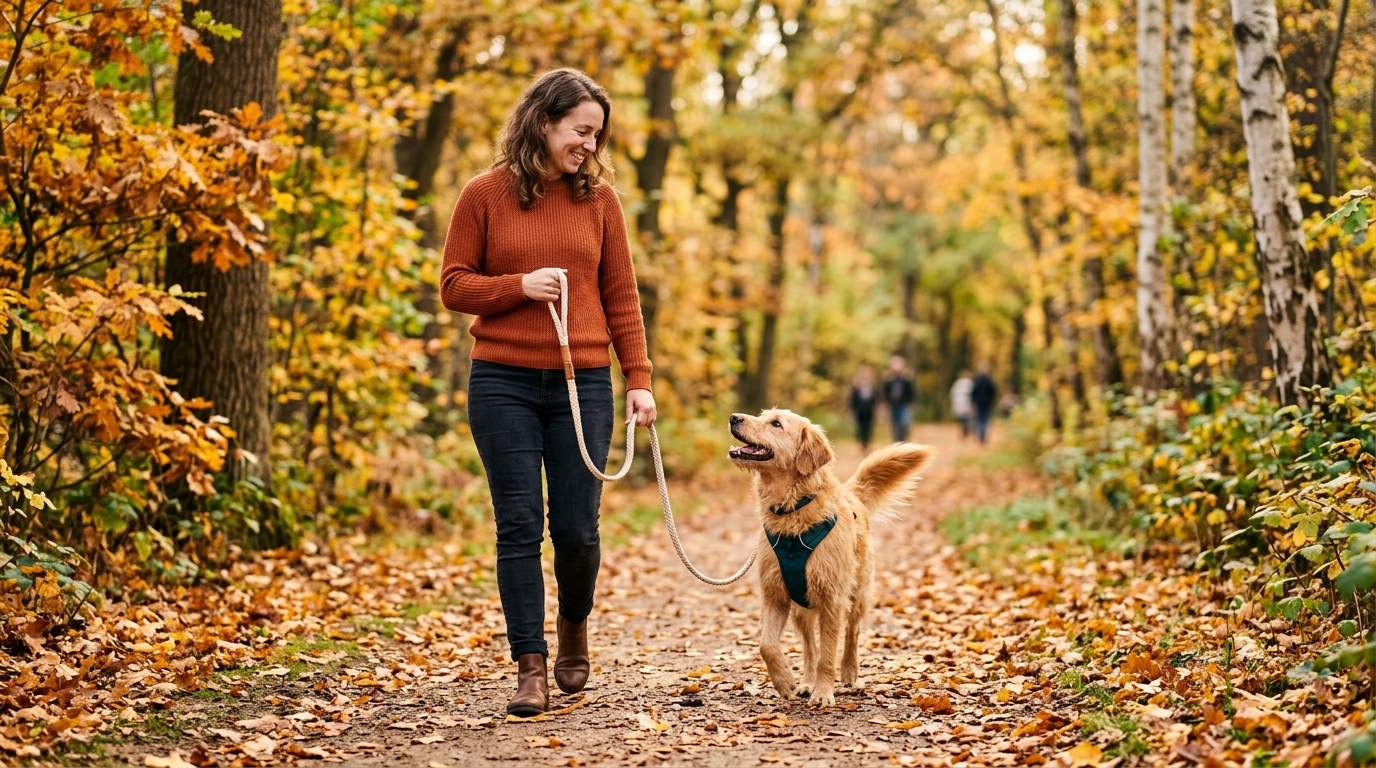
Dogs are designed to move and investigate. Their incredible sense of smell drives much of their outdoor behavior. A new patch of grass is like reading the daily newspaper for them, full of fascinating updates. When they pull to reach these sensory treasures, they're simply following their instincts, not disrespecting your wishes.
Here's a counterintuitive thought: the very act of pulling can become a self-reinforcing cycle that we, as owners, unwittingly perpetuate. If your dog pulls and you continue to walk, even slowly, you are inadvertently rewarding their effort to move forward. The constant tension on the leash can also become their new normal – a baseline feeling they associate with walks.
When you use a flat collar and pull back or "correct" your dog with a jerk, they might feel discomfort or even pain. This doesn't teach them how to walk nicely; it simply creates an unpleasant association with the leash or with you. They might start to pull harder to escape the discomfort, or become anxious about the walk itself.
The equipment we choose plays a significant role in our dog's walking experience. While a traditional flat collar is fine for ID tags, it often isn't the best tool for teaching loose leash walking, especially if your dog is a consistent puller. The pressure on their throat can be uncomfortable and even harmful.
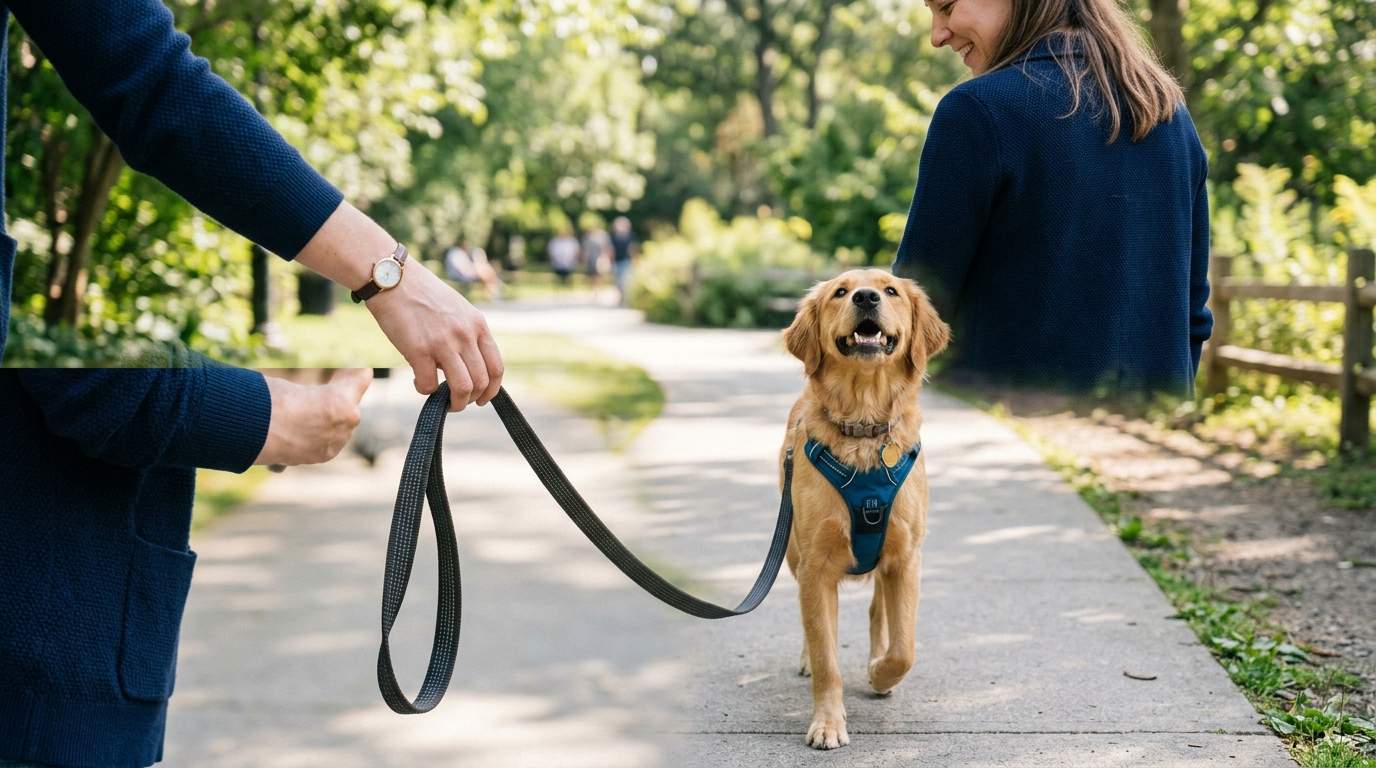
Consider a front-clip harness. Unlike back-clip harnesses that often encourage dogs to lean into the pull (making them feel like sled dogs!), a front-clip harness changes the dog's center of gravity. When your dog pulls, the leash attachment on their chest gently guides them to the side, redirecting their momentum without causing pain or discomfort. It's a subtle, physical cue that teaches them pulling doesn't get them where they want to go directly forward. For Luna, switching to a front-clip harness was a game-changer; suddenly, she wasn't bracing against the tension, but gently redirecting herself.
Teaching loose leash walking is a process built on patience, positive reinforcement, and clear communication. It’s about teaching your dog that staying close to you, with a slack leash, is the most rewarding way to experience the world.
Start by rewarding your dog for not pulling. Any moment the leash is slack, even for a second, mark that moment with a verbal cue like "Yes!" and immediately offer a high-value treat. Repeat this frequently. If your dog starts to pull, stop walking instantly. Wait for the leash to slacken, even a tiny bit, and then continue. This teaches them: "Leash tension means we stop; a slack leash means we move forward."
Begin your training in a quiet area with minimal distractions. As your dog improves, gradually introduce more stimulating environments. Remember, their ability to focus decreases when they're overwhelmed. A longer training leash can also be helpful here, allowing your dog a little more freedom to sniff while still being within your control for gentle guidance.
Learning a new skill takes time for both you and your dog. There will be days when progress feels slow, or even nonexistent. Please know that this is normal. Your dog is not being stubborn; they are learning, and you are teaching. Approach each walk with an open heart, ready to observe and understand.
The ultimate goal isn't just a perfect walk; it's a deeper connection built on trust and mutual understanding. As you gently guide your dog, rewarding their efforts and understanding their innate drives, you're not just teaching them to walk nicely. You’re building a stronger bond, one peaceful step at a time, transforming frustration into shared joy.