When Your Dog Turns Away: A Dismissal, or a Secret Language?
- Quick Tags: dog body language, canine trust, dog turning back, pet communication
- Editor: Editorial Team
- Updated: Aug,25,2026
- Views: 388.2k

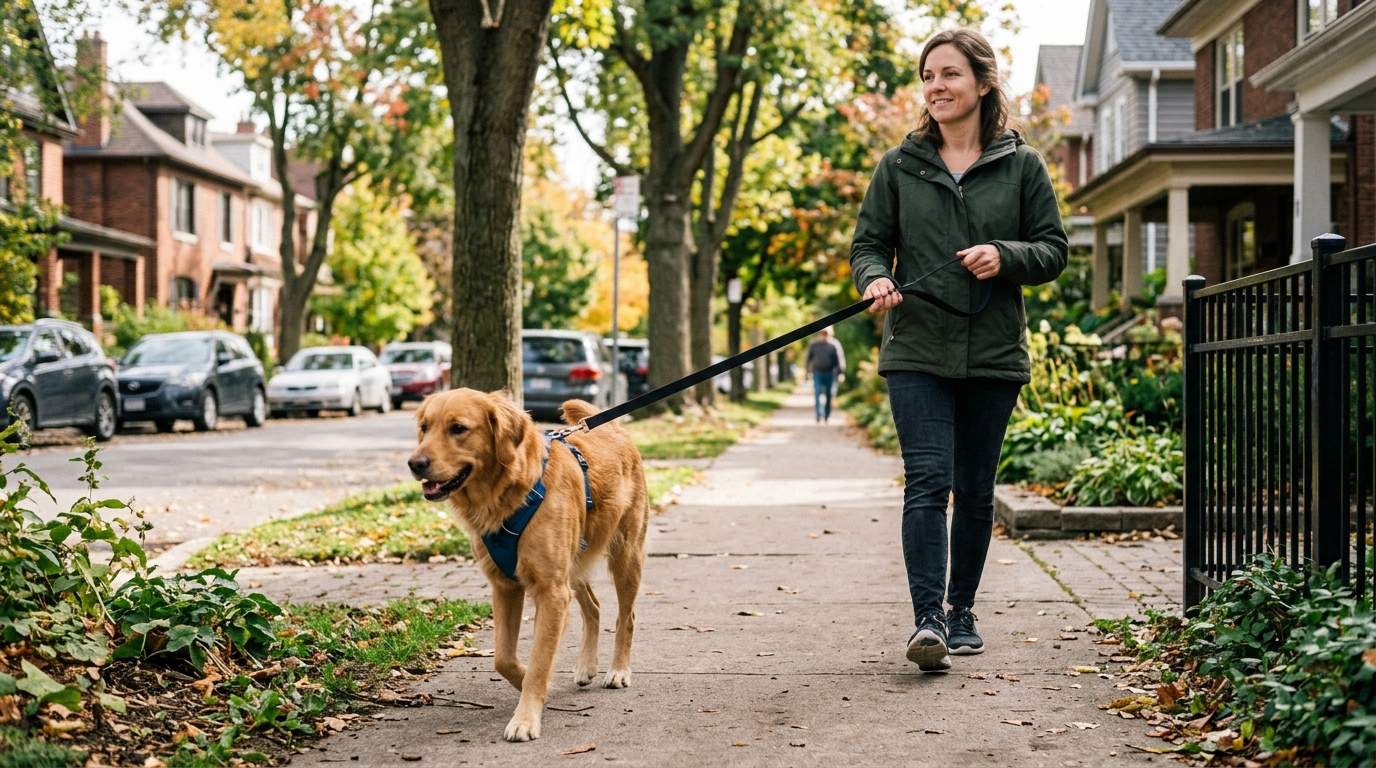
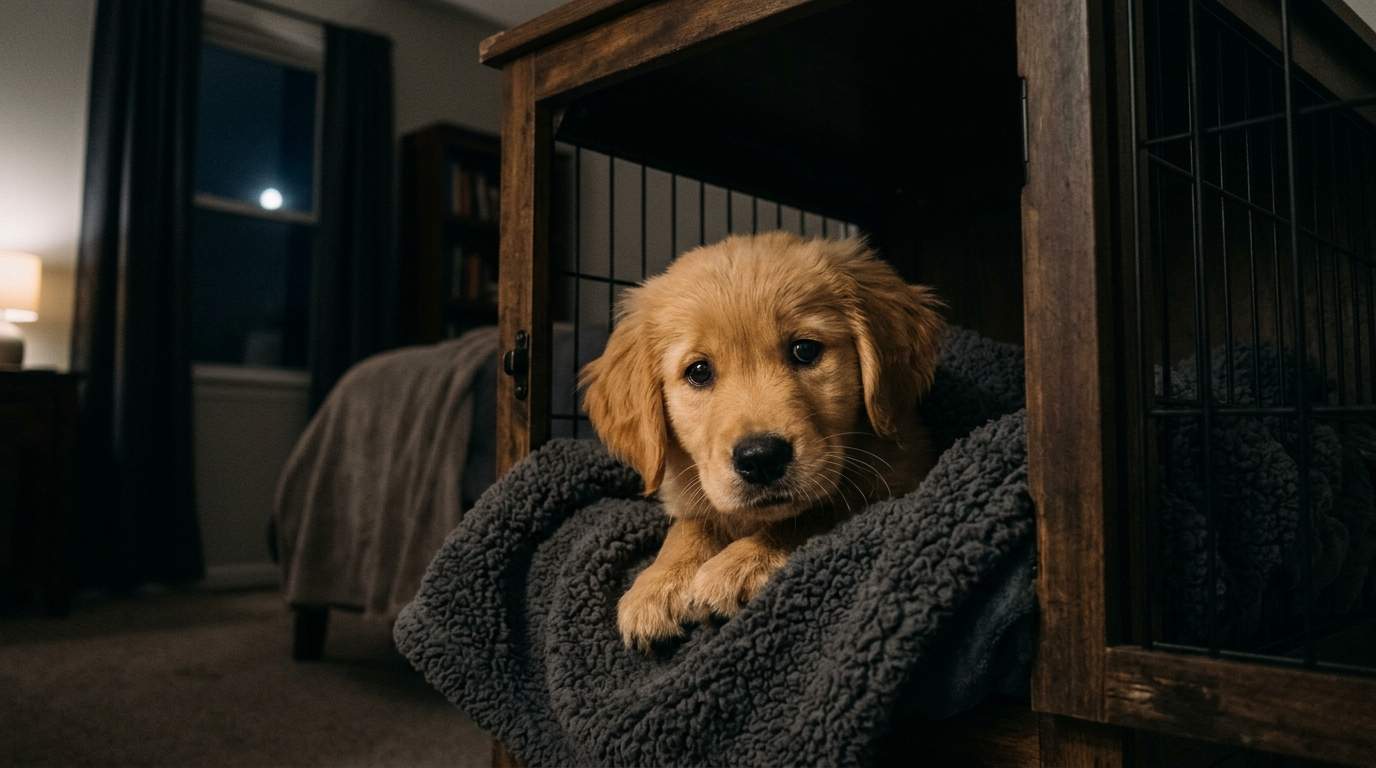
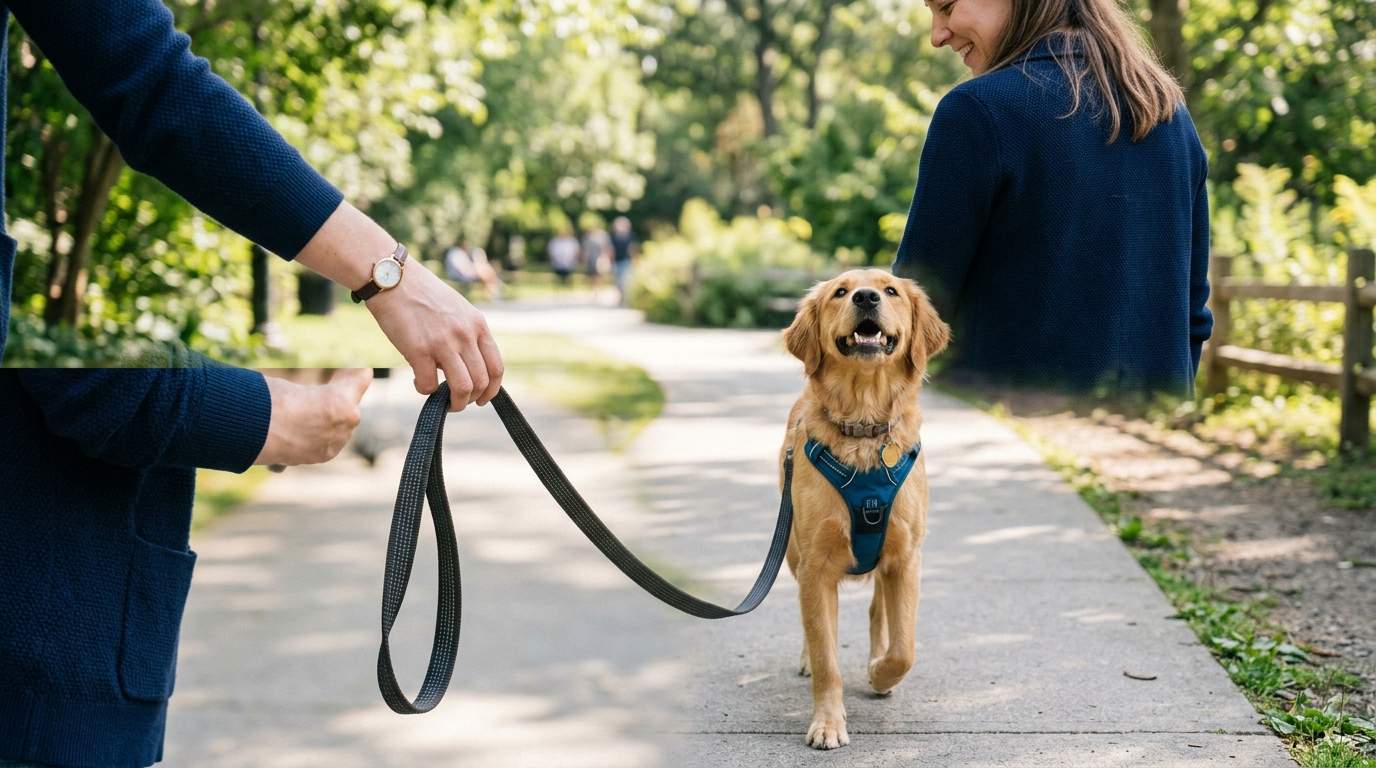
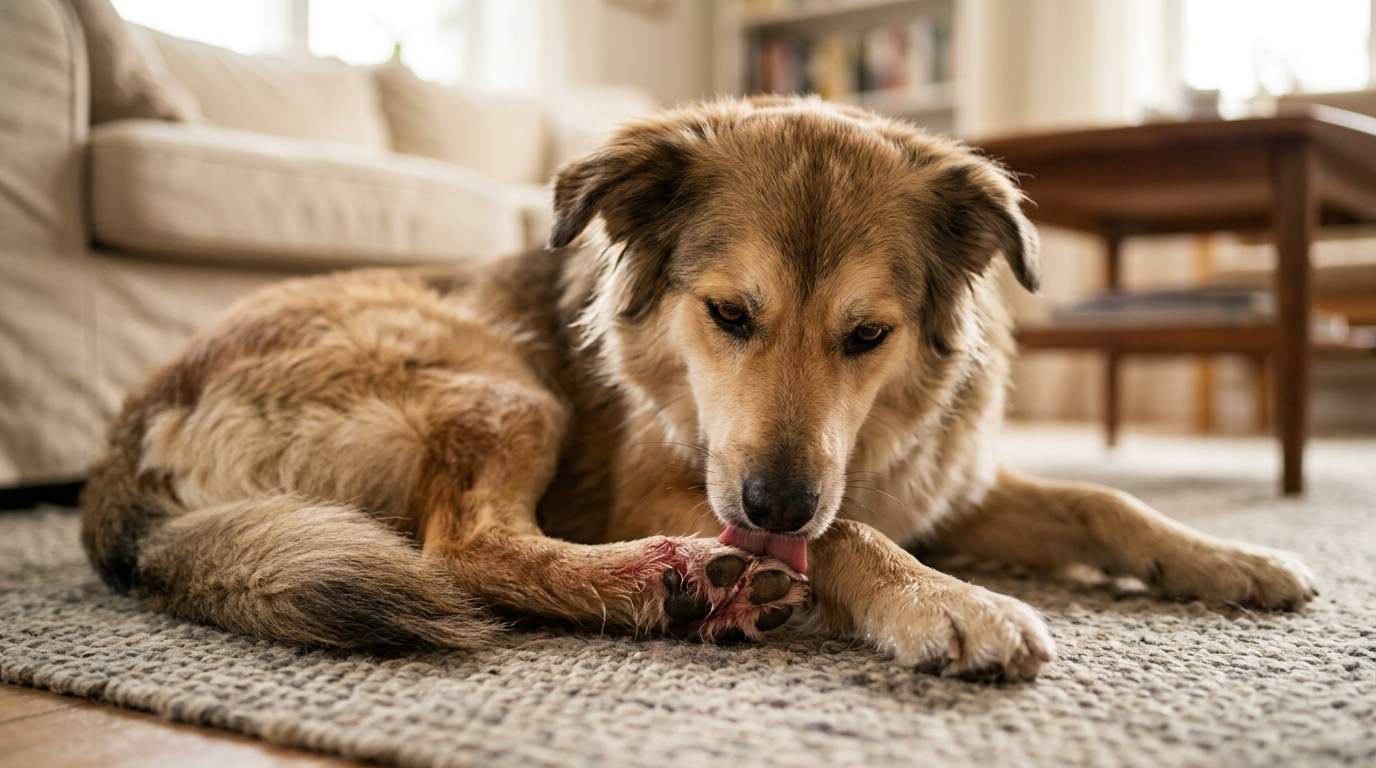
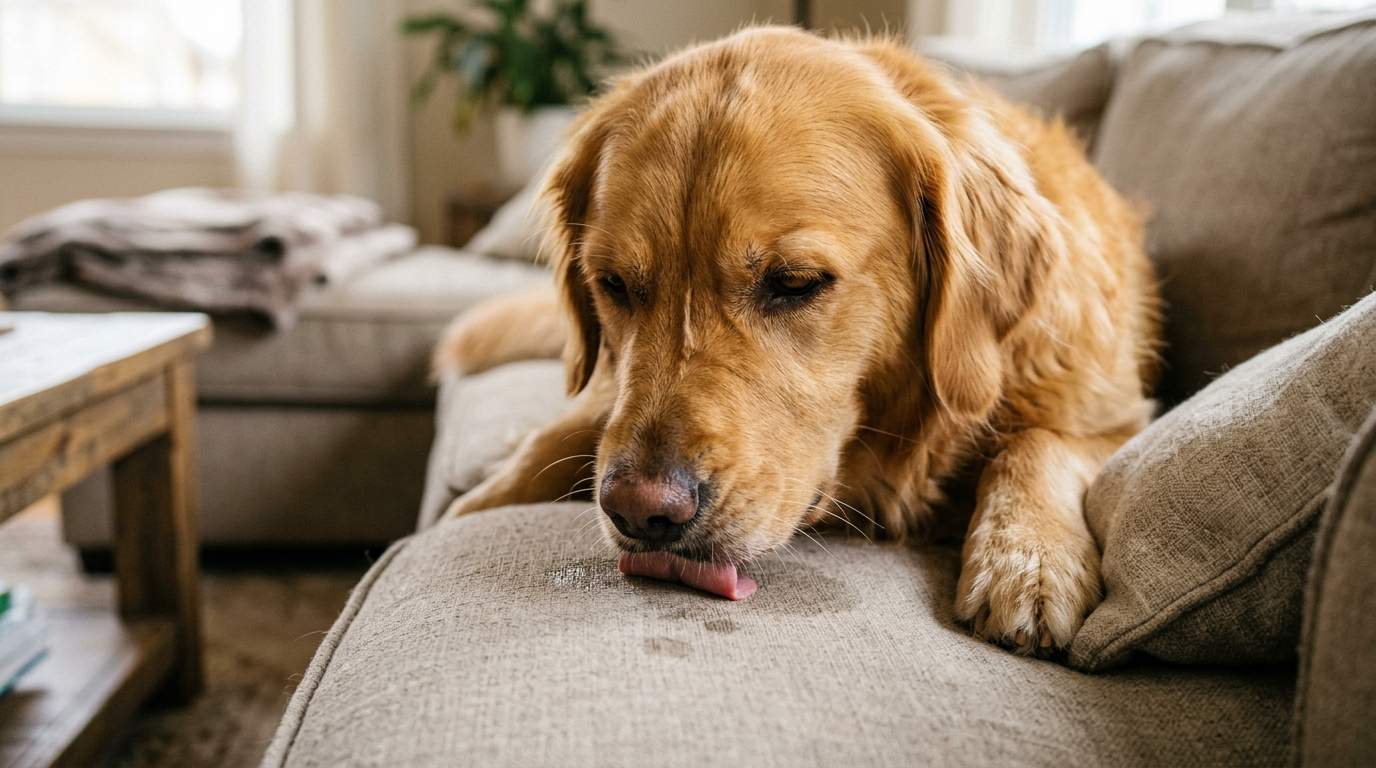
It’s a familiar scene: you're relaxing on the couch, your dog is nearby, perhaps you call their name, or simply extend a hand to stroke their fur. Instead of looking at you or approaching, they slowly, almost deliberately, turn their back, often settling with a soft, contented sigh. A little knot forms in your stomach. Is this a gentle dismissal? Are they upset with you, or worse, do they not enjoy your company as much as you thought? This small, seemingly dismissive gesture can stir up confusion, a pang of guilt, and anxiety about misinterpreting your beloved companion’s feelings.
E.g. :Dog Paws 'Full' Smart Feeder Hungrily: Glitch or Jam?
Our human brains are wired to interpret a turned back as a sign of disinterest, rudeness, or even defiance. We might feel ignored or brushed aside. But what if this seemingly aloof action is actually one of the most profound, heartfelt ways your dog communicates their deepest feelings of safety and affection for you? What we perceive as a slight, in the world of canine communication, often translates to a powerful affirmation of trust and comfort.
Imagine your dog in the wild. Turning their back on another creature, even a friendly one, leaves them incredibly vulnerable. Their spine, their rear, their vital organs are exposed without the benefit of direct sight. For a dog to willingly present this vulnerable posture, especially when you are near, speaks volumes. It says, "I am completely safe with you. I trust you to watch my back."
Think of it from their perspective: they are essentially saying, "You are my protector. I can relax and let my guard down because I know you are here." This isn't ignoring you; it's a silent testament to your role as their most trusted guardian. This gesture is a beautiful demonstration of their absolute faith in your presence and your care.
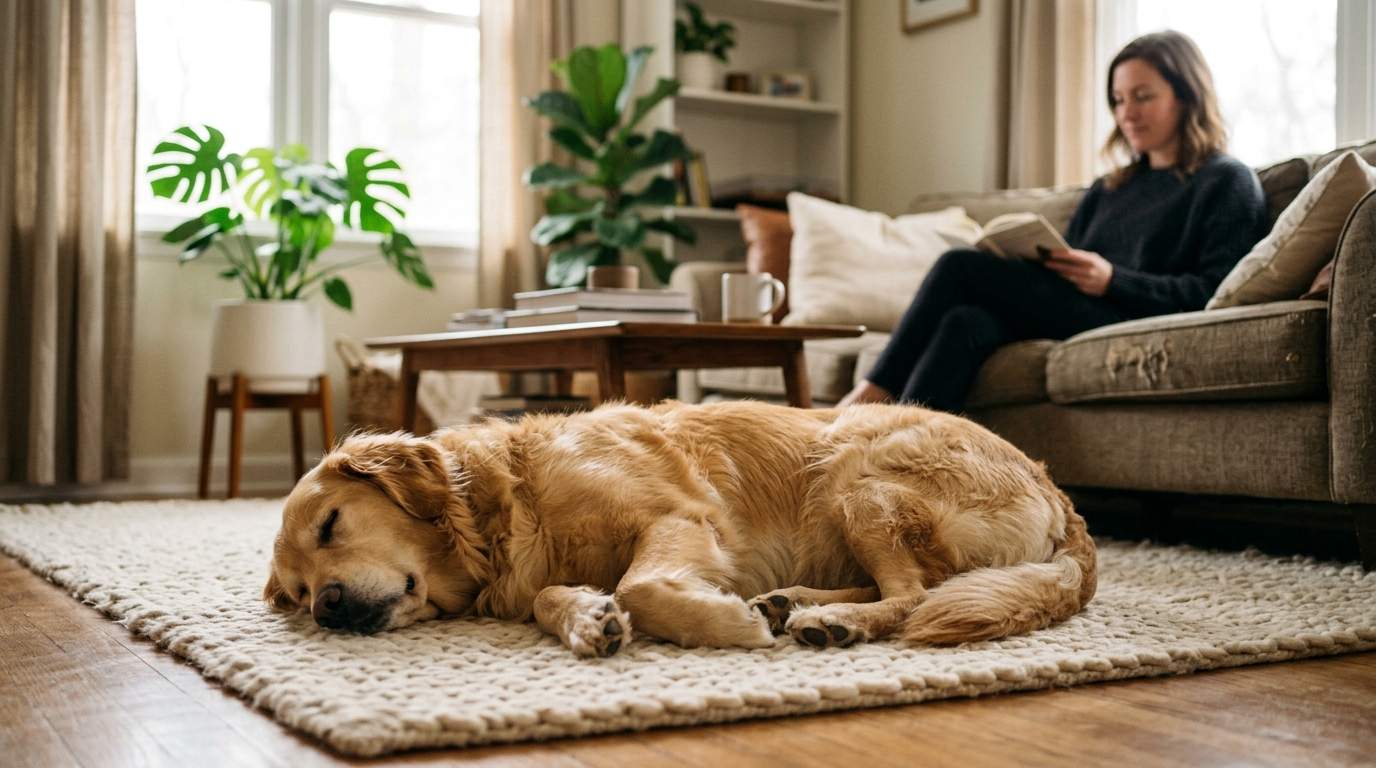
In a dog's world, maintaining a secure 'back-line' is crucial for survival. When they choose to present their back to you, they are effectively deputizing you to be their lookout. It’s a profound honor, signifying that you are not seen as a threat, but as an integral part of their safety net.
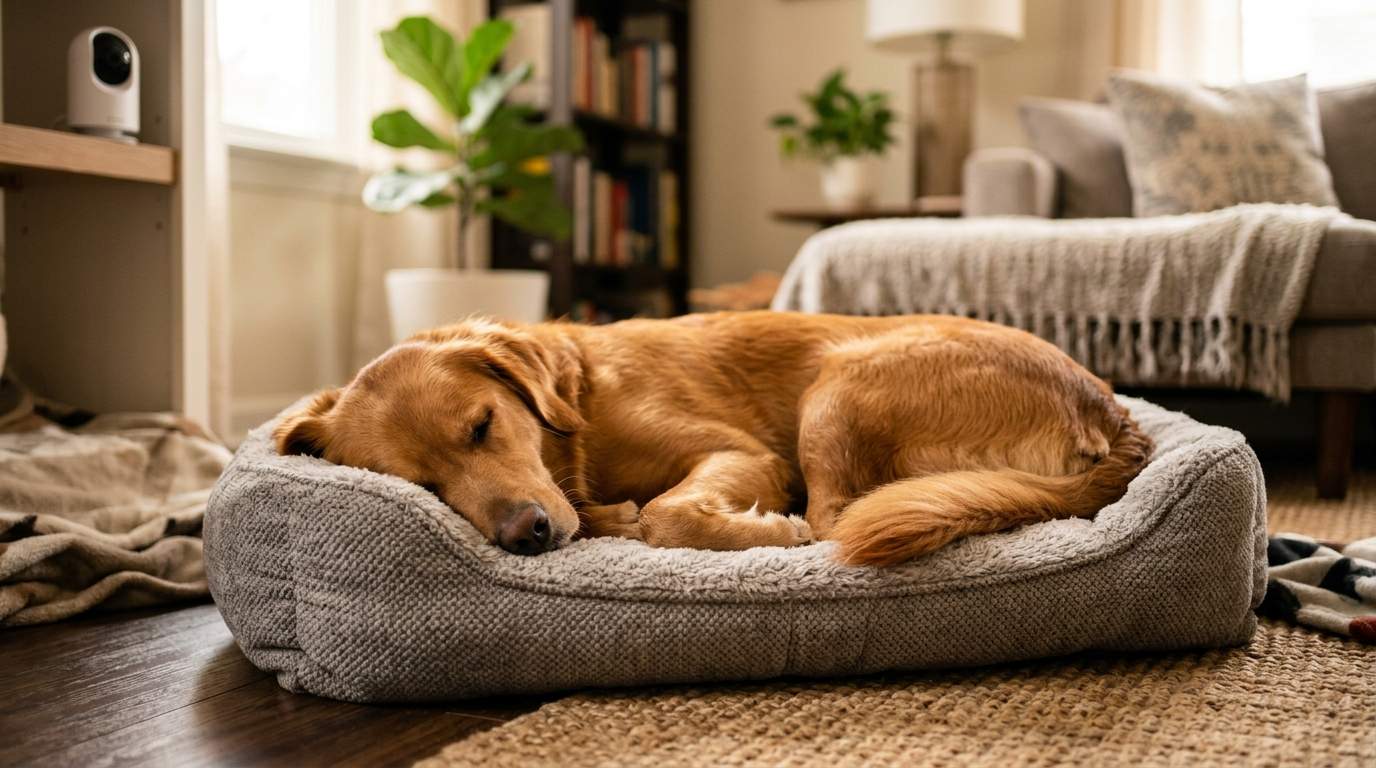
Beyond trust, a dog turning its back is often a clear signal of deep relaxation and contentment. When they settle down with a sigh, their muscles relaxing, it indicates they are truly at peace in your presence. They are not trying to get away from you; they are choosing to settle near you because your proximity enhances their sense of security and well-being.
This is a dog fully comfortable in their environment and with their person. It's akin to a human leaning into a favorite pillow or settling into a cozy armchair after a long day. They are finding their ultimate comfort zone, and that zone includes you.
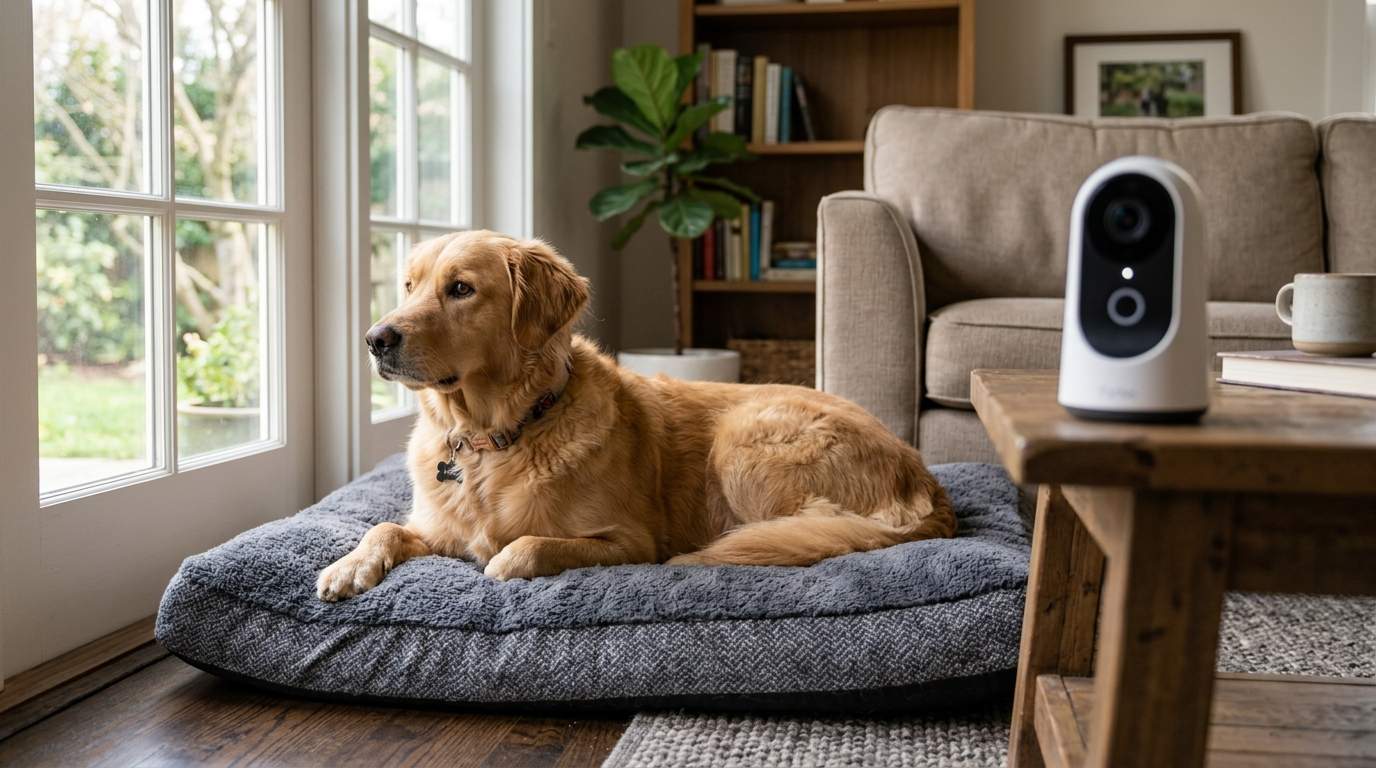
Observe where your dog chooses to sleep their deepest, most unbothered sleeps. Often, it's in a spot where they feel utterly safe, perhaps a cozy dog bed in a quiet corner, or right beside you. When they turn their back, they are signaling that they perceive your shared space as just such a secure, peaceful haven.
Understanding this nuance in dog body language can transform your relationship. When your dog turns their back to you, resist the urge to immediately interrupt their peace or demand their attention. Instead, offer a gentle acknowledgment. A soft, reassuring word, a quiet pat if they seem receptive, or simply enjoying their peaceful presence reinforces their trust.
You are affirming, "Yes, I see your trust, and I honor it. You are safe with me." This non-intrusive response builds an even deeper, unspoken connection, strengthening the sacred bond you share.
As a pet parent, learning to read these subtle cues from our furry companions is a journey of continuous discovery. Every twitch of an ear, every soft sigh, every turn of the back is a piece of their unique language. Embrace these moments of quiet communication. Your dog isn't ignoring you; they are quietly celebrating your presence, confident in your love and protection. By understanding these subtle signs, you replace anxiety with appreciation, transforming moments of confusion into profound affirmations of love and trust. Continue to observe, learn, and love, and you’ll find that your connection with your dog only grows richer and more profound.