Why Your Dog Still Pulls: Is the Leash Itself Teaching Tugging?
- Quick Tags: dog pulling leash, loose leash walking, leash training, frustrated pet owner
- Editor: Editorial Team
- Updated: Oct,06,2026
- Views: 446.8k

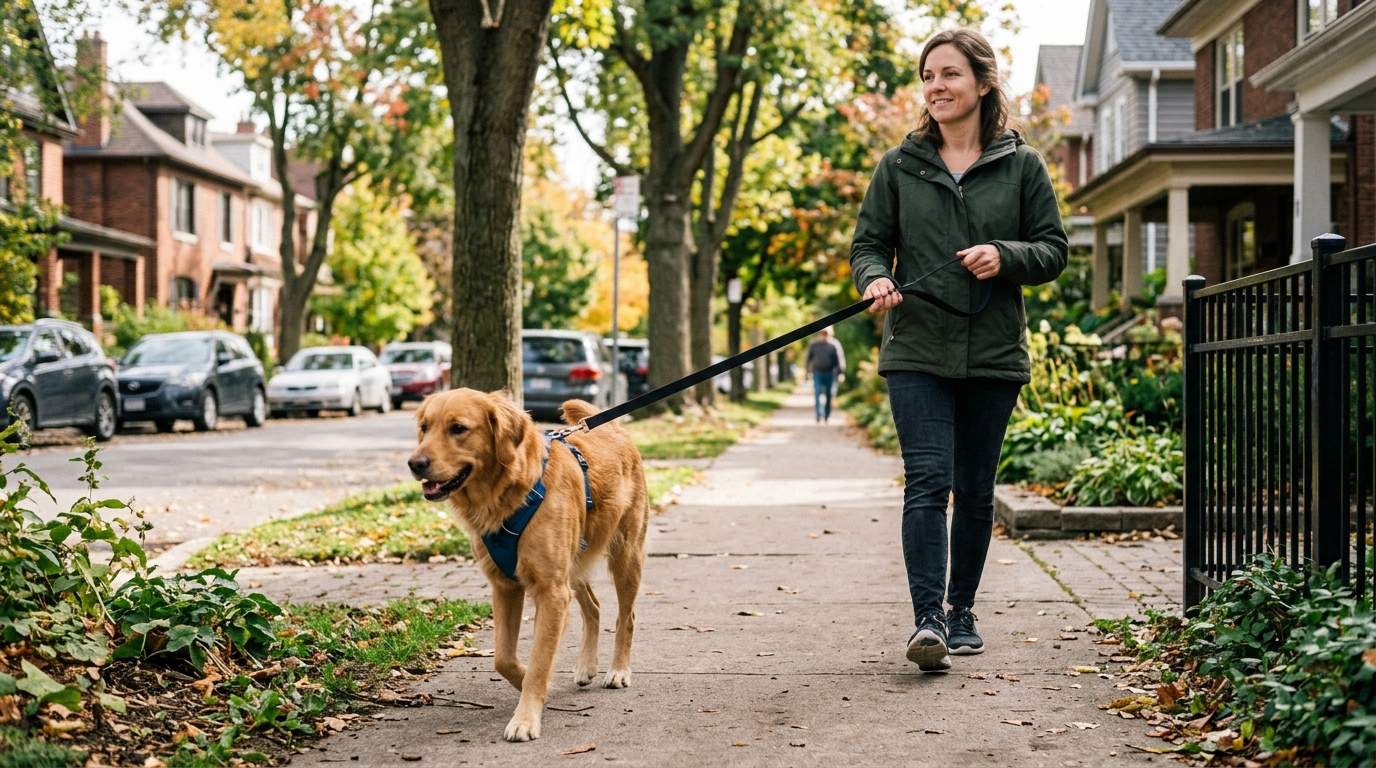
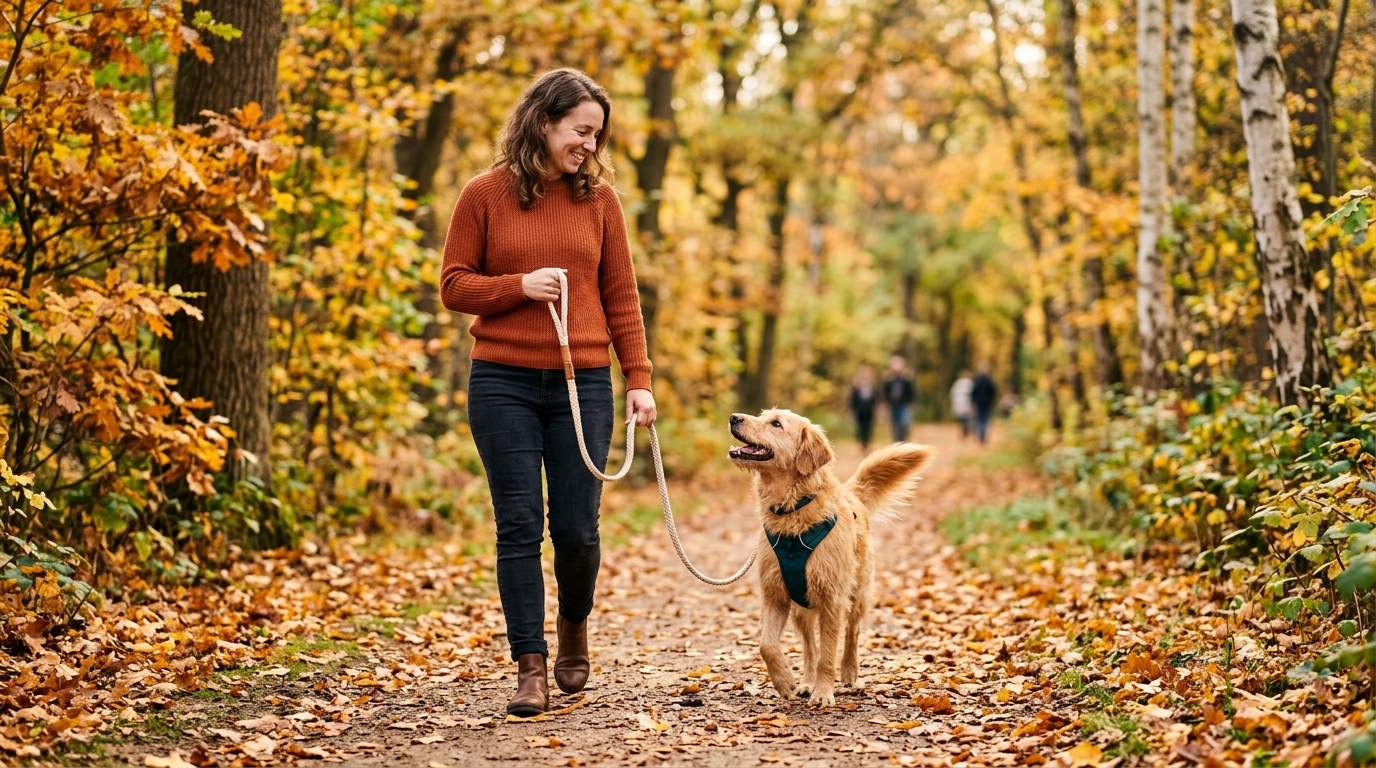
That familiar tug, the jarring jolt that yanks your arm and tightens your shoulders the moment you step outside. It transforms what should be a peaceful stroll into a frustrating battle, leaving you feeling exhausted, disheartened, and even a little guilty. You’ve tried everything – different collars, harnesses, promising treats, the stop-and-go method – yet your beloved canine companion still pulls like a freight train. You wonder, "Is my dog just impossible, or am I missing something fundamental?" Please know, dear friend, that your feelings are valid, and you are not alone in this experience. Many dedicated pet parents grapple with this very challenge, and it’s rarely about a dog being "impossible."
E.g. :Grass Eating in Dogs – Not an Upset Stomach, But an Ancient Instinct
It’s easy to look at a dog pulling with all their might and conclude they're being stubborn, trying to be "dominant," or simply overflowing with unmanaged energy. But what if we're misinterpreting their intentions entirely? From your dog's perspective, the world outside is an explosion of smells, sounds, and exciting novelties. Their natural inclination is to explore, to follow that fascinating scent trail, to greet that distant squirrel. They don't wake up thinking, "How can I make my human's walk miserable today?" Instead, they are simply moving towards what excites them, often without a clear understanding of our human desire for a 'loose leash walk.'
This might sound counterintuitive, but sometimes, without even realizing it, we can inadvertently teach our dogs that pulling is an effective strategy. It’s a subtle dance of cause and effect, where their action (pulling) is met with an unintended reward (moving forward). Understanding this dynamic is a crucial step in effective leash training and achieving enjoyable dog walks.
Imagine little Leo, your spirited Golden Retriever. He pulls forward because he smells something amazing. You might brace yourself, maybe even give a slight tug back, but eventually, you keep walking, even if it's just a few steps. From Leo's perspective, "I pulled, and we moved forward towards the exciting thing!" This tiny, repeated sequence can build a powerful association: tension on the leash equals progress. While the 'stop-when-they-pull' method has merit, its effectiveness hinges on consistent, calm execution and needs to be paired with teaching what to do instead. If we stop, wait for slack, then immediately continue when they pull again, the message can become muddled.
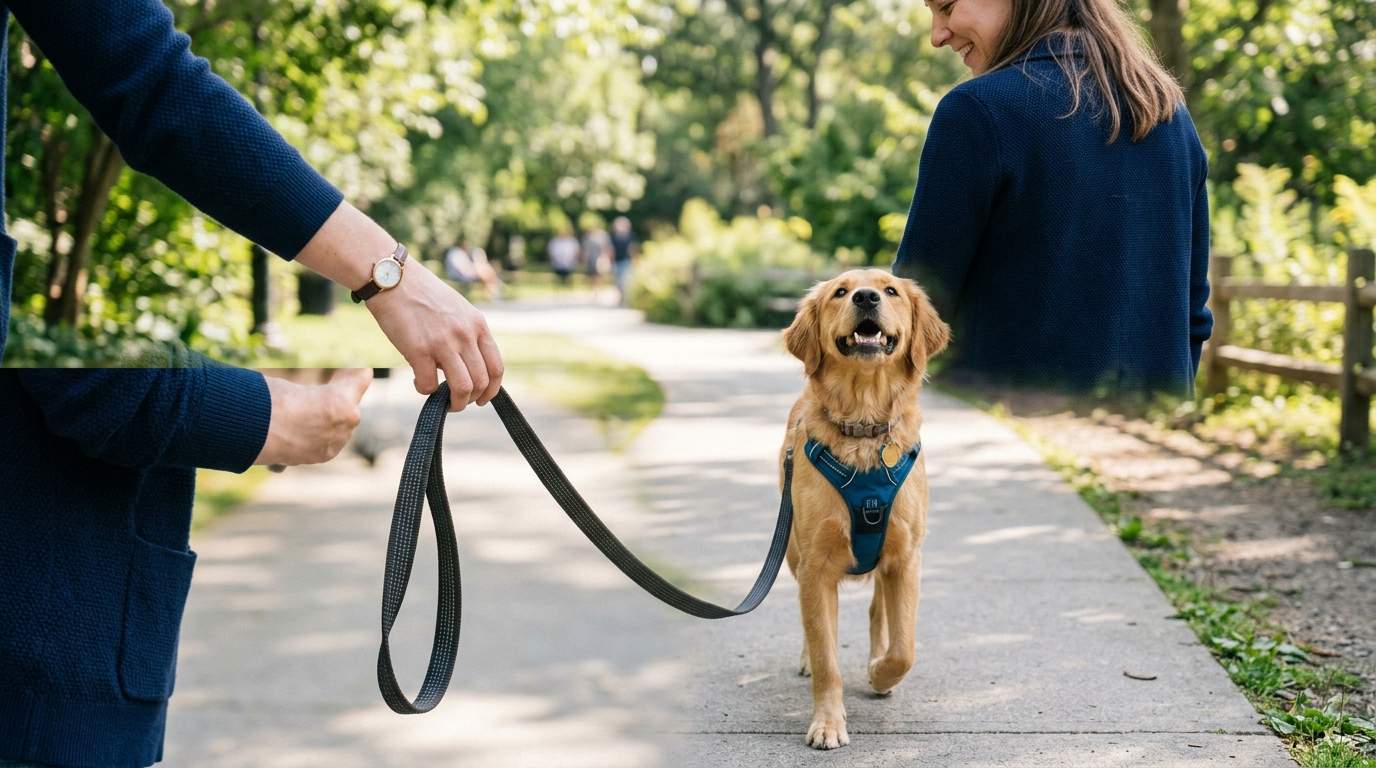
The tools we choose can also play a significant role. A standard flat collar, when pulled against, can put pressure on a dog's throat, causing discomfort and potentially teaching them to pull more to escape the pressure. Even some back-clip harnesses, while comfortable, can activate a dog's opposition reflex – the natural instinct to pull against pressure – similar to sled dogs pulling a load. This doesn't make the equipment 'bad,' but it highlights how crucial it is to choose the right tool for your specific dog and how it interacts with their natural responses. For strong pullers, a front-clip harness can often be a game-changer by redirecting their forward momentum.
The good news is that retraining for better dog behavior is absolutely possible, and it begins with understanding and patience, not punishment. We’re not aiming for perfection overnight, but for a journey of gentle guidance. The goal of loose leash walking is a comfortable, connected experience for both of you.
Start indoors or in a quiet, low-distraction area. With a handful of high-value treats, hold one near your hip. When your dog walks beside you, even for a single step with a slack leash, mark that moment with a verbal "Yes!" and give them a treat. Your hand becomes a "magnet" – they get rewarded for staying close and maintaining a loose leash. If they pull, simply stop, wait for the leash to go slack, and then resume. This isn’t about correcting pulling, but about heavily rewarding not pulling, slowly shifting their focus from the end of the leash to you.
This isn't about blaming you or your dog for the frustrating walks. It's about unraveling learned patterns and building new, positive associations. Remember, your dog isn't trying to be difficult; they're simply responding to their environment and what they’ve learned. Approach each walk as an opportunity for connection and communication, not a test. Celebrate the small victories – one loose step, one moment of eye contact – and extend yourself the same compassion you offer your furry friend. With patience, consistent positive reinforcement, and a deeper understanding of their world, those frustrating tugs can gradually transform into peaceful, enjoyable walks, strengthening the incredible bond you share.
**